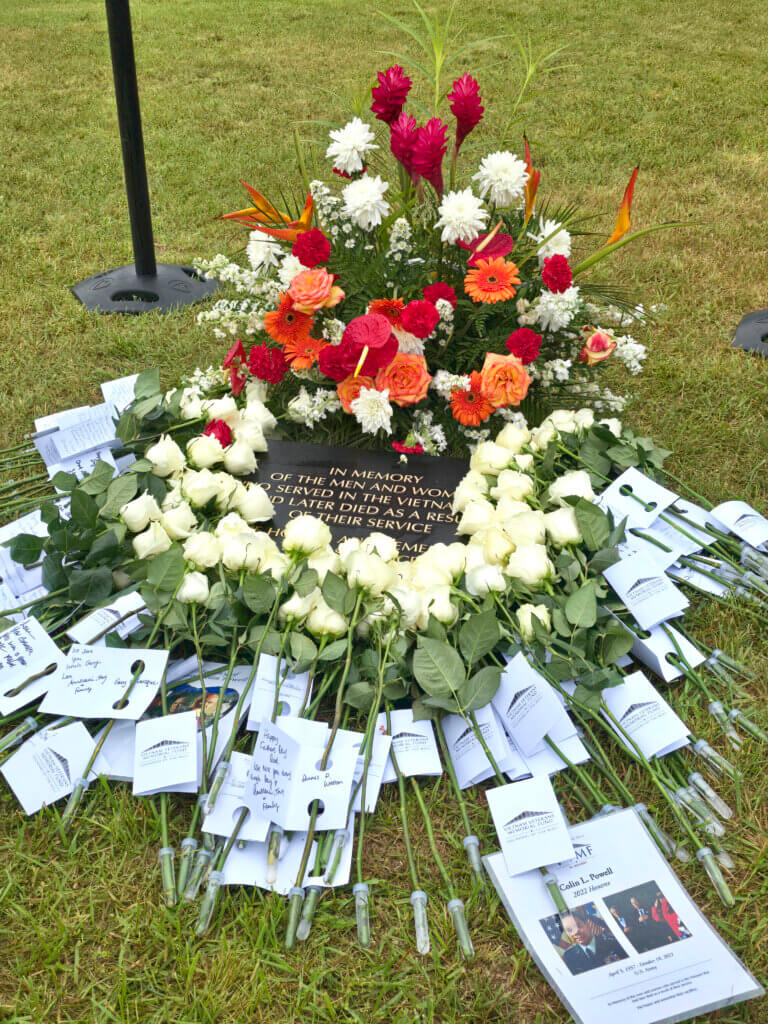
A Acton family’s sacrifice: In Memory honors Don Gresham
Don was honored by the Vietnam Veterans Memorial Fund’s In Memory program — a tribute his wife Nancy called “everything.”
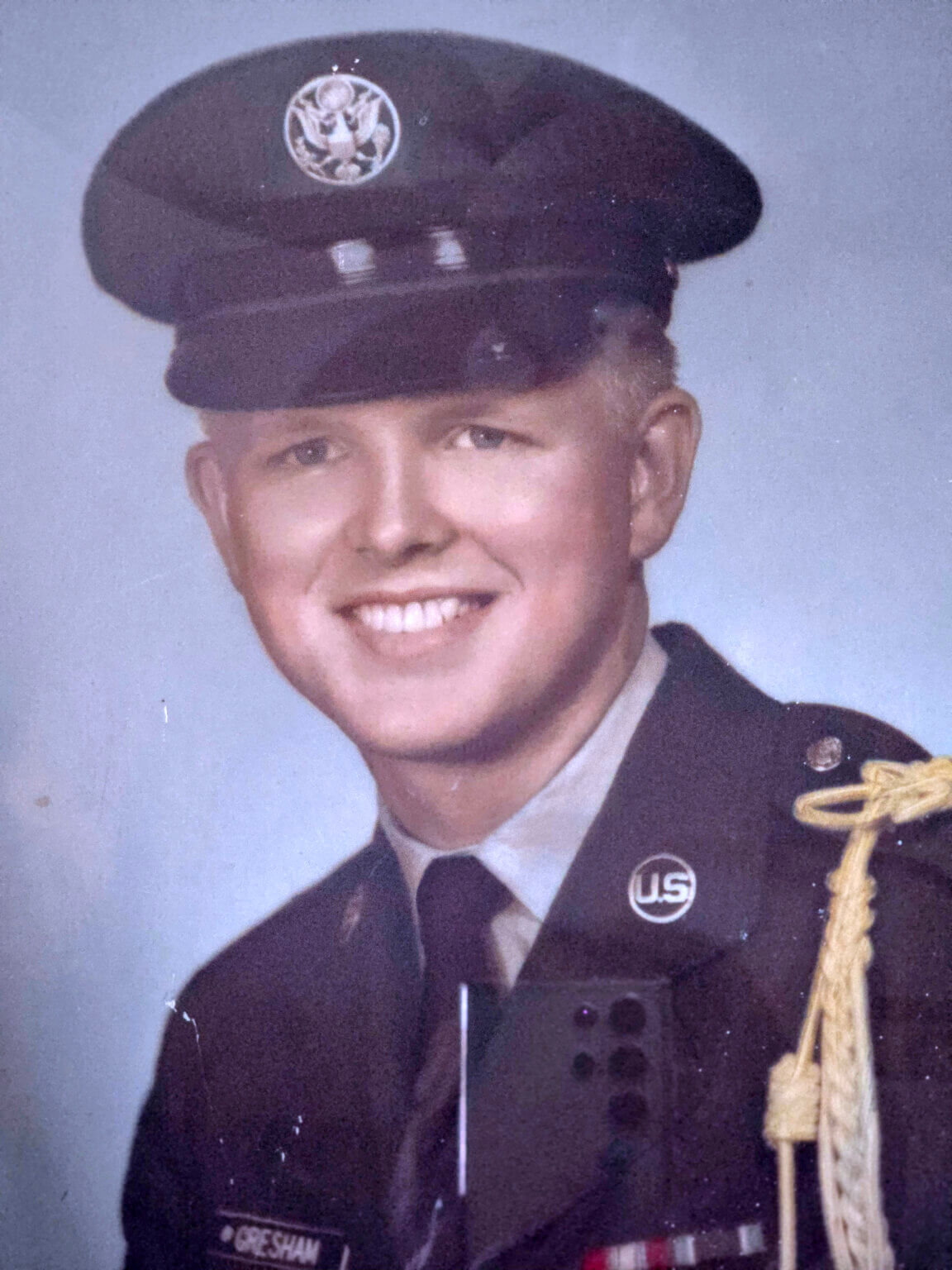
Don Gresham loved being a veteran. He was proud to serve his country, but that service exposed him to jet fuel and Agent Orange. That toxic contact would steal his health and eventually his life.
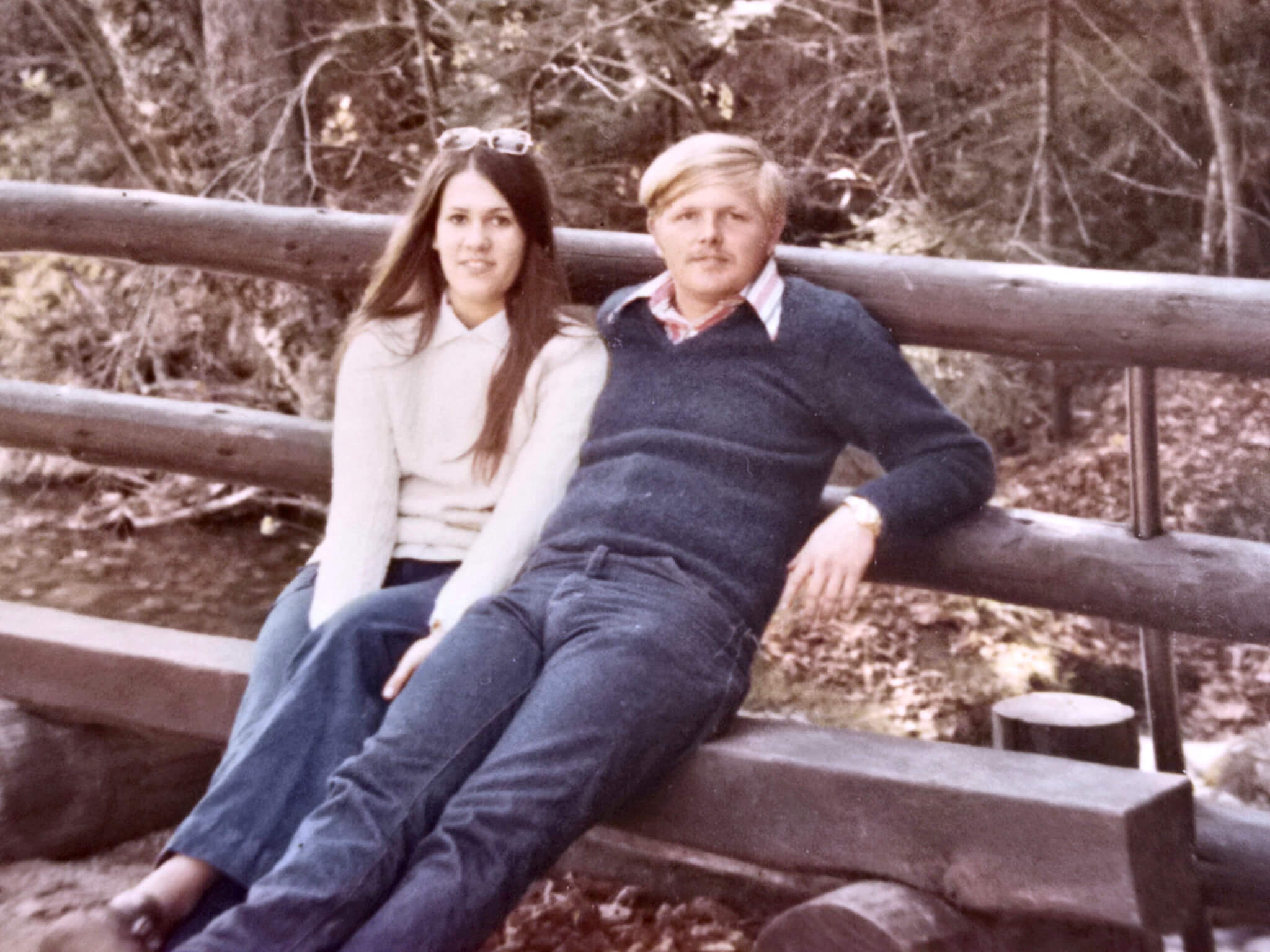
In June, more than 50 years after returning home from duty in Thailand, Don was honored by the Vietnam Veterans Memorial Fund’s In Memory program — a tribute his wife Nancy called “everything.”
“He enlisted because he believed in what he was told, and that’s how he was raised,” she said. “So it’s important, I think, for them to be honored, since they were never really welcomed home right.”
The In Memory program, established in 1993, honors Vietnam veterans who died in the line of duty. Honorees are recognized at an annual ceremony and, among other distinctions, are included on the program’s honor roll, with a personal biographical page for each veteran.
Love and service
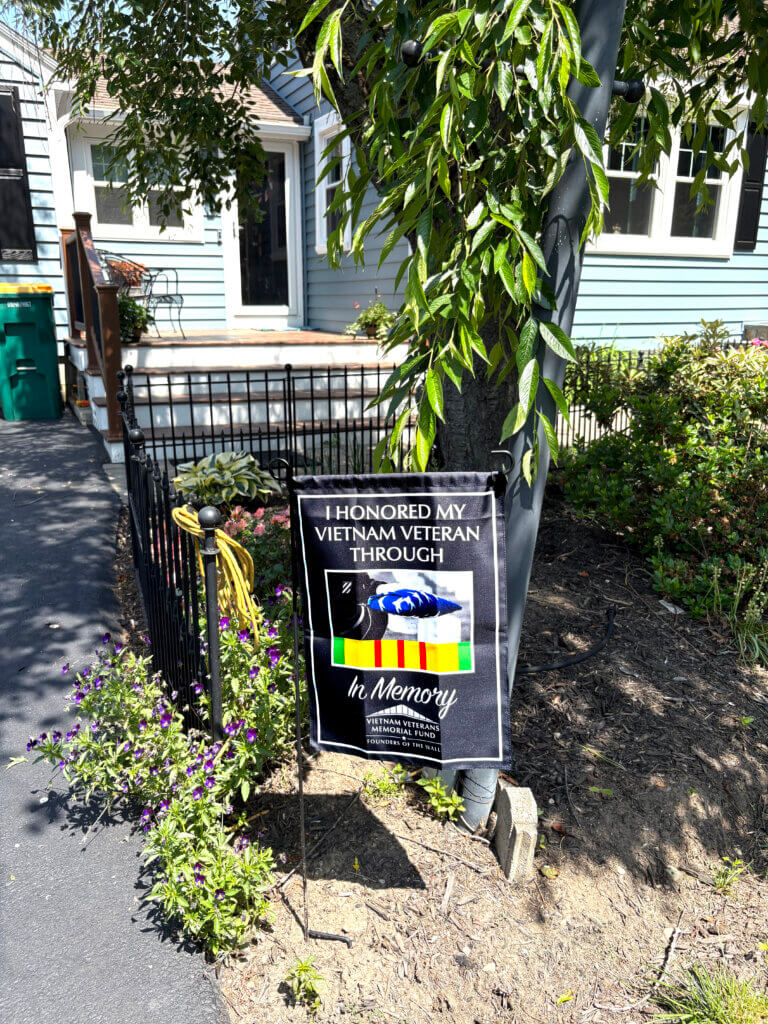
Don grew up in Rome, Georgia — 75 miles north of Atlanta, he told people — and enlisted in the Air Force in 1969. His service eventually led him to Hanscom, and one night, Nancy’s friend talked her into going to the base for a dance.
“We’re just sitting there, and then the door opens, and in comes this gorgeous-looking guy,” she said. “It was like a Hallmark movie. Our eyes met, and that was it.”
The Greshams married in 1972 and settled in Acton, on the street where Nancy had lived all her life. They had two children — a son, Greg, an Air Force senior master sergeant, and a daughter, Tracey.
Nancy said Don, proud veteran that he was, often served as the flag-bearer in town parades and was co-founder of the David R. Woodin VFW Post. He held several offices there, including post commander.
“When he was commander, we had no summer,” Nancy said. “Every single weekend, there was an event somewhere.”
The post eventually closed, partly because there were no younger veterans to take over.
“He had hoped that all of the Vietnam veterans would come in and take over from the World War II veterans and keep it going,” Nancy said.
The Greshams traveled extensively, including to Hawaii, Bermuda, and Alaska, where they were delighted to see bald eagles and bears.
Nancy loved to plan mystery trips. She would make arrangements, pack the appropriate gear, and tell Don they were leaving.
It was on these trips that she started to notice a change in her husband’s behavior, notably on a visit to Georgia, when she asked how to get to his parents’ house from the airport, and Don said, “Well, it’s south.”
“I said, ‘No, remember, you always say it’s 75 miles north of Atlanta,’” she said. “He couldn’t remember that, so we had a tough time figuring out where to go.”
After several years of testing and appointments, a psychiatric evaluation said Don’s issues were due to “jet fuel exposure, yet the VA [said], ‘No, we don’t have anything like that,’” Nancy said.
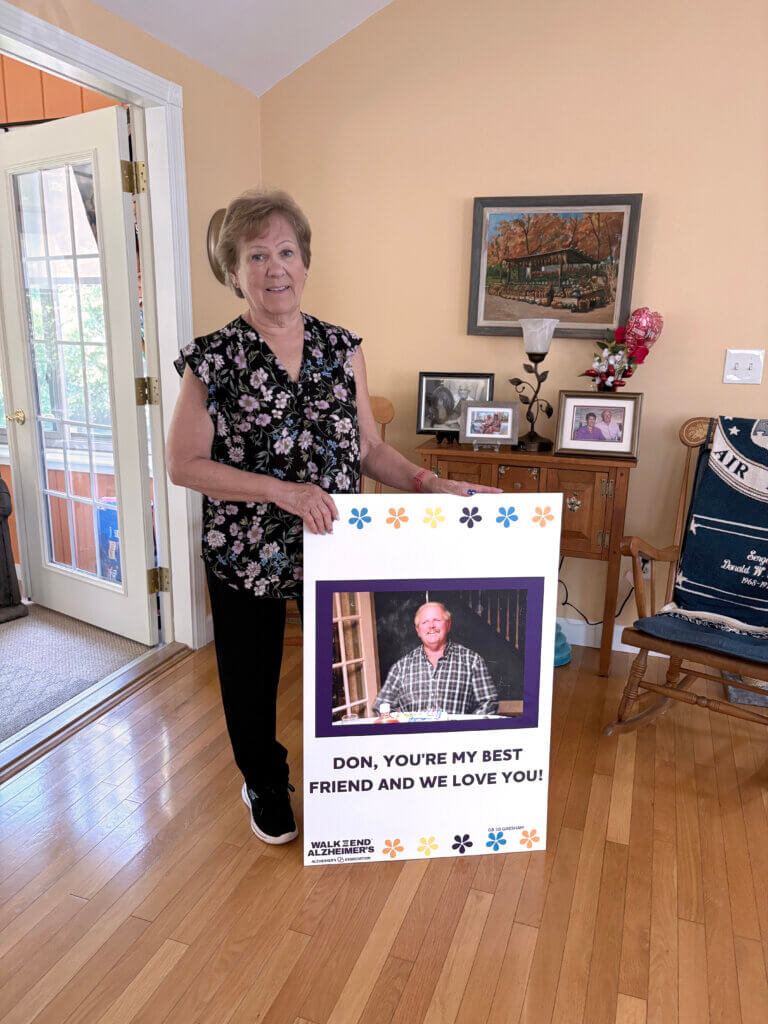
The fight for benefits
Thus began a decade-long struggle to get Don benefits.
“They had lived in hooches, and they’re screened fronts because it’s so hot,” she said. “They would just spray in the middle of the night. And where does all that spray go? Right through those screens.”
After several denials, Nancy found a veteran’s group from Thailand, and a member reached out and offered help.
“One whole summer, all I did was fill in forms,” she said.
That veteran referred her to an attorney who filed a 400-page report, and just as Nancy thought they were nearing approval, a required independent doctor’s exam almost derailed the whole process.
“He wrote up the most ridiculous report you’ve ever seen,” she recounted. “He said, ‘How do we know that Don didn’t get this way from pumping his own gas into his truck?’”
A VA doctor stepped in and refuted everything, and Don finally got his benefits, but “unfortunately, he didn’t live long enough to really get much,” Nancy said.
The VA rated Don’s medical issues as “over 500% service-connected disabled.” His primary disability was “Parkinsonism with loss of both upper and lower extremities associated with herbicide exposure” and “dementia of the Alzheimer’s type,” which led to his 2024 death.
‘Best of the bunch’
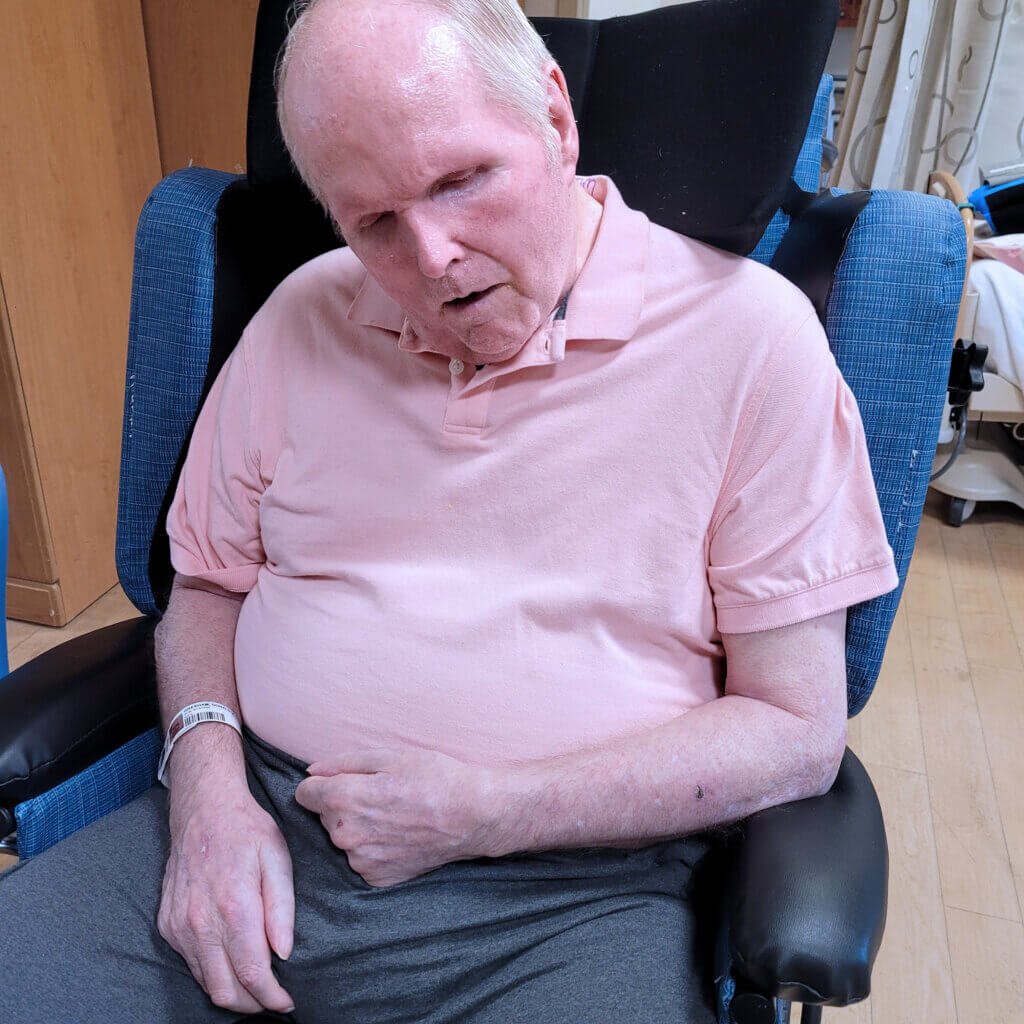
Don’s declining health and compromised memory made his world smaller. Eventually, driving was unsafe, and he couldn’t be left alone. He spent the last 12 years of his life at the Bedford Veterans Affairs Medical Center, ultimately needing a wheelchair full time.
Nancy was there almost every day.
“I never wanted him to feel abandoned,” she said.
Nancy still lives in the home she and Don made. She talks about her husband, “the funny guy” who was proud of his service and made friends wherever he went.
“I used to always tell him, ‘This is my town. You seem to know more people than I do,’” she said.
“He was the best of the bunch,” she said. “It was hard to watch him go, but [I] just knew it was time … I feel he’s at peace and he can finally stretch out his legs.”