A moving event: The Robbins House to mark 15 years since last relocation
The museum will mark the anniversary this Sunday, featuring people involved in the preservation of the historic home.
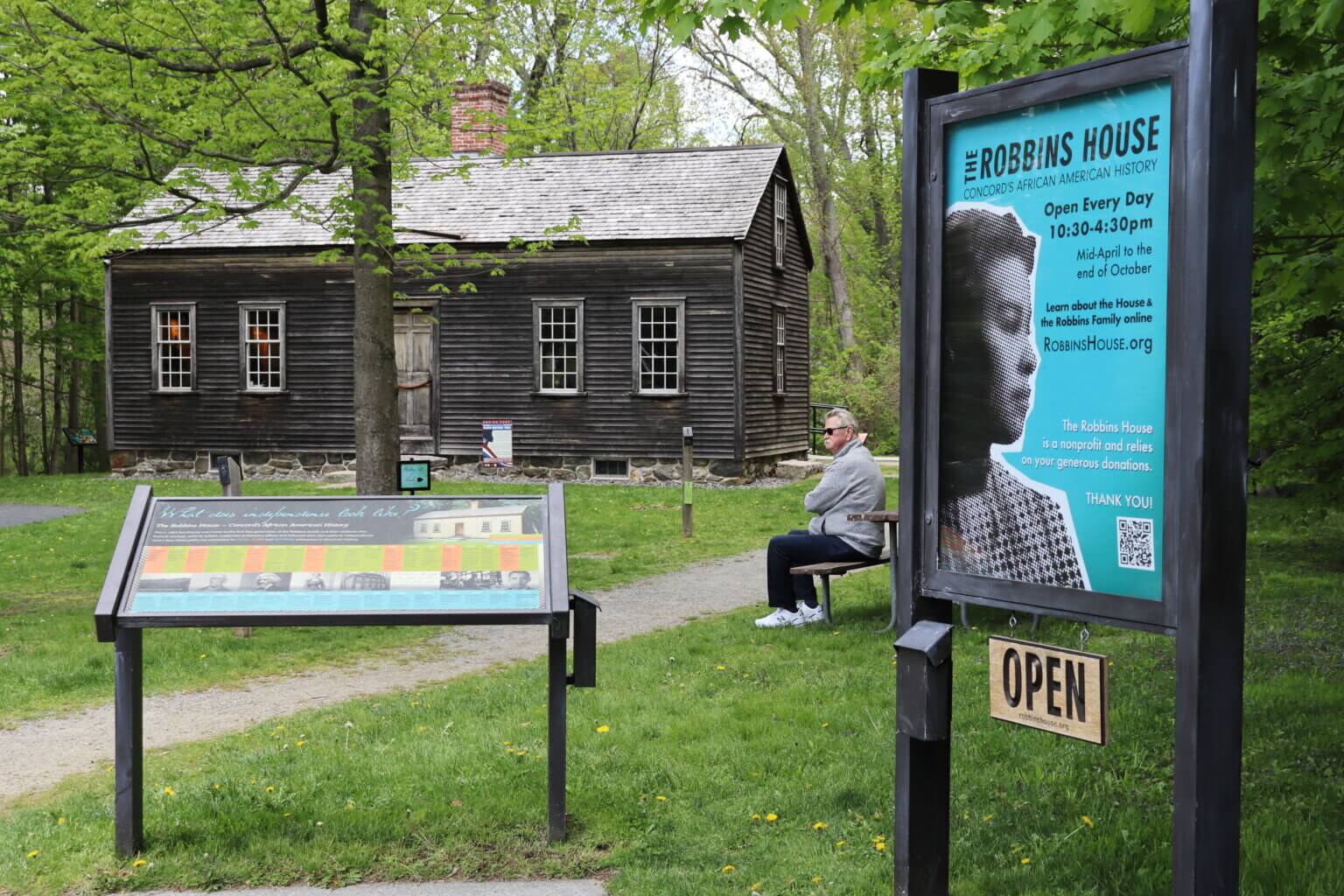
Fifteen years ago, the Robbins House inched from its Bedford Street location to its current spot on Monument Street.
Now, the museum is preparing to celebrate the move that preserved a significant piece of Acton’s Black history.
The Robbins House will mark the anniversary this Sunday, including a panel discussion featuring people involved in preserving and relocating the historic home.
“What I wanted to do was kind of celebrate the men and women who helped save the house and kind of helped to really found the museum,” said Jen Turner, executive director of The Robbins House, “but also to talk about the challenges and successes” of the historic home over the past 15 years.
The Robbins House was moved in May 2011 from Bedford Street to Monument Street after concerns that the building might be demolished to construct a new house on the property.
The home, associated with generations of Black Acton residents including Revolutionary War soldier Caesar Robbins and civil rights activist Ellen Garrison, later became the foundation for The Robbins House museum.
‘It took a village’
For Maria Madison, one of the museum’s founders, the project began after a friend noticed a sign outside the home.
“She said it looks like his house is coming up for demolition,” Madison recalled. “‘Do you guys want to save it?’”
Madison said the effort quickly grew into a townwide preservation campaign involving historians, archaeologists, builders, town officials, and volunteers.
“So let’s just say it took a village,” she said.
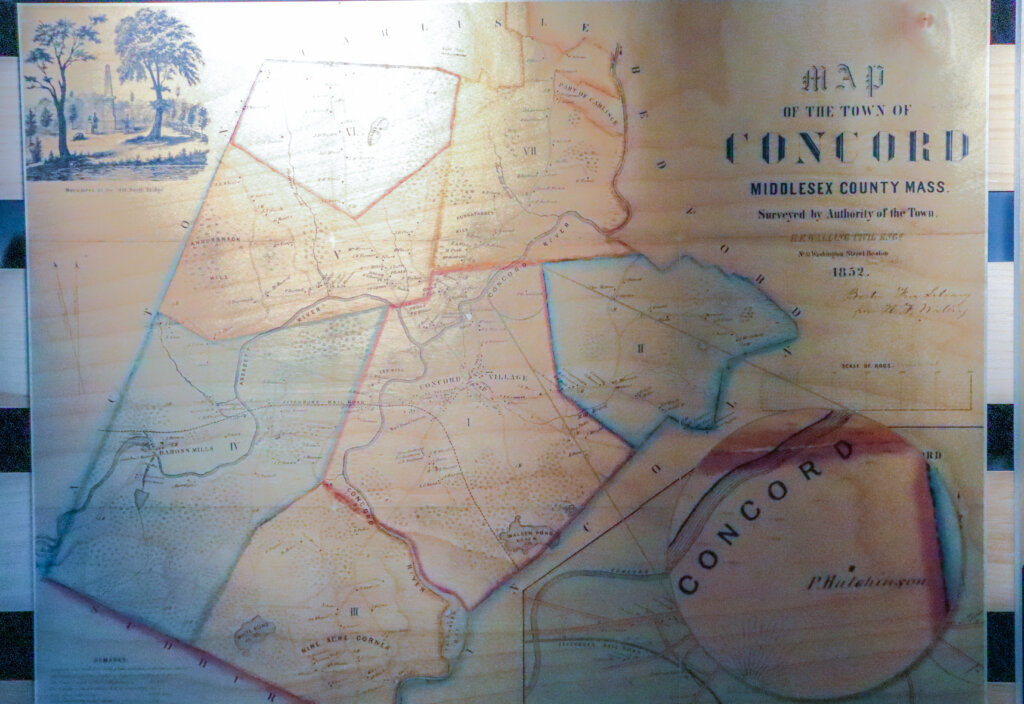
The process required nearly a year of fundraising and planning. Madison said organizers worked with the town, the National Park Service, utility companies, and preservation groups to relocate the building closer to its original site near Monument Street.
That was not the first time the house had been relocated. According to Turner, the structure was built in the Great Fields area around 1823 before being moved to Bedford Street in the 1870s.
Before the move 15 years ago, the house was stripped back to its original 544-square-foot structure. Though the house was most likely moved across ice back in 1870, according to Turner, in 2011 they loaded it onto a tractor-trailer.
The stories it told
The anniversary event will run from 11 a.m. to 2 p.m. The first portion of the program will feature a panel discussion with founders, early board members, and historians who helped uncover the house’s history. A Colonial encampment with the Acton Minute Men will follow from noon to 2 p.m.
Turner said the Minute Men were invited both to honor Caesar Robbins’ military service and because some members participated in the 2011 move itself.
Madison said the project became about more than preserving an old building. As researchers uncovered more about the families connected to the home, they realized the house offered a way to tell lesser-known stories about Acton’s past.
“Most people who come to Acton know about the Transcendentalists,” Madison said, “but they don’t know anything about the Black population that was here.”
Madison said they uncovered stories connecting the house to slavery, the Revolutionary War, Reconstruction, and early civil rights activism.
“We were able to see the richness,” she said, “and all the stories it could tell about the missing pieces to Acton’s history that people were unaware of.”
Turner said the anniversary is intended to celebrate those uncovered stories and reflect on the museum’s growth over time, but it’s more than that, too.
“Yes, we are celebrating the past,” Turner said, “but the ribbon cutting is to celebrate the next 15 years.”


