A puzzle from the past: Revisiting Daniel Chester French
Researchers at Chesterwood — French’s former home and studio, now a museum — are reexamining the sculptor’s personal life.
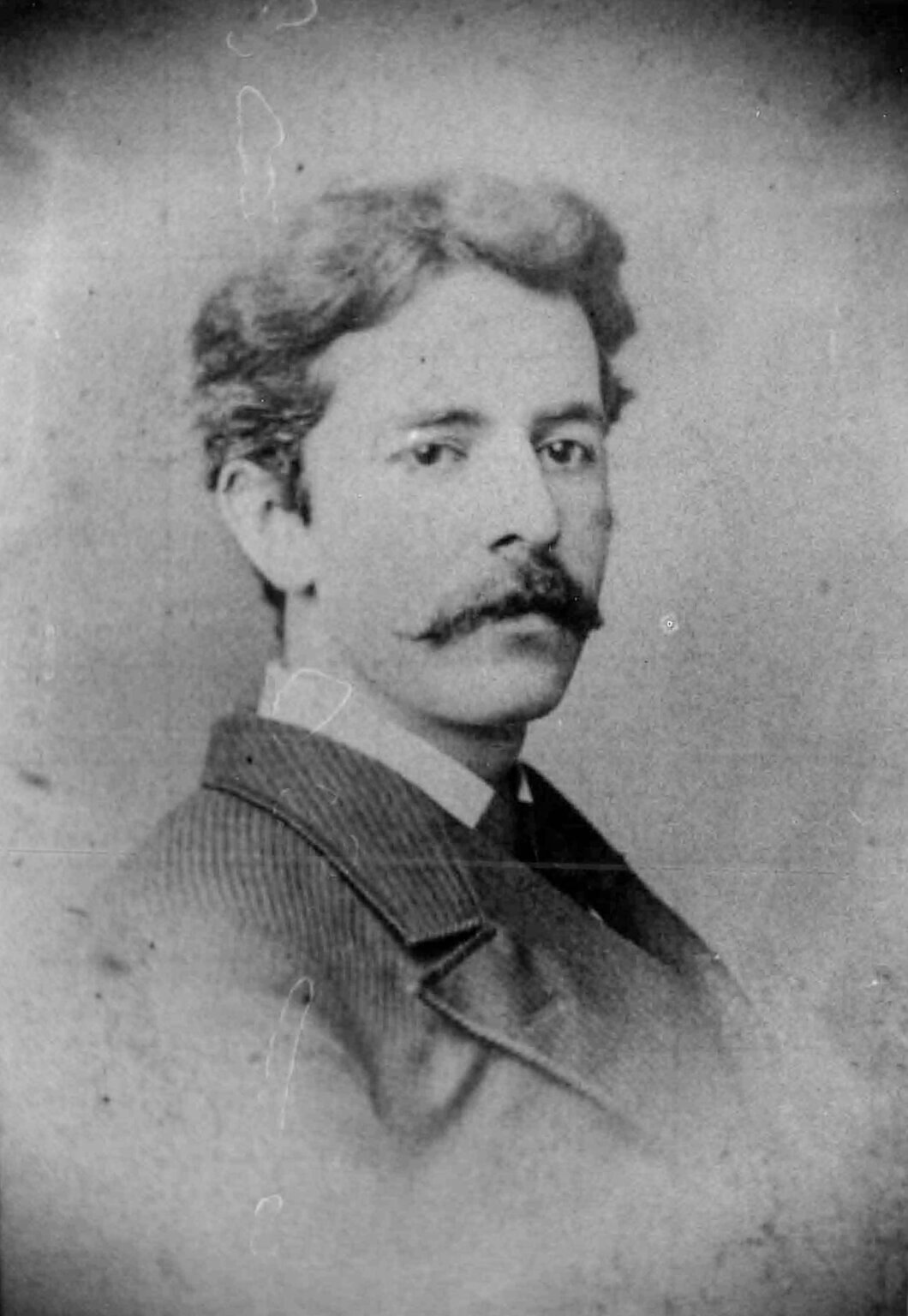
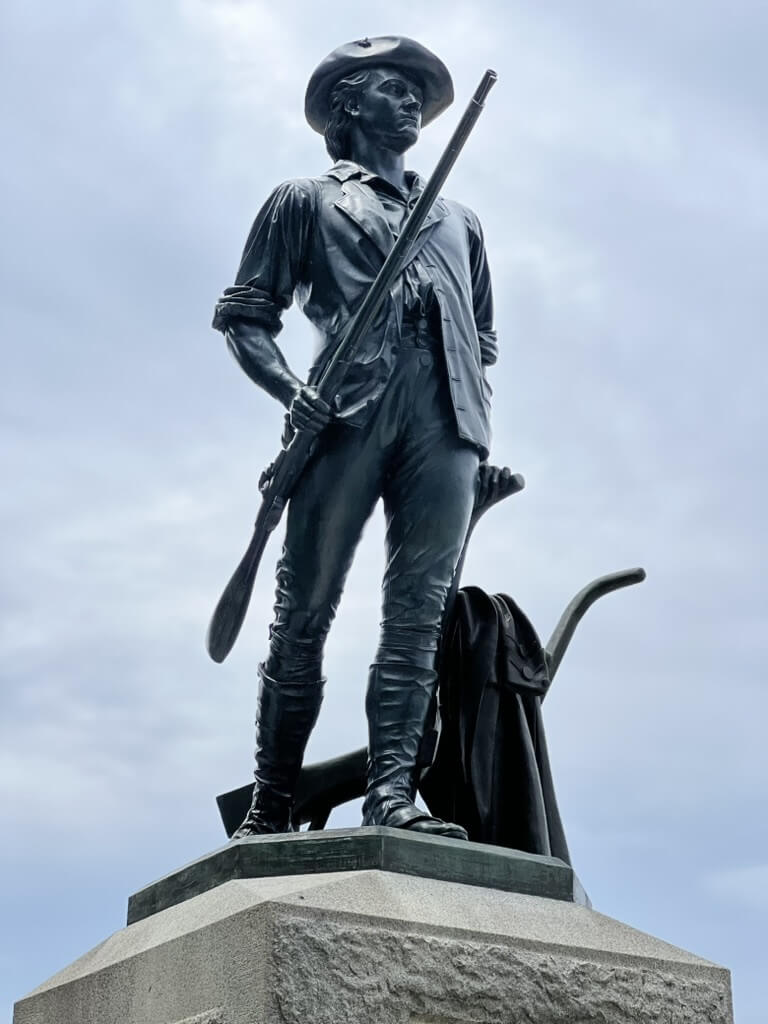
For generations, Acton residents have known Daniel Chester French as the artist who gave the town one of its most recognizable landmarks.
The sculptor arrived here as a teenager in 1867, became friends with Ralph Waldo Emerson, and developed his talents under the encouragement of May Alcott, sister of Louisa.
When Acton leaders sought a monument to commemorate the 1875 centennial of the Revolutionary War, they turned to French, one of their own. “The Minute Man” launched his career and became an iconic symbol of Acton and the American Revolution.
More than 150 years later, researchers at Chesterwood — French’s former Stockbridge home and studio, now a museum — are reexamining the sculptor’s personal life.
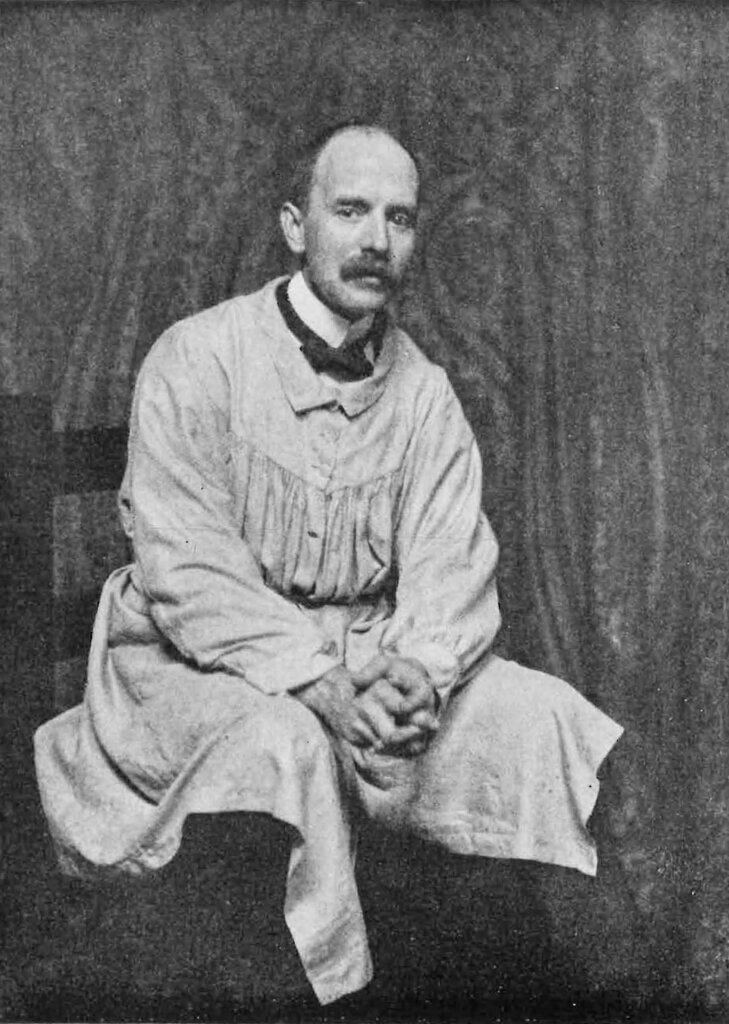
Last year, Acton Pride included a reenactor portraying the sculptor to highlight figures who may have been LGBTQ+. Pride organizer Joe Palumbo said that this year, he just couldn’t line up a French reenactor in time.
“One of the themes we had both this year and last year is that we’ve always been here,” Palumbo said. “Queer people didn’t just come into existence in 1968.”
Researchers who have studied French’s life say some of his writings suggest attractions to men, but it is not clear whether the married father should be counted among the ranks of queer artists.
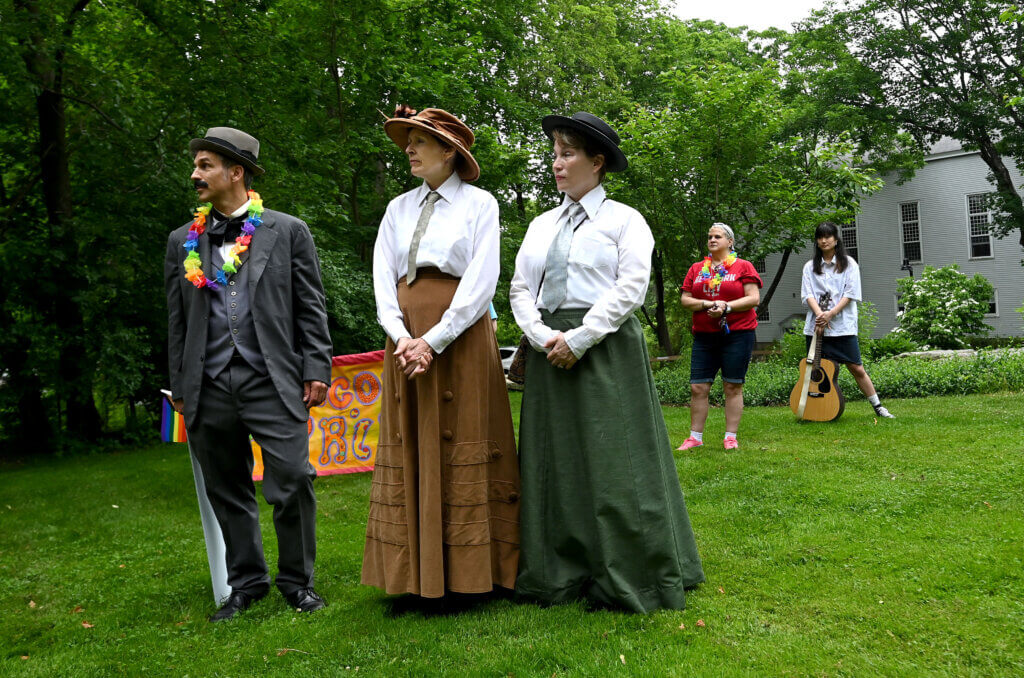
Lucas Griswold was previously senior manager for interpretation and education at Chesterwood. In October 2024, he gave a talk at The Acton Free Public Library titled “Queer Whispers in Fairyland.”
“I remember being amongst [French’s] sculptures and art at Chesterwood and thinking, ‘I should look into this a bit more,’” Griswold told The Bridge.
Dana Pilson, curatorial researcher and collections coordinator at Chesterwood, helped Griswold with his research and continues to seek more details on French’s life.
“We’re always hoping to tell the fuller story,” Pilson said. “Everyone is nuanced. No one can simply be placed in a box and said that they are this or that.”
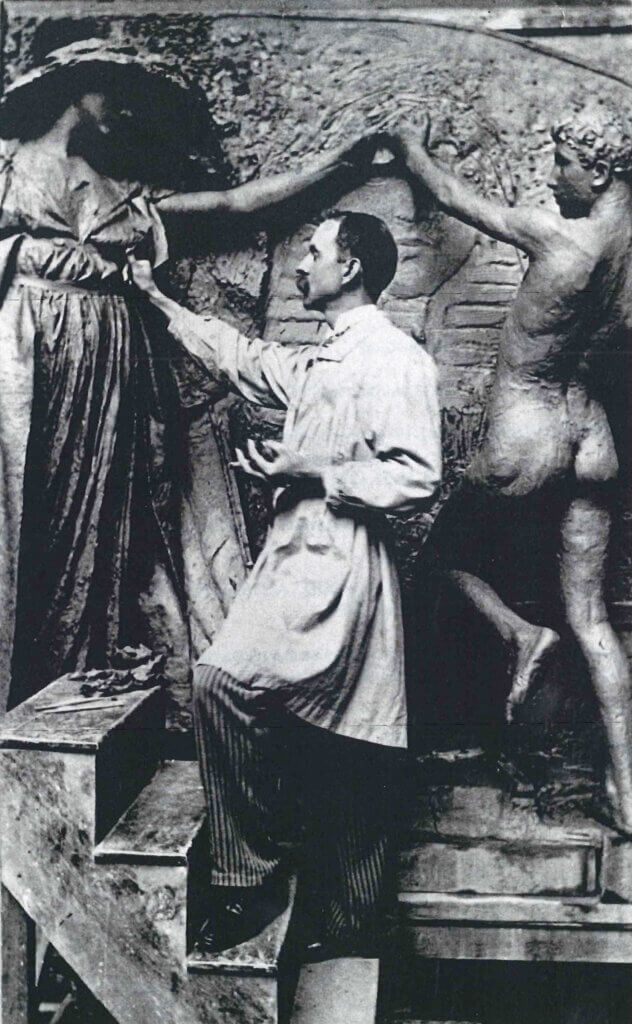
Pilson also said many of French’s letters remain unexamined.
Much of Griswold and Pilson’s work centered on French’s friendship with poet and artist Newton Mackintosh. The two men remained close for decades, and surviving letters show a deep affection and longing for one another’s company.
‘Male society’
In letters to Mackintosh, French wrote:
- In 1908, “It is melancholy to have your house shut down there and to lose the companionship that I value so much.” He added, “As you have sometimes intimated, I do feel the lack of male society at Glendale.”
- In 1917, “I would give at least a dollar-fifty if you were in New York and I could turn to you at frequent intervals for entertainment and consolation.”
- In 1923, while Mackintosh was away from Chesterwood, French wrote of “the communion which I am greatly missing,” adding, “It does not seem at all natural to have you away, and I miss my afternoon visits constantly.”
Together with other aspects of French’s life, including his interest in sculpting men and his late marriage, the correspondence has become an important part of understanding the artist.
But Pilson and Griswold warn that such expressions of affection do not, on their own, establish the nature of the relationship.
French married his cousin, Mary Adams French, in 1888, remained married until his death in 1931, and raised a daughter. It is that publicly conventional life that makes historians cautious about drawing conclusions from his private correspondence.
“I am not saying Daniel Chester French is gay,” Griswold said.
“I am saying that we should be open to examining our historical figures and finding things that may have been left behind.”
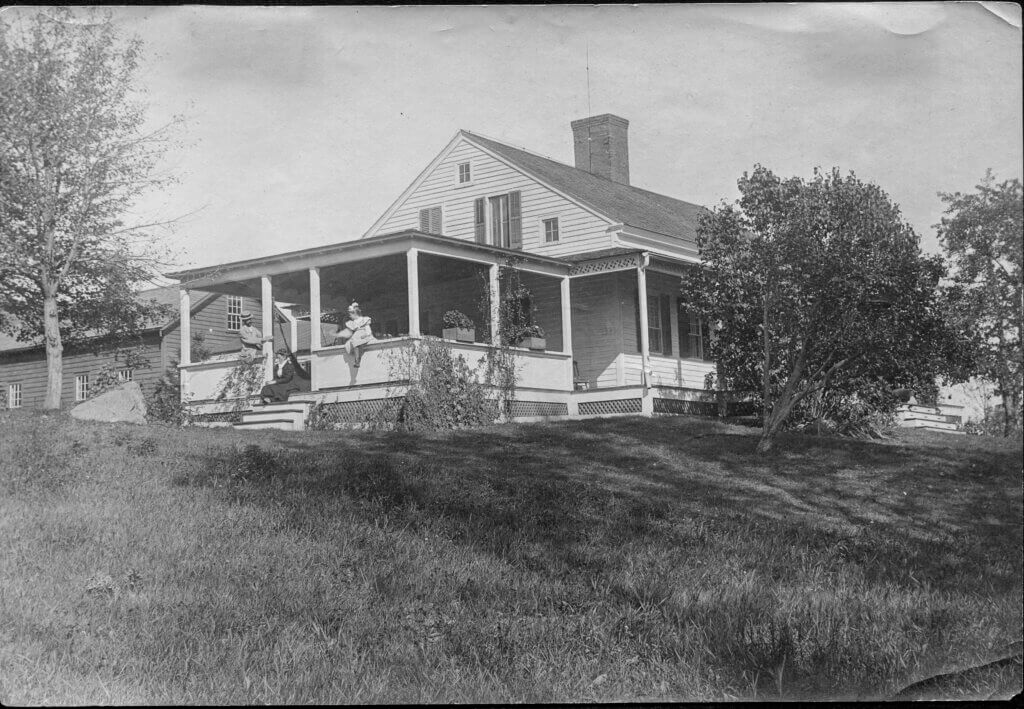
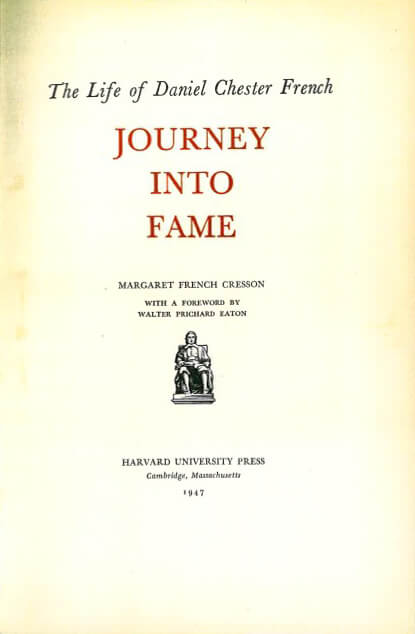
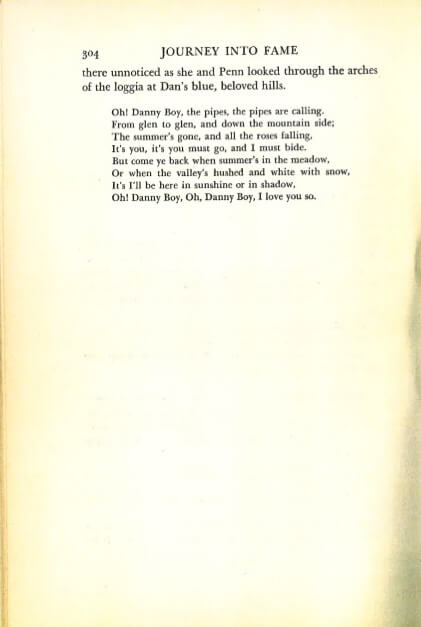
In “Journey into Fame,” a biography about French written by his daughter Margaret French Cresson, she talks about a poem that Mackintosh wanted to give to French after French’s death in 1931. Courtesy photo
Imagine the agreeable
Concordian Jodi Sperber, a self-described “fan of knowing one’s history,” attended this month’s town Pride celebration with her wife, Pippa Shulman. She said she was happy to see important people examined through a queer lens.
Sperber told The Bridge that such work can “deepen our understanding of what shaped their experiences, relationships, choices, and creative work.”
For LGBTQ+ people in particular, she said in an email, history is often incomplete because many “lived during periods when openness carried significant personal and professional risks, often requiring concealment, coded relationships, or difficult compromises.”
In 1917, French wrote to Mackintosh, saying in regard to a poem by Andrew Lang that he “always more or less thought it was better to imagine agreeable conditions than to try to attain them.”
“A large part of the pleasure of my existence has been in thinking out and imagining situations that did not transpire,” he wrote. “Certainly the joys that we imagine have none of the drawbacks of the actual events.”