Affordability, sewerage loom large in Newbury Court expansion
Deaconess representatives avoided the “affordable” moniker, but described an “attainable” housing plan.
Frank “Rich” Feeley wants retired teachers to be able to afford units at the Newbury Court senior living community.
But as not-for-profit leaders eye an expansion, Feeley says their threshold for “attainable housing” doesn’t make the grade.
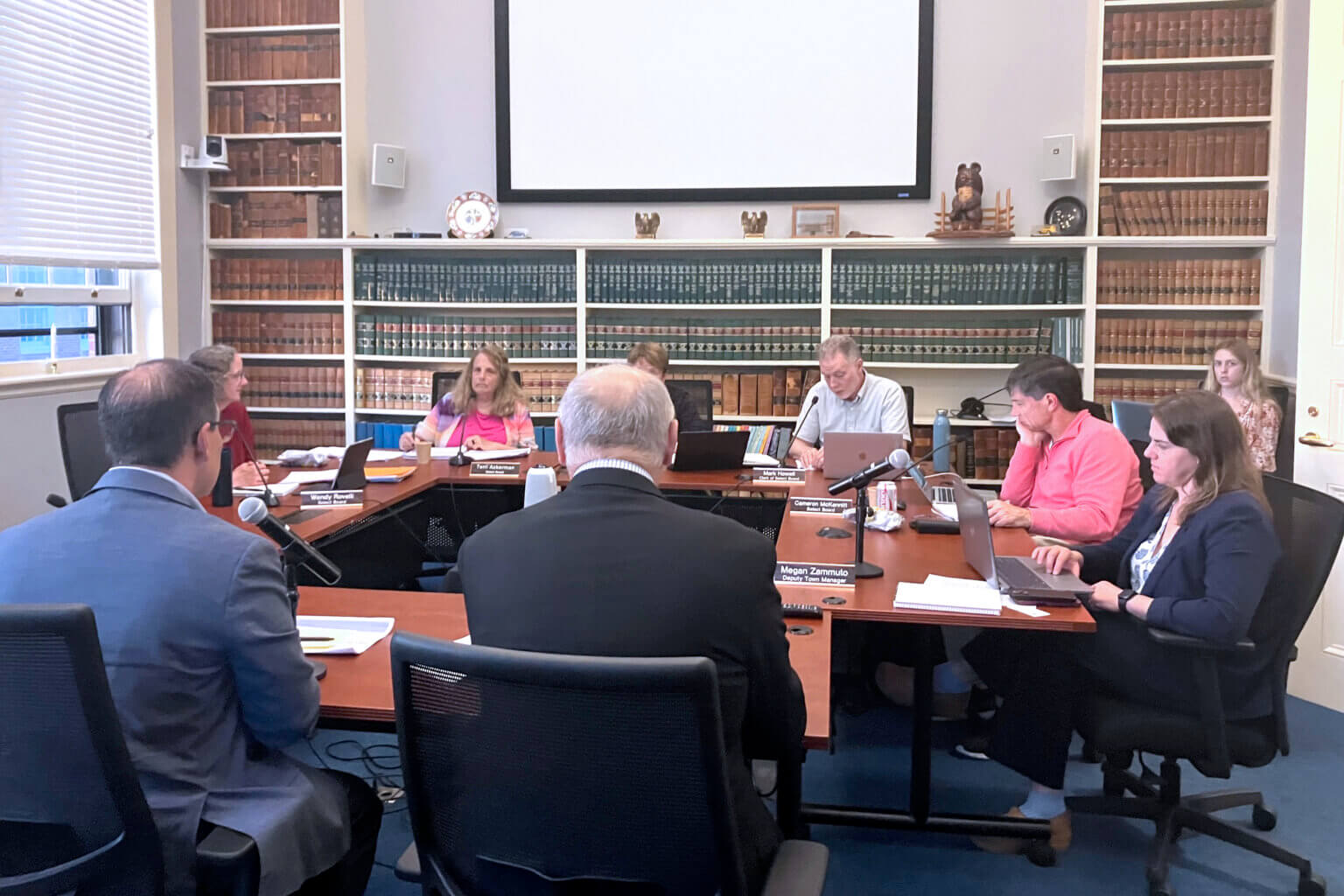
Feeley is the president of the Acton Housing Foundation. He was one of several officials calling for stronger affordability commitments during the May 12’s Select Board meeting. Stakeholders say the issues at play range from affordable senior housing to limited sewer capacity.
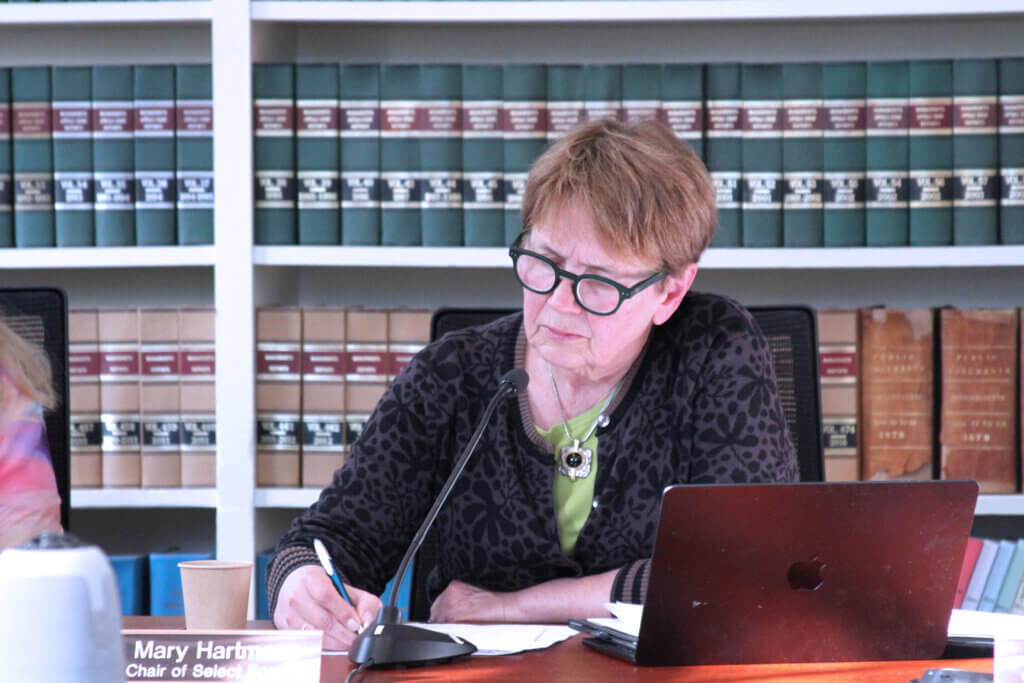
“We’ve got work to do,” said Select Board chair Mary Hartman.
Expansion plans
Newbury Court’s parent organization, New England Deaconess Association, is pushing an article at next month’s Town Meeting that would rezone recently acquired land so it can ultimately expand Newbury Court’s campus.
CEO Chris Sintros said the community has roughly 500 people on a waiting list for existing units. Rezoning could allow just under 200 additional units.
Deaconess leaders pitched the package last month. After neighbors complained, Deaconess agreed to discuss locking in promises around building locations and other issues.
Sintros and attorney Mark Bobrowski unveiled concessions at the meeting but heard lingering concerns from Old Marlboro Road resident Jim Jackson. More than a dozen other neighbors were also in the audience.
Deaconess representatives avoided the “affordable” moniker, but described an “attainable” housing plan that would reserve units for people making less than 150% of the area median income (AMI). Deaconess would also consider applicants’ assets.
In affordability discussions, Bobrowski said officials must factor in the cost of services beyond basic housing.
Sintros said Newbury Court also expects to continue philanthropic efforts that have included $14 million in charity care over the past decade.
‘We’ll get there’
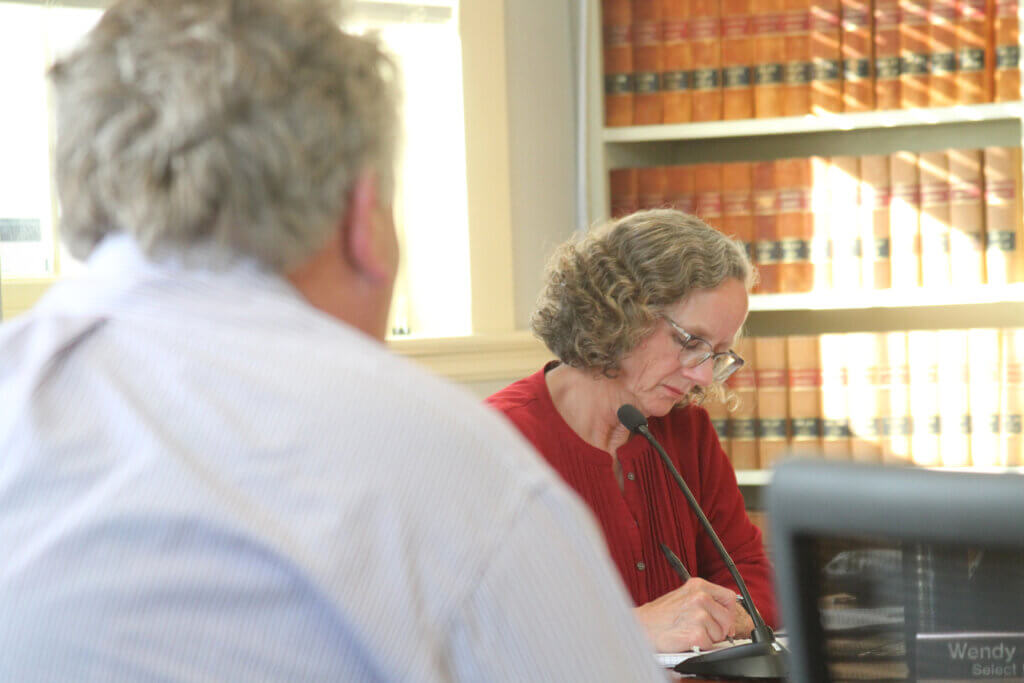
Hartman acknowledged charity care, but sought more specifics about programs for seniors who can’t manage Newbury Court’s usual bills.
Generally, getting into Newbury Court means paying an entrance fee and a monthly charge for services.
Sintros said many entrance fees are under $500,000 and some residents have modified programs without an upfront cost. But given rising costs, he said committing indefinitely to those programs is a challenge.
Feeley said he hopes Deaconess and the town can negotiate a memorandum of agreement before Town Meeting. If Deaconess doesn’t deliver concrete commitments, he said, he would be “very reluctant” to support rezoning.
Feeley pointed out that the 150% average median income includes people in their peak earning years — not retirees.
Sewerage challenges
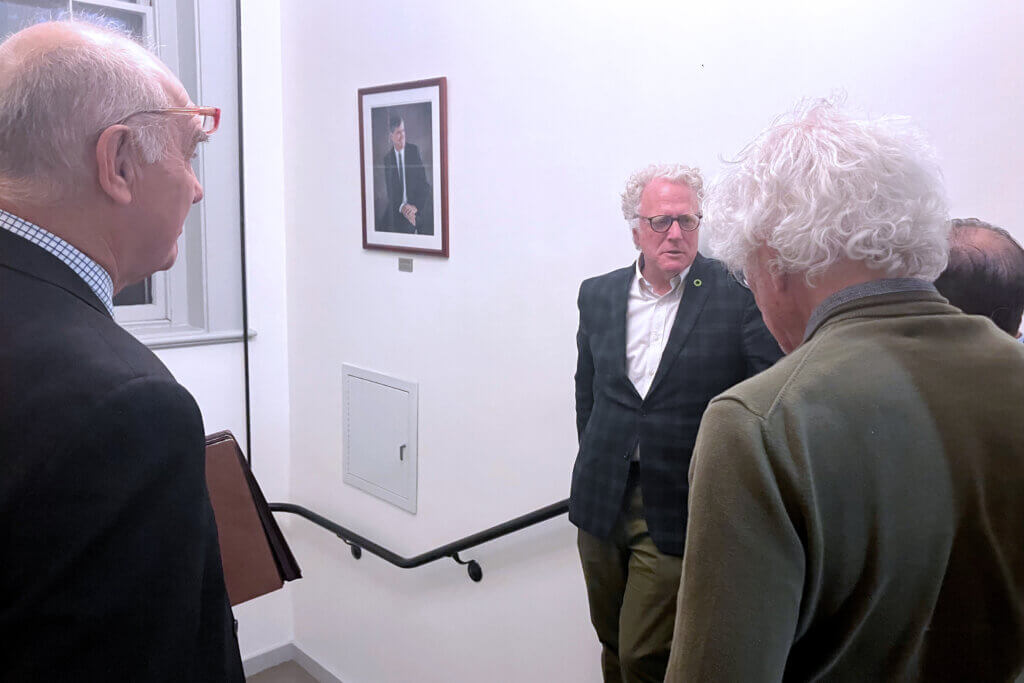
Deaconess leaders and affordable housing experts lingered in the Town House’s main hallway after the May 12 discussion. The conversation veered toward sewer capacity, which Sintros said complicates other issues.
Acton’s federal permit leaves little room for growth in the amount of wastewater it processes. (The same issue has prompted last-minute questions about the proposed amenities building at Acton-Carlisle High School.)
Sintros said Deaconess would hope to connect new buildings to the town’s system, though that might not be an option. Speaking with The Acton Bridge, he said building on-site wastewater treatment could cost $3 to $4 million, plus annual operating expenses.
More housing
Among other concerns, Municipal Affordable Housing Trust chair Keith Bergman said older residents need options to downsize. Bergman said officials want to boost — from 7.21% to 10% — Acton’s rate of deed-restricted units for all ages.
Including recently permitted developments, the town has 517 units restricted to some level of affordability between 50% and 150% AMI. Bergman said Acton needs roughly 200 more to meet the 10% goal.
As they chase 10%, Bergman said officials could review which types of residences the town needs, such as affordable family apartments or senior units.
Bergman applauded the Deaconess negotiations and noted development opportunities around town. But he said no single project will solve Acton’s affordable housing crunch for seniors or anyone else.
‘Many outstanding issues’
The Select Board met in executive session to discuss the Deaconess talks, but in the regular meeting, Hartman said there were “many outstanding issues.”
Hartman said the board will recommend a “yes” vote on rezoning if it finishes an agreement with Deaconess. If they can’t agree, she said in an email, “Deaconess will need to decide how (whether) to move forward.”
Sintros said last week his side was hopeful and appreciates a sense of goodwill so far. He said he would “rather not consider a hypothetical at this point.”


