After sudden loss, experts say, connections matter
“We all sometimes need to be cared for.”
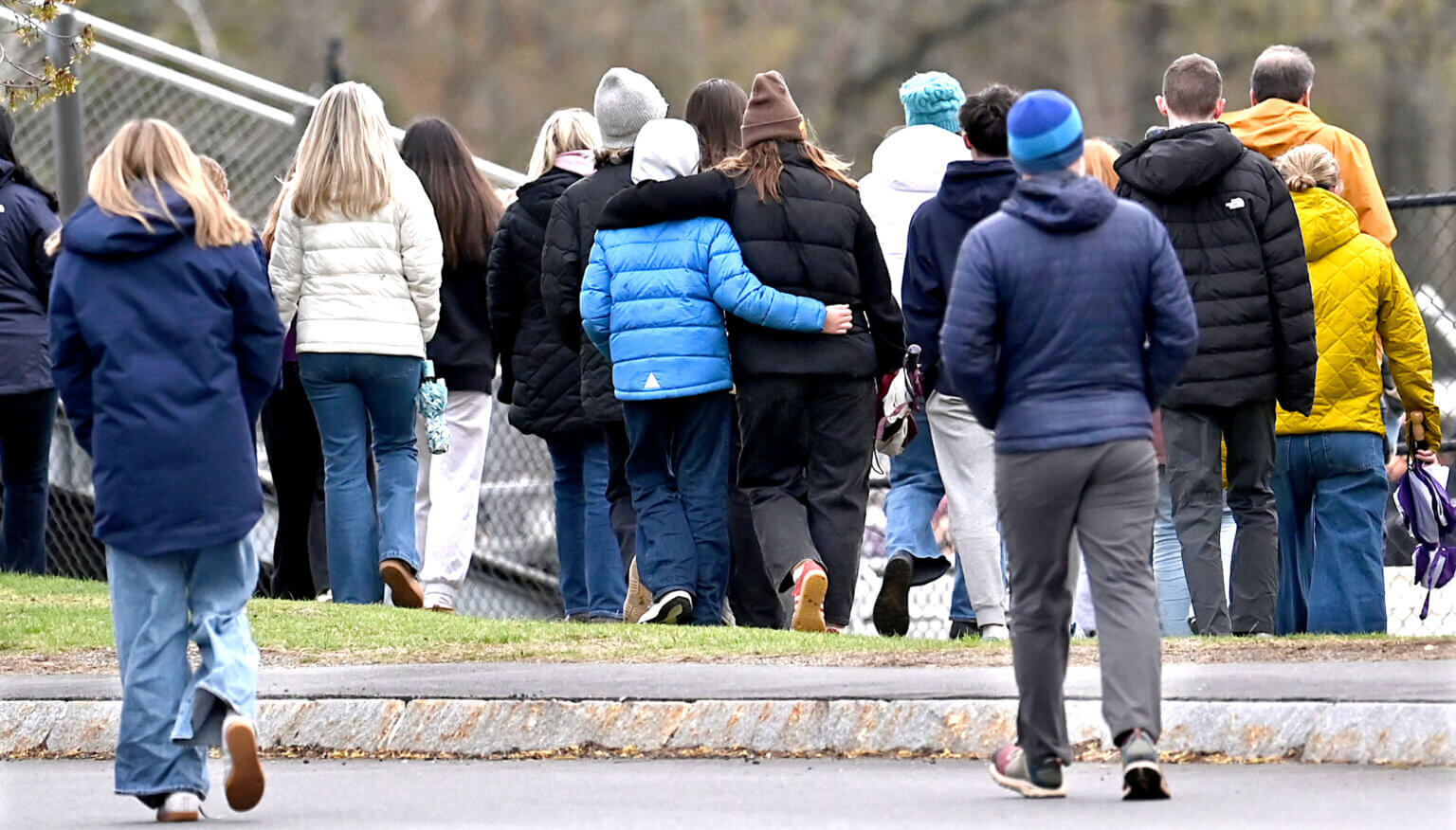
As tragedy sent Concordians reeling, school officials and others set to work to help ease the community’s pain.
Acton-Carlisle High School remained open during last week’s spring break to offer students grief counseling after the Florida crash that ended the lives of three members of the senior class.
Grief, though, doesn’t manifest in a single way, nor do the ways people cope with it, experts say.
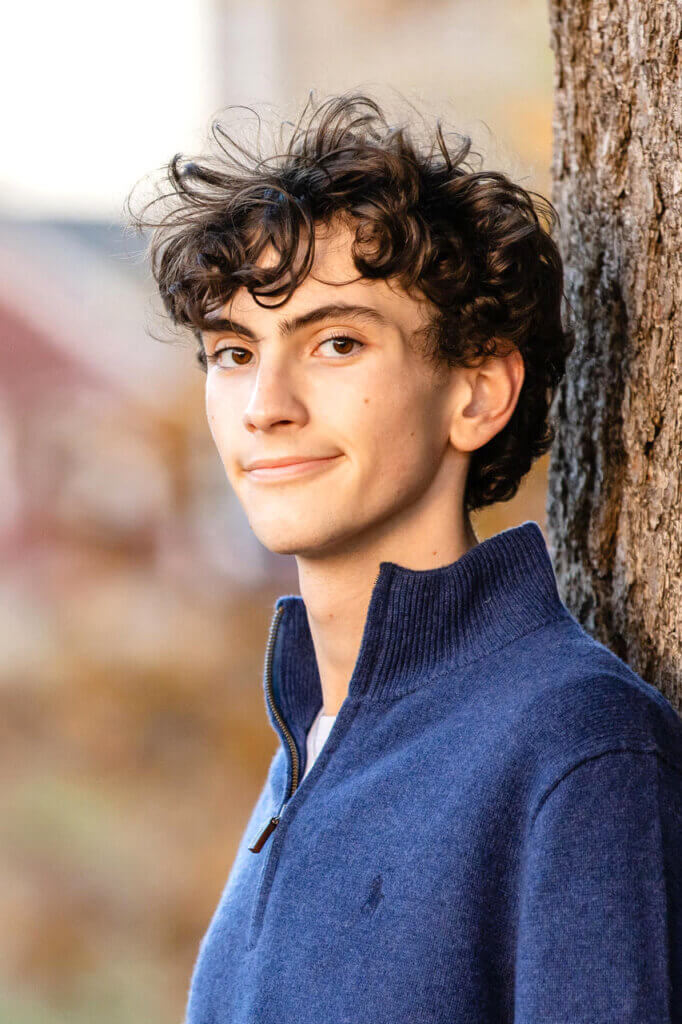
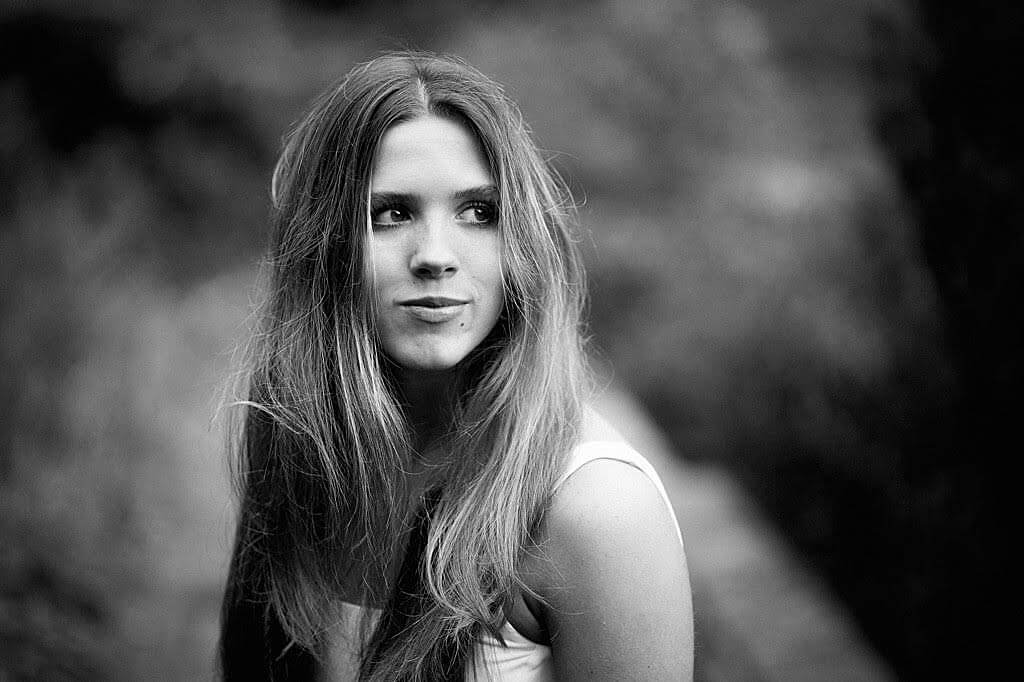
The CCHS community and the towns of Acton and Carlisle have been working to process the deaths of seniors Jimmy McIntosh, Maisey O’Donnell, and Hannah Wasserman. A fourth student was still recovering from serious injuries.

People often pause and give grieving families and friends space and time, but psychologists say that overlooks two essentials for emotional healing: normalcy and connection.
“In the aftermath of a sudden death, especially that of a student, a school community can feel deeply destabilized,” said Kim Martin, a licensed therapist who is executive director of Riverside Trauma Center, which has provided counseling services to the district.
The district has tried to add stability by maintaining a normal schedule for students at the high, middle, and elementary schools — balanced with extra counseling, a webinar for parents, and other support.
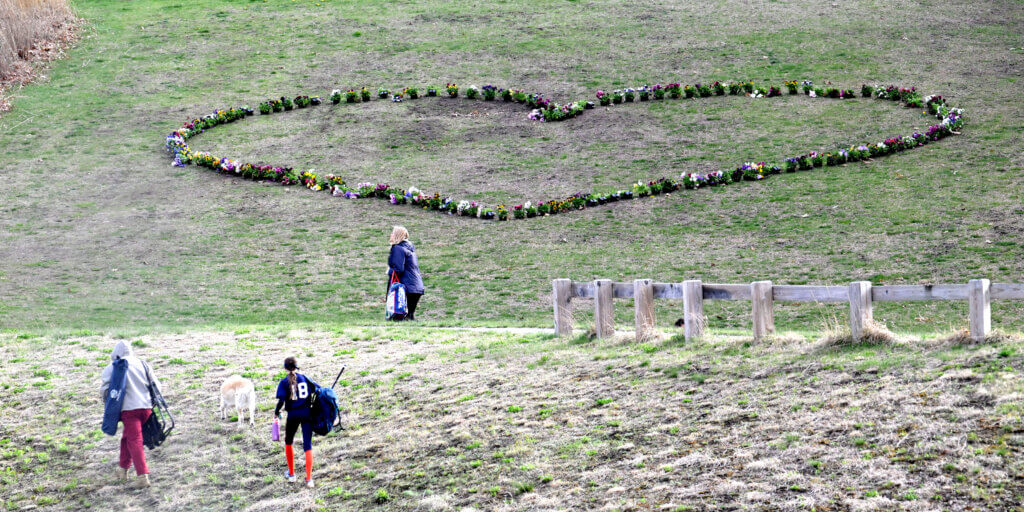
The entire community gathered at Memorial Field on Sunday to remember the late students, but other activities, such as sports programs, are generally not being called off.
How families cope
Susan Shaw of Carlisle posted an image of a figure gazing at a starry sky on Instagram on April 22 when she learned about the crash. Her post was shared by many students who knew those in the accident, and garnered thousands of likes.
Shaw launched the non-profit William’s Be Yourself Challenge after her 9-year-old son died in a 2019 skiing accident. What began as an effort to support William’s classmates and friends has grown into an organization that helps parents cope with the death of a child.
“We all sometimes need to be cared for,” Shaw said.
While kids who knew McIntosh, O’Donnell, and Wasserman grieve, their families are mourning, too. Shaw said there’s a tendency to avoid upsetting the family by not bringing up a child’s death — but she said she herself wanted those conversations. She said some of the best support she got after her son’s accident were memories.
“In my experience, one of the biggest fears of bereaved parents is that their child will be forgotten,” Shaw said. “To know that somebody else is remembering them, saying their name, and sharing memories is so important.”

‘Together with compassion’
Psychologist Katharine Esty writes in a Acton Bridge column that to help ourselves grieve, “We tell stories about the person or people who have passed and are able to laugh and be grateful for the time we have had with them. Their lives had meaning.”
Martin encouraged talking as well. She said that, while everyone grieves differently, “no one should have to go through it alone.”
“The most important thing right now,” she said, “is that the community comes together with compassion, keeps checking in on one another, and makes space for both silence and support.”


