At CCHS, drinking ‘concerning’; LGBTQ+ students struggle more with stress
Results also addressed changes in student well-being and efforts to address gaps in access to advanced courses.
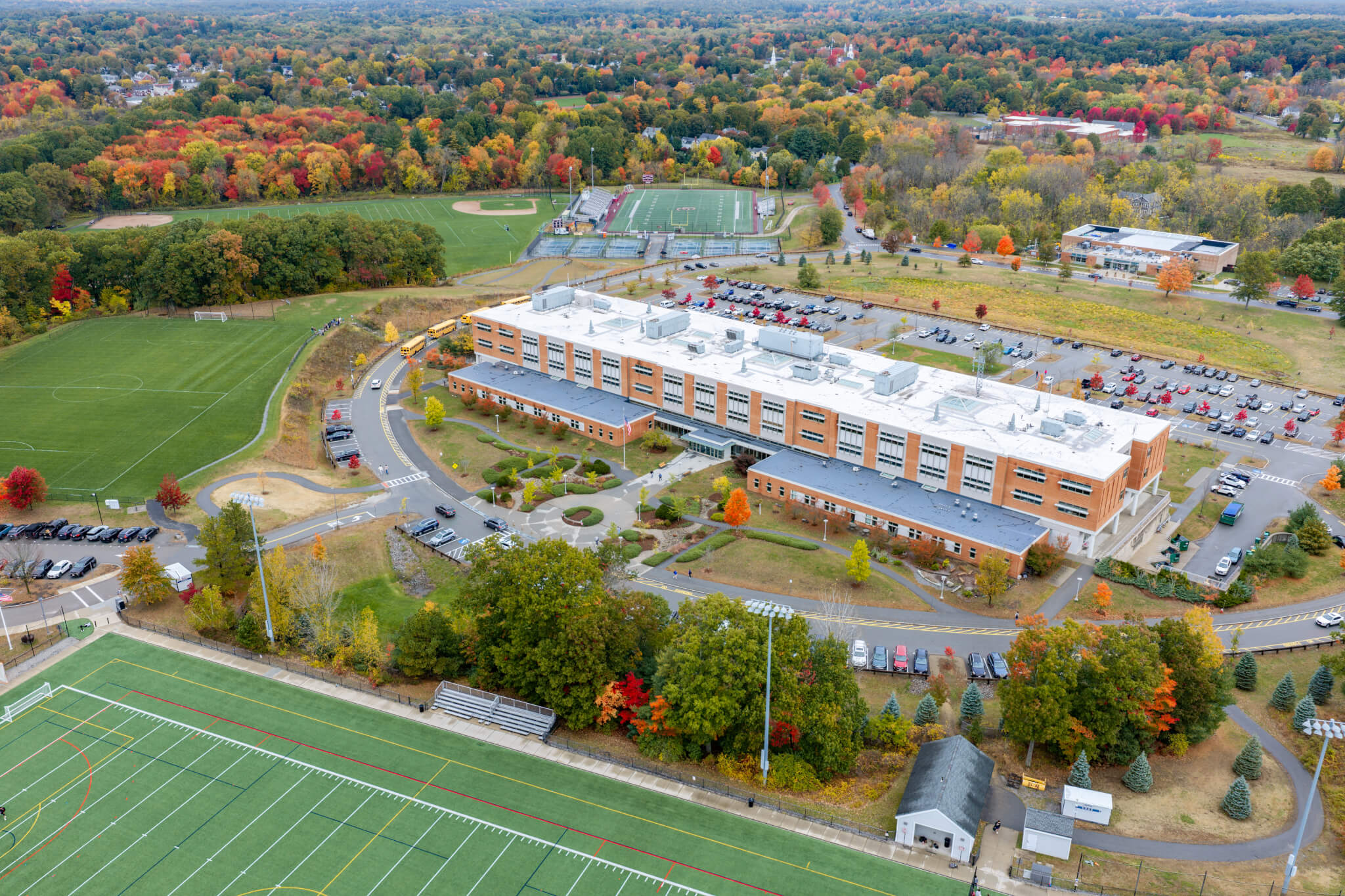
Even as overall alcohol use declines among Acton-Carlisle High School students, binge drinking remains an issue, according to new survey results.
Alison Nowicki, the school’s guidance and counseling department chair, called the findings “concerning” while discussing the biannual Youth Risk Behavior Survey at the School Committee’s October 7 meeting.
About 14% of CCHS students who took the survey reported using alcohol in the previous 30 days, compared with 6% across the surrounding districts participating in the survey, she said.
Of the surveyed CCHS students who said they drank alcohol, 40% said they’d had five or more drinks within a two-hour period in the previous 30 days. That was up from 30% in 2024.
“It is a total departure from national trends,” CCHS Parent Teacher Group President Alexa Anderson told The Acton Bridge. “The national trend line indicates decreasing alcohol use, so I don’t know precisely what makes Acton an outlier on this.”
The district declined to provide specific numbers about drinkers and binge drinkers, citing students’ privacy.
In all, district spokesperson Tom Lucey said, 688 students participated in the voluntary survey — roughly 60% of CCHS’ total 2026 enrollment of 1,148 (per state statistics).
The survey also found marked differences between LGBTQIA+ students and the general student population in reported anxiety, difficulty handling stress, and depression.
The Youth Risk Behavior Survey is conducted every two years in coordination with Emerson Health and neighboring school districts.
It asks students in sixth, eighth, and ninth through 12th grades about topics including mental health, substance use, and school experiences. The anonymous results are used to track trends.
School officials also presented results showing changes in student well-being and efforts to address gaps in access to advanced academic courses.
LGBTQ+ areas of concern
According to the data, 50% of LGBTQIA+ students surveyed reported anxiety, compared with 19% of students overall. Asked about handling stress, 58% reported having difficulty, compared with 27% of students overall, and 44% reported depression, compared with 14% overall.
“I just don’t see the community advocacy for this population the way we see it for other groups,” Anderson said, “and it’s heartbreaking.”
The LGBTQ+ figures reflect the broader group of participating districts rather than CCHS students alone, because that’s how Emerson Health distributes the data, Nowicki said.
“I think it’s such a small number that they keep them in an aggregate form, but across the board, our LGBTQIA+ students continue to show higher levels than the aggregate of any other subgroup,” Nowicki said at the School Committee meeting.
Anderson said the LGBTQ+ students she interacts with seem to have a great sense of belonging in the school, but “the actual survey results demonstrate to me that there’s a whole other population” of LGBTQ+ students that even someone like her, who’s very active at CCHS, might miss.
“If I’m not seeing those kids, it’s no wonder that others aren’t either,” she said.
LGBTQ+ students also stood out in the last YRBS for higher rates of depression.
Signs of improvement
The broader survey showed positive changes, too.
- Some 94% of CCHS students who took the survey reported having a trusted adult at school, while 98% said they had a trusted adult outside school.
- Bullying fell, with 5% of students reporting they were bullied this year compared with 10% in 2024.
- The percentage of students who reported vaping in the past 30 days also declined, to 3% from 6%.
- Reports of self-harm and suicidal ideation also declined, according to the survey.
- Students reported less marijuana use and sexual harassment, less social media use, and more sleep.
The October 7 presentation also tracked efforts to address disparities in academic achievement and access to advanced coursework, particularly for Black and low-income students.
A review of school data in 2023-24 found that Black and low-income students were less likely than their peers to take advanced courses, even when their grades were similar. Since then, school officials have focused on closing those gaps.
“We do think that every student should have the opportunity to take any AP classes that they want,” CCHS co-Principal Brian Miller said at the meeting. “It shouldn’t be determined by the color of your skin or the size of your house.”
All departments had a slight increase in Black student enrollment in honors programs this year.
A sharper focus
The survey presentation comes as the School Committee begins a more structured effort to review school climate, belonging, and student well-being.
The committee’s Climate and Culture Working Group recommended that members examine student data three times during the school year, including Youth Risk Behavior Survey results, Panorama survey findings, academic data, and trends in bias and hate reporting.
CCHS also plans to survey students and staff in November through its work with Challenge Success, an initiative focused on student well-being and school culture.
Anderson said that although challenges exist, “We’ve come a long way.”
“We all began speaking the same language and were aligned on the mission, and you can see those accomplishments in the data.”
Editor’s note: This story has been updated from the October 16 print version to clarify the interpretation of data points regarding student alcohol consumption.


