Autonomous flight firm eyes vacant hangar as Hanscom project evolves
Boston-based Merlin Labs is trying to develop a non-human pilot that can fly a variety of craft.
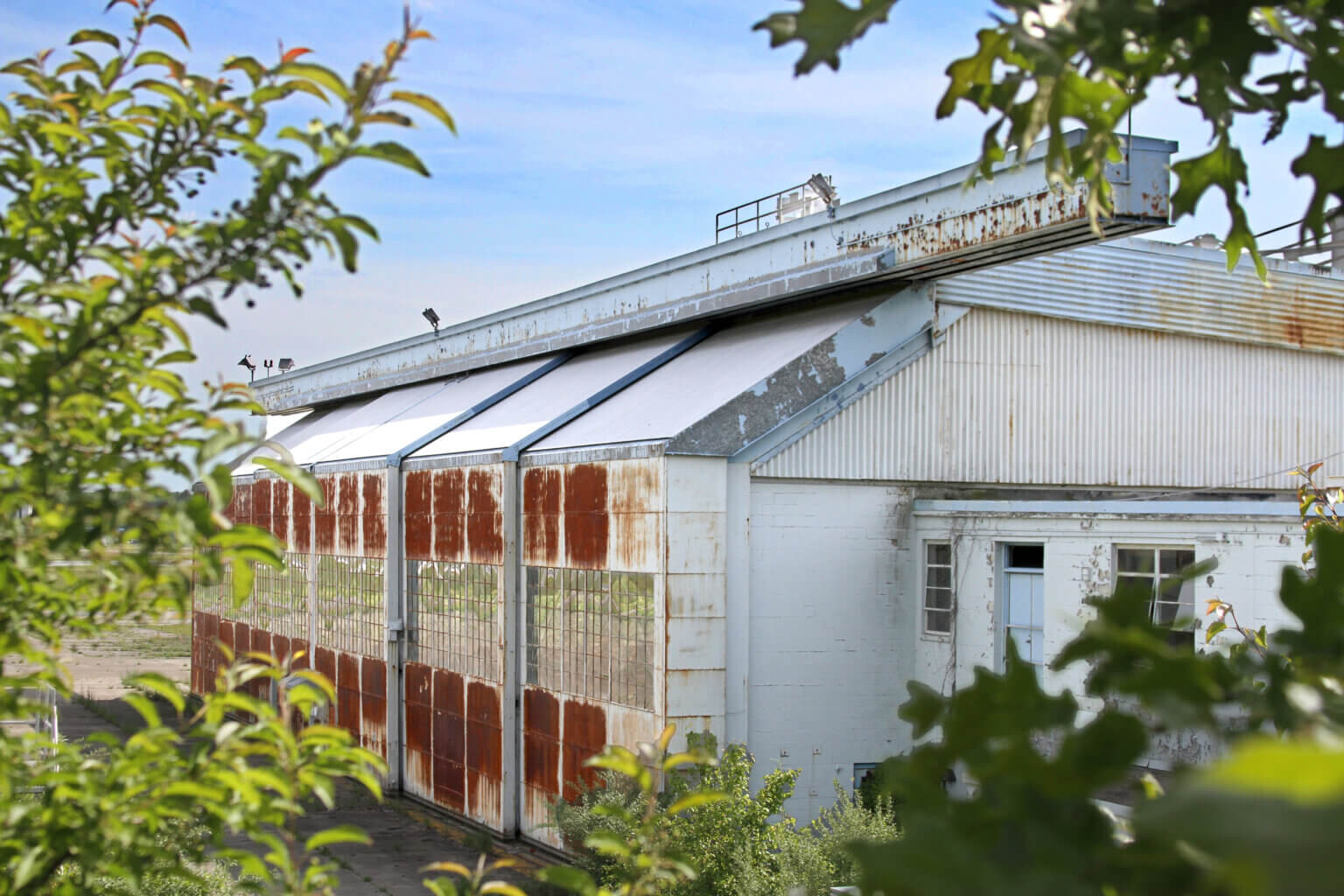
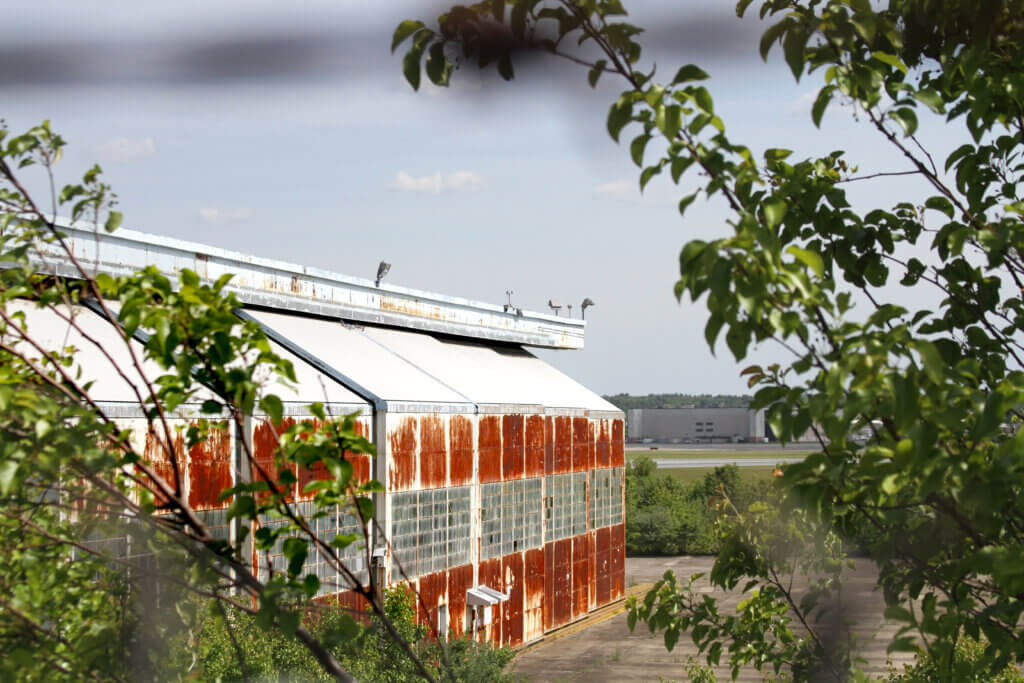
A long-vacant Hanscom Field hangar could rumble to life if an autonomous flight company makes good on its hope to lease the facility.
The hangar’s owners hope to welcome Boston-based Merlin Labs next year.
While developers tout perks, others flag climate and noise concerns. One advocate says the news feels like a distraction from larger expansion plans. And outgoing Select Board member Terri Ackerman is waiting for Merlin’s answers to some big questions.
“We don’t have all the information yet,” she said.
Runway Realty director of operations Rick Muse confirmed lease negotiations in a recent presentation to local officials.
A Merlin spokesperson declined to comment to The Acton Bridge. But Muse said the company could bring more than 100 jobs to the area.
Merlin, according to its website, is trying to develop a non-human pilot that can fly a variety of craft. At Hanscom, Runway Realty spokesperson Andy Paven said, Merlin plans to use two smaller Cessnas for test flights.
Muse said Merlin would occupy 75% to 80% of a roughly 87,000-square-foot former Navy hangar with office, lab, and testing operations.
Runway Realty Ventures and North Airfield Ventures included the structure in original and revised plans to boost Hanscom’s hangar capacity.
Muse said they’re still pursuing plans for more than 400,000 square feet of new hangar space. But they’re pulling the existing Navy site into a separate project to have it ready on a faster timeline.
Autonomous planes
Climate advocates and local leaders have bemoaned Hanscom plans, saying they could lead to a spike in jet traffic.
Muse said Merlin would fly one or two flights per day, generally between 9 a.m. and 5 p.m. The flights would be shorter than some trips by larger corporate jets. Merlin planes won’t fly over congested areas and will have a pilot aboard, according to Muse.
Muse said developers were in talks with another research and development company as of late May to rent additional space at the refurbished Navy hangar. The company doesn’t expect to add flights.
An organ transplant outfit with roughly one flight per day is eyeing space as well.
Ackerman probed Muse’s flight path promises during a May 28 Hanscom Area Towns Committee (HATS) meeting. In an interview, she noted a pattern of developers deferring to Merlin representatives who aren’t present at meetings. She’s looking forward to a public session with Merlin once the developers submit a formal notice of project change.
A wildlife photographer, Ackerman asked whether “non-congested” meant new planes could be routed over areas like Minute Man National Historical Park, Great Meadows National Wildlife Refuge, and the Sudbury River, where jet noise already echoes.
“It’s so peaceful and beautiful,” she said. “And these planes are so noisy and they’re polluting and it just ruins it.”
AI concerns
Paven said the Merlin arrangement, previously reported in The Boston Globe, “looks like a great plan.”
After Muse’s HATS presentation, Lincoln representative Jim Hutchinson said the research and development presence, job growth, and low flight count “sounds good.”
Local organizer Alex Chatfield had a different outlook.
“This is kind of a bright, shiny object for us to look at,” he told The Acton Bridge.
Chatfield said the bigger hangar proposal remains a “climate atrocity.” And while Merlin might not use as many planes or run as many flights, Chatfield said its use of artificial intelligence raises red flags.
He cited reports on AI’s massive energy draw, warning, “This could be a very carbon-intensive project.”
‘A lot of interest’
As they peel off the Navy hangar, developers are drafting an updated environmental report for their new buildings.
Runway Realty and North Airfield expect to file the report later this year. While they don’t have leases in place, Muse said jet owners have been reaching out.
“There’s a lot of interest in the aircraft hangars,” he said.


