Businesses balk at proposed ban on rat poison
Local business owners empathize with the mission to ban rodenticides but worry the alternatives are insufficient.
Diana Renn studied rodenticides in her job as an ecological mystery writer.
In January, she searched for poison with a rake after her 4-year-old golden retriever/poodle mix, Trevor, started vomiting blood.
Local veterinarians didn’t have the testing capabilities to confirm their suspicions. But Renn said Trevor’s symptoms tracked with second-generation anticoagulant rodenticide (SGAR) poisoning from either eating a poisoned animal or directly consuming the poison.
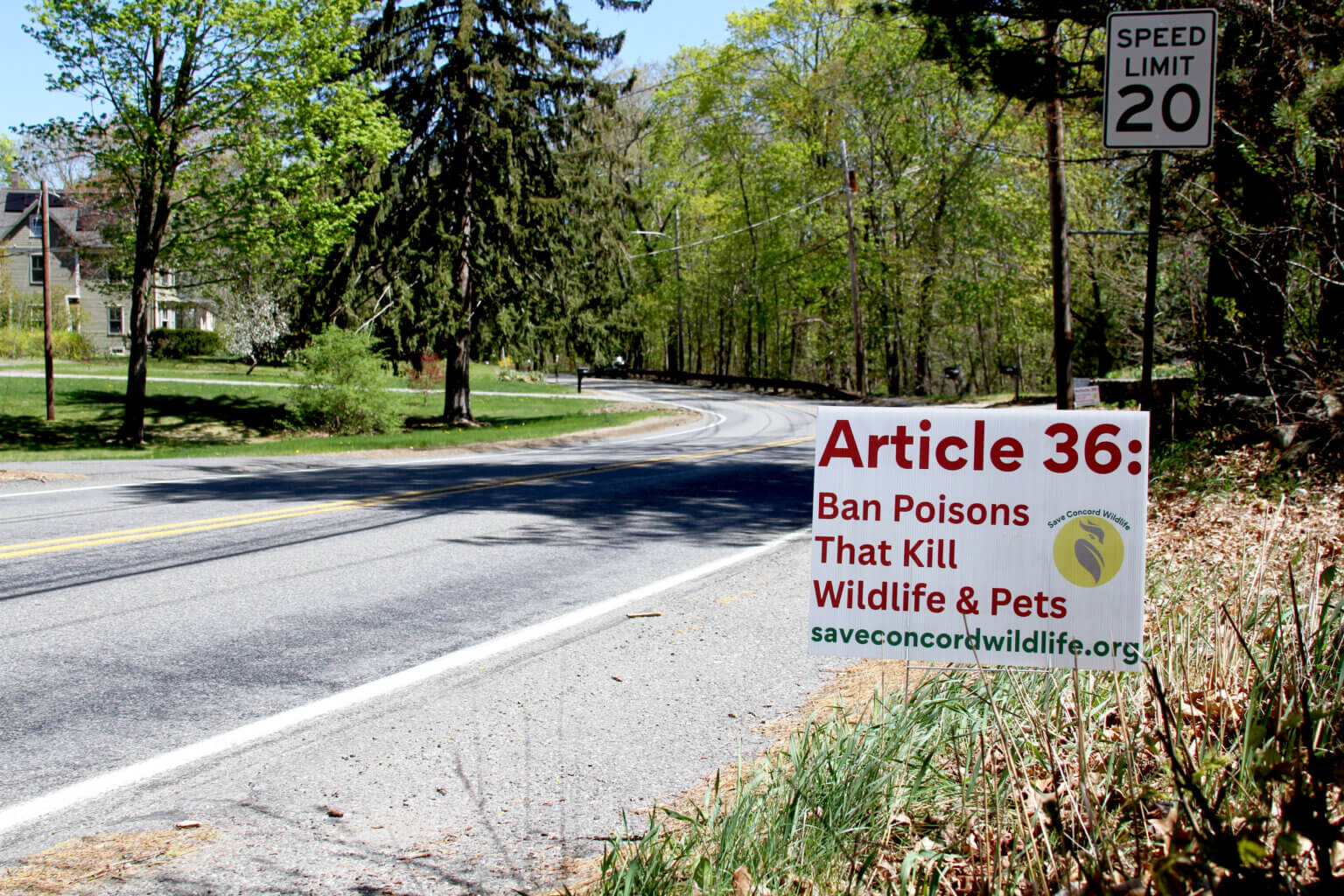
Renn is now campaigning to ban SGARs in Acton. As she and others gear up for Town Meeting, advocates hope to educate neighbors about rodenticides’ risks to wildlife and pets.
Local business owners empathize with the mission but worry the alternatives are insufficient and hope the petitioners will change course.
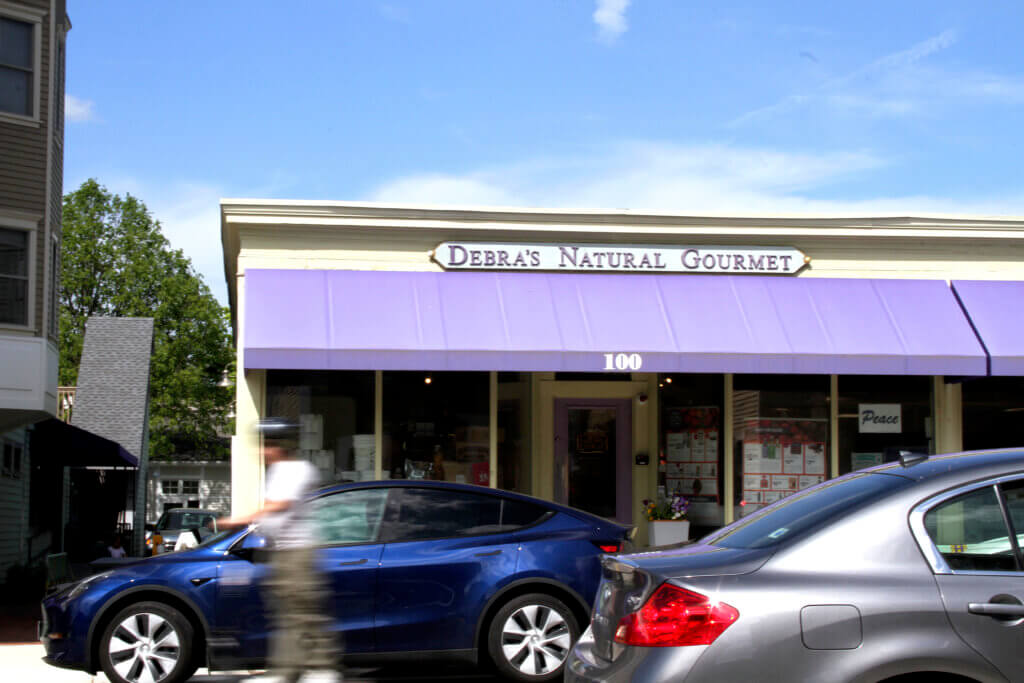
“This is not for lack of caring,” said Debra’s Natural Gourmet owner Adam Stark. “This is for lack of feasibility.”

SGAR dangers
The prohibition is Article 36 on the Town Meeting warrant. The ban would need state legislative approval to take effect. If the petition succeeds, the Board of Health could allow exemptions “to remediate a public health condition.”
SGAR bans have gained traction after incidents where animals became sick after eating poisoned rodents. SGARs have also sickened pets and people. The town of Acton doesn’t use SGARs, but they can be used on private property.
SGARs are most commonly found in shoebox-size bait boxes. Rodents enter the boxes and eat the poison from small packets or cakes. Animals then leave the boxes and sometimes live for several days before dying due to internal bleeding. Predators can eat sick animals while they’re still alive and pick up the poison themselves.
Renn knew the dangers after chronicling them in her latest book. Still, she was shocked when Trevor fell ill.
Trevor survived cancer and was nearing the first anniversary of having his front right leg amputated. Renn doesn’t know how he ingested poison, and she never found any when scouring familiar trails.
Experts treated Trevor for rodenticide, and he made a full recovery. Renn connected with people backing a ban.
She said Acton has a chance to lead the way toward broader regulation. Even if the ban fails, supporters encourage voluntary adoption and are sharing information through their website, saveconcordwildlife.org.
SGAR alternatives
Meaghan Sinclair and Gwen Shipley worked with organizers in other communities as they shepherded the Acton SGAR petition.
The two tout a multipronged SGAR-free process where crews seal holes in buildings and remove food sources. Workers use snap traps, carbon dioxide in burrows, or other non-poisonous methods to cull a remaining population. Crews also have non-SGAR poisons.
Beyond Acton, state legislators are mulling tighter statewide SGAR rules. The Massachusetts Conservationist Pesticide Advisory Council was scheduled to hear an update this month about a study that advocates say could yield separate action.
Shutdown fears
Stark uses snap traps to control mice in his home. He supports restriction but wants SGARs available when needed.
Several years ago, Stark said officials threatened to shutter his store if problems worsened after reports of rats outside his and neighboring businesses.
Public Health Director Melanie Dineen remembered the problem. She said she told Stark, “You can’t have rats get in your building.”
Stark and Acton Business Partnership president Tyler Spring suggested amending the SGAR article to exclude businesses. Stark said another version could have a third party preemptively review SGAR applications and prevent overuse. Spring suggested withdrawing the measure.
Stark wasn’t aware of possible exemptions from the Board of Health. In a follow-up email, he said he had concerns about the approval process and possible delays.
Select Board recommendation
Sinclair and Shipley won praise from the Select Board even as panelists sought more data on SGAR dangers and questioned the petitioners’ outreach to businesses.
The board recommended a “yes” vote at Town Meeting. Select Board member Cameron McKennitt voted “no,” citing insufficient data. Terri Ackerman abstained.
Town Meeting is scheduled to start June 2 at Acton-Carlisle High School.
Members of Acton’s legislative delegation, including state Rep. Carmine Gentile, state Rep. Simon Cataldo, and state Sen. Michael Barrett all sponsored statewide legislation to restrict SGARs. Gentile and Cataldo said they would support a specific petition for Acton. Barrett’s communications director said the senator was not available for comment.


