‘Children of Crisis’ author Robert Coles remembered for his empathic research
Coles built his career on understanding and advocating for disadvantaged children by directly engaging with them.
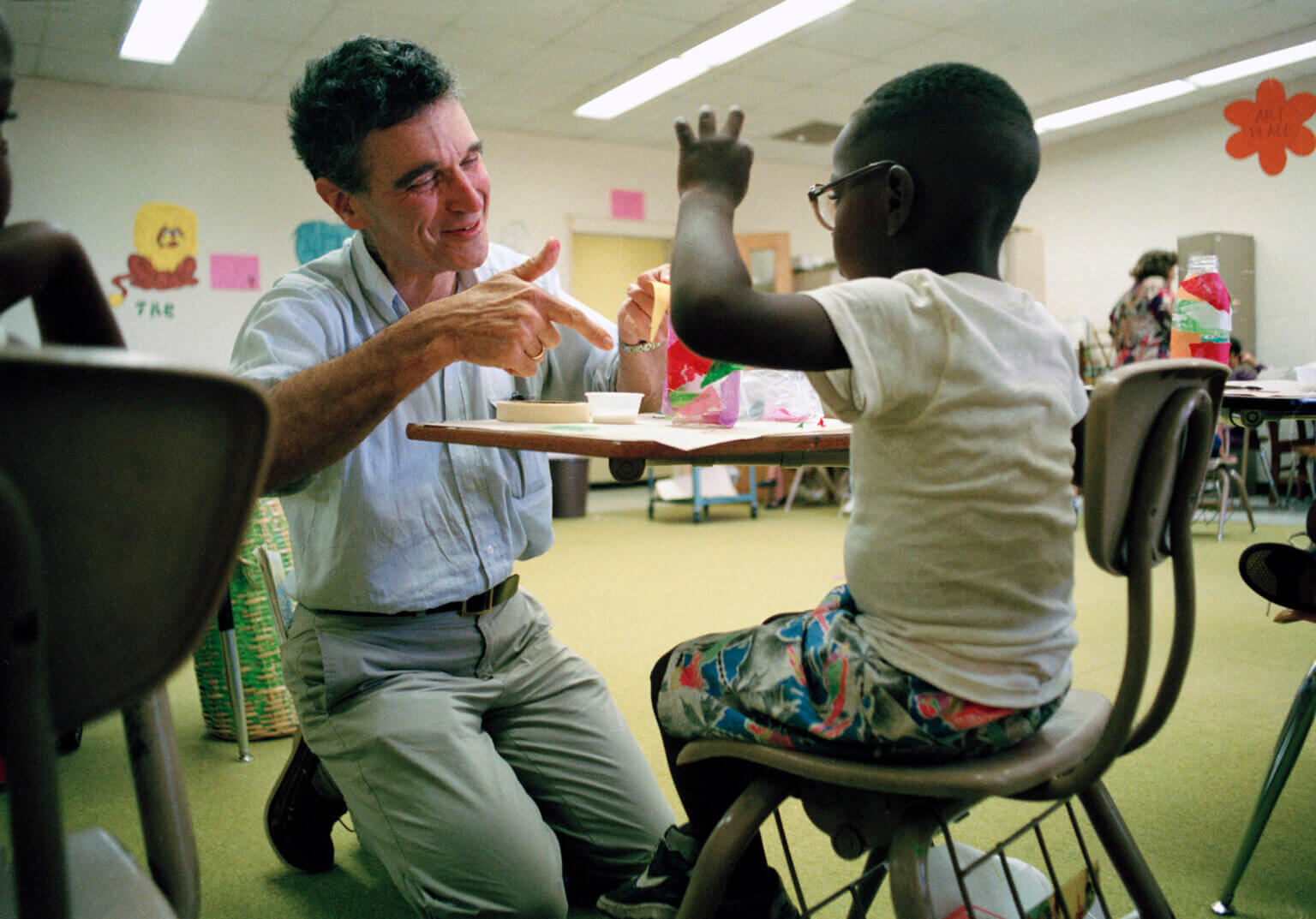
Robert Coles’ casual wardrobe and untidy workspace stood in contrast to the eminent child psychiatrist’s meticulous work, which won the Harvard professor a Pulitzer Prize for non-fiction in 1973.
Coles, who lived in Acton for some 60 years, died June 4 at age 97 in a Lincoln hospice. His Pulitzer-winning “Children of Crisis: A Study of Courage and Fear” was published in five volumes from 1967 to 1977.
Despite such laurels, Coles wasn’t a man to stand on ceremony — nor to dress for it.
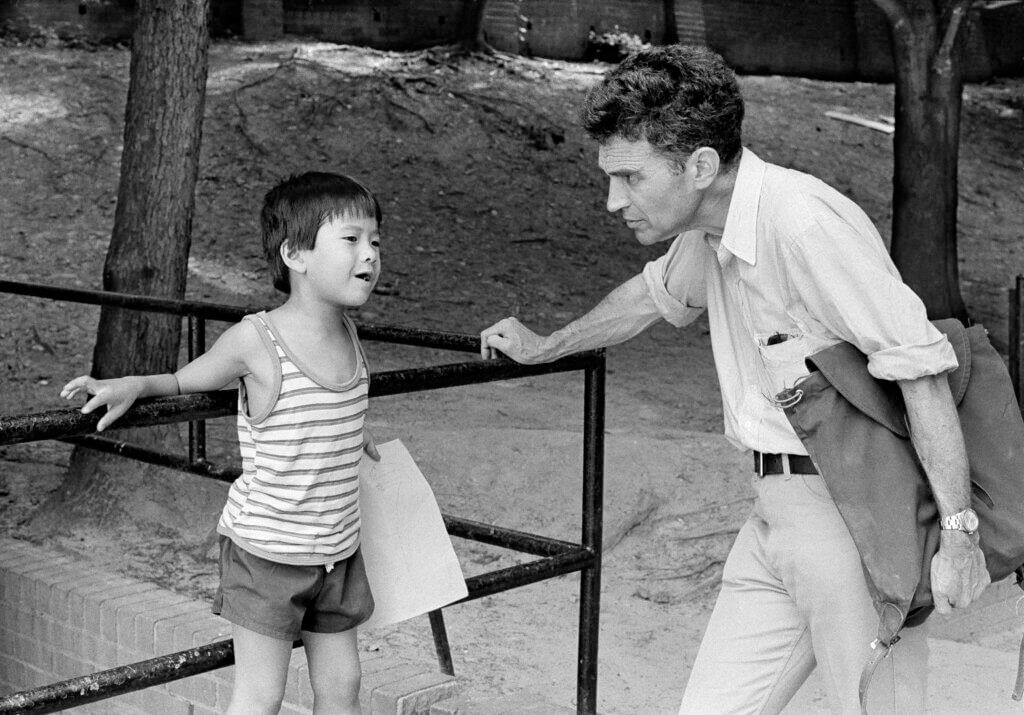
Acton psychiatrist Neal Kass was a student of Coles at Harvard in 1976. He remembers the professor’s signature outfit — khakis and a frayed, blue Oxford shirt without a tie, which Kass described as “super radical” at the time, given Harvard’s buttoned-down reputation.
Jon Chase, who photographed Coles for the Associated Press at his home in Acton in 1998, had a similar impression.
“I remember things being a little bit messy where we talked in his room, with books and papers all over the place,” said Chase, who later worked for Harvard for 30 years as a photographer. “It was totally in keeping with his personal appearance. His shirt would be partially untucked and the shirt tail hanging out. His hair was always messed up, not parted or combed neatly.”
Coles built his career on understanding and advocating for poverty-stricken and disadvantaged children in the United States and around the world by directly engaging with them. He taught a Harvard class on moral and social inquiry that students referred to as “Guilt 33,” according to Kass.
“He was alerting this group of eager, young Harvard folk to dilemmas in our own culture,” Kass said. “He was bringing the reality of the human beings living next to you while you’re in your Harvard tower.”
Immersive research
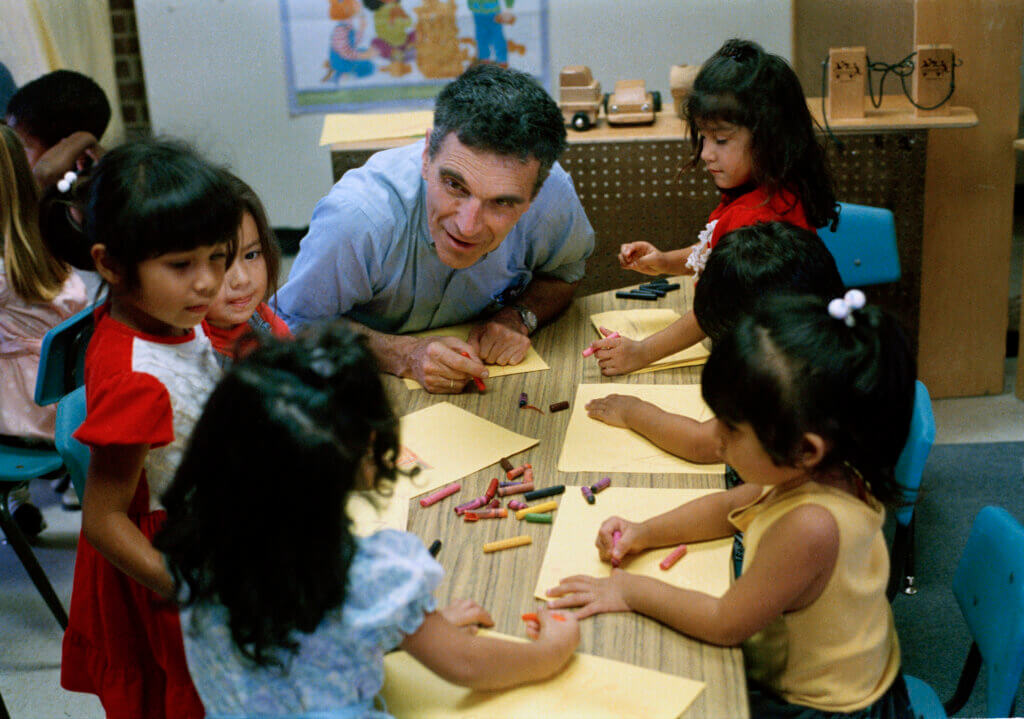
To write the books, Coles spent time in the homes of African-American children dealing with racism, children of impoverished migrant workers, and others, putting their voices on the pages of his books.
Alex Harris, a professor of documentary studies and public policy at Duke University, met Coles in 1971 when Harris was a senior at Yale University, taking a photography class from Walker Evans, famed for his Depression-era photography for the Roosevelt Administration.
“That’s what impressed him more than my photos,” Harris said of Coles. “Evans was one of his heroes.”
Harris went on to collaborate with Coles, taking photos to accompany Coles’ writing about disadvantaged children. He remembers one particular assignment for a Washington Post Magazine story on children of southeast Asian refugees.
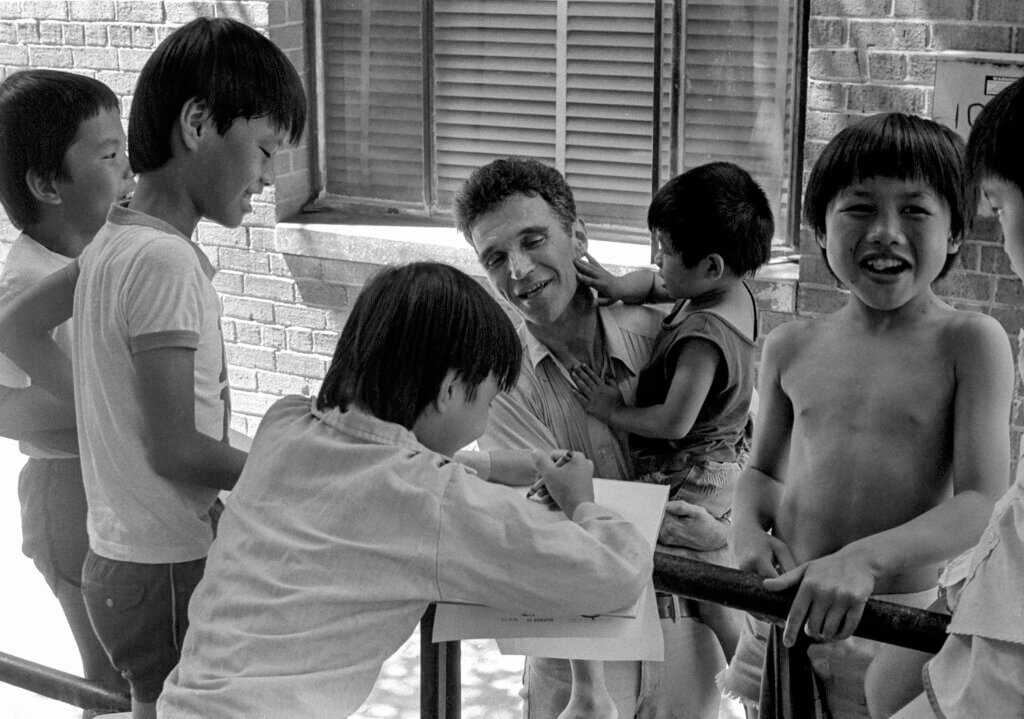
“Coles showed up with his crayons and attitude toward engaging children and his ability to listen,” Harris remembered. “I was astounded by the way he engaged with them, and I photographed that engagement.”
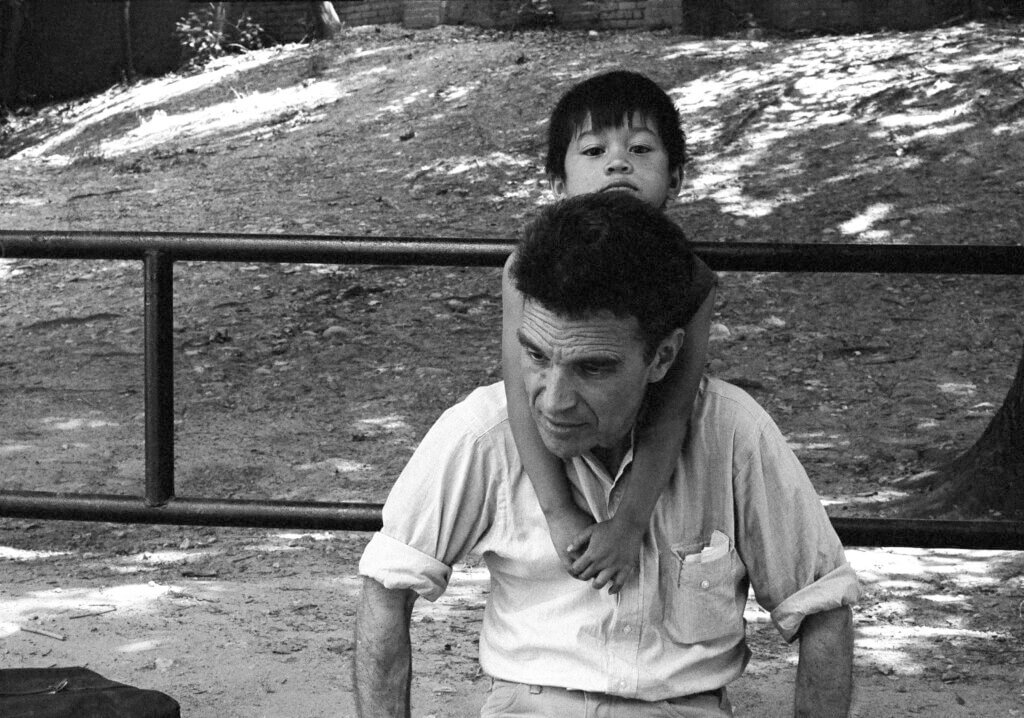
Harris said Coles told him once that no one listens to children, but if you do, you have to be careful, because they’ll tell you everything. One Harris photograph shows a young boy draping his arms around Coles’ neck, both looking exhausted.
“Later I asked him what was going on and he said [the boy] was telling [him] about an atrocity in his village he heard his parents talking about,” Harris said.
Recent contact
When he learned Coles was in hospice, Harris wrote him a letter in January and sent along the photo, telling him that day he saw both the joys and the burdens of Coles’ life listening to children.
“Michael, his son, told me he was fascinated to see that picture when he showed it to him,” Harris said.
Dan Esty was part of a freshman seminar Coles taught in the 1977-78 Harvard school year, focusing on how people develop a sense of self and purpose in life.
“I found it a very important class to get me to reflect on who I was and where I was headed in life,” Esty said. “He was a great professor. Not flashy, but high-impact. The kind of professor you think about not just during the course of the semester, but for years thereafter.”
Today, Esty is a professor at Yale, teaching courses on climate change and corporate sustainability. He said he didn’t even realize Coles lived in Acton when he was Coles’ student.
Coles “was rather a low-key guy, like so many people in Acton,” Esty said. “There’s enormous talent in Acton, across the entire community. People are unaware of their professional status and accomplishment. Coles was one of those people.”
But Neal Kass said there was a twist to Coles’ humility that made it a kind of shield.
“If you saw him out of context he tended to shy away from contact,” Kass said. “I bumped into him at the airport and had an opportunity to talk to him. He kept avoiding that. At one point I said, ‘I get the feeling you’d rather be alone.’ He looked up and said, ‘Thank you, exactly,’ and went about reading his paper.”
Kass said he understood.
“He never set out to be part of the limelight,” he said.