‘Coming back home’: Alcott letters, artifacts augment library’s collection
Seven letters and two collections join an extensive group of Alcott materials at the Acton Free Public Library.
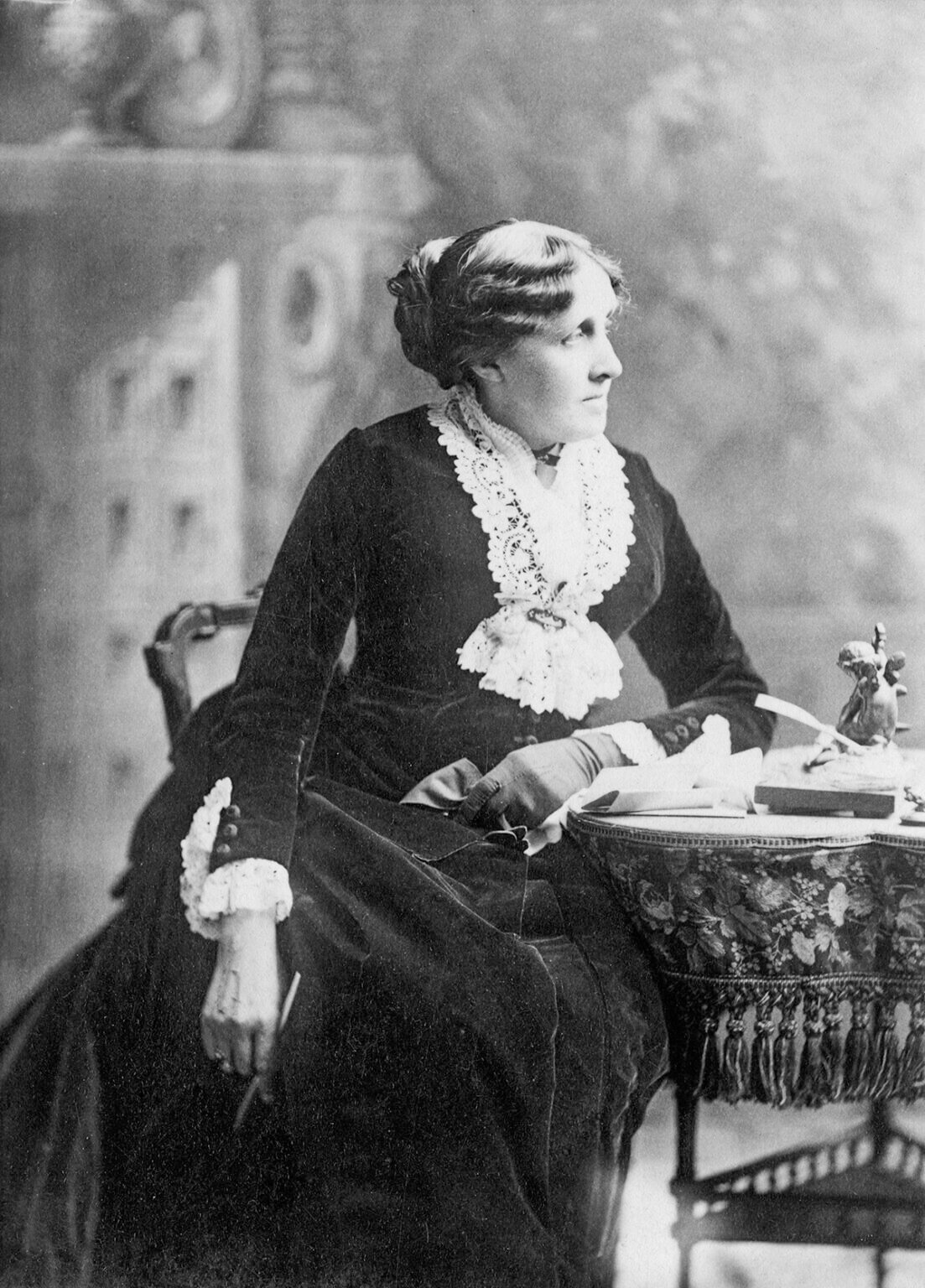
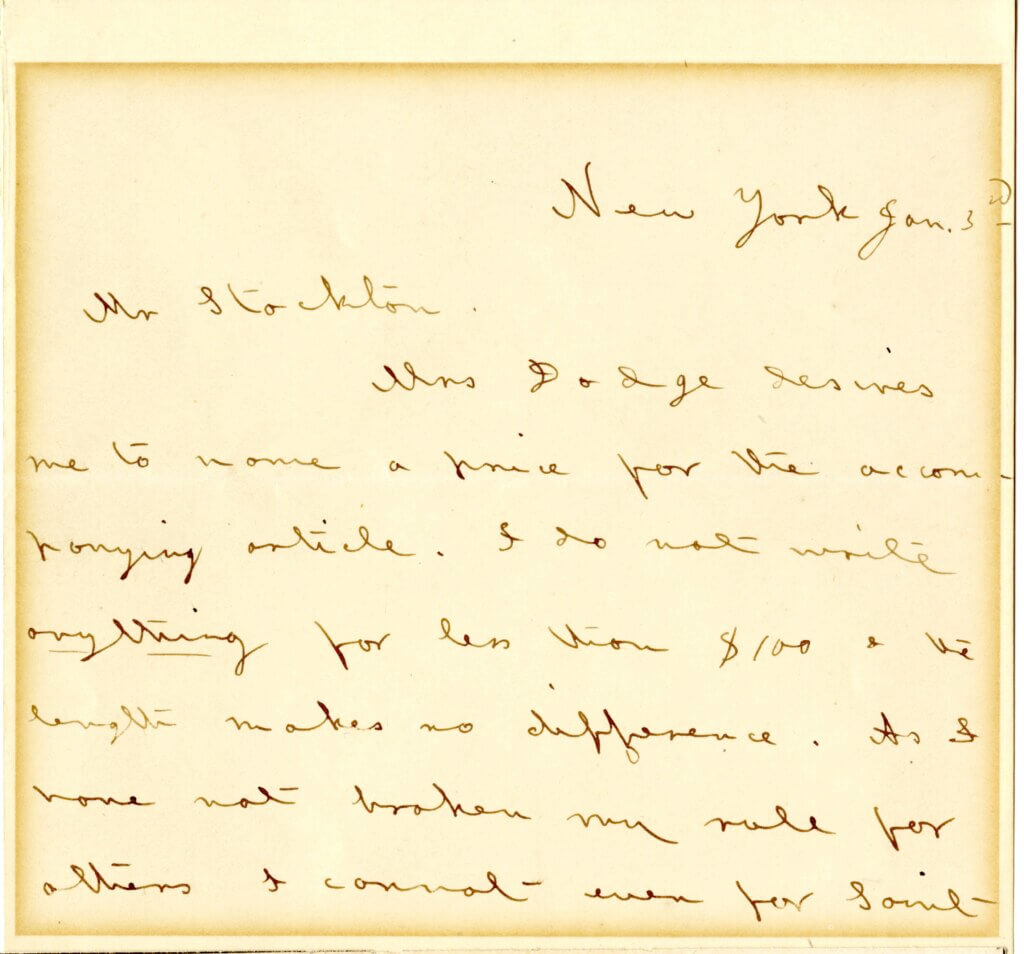
“I do not write anything for less than $100 & the length makes no difference.”
With these words, Louisa May Alcott makes her conditions clear in a letter to St. Nicholas magazine, a popular 19th-century American children’s periodical to which she was a prominent contributor.
“As I have not broken my rule for others,” she continues, “I cannot even for Saint [sic] Nicholas.”
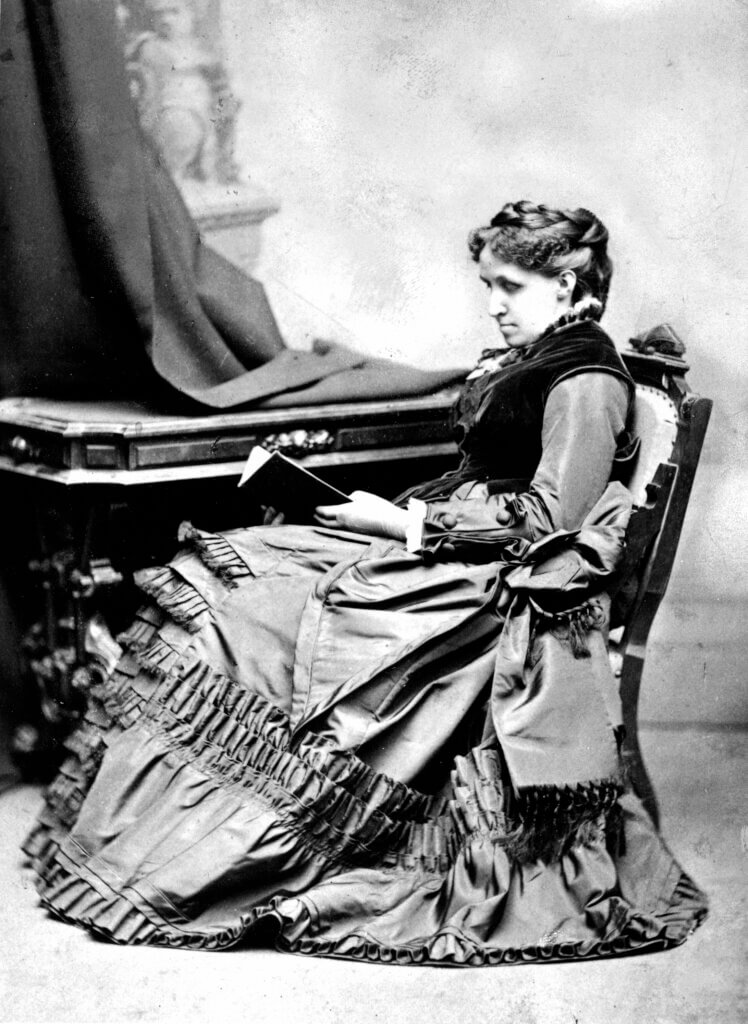
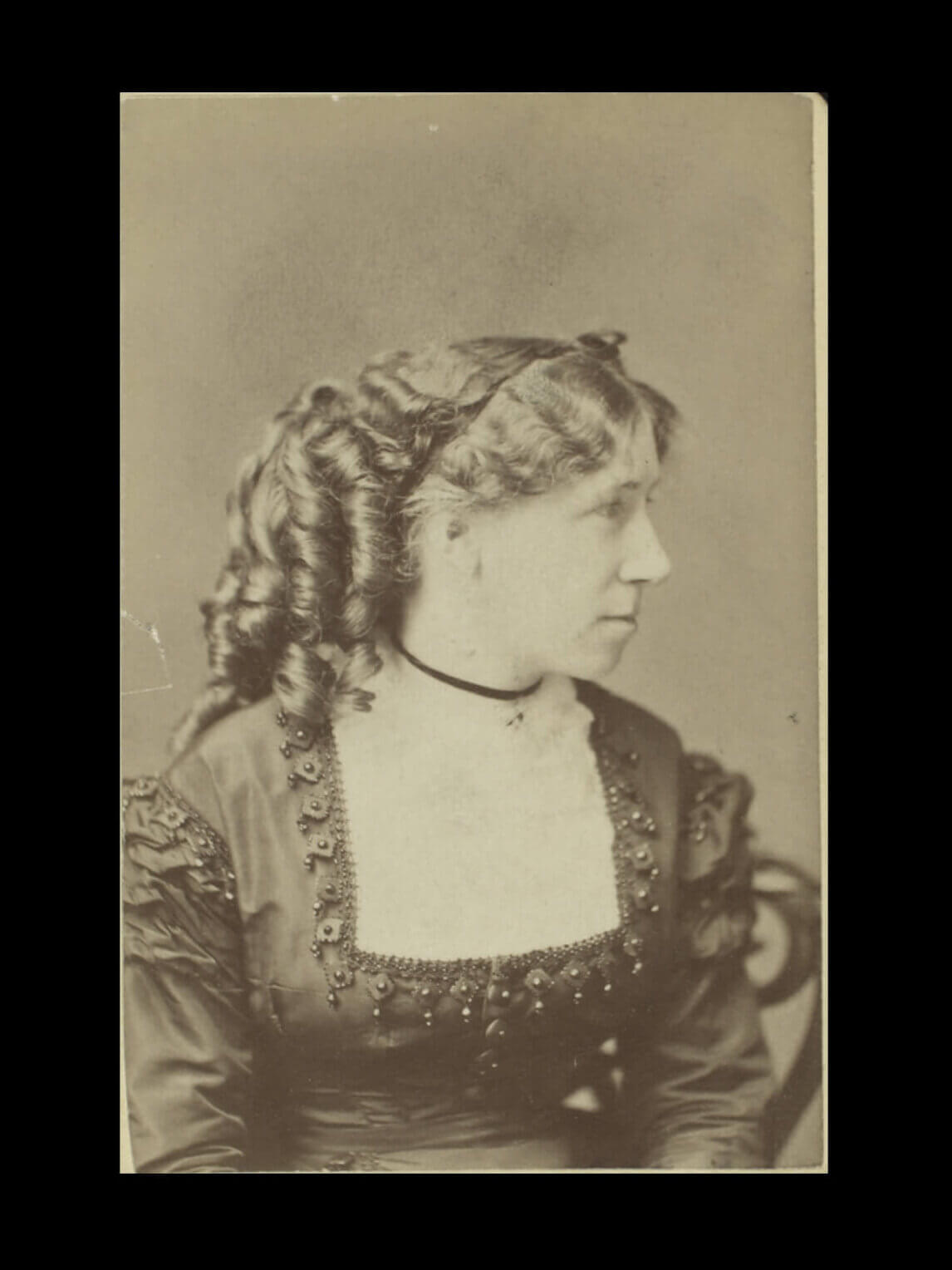
Alcott’s letters to publishers, friends, and family contribute to the rich story of her life, says Anke Voss, curator of the Acton Free Public Library’s William Munroe Special Collections.
That’s why it’s particularly thrilling, Voss says, for Special Collections to have acquired seven pieces of Alcott’s correspondence over the last few years, the most recent one in late 2025, plus two private collections of Alcott family documents, manuscripts, books, letters, and artifacts.
‘An extraordinary contribution’
The letters, obtained from private collectors, have been joined by the purchase of the Bicknell Alcott Family Collection, consisting of rare books and documents. Special Collections acquired these materials “through the generosity of the CFPL Corporation and The Munroe Society,” Voss says.
The Bicknell Alcott Family Collection was assembled over decades by Kent Bicknell, a longtime Alcott enthusiast, collector, and a founder of the Sant Bani School in New Hampshire.
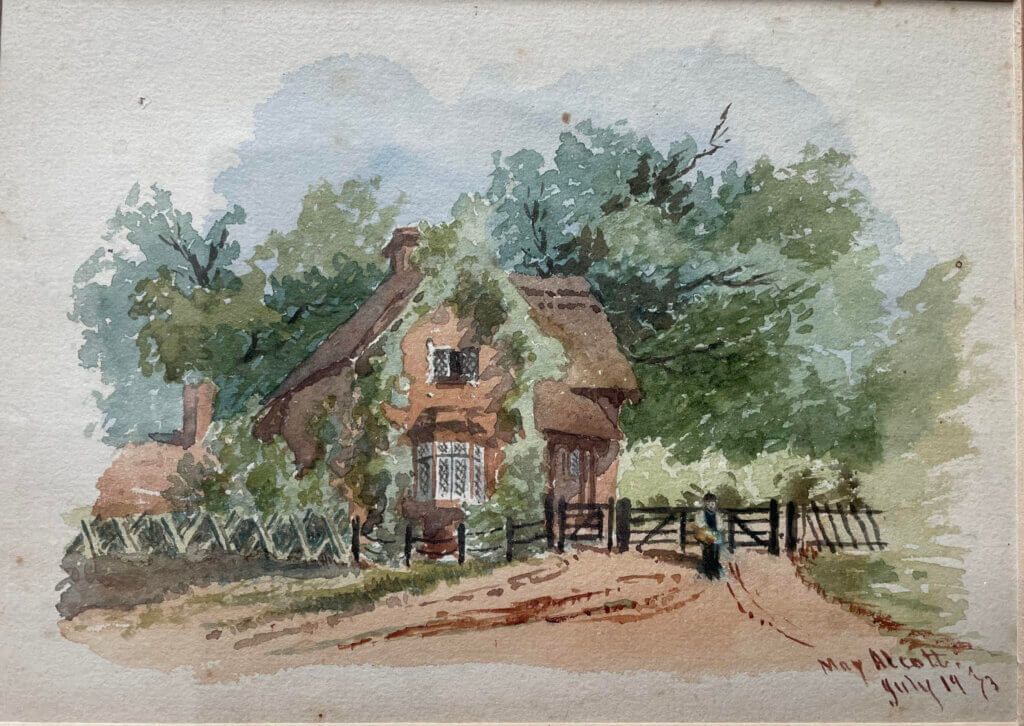
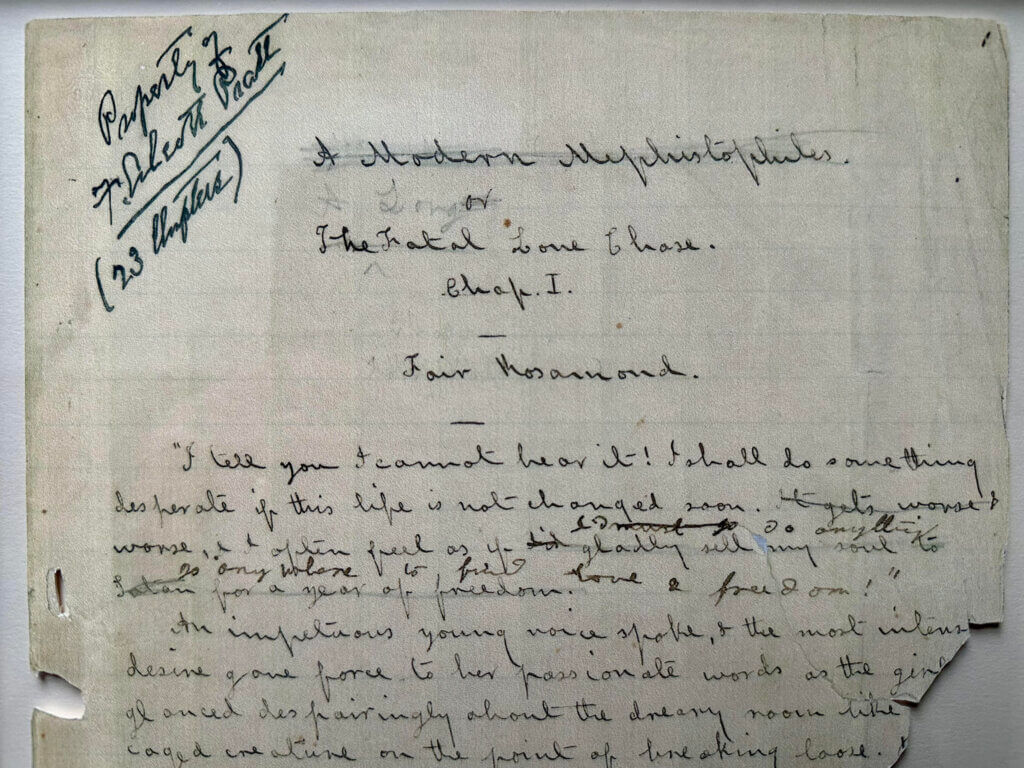
It’s “particularly strong in representing other members of the Alcott family, including several paintings and unpublished letters by May,” Voss says. Among the items are the original manuscript for Louisa’s Gothic thriller, “A Long Fatal Love Chase,” which was not published until 1995, when it became a New York Times bestseller.
Adding to this trove of Alcott materials, the library recently received a major gift of Alcott books, manuscripts, and artifacts known as the Mather Alcott Collection, which Voss calls “an extraordinary contribution.” Bicknell served as curator and adviser to an Alcott collection built by Colorado entrepreneur Tim Mather, a longtime supporter of Sant Bani, which emphasizes respect for living things, collaboration, and service to others.
The two collections, “though distinct in their ownership histories, are united by a single vision,” Voss says, as “both were assembled through Bicknell’s efforts.”
Mather had asked Bicknell to find the collection a permanent home where it “would be treasured, enhance current holdings, stay together, and be available for all to access.”
Bicknell strongly recommended the library, saying that the “Alcott material would be coming back home.” Mather agreed and donated his collection to Special Collections in honor of Sant Bani — a school he said the Transcendentalists would have endorsed.
‘Naughty, riotous, peppery Jo’
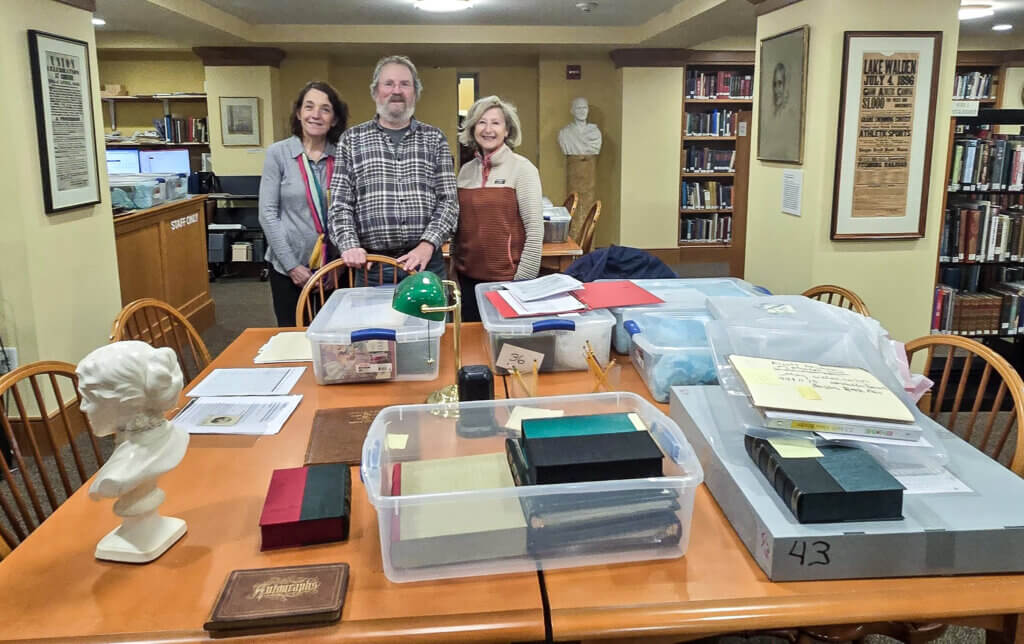
Together, these three significant acquisitions — the seven letters and the two Alcott collections — “are an exceptional addition which will provide a magnificent new window into the lives of the Alcotts,” Voss says. They join an extensive group of Alcott materials in Special Collections.
“Collecting is not just about finding the rare item,” Voss says, “but also about whether the material speaks to and with the other collections in your holdings and tells a compelling story.” This is exactly what the Alcott letters do, she adds.
Some are intimate in nature. In them, Louisa discusses her concerns about preserving the artistic legacy of her sister, May, an artist in Europe, after her death shortly after childbirth, and about Louisa’s role as godmother and caretaker of May’s daughter, Lulu, who came to live with Louisa.
Alcott had a diverse writing career that included her most famous novel, “Little Women,” published in 1868, its sequels “Little Men” and “Jo’s Boys,” and articles, stories, poems, and plays. She was ahead of her time — a savvy, confident businesswoman determined to provide economic security for her family, says Voss.
In a letter to a “Little Women” fan, Alcott comments on the assumption that the March sisters are based on Louisa and her siblings. “Jo is not myself any more than the others are my sisters, only suggestions of four real girls,” she writes.
Alcott goes on to jest that she considers Jo “a failure, for she was meant to be a warning, & to my surprise, naughty, riotous, peppery Jo turns out to be the favorite. I’m afraid it’s a proof of natural depravity in the rising generation.”
Familial parallels
There is Alcott’s note to her publisher regarding the subtitle that he suggested for “Little Women,” which would have implied that the Marches were based on the Alcotts. “‘Meg, Jo, Beth, & Amy’ is enough [for a subtitle],” Alcott writes, adding that, “My sister [May] does not want to be identified as one of the little women.”
Despite her reluctance to link fiction and real life, Alcott inscribed an existing copy of “Little Women” for her mother, Abigail May Alcott, this way: “To Marmee from Jo.”
There are intriguing discoveries to be made by perusing the Alcott materials, Voss notes. Among the library’s holdings are two original manuscripts of “Little Women” chapters, one of them titled “Heartache,” in which Jo turns down her suitor, Laurie, for the final time. In the published version of the novel, a heartbroken Laurie “turned sharply away, saying in a desperate sort of tone, ‘You’ll be sorry some day, Jo’.”
But originally, Louisa wrote and then crossed out a line that had Laurie catching Jo in his arms and kissing her passionately, Voss says. “Maybe Louisa actually had a different plot in mind, a different ending,” she adds, “in which the two would marry.”
The library will host Bicknell and Alcott scholar Daniel Shealy for a program and exhibition of the Alcott acquisitions on March 28 at 6 p.m. at the main library.
Visitors can view the Alcott materials in Special Collections, located on the lower level of the Acton Free Public Library, 129 Main Street, Tuesdays through Fridays from 9 a.m. to 5 p.m.