Conantum at 75: ‘Affordable’ option now sits in a million-dollar market
As Acton debates new housing opportunities, Conantum offers a reminder that the town has faced similar questions before.

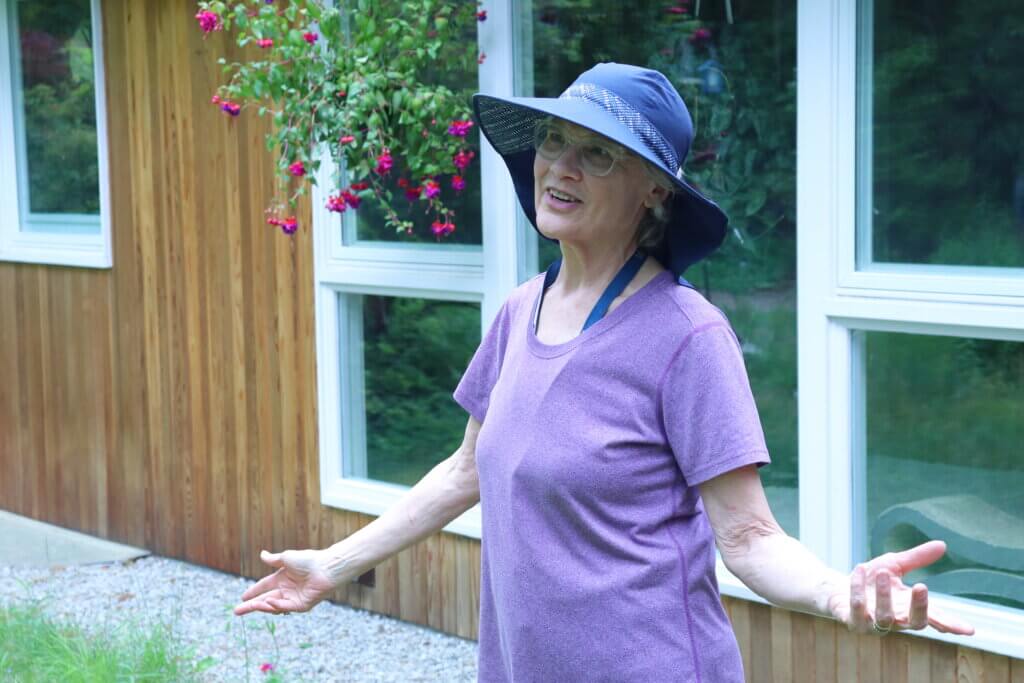
Katrina Kelner has spent much of her life in Conantum.
Her house sits tucked in the Kalmia Woods, in a neighborhood built along the Sudbury River.
Kelner knows every bend in the road and every path through the trees. She was born in Boston in 1953 and began her life in the Acton house her parents had helped build just a few years earlier.
On summer days, she ran through the neighborhood with packs of children and dogs that wandered freely across property lines. At dinnertime, mothers summoned them home with bells and shouted names.
“It was a fantastic place to grow up,” Kelner said.

Conantum was an experiment — an effort to build modest, modern homes that young families could afford.
As Acton debates where and how to create new housing opportunities, Conantum offers a reminder that the town has faced similar questions before. Seventy-five years ago, people built a neighborhood around the idea that ordinary people should be able to afford a place to live.
The houses remain. Affordability, however, may still be hard to find.
Postwar pragmatism
Historical materials compiled by Conantum residents show how the neighborhood grew out of the post-World War II shortages that made homeownership elusive for many young families.
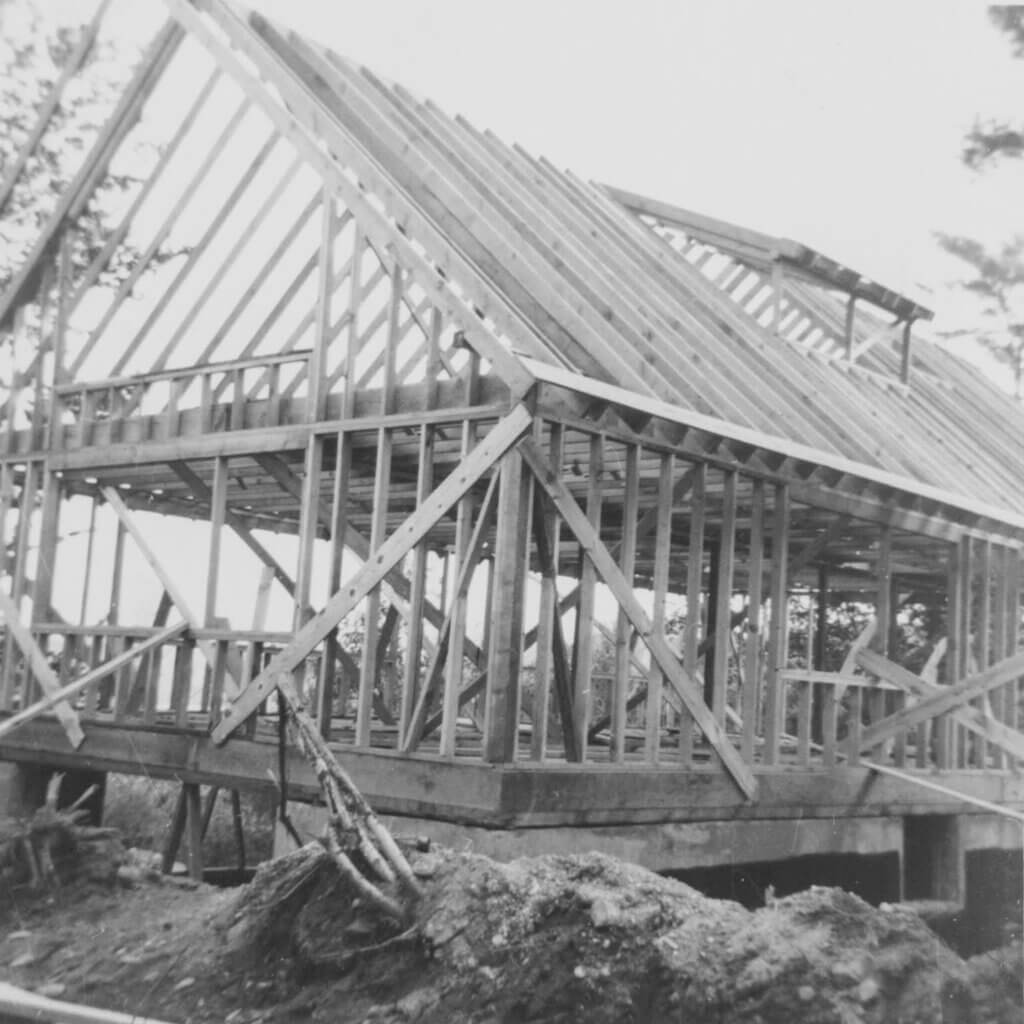
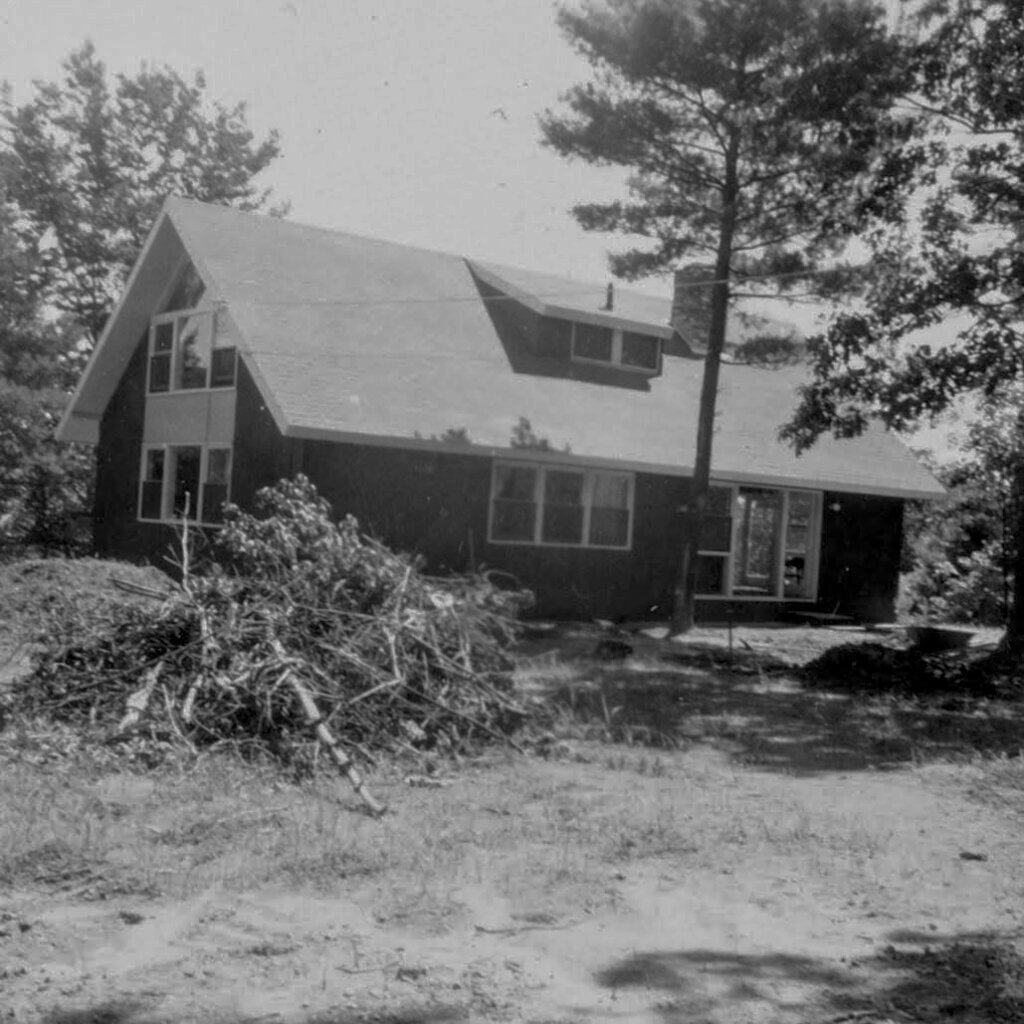
In 1950, MIT economics professor W. Rupert Maclaurin set out to create lower-cost housing for young families, particularly MIT and Harvard faculty members. He enlisted architect Carl Koch to design the homes. For $52,000, the group purchased the 190-acre parcel in Acton that would become Conantum.
The plan called for more than 100 house lots and nearly 60 acres of common land, with residents sharing ownership of woods and recreation areas. Finished home prices ranged from roughly $8,600 to $18,300, or families could purchase a lot for $2,300 to $4,300.
This year, the neighborhood turned 75.
Geoff and Electa Tritsch bought their Conantum home 21 years ago. Electa’s family was friends with the couple who built it, and she visited the house as a child.
“It was very warm,” she recalled. “Not literally, but warm emotionally. It was a good place to come.”
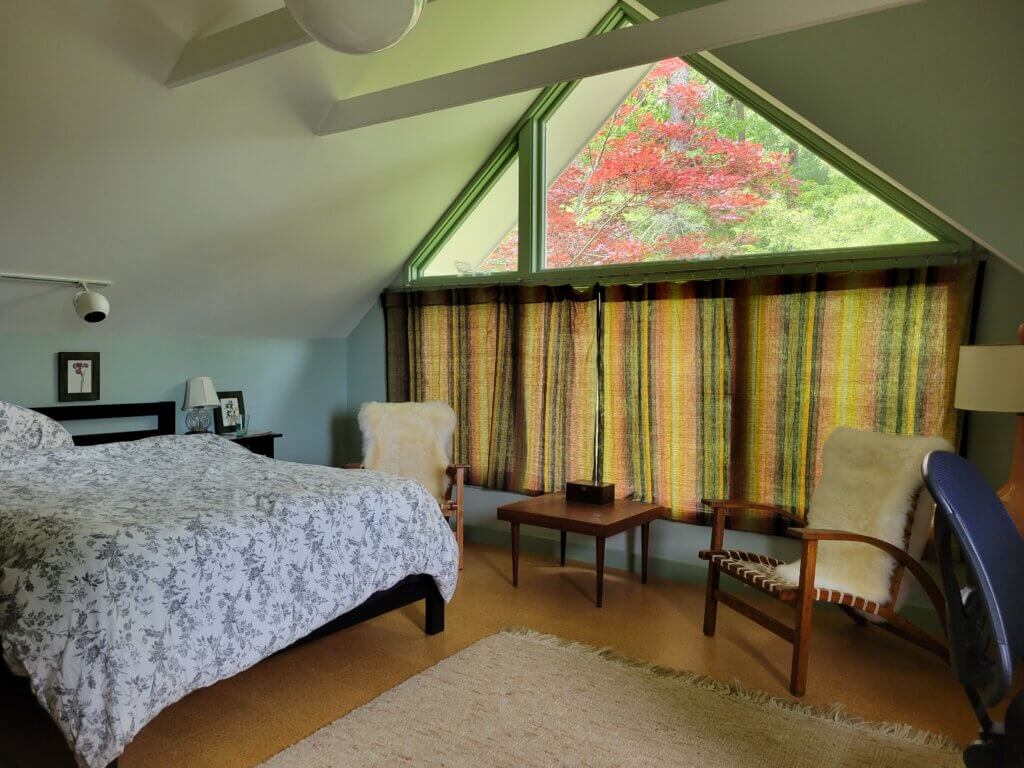
Today, the house remains largely unchanged, aside from updates to the kitchen, bathrooms, and heating system. The bedrooms are small — unable to fit a king bed, according to Electa — and the house retains its open floor plan.
The houses were intentionally modest and designed to be expanded as families grew.
The rising cost
Last year, the median home sale price in Acton was $1.7 million, according to the Warren Group, a Peabody-based firm that tracks real estate data.
Records show the town assessed Kelner’s home at $1.9 million for tax purposes in 2026. When it was built, however, she said the house cost her parents $17,000 — which, adjusted for inflation, would be a little over $200,000 today.
The town assessed the Tritsch property at roughly $1.4 million.
“It’s not that the house is valued at that,” Geoff said. “If you look at the assessor’s records, the house is still valued at a fairly reasonable figure. All the rest of that money is the land.”
Today, Acton Housing Authority Chair Stephan Bader said, rising land costs make developments like Conantum difficult to reproduce.
“In order to make new neighborhoods affordable today, it’s got to be much more dense,” Bader said. “The land is so expensive.”
Cassidy Norton, associate publisher and media relations director at The Warren Group, said high land costs are increasingly common across Massachusetts, where limited developable land has become a primary driver of housing costs.
Instead of subdivisions like Conantum, Bader points to the forthcoming Novo Riverside Commons project to show what new Acton housing is likely to look like.
Communities like Acton and Lexington have commanded seven-figure median home prices for years, Norton said, driven by strong schools, access to commuter rail service, open space, and proximity to Boston.
“Housing is expensive everywhere in Massachusetts,” Norton said. “It’s an issue everywhere that we’re still trying to grapple with.”
Lessons learned
Bader said Acton faces many of the same tensions that surfaced during previous housing debates. Residents worry about traffic, school enrollment, and changes to neighborhood character.
Kelner recalls skepticism about Conantum’s earliest residents.
“I remember hearing people say, ‘Oh, Acton didn’t want us because they thought it was just a bunch of Jews and communists,’” she said.
Some concerns — like the effects on roads or schools — are understandable, Bader said, but should be weighed against the benefits that new residents of more moderately priced housing can bring.
“We need people to work at Emerson Hospital,” he said. “We need teachers, police officers, firefighters, and caregivers.”
For Bader, one lesson from Conantum is that housing should be viewed not only as an investment but also as a way of meeting community needs.
“As we look at the development of Conantum and other subdivisions in Acton,” Bader said, “we ought to recognize that there was a need that was partially met, and there is still today a need for housing for people who can’t afford to buy their own home.”


