Acton farmers and hunters grapple with deer overpopulation
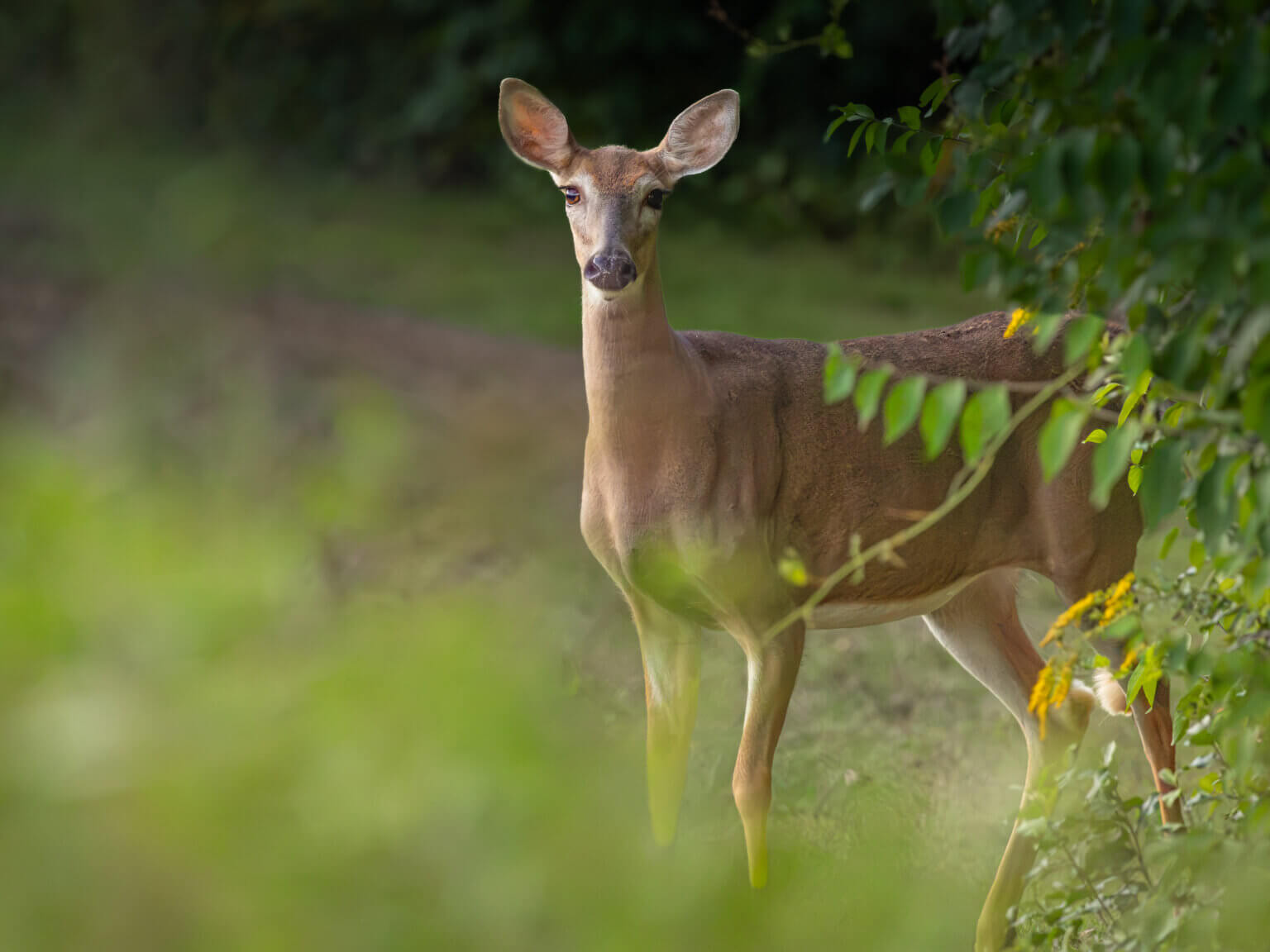
Experts put the optimal deer population at 12 to 18 per square mile. In the Acton area, it’s around 75 to 100.
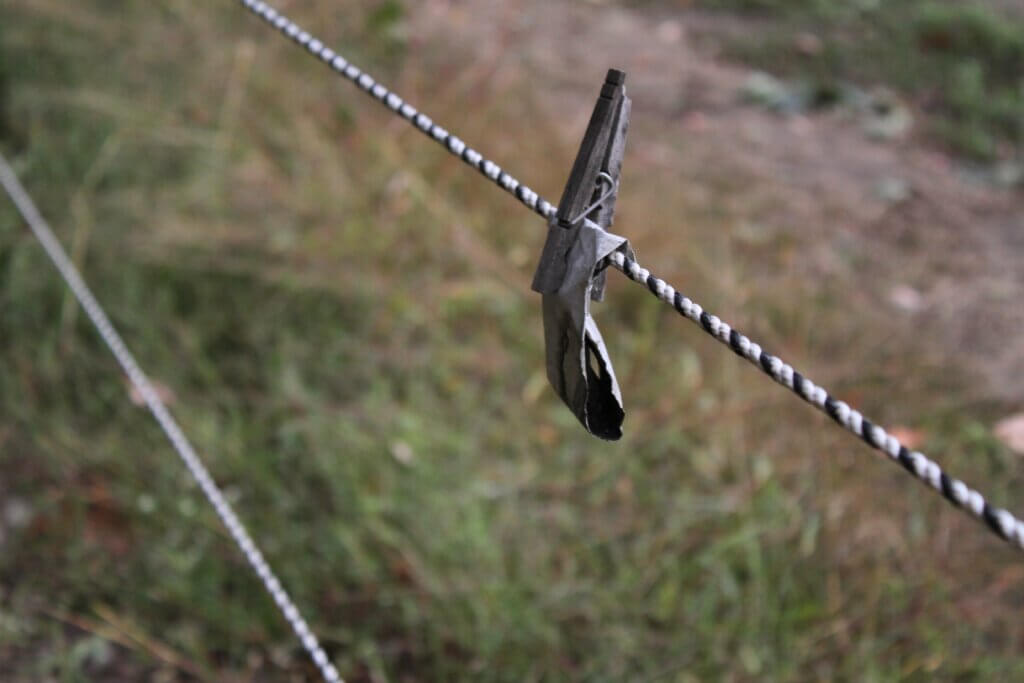
Hutchins Farm workers have been wrapping peanut butter in aluminum foil and clipping the packets to electrified fences around their fields.
The peanut butter is bait to ensure deer get a shock — one way Acton farmers are trying to manage the effects of deer overpopulation.
“I like the deer,” farm manager Brian Cramer said. “I don’t like them eating my stuff.”
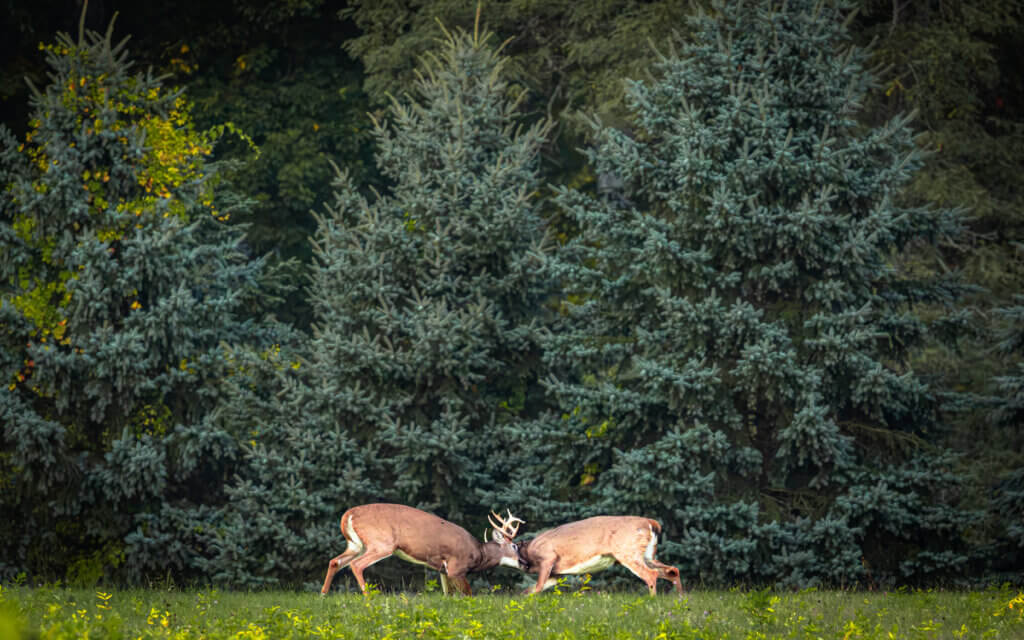
As farmers double down on fencing, some are also working with state and town officials to expand hunting programs.
Experts put the optimal deer population at 12 to 18 per square mile. In the Acton area, it’s now up around 75 to 100, Natural Resources Director Delia Kaye said this month.
Deer raid farms for food. Overabundance can also hurt forests, as deer eat saplings and other plants.
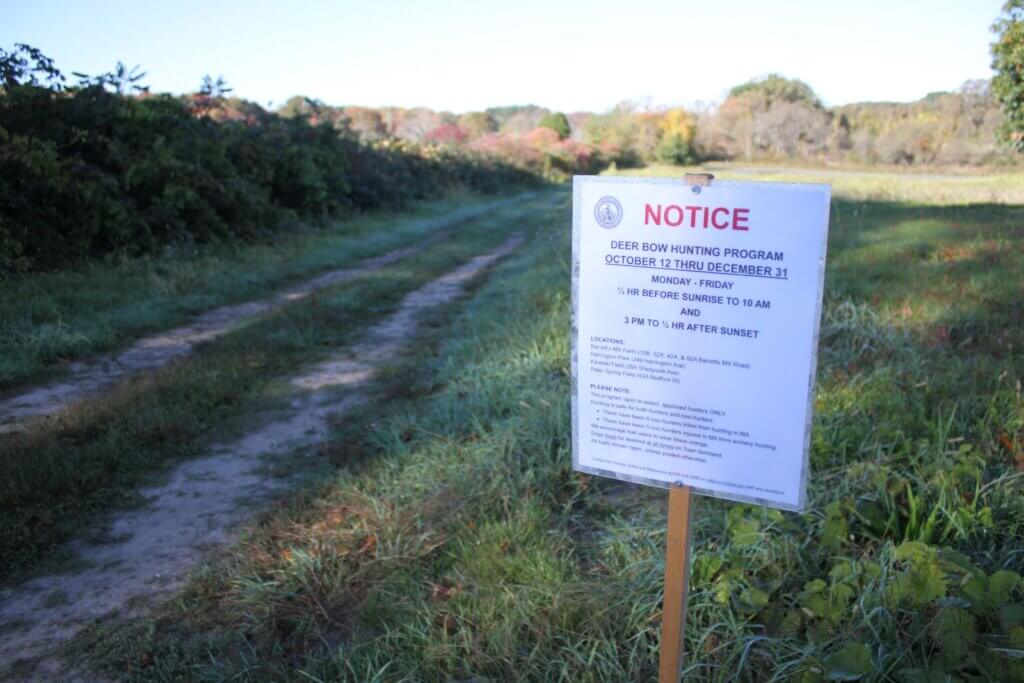
Officials tried a limited bowhunting program at Barrett’s Mill Farm last year. The Natural Resources Commission authorized a broader initiative this fall on town land at Barrett’s Mill, Harrington Park, Kaveski Field, and Peter Spring Field, where farmers lease growing space.
The program was set to start October 12 with permits for up to 10 hunters.
Experts say deer populations are up because humans have all but eliminated their natural predators. Officials hope the bowhunting will limit future crop loss.
Although the initiative won’t significantly lower the deer population, Kaye said “even modest reductions” can also boost forest health.
Additional hunting
As the town expands its efforts, Cramer is bringing in extra help at Hutchins’ privately owned main farm through the state’s Deer Damage Permit program, which lets hunters operate outside the normal season.
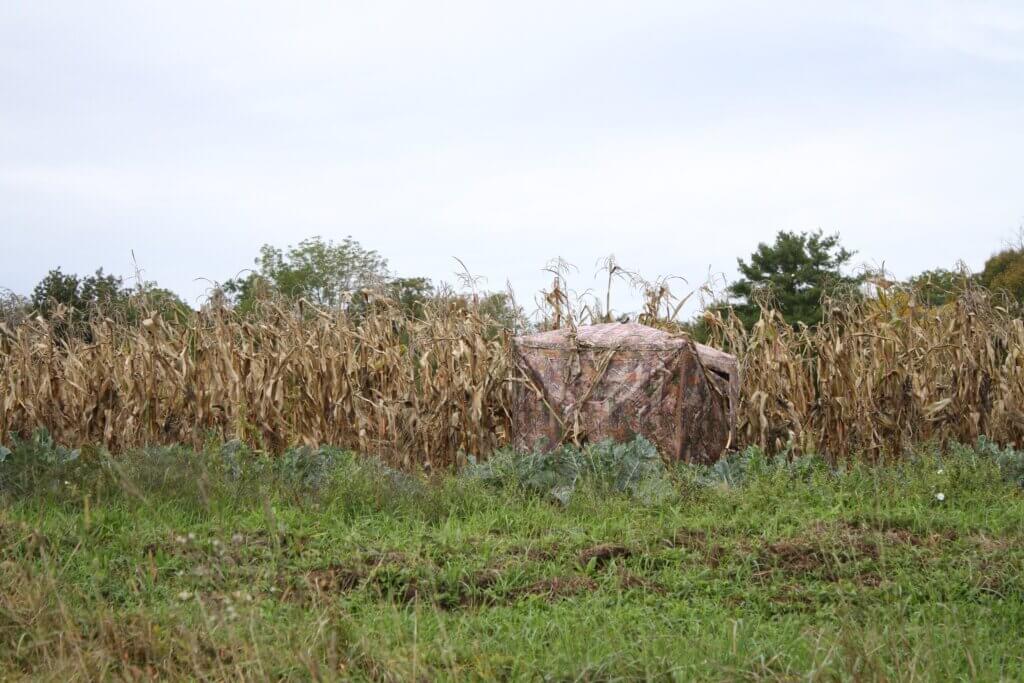
Rifle hunters had set up camouflage tents around Hutchins and taken at least four deer in roughly a month, Cramer told The Acton Bridge on October 1.
Hutchins is one of 55 “primary permittees” across Massachusetts using Deer Damage Permits. Acton’s Walden Woods Project Farm also participates, said Martin Feehan, a state deer and moose biologist.
Most deer killed through the initiative get donated via MassWildlife, which helps distribute venison to people in need.
Resident Erin Sharaf wrote in a letter to the editor of The Bridge last winter that she “was saddened” to hear about the town’s bowhunting plans.
As a new hunting season opened, she warned that “nature is interconnected in ways that are often invisible to us.” Changing a relationship “can have consequences far beyond what we anticipate,” she told the newspaper this month.
Barrett’s Mill Farm co-owner Lise Holdorf, a vegetarian, said hunting wouldn’t be her “ideal solution,” but “we have to get [the] population back to a more manageable level.”
As for safety, hunters are bound by strict rules. Officials are confident that there’s “extraordinarily low risk” to walkers and leashed dogs from the town program, Kaye said.
Fencing systems
Deer can bound over electric fences. Bait draws the animals to the wires; a shock tells them to stay away.
Although fencing can work, some farms are still suffering crop loss.
Farmers also have to spend extra time installing these systems. The barriers can complicate farm work if staff must remove fencing before driving a tractor into position, Cramer said.
Some Annursnac Hill residents have allowed hunters on their land for years. The Acton Land Conservation Trust has run a bowhunting program on its Wright Woods property and recently added its Miller Farm and Chamberlin Woods parcels, Executive Director Sara Lupkas told The Bridge.
Communities including Sudbury and Weston allow bowhunting on conservation lands.
Acton bowhunter Frank Patterson said his top three priorities are “God, family, and deer hunting.” However, “I truly do not enjoy the actual kill,” he told The Bridge — and said he hopes that never changes.
As hunting expands, Holdorf said Barrett’s Mill Farm just won a roughly $15,000 state grant to help install 8-foot fences around its fields.
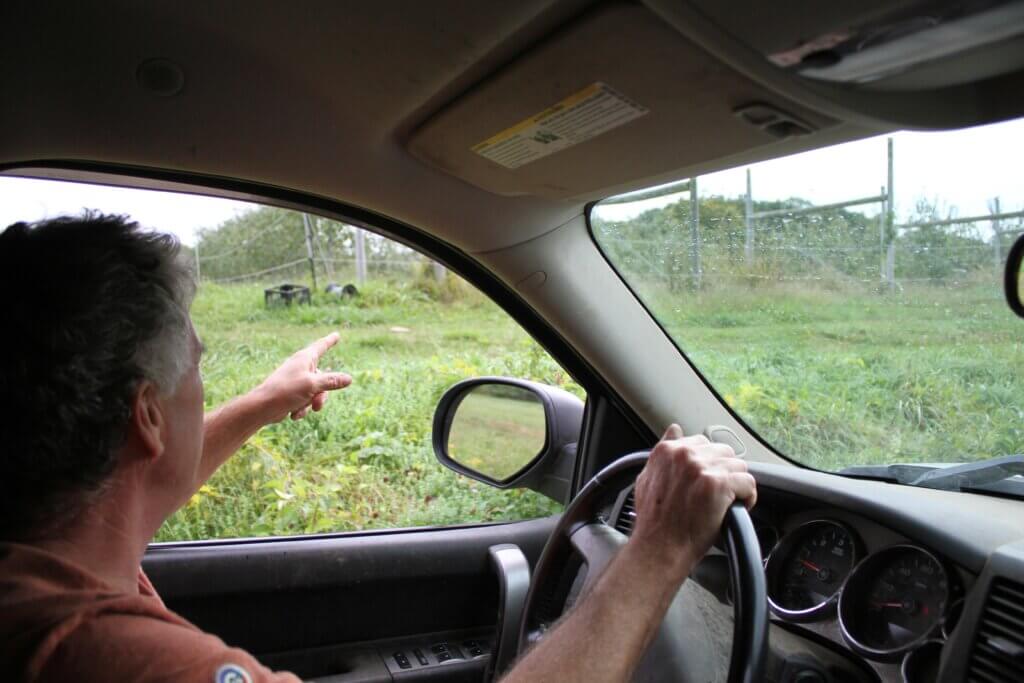
Rattling along a dirt road in a farm truck, Cramer pointed out Hutchins’ installations.
“All these things working in combination, I think, are the answer,” he said.
‘Club Acton’ thriving in Wright Woods
Bowhunter Frank Patterson sees a social hub in a circle of leaf litter.
Deep in the Acton Land Conservation Trust’s Wright Woods forest one recent morning, Patterson pointed out a “deer scrape,” where the animals leave their scent as a form of communication. The patch sat at the intersection of two game trails.
“Welcome to Club Acton,” Patterson told a Acton Bridge reporter.
Patterson lives in Bolton but said he’s been bowhunting in the Wright Woods area for nearly 40 years. He estimates he and his sons have taken more than 75 deer from the forest.
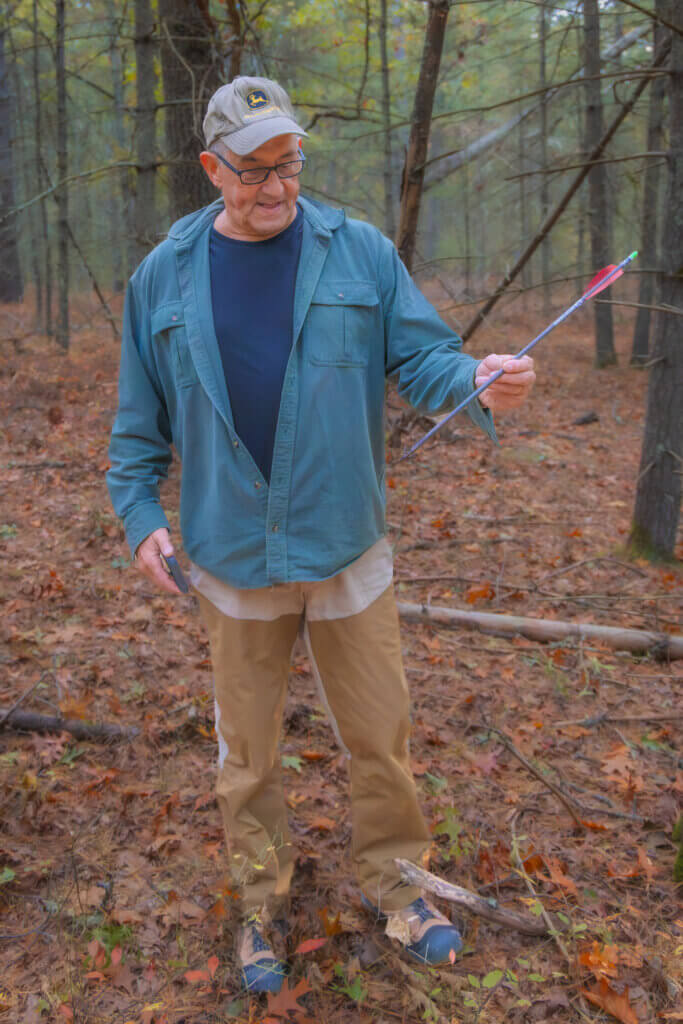
As a longtime auto body shop owner, Patterson said he’s seen the effects of overpopulation.
“The amount of deer-car collisions gets bigger every year,” he said.
Some Acton deer are getting bolder. Farmer Brian Cramer can drive close to them in his truck, he told The Bridge. “They just kind of look at me.”
Wright Woods deer try to avoid humans, Patterson said. Although there are plenty of deer around, he said, it’s become harder to hunt as walking trails become more popular with humans and deer retreat deeper into the woods.
He still enjoys the hunt and said he can spend entire days from sunrise to sunset perched in a treestand.
As for the herd that experts say is too big for its habitat, “They need to be controlled,” he said.
— Dakota Antelman