Acton filmmaker’s work lives on through ‘Freeing Juanita’
A year after Sebastián Lasaosa Rogers’ death, his parents remain dedicated to sharing his work.
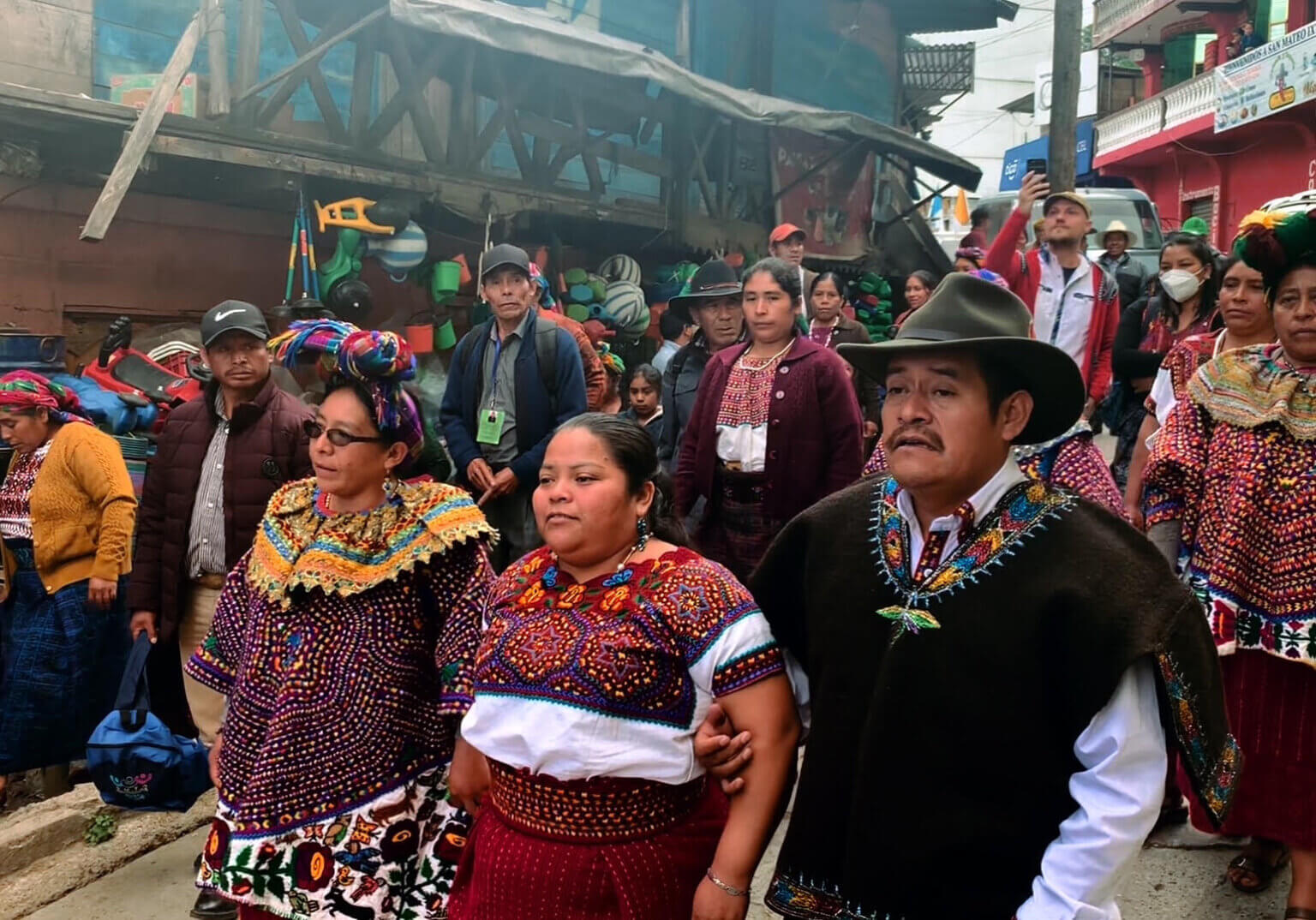
When Sebastián Lasaosa Rogers filmed a Guatemalan family traveling across Mexico to free a woman from prison, he stayed close.
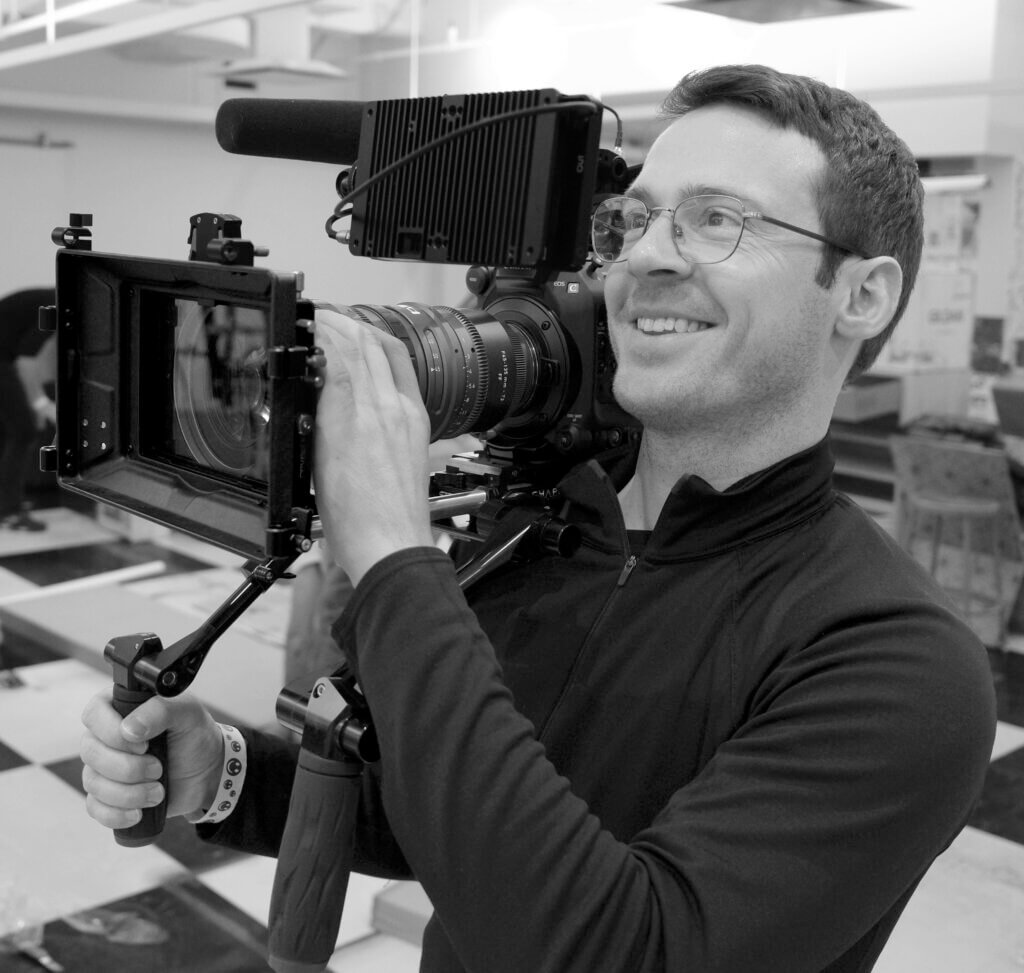
He carried his camera on his shoulder, avoided imposing a microphone on his subjects, and let them continue their lives around him.
Now, after the Acton-Carlisle High School graduate’s death last year, his parents are helping carry his work forward. “Freeing Juanita” will screen next month at CineFest Latino Boston.
The documentary follows the effort to free Juana Alonzo Santizo, also known as Juanita, a young Guatemalan woman who spent nearly eight years in a Mexican prison after authorities accused her of kidnapping. Juanita primarily spoke Chuj, a Mayan language. Her family said she did not understand what Mexican authorities were asking her.
Family advocacy
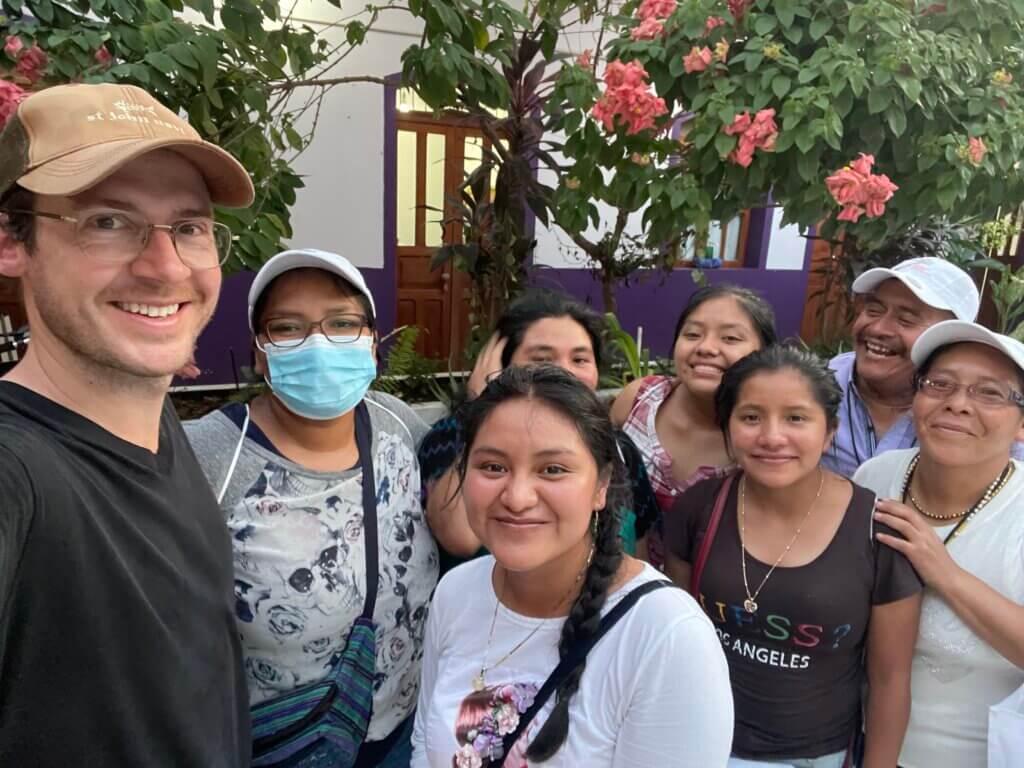
Her aunt and uncle, Ana Matilde Gómez Pérez and Pedro Alonzo Santizo, traveled from Guatemala to Mexico City and then to Tamaulipas, where Juanita was imprisoned, eventually getting the attention of Mexican President Andrés Manuel López Obrador and helping secure her release.
Rogers began filming the story in 2020 after becoming involved with Promotores de la Liberación Migrante, a network of interpreters and activists helping Mayan communities.
The project grew into a 74-minute documentary, with Rogers as director, producer, editor, and cinematographer. He traveled with the family during their efforts to free Juanita.
In a director’s statement for the film, Rogers wrote that he was drawn to Juanita’s story because “community-led activist success stories are rare and all the more inspirational, especially to migrants, their families, and the allies who support them.”
‘Warm and respectful’
He made a deliberate choice “to not use a microphone, to not impose on the people, to make people feel free,” said his mother, Rosa Lasaosa. “Because his manners were so warm and respectful, people felt comfortable living a regular life in front of him.”
Rogers earned degrees in film and anthropology at Vanderbilt University. During a career focused on laborers, artists, and immigration, he worked with Ken Burns, PBS’ Art21, and others.
His father, Paul Rogers, said Sebastián considered himself a cinematographer first, but his work was always tied to his interest in people and social issues.
“He was a very activist individual,” Paul Rogers said, “and he used film as his medium. As he said, ‘Film is the pulpit from which I preach.’”
“Freeing Juanita” premiered in Mexico City in 2024 and has since traveled the film festival circuit. His parents have continued submitting it to festivals since his death, getting the film into more than 20, they said.
The Boston screening will be the first time “Freeing Juanita” has been shown this close to Acton. His work has appeared at CineFest Latino through “Comparsa,” another documentary Rogers filmed in Guatemala.
Rogers died in April 2025 at age 35 while surfing off Rockaway Beach in Queens, New York.
His parents, still dedicated to sharing his work, are also exploring whether some of his films could eventually reach PBS or a streaming service.
Lasaosa sees the film as both a documentary about Juanita’s release and an art piece. She said her son captured the importance of a community working together to help one person, while creating something visually beautiful.
In his director’s statement, Rogers wrote that he hoped the film would remind audiences that “fighting structural injustice can be successful if we don’t give up and work together across borders and languages.”
Said his mother, “Through the lenses, through Sebastián’s lenses, you see through his eyes, and see to his heart.”
“Freeing Juanita” is scheduled to screen at 6:30 p.m. October 2 at the Emerson Paramount Center as part of CineFest Latino Boston.