Acton non-profit’s outreach supports Ugandan kids and moms
“Our approach is holistic. We provide free pre-school education, nutritious meals, and health care. These simple things change the course of Clover children’s lives.”
The yard signs you see throughout Acton testify to an engaged, active citizenry. In such an environment, ideas can spring to life in surprising ways.
Concordians Joan Hilton and her late husband, Peter, were deeply involved in running Acton’s Open Table, which fights food insecurity in the MetroWest suburbs.
“In 2013,” Hilton recalls, “Salma Semakula, a Ugandan immigrant, and her family started coming to Open Table. Salma began telling us of her dream of opening a preschool in Kampala, Uganda, with her friend Esther Makumbi.”
An inspiring objective
“Peter and I were moved by Salma’s vision and inspired by her ideas for breaking the cycle of poverty,” Hilton said. “Peter was a dyed-in-the-wool community activist and had helped create several non-profits. He helped Salma form a board of directors and launch a fundraising effort. The Clover Foundation was born.”
“The people and businesses of Acton,” said fellow board member Edie Lipinski, “have really helped Clover succeed. Seven of our 10 board members are from Acton or very nearby. Businesses like the Acton Bookshop, West Acton Wine and Spirits, and the Acton Cheese Shop support our events and fundraising efforts. And many of our donors are from Acton.”
A “holistic” approach
The approach, Hilton explained, “is holistic. We provide free pre-school education, nutritious meals, and health care. These simple things change the course of Clover children’s lives.”
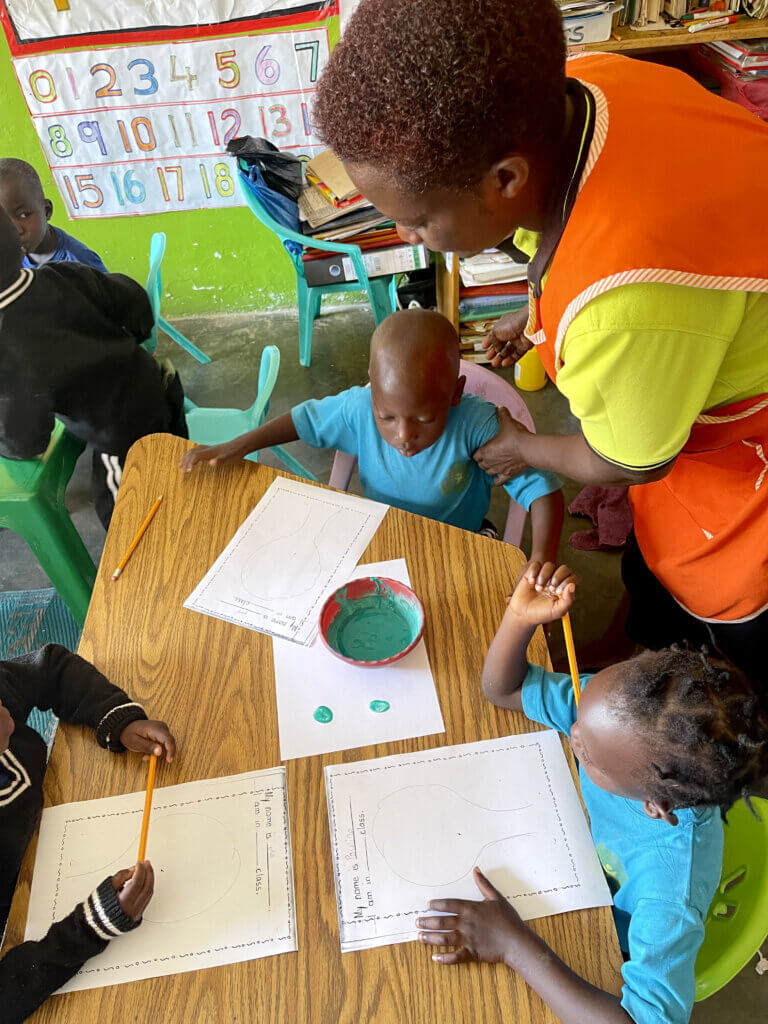
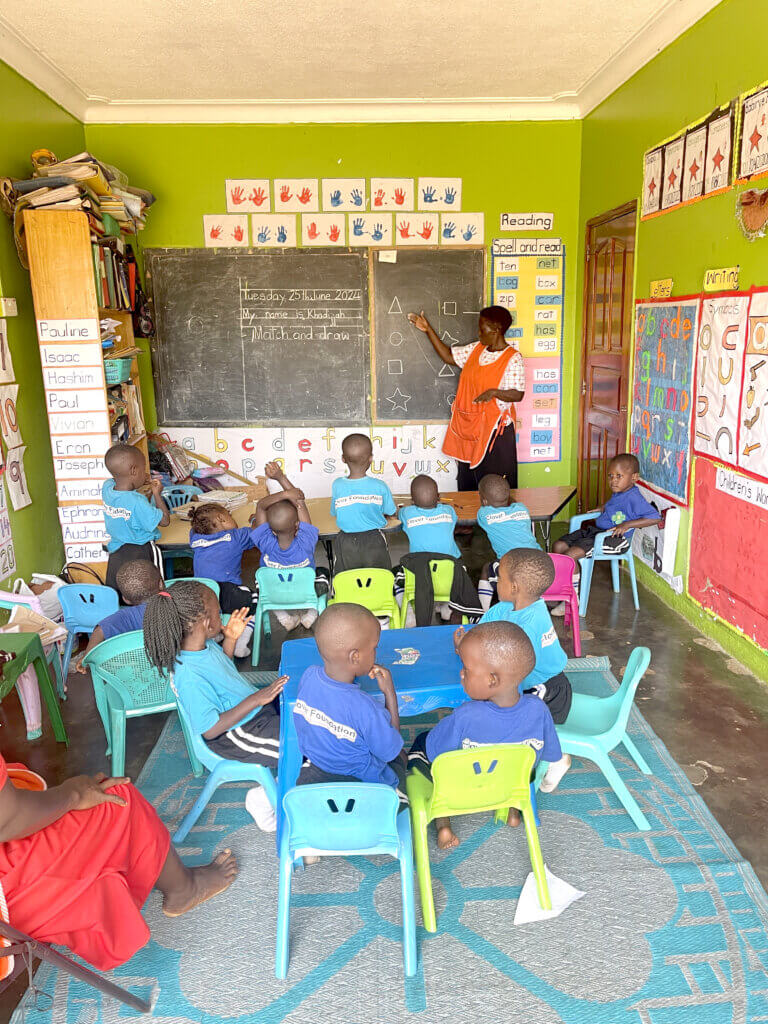
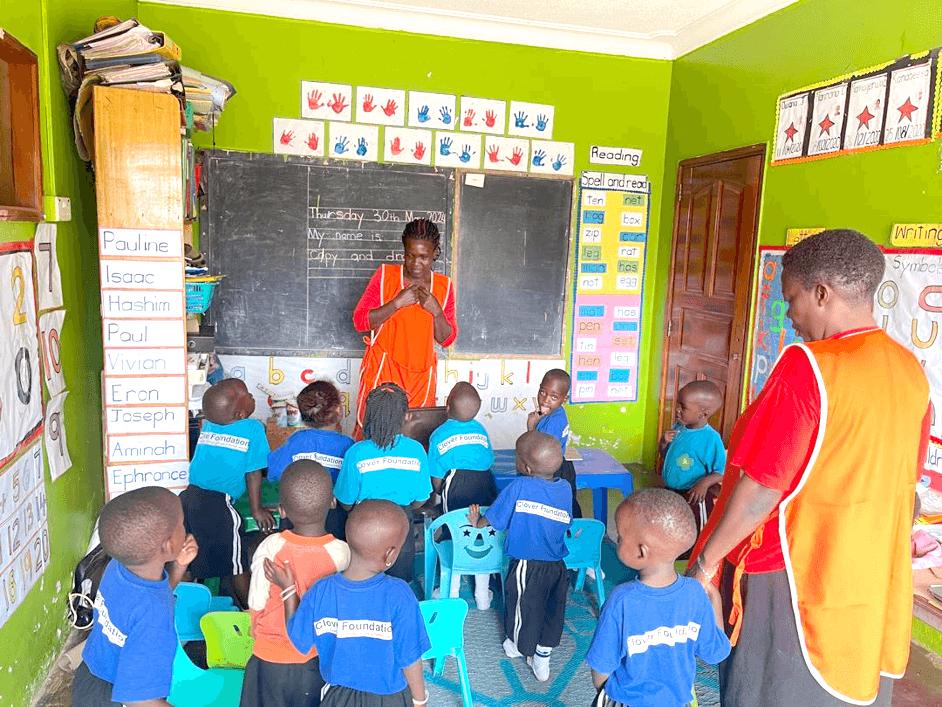
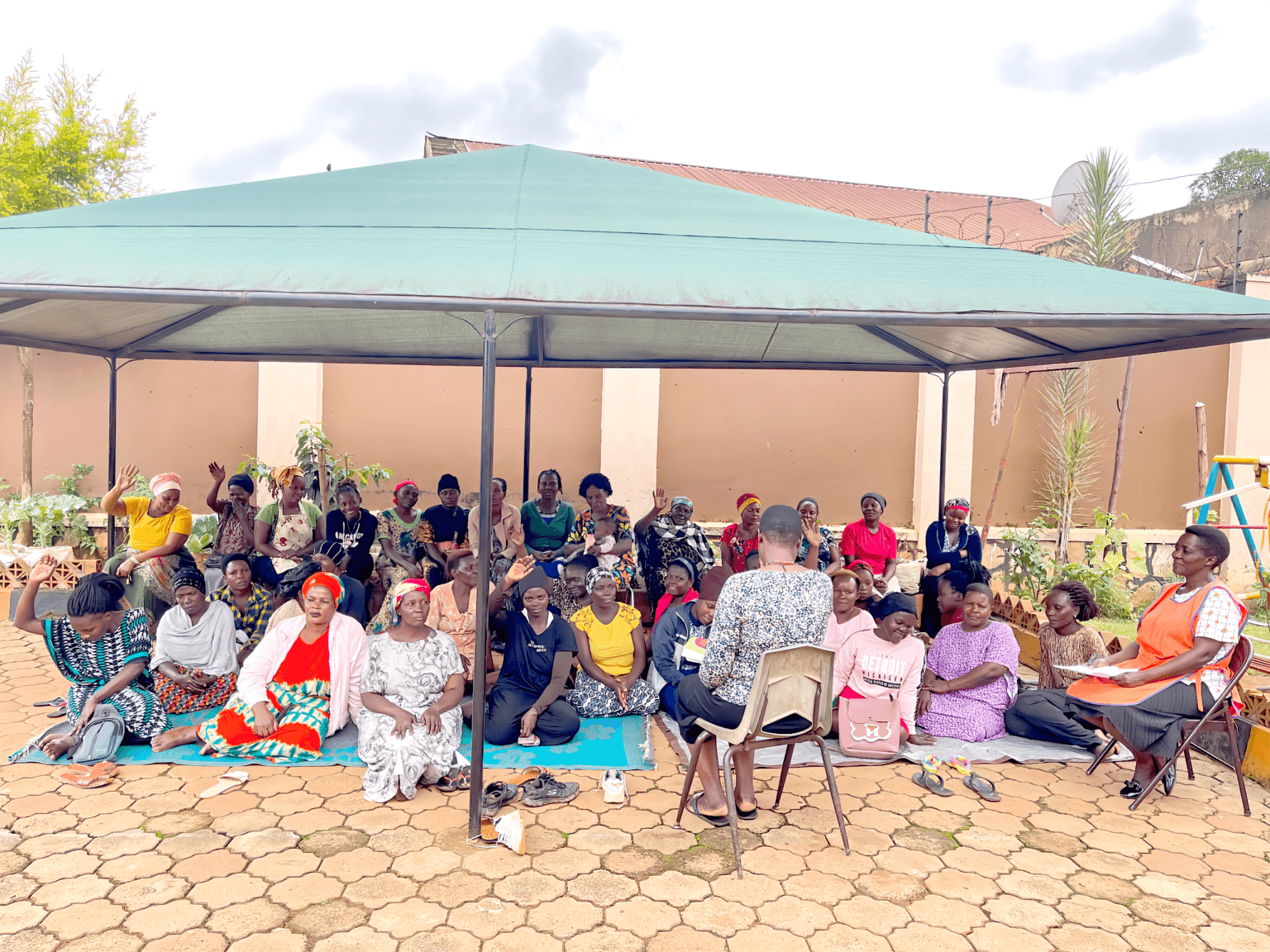
To break the cycle of poverty, Clover uses a holistic approach, providing children free pre-school education, nutritious meals, and health care and offering their microloans to their mothers. All photos: Swabrah Badru
Without such a program, she said, Clover families would have little chance of escaping the bonds of poverty in a desperately poor urban area where food insecurity, housing challenges, domestic violence, and lack of health care are commonplace.
Lipinski added that, in 2017, Clover launched a microfinance program for the mothers of Clover children. “Since its inception, we’ve given 60 Clover moms interest-free microloans. They’ve used the money to start businesses like chicken rearing, urban farming, and food stands.”
She explained that the resulting income increases families’ food security and quality of life. Additionally, the mothers learn valuable skills and join a supportive network.
When Clover schoolhead Makumbi visited in June 2023, she spoke at the Acton Public Library about the microloan program. In addition, Lipinski arranged for her to visit Milldam Nursery School, Acton Montessori, Acton Children’s Center, and Beth Elohim Early Learning Center.
Long-distance bonds
During these visits, Makumbi taught a lesson about Clover children’s favorite foods, discussed teaching methods with staff, and observed children learning and at play. Milldam children sent Clover students a video of them singing. They, in turn, created cards for the Milldam class.
In Lipinski’s words, “It is community here supporting community there in transformative ways.”
Makumbi will speak at Clover’s annual fundraiser at Acton Art on October 5. The public is invited to attend and learn about sparking systemic change under trying conditions. For details and to register, visit clover-foundation.org.
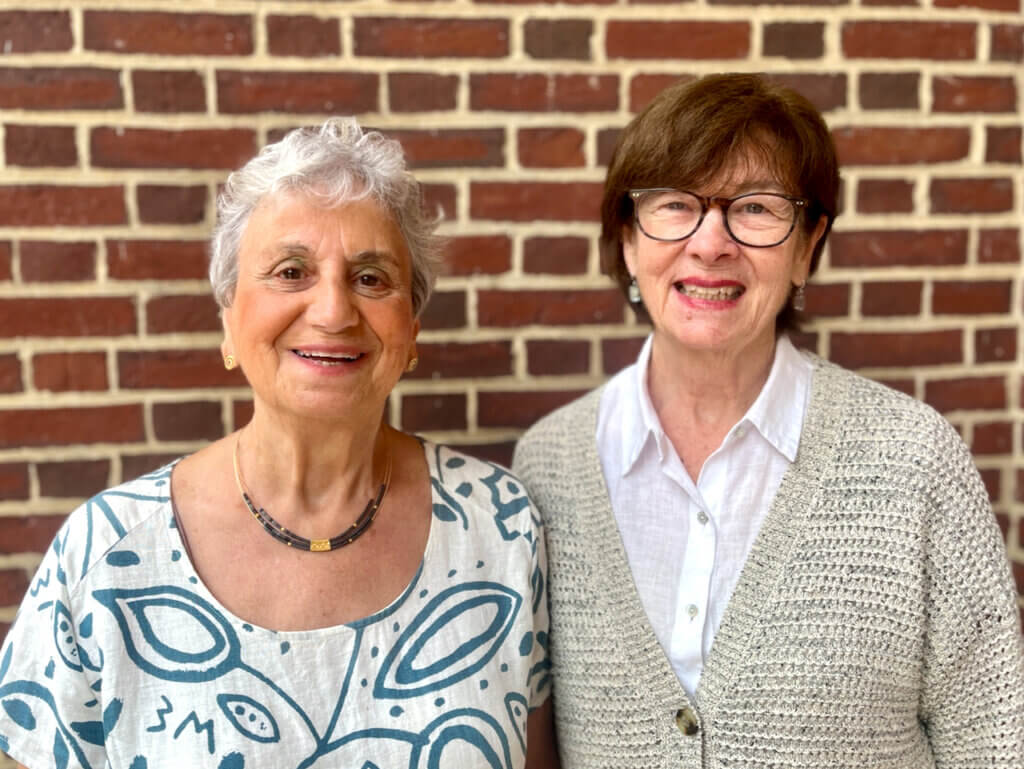
Reflecting on her work with Clover, Hilton said, “I have learned and grown tremendously. Truly, giving is getting.” Lipinski echoed the sentiment, saying, “My work with Clover has expanded my life and my heart.”
And both agreed that being based in Acton has made the hard work of launching, running, and sustaining a non-profit easier.


