Acton rolls out a research-based approach to teaching reading
The district is piloting a novel elementary school curriculum rooted in the science of reading and designed to boost literacy.
Read, think, talk, write.
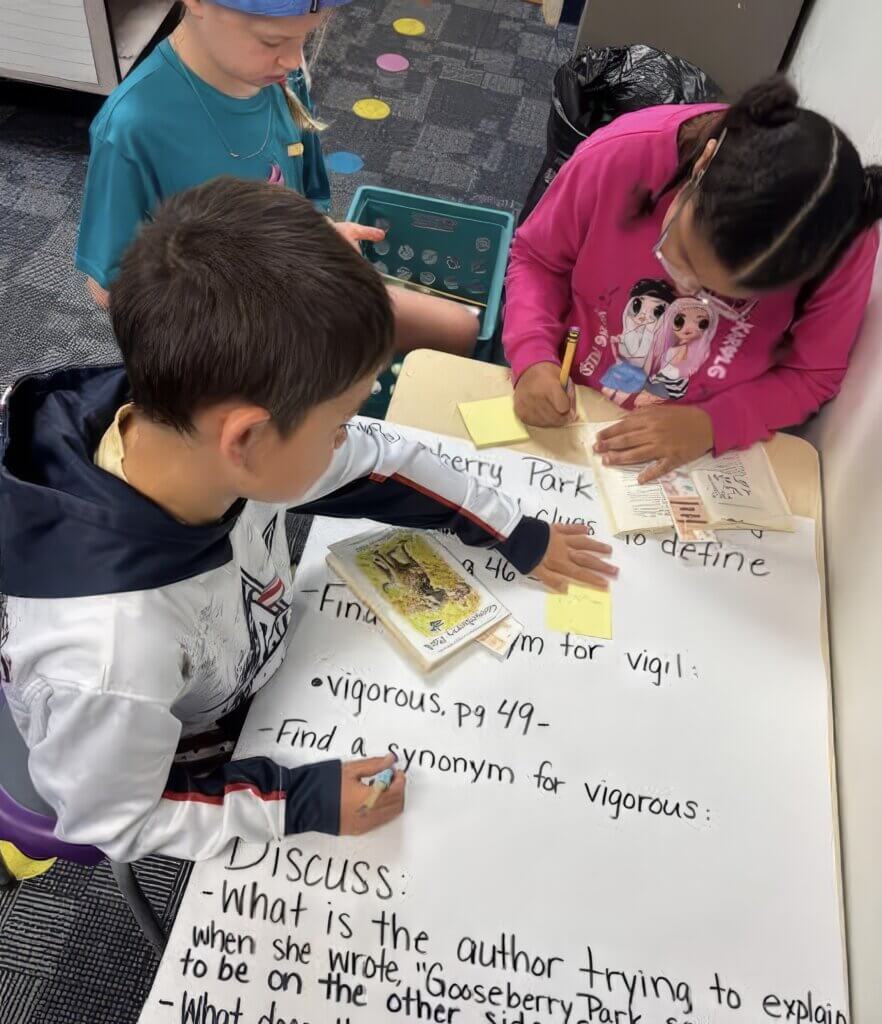
Under a novel research-based curriculum, Acton schoolchildren will follow that sequence to read — and understand — texts more effectively.
To that end, after classroom discussions on content and vocabulary, kids will discuss and write about it.
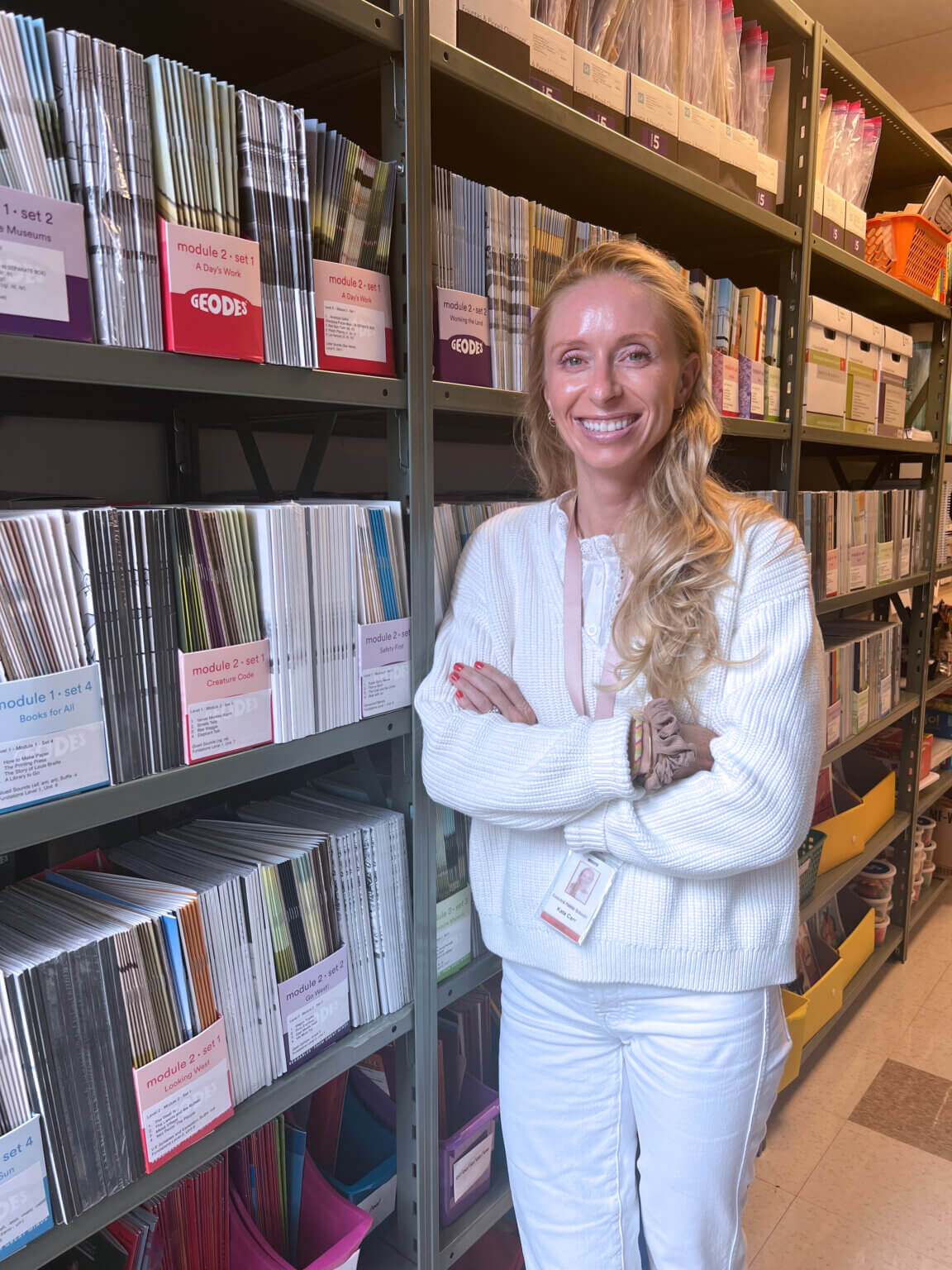
“You learn something best when you teach it to someone else,” said Katie Carr, a language arts specialist at Alcott Elementary School. “Each of these modules culminates in a task that is authentic. It has a real purpose, and it’s designed to be for a real audience.”
As Acton students return to classes, the district is piloting a novel elementary school curriculum rooted in the science of reading and designed to boost literacy.
Theory versus evidence
Though Acton has long had a unified phonics program, educators approached reading and writing separately and with various strategies. The new curriculum — provided by EL Education, a national, non-profit company — is intended to standardize what’s taught in each classroom across grade levels.
“We’ve had some of the more home-grown, teacher-developed materials,” said Shelly Chin, assistant superintendent of teaching and learning, “but this is different for us to be able to adopt a scope and sequence with unit topics.”
The science of reading isn’t a lesson plan in itself. It’s a body of research, Carr said, in not only education but also other disciplines, including psychology and science, proven to help kids learn to read better.
“Before that, so many of our schools were embedded in practices that were based in theory of how students learn to read, as opposed to evidence,” Carr said. “The [practices] that we are implementing and having teachers implement have been proven to be effective based on brain science.”
A modular approach
EL Education uses four modules per school year. In kindergarten, for example, units include “Weather is Wonderful” and “All About Trains.” Students begin with whole group instruction so everyone is exposed to the same content at the same time.
This is more equitable, Chin said, as all the children will come into future assignments and tasks with the same background knowledge.
“We’re all learning about the same topic together through all these different texts that are intersecting related to that topic, and so everybody’s building their knowledge on it,” Chin said. “Sometimes a gap in learning or skills is also just a gap in background knowledge.”
Carr said students can expand their knowledge with a common topic: “Kids do better in school when they know a lot of stuff about stuff.”
EL Education will be rolled out over the next two years and is scheduled to be fully in place across all three elementary schools by fall 2027. This year, 49 classrooms are piloting the program.
Chin said the district has invested in the curriculum, teacher training, and support.
While district funds have been expended, Acton also received a $366,950 grant through the state’s Department of Elementary and Secondary Education to help with the cost.
Measuring success
Students are assessed three times a year using DIBELS, a tool that measures phonemic awareness, phonics, fluency, vocabulary, and comprehension. It’s intended to help teachers measure progress and identify students needing more support.
Assessments are also embedded into the curriculum itself, Carr said.
“Our teachers are experts, and they’re doing assessments every day,” Carr said. “We watch them so closely. They’re all of our babies. So I don’t think anyone slips through the cracks.”
The educators cautioned, however, that a formal assessment won’t tell the whole story.
“We really need to give ourselves some grace in terms of learning this program, and right now, how we’re measuring success is really how teachers feel about it,” Chin said.
“How they are seeing those results on kids may not necessarily show up in the assessments fully,” she said, “but [teachers] know their kids. They know enthusiasm, they know persistence, they know engagement, and they know some of the outputs that kids can produce.”


