Creators say star-studded documentary on Thoreau will ‘wake our viewers up’
Premiering March 30 and 31 on PBS, the film is the first full-length documentary devoted to the Acton writer, philosopher, and naturalist.
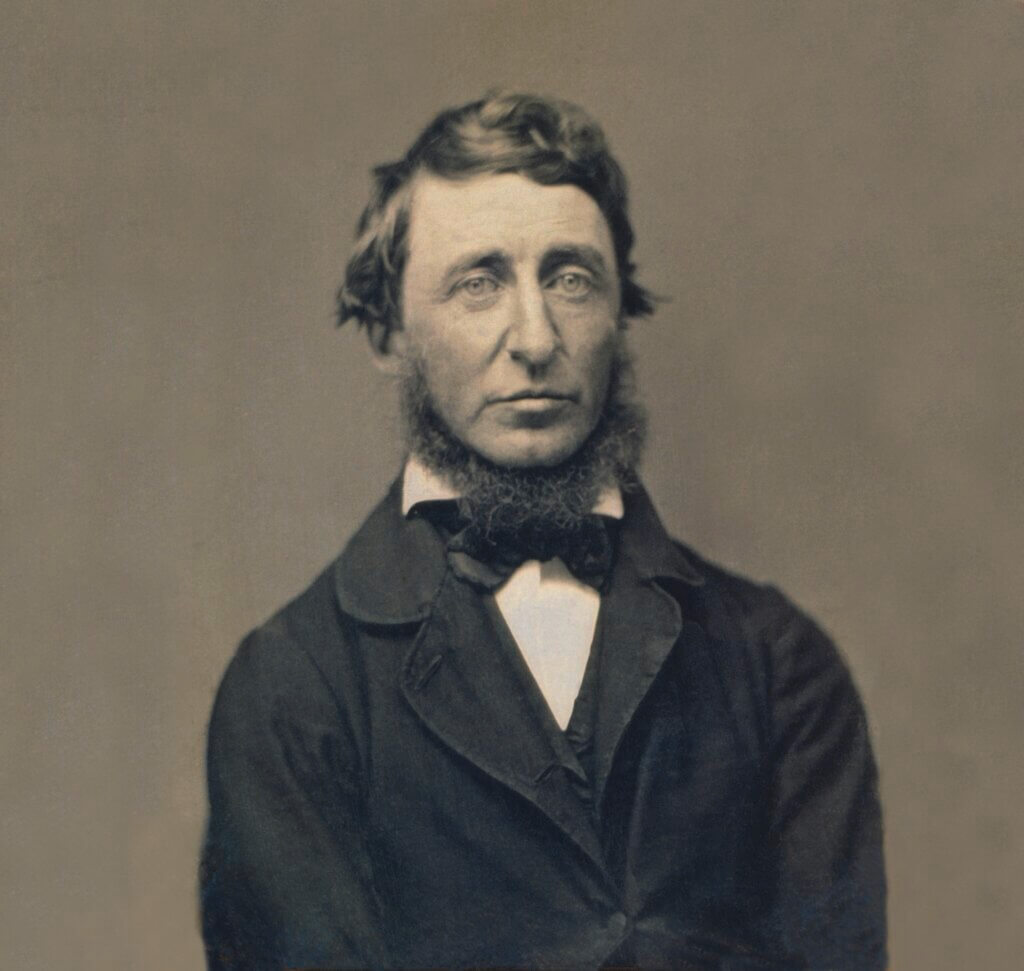
“His life was a relentless search for truth. His words have inspired revolutions, social movements, and environmental actions all around the world for more than 150 years.
“His name is Henry David Thoreau.”
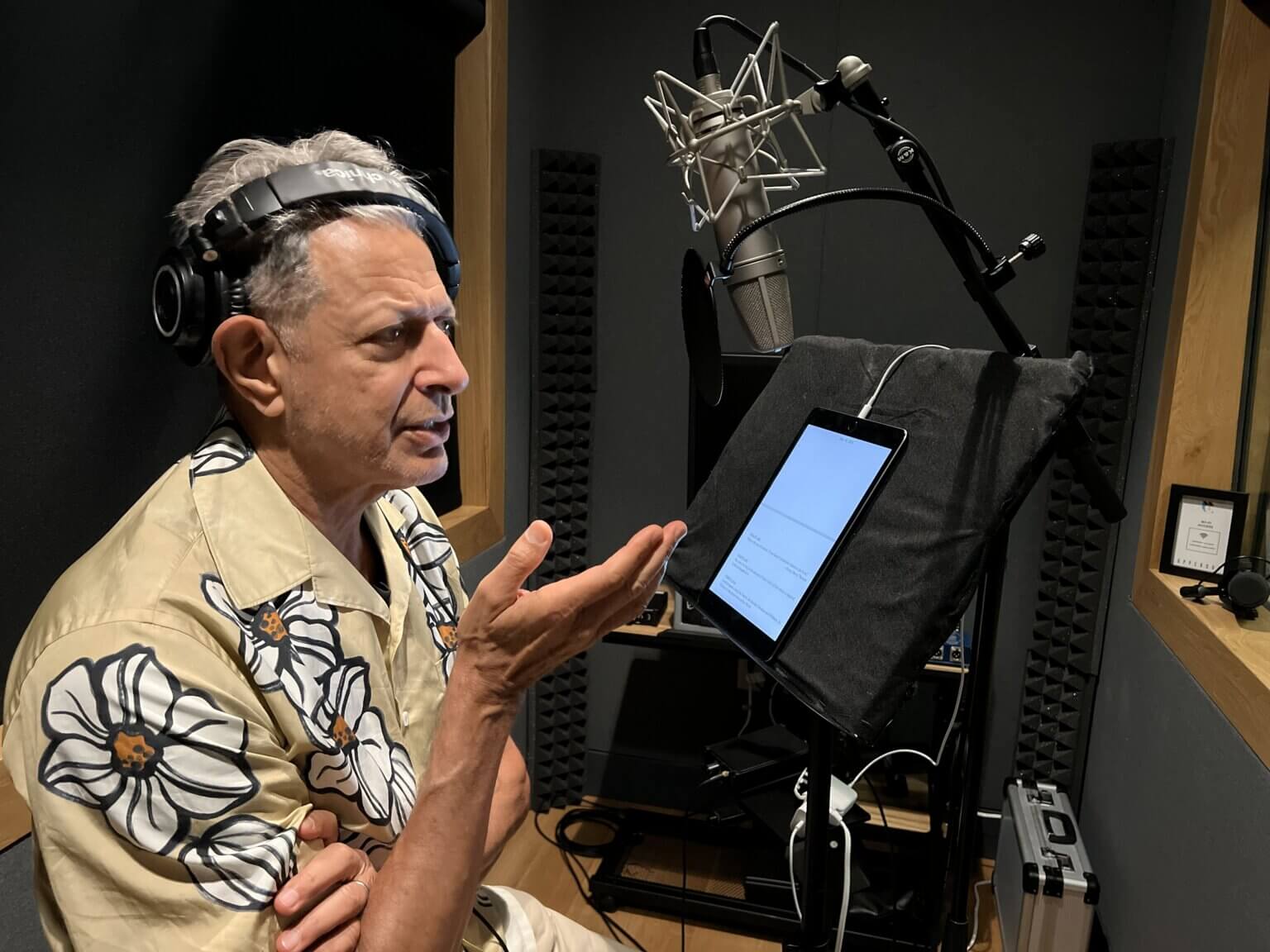
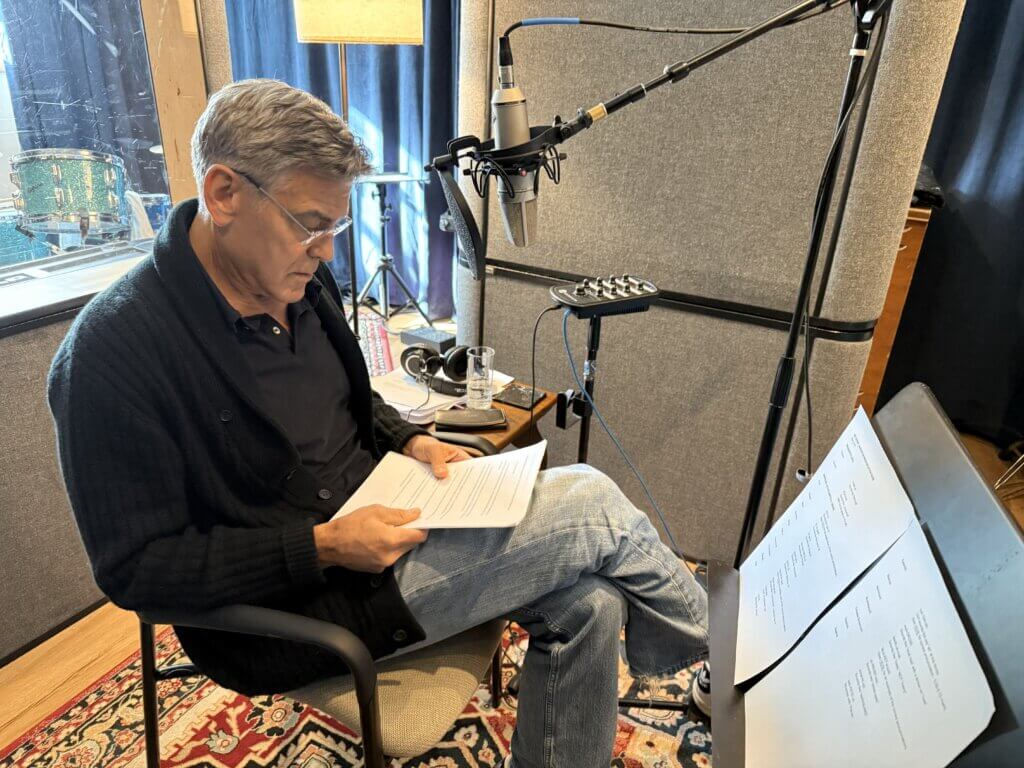
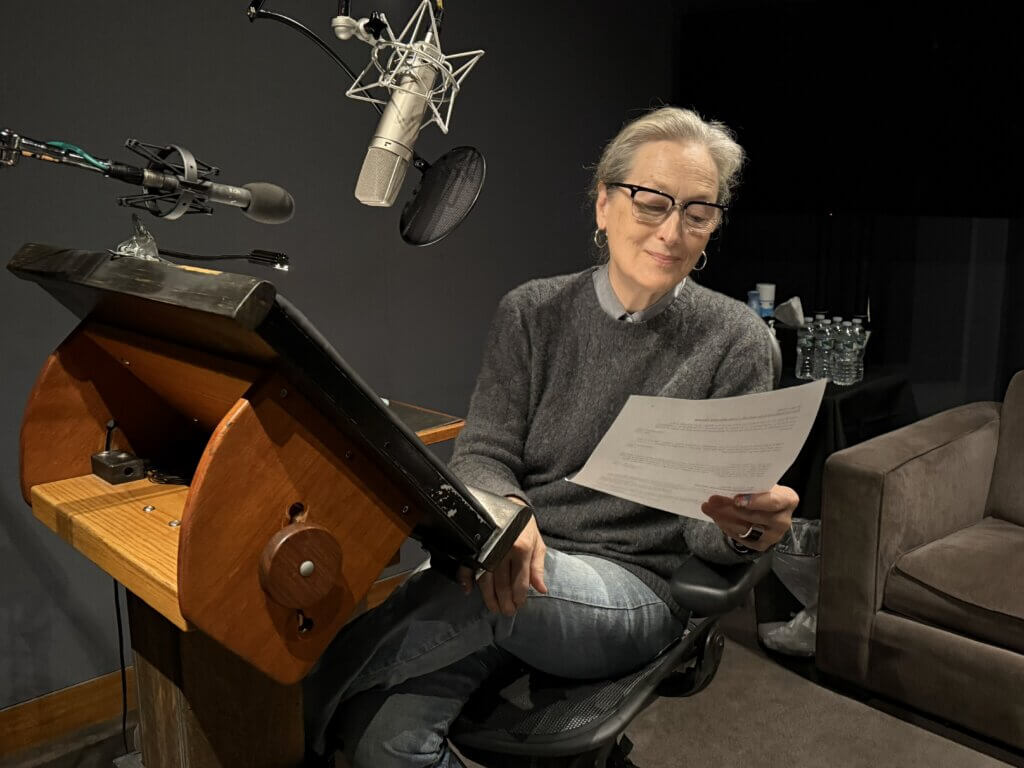
So begins a new television series about Thoreau, filmed largely in Acton and narrated by George Clooney, with voices of historic figures provided by Ted Danson, Tate Donovan, Jeff Goldblum, and Meryl Streep.
Holliston natives Erik Ewers and Christopher Loren Ewers, whose company is the New Hampshire-based Ewers Brothers Productions, directed “Henry David Thoreau” in partnership with documentary filmmaker Ken Burns’ Florentine Films. Recording artist Don Henley, founder and chair of The Walden Woods Project, and Burns are the film’s executive producers.
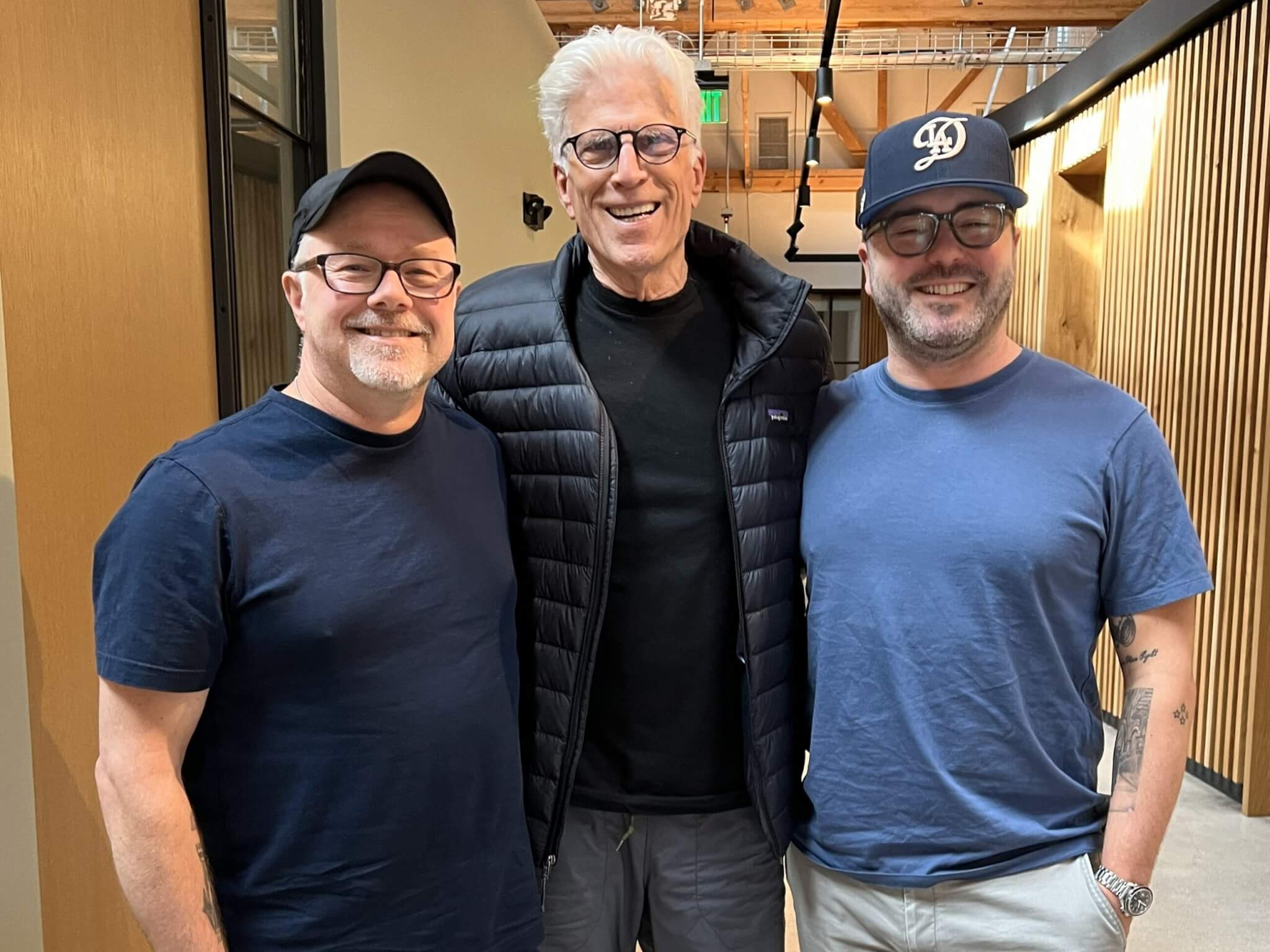
Premiering on March 30 and 31 on PBS and featuring input from scholars, writers, and environmentalists, the three-part, three-hour film is the first full-length, nationally broadcast documentary devoted to the Acton writer, philosopher, and naturalist, its creators say.
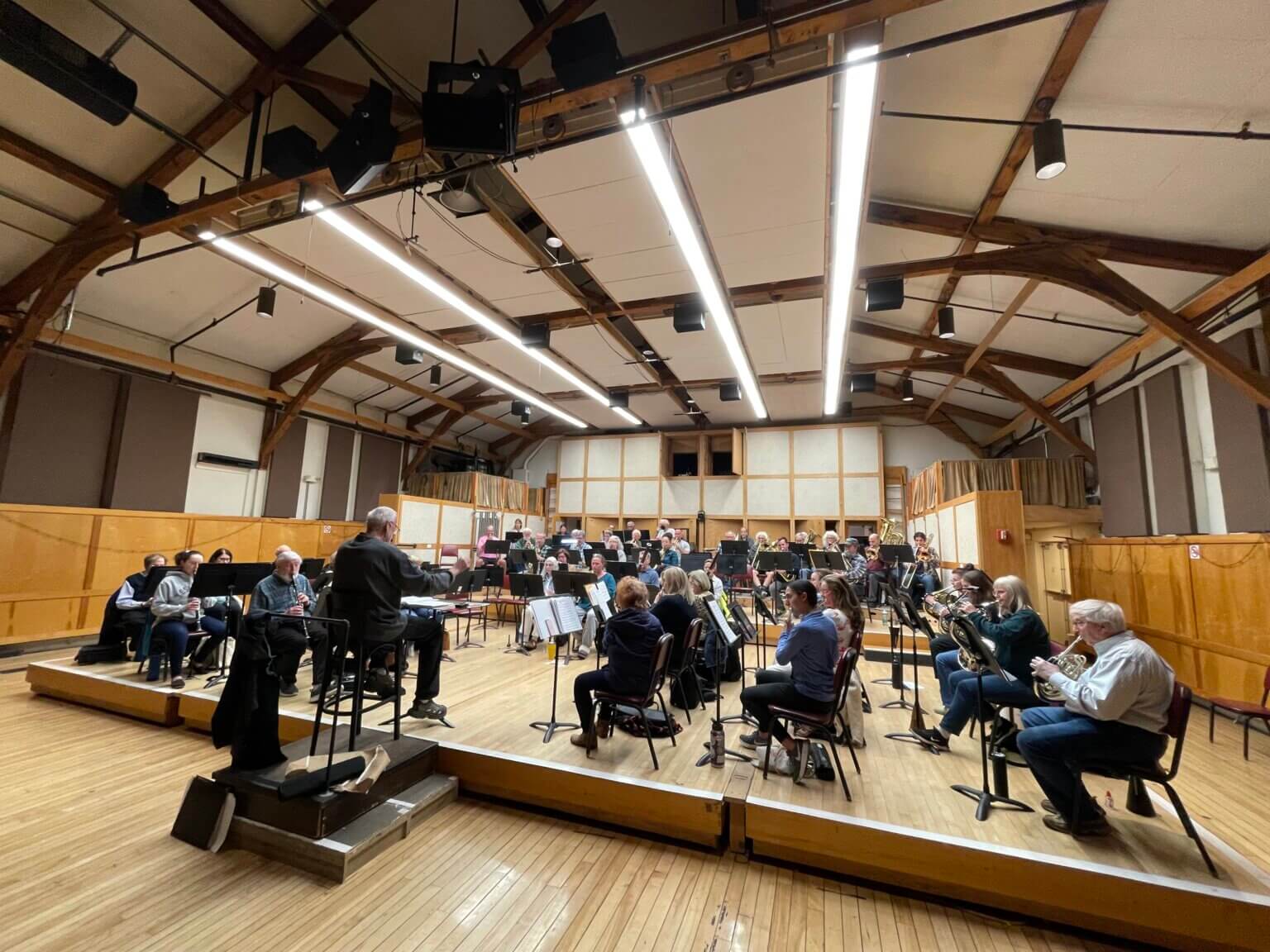
An event marking the premiere was held at Acton-Carlisle High School on March 23, featuring film clips and a panel discussion by the Ewerses, Henley, and three of the scholars who were interviewed for the series: Douglas Brinkley, Lois Brown, and Kristin Case.
‘The entire Thoreau story’
The Ewerses worked on “Henry David Thoreau,” written by Vermont resident David Blistein, for more than five years. “It was paramount that we get it right,” says Christopher. They “leaned on an incredible team of producers, researchers, and consultants, who were pivotal in keeping the film on the right track.”
The series addresses Thoreau’s life, from his childhood — when he was “aloof, introspective, and intensely curious,” Clooney says in his narration — through his post-Walden Pond engagement with the moral crises of his time, primarily industrialization, slavery, war, and environmental degradation.
Historian Bob Gross of Acton, author of 2022’s “The Transcendentalists and Their World,” offers on-camera comments during the series.
Christopher, 47, began working with Florentine Films as a cinematographer 20 years ago, and Erik, 57, an Emmy Award winner, has been with Burns’ company since 1991 as a director and film editor.
Erik traces his passion for filmmaking to being “captivated” by Burns’ “The Civil War” series as a college student. He was so inspired by Burns’ “brand new storytelling style,” employing music, voice-over, realistic sound effects, and 19th-century photographs, that “I knew this was what I wanted to do.”
Erik’s father, a Civil War enthusiast and reenactor, urged him to call his aunt and uncle, neighbors of Burns in New Hampshire. “The rest is history,” says Erik.
Erik and Christopher remember being required to read “Walden” in high school, which they did not enjoy. When they had to write a paper on it, “I think both of us probably received no better than a C+ or B- at best,” says Erik. Thoreau’s prose “is dense and full of metaphor, and he draws upon learned adult life experiences that we could not have had back in high school,” he adds.
“If you read him post-high school, and are patient with the text, a whole new world reality opens up before you — one that is profoundly meaningful.”
In 2014, Burns, prompted by Henley, asked the brothers if they would make a short film for the Walden Pond Visitors Center about Thoreau’s two years at Walden. When they realized that Thoreau’s life and lessons are still relevant, they suggested making a full-length documentary that tells “the entire Thoreau story,” says Erik.
Henley and Kathi Anderson, executive director of The Walden Woods Project, were enthusiastic. “Thoreau’s 19th-century ideas are universal and pertinent,” Anderson says, adding that they “prompt us to consider” issues such as “how to live an authentic life in a time of turmoil and uncertainty.”
How an Eagle landed in Walden Woods
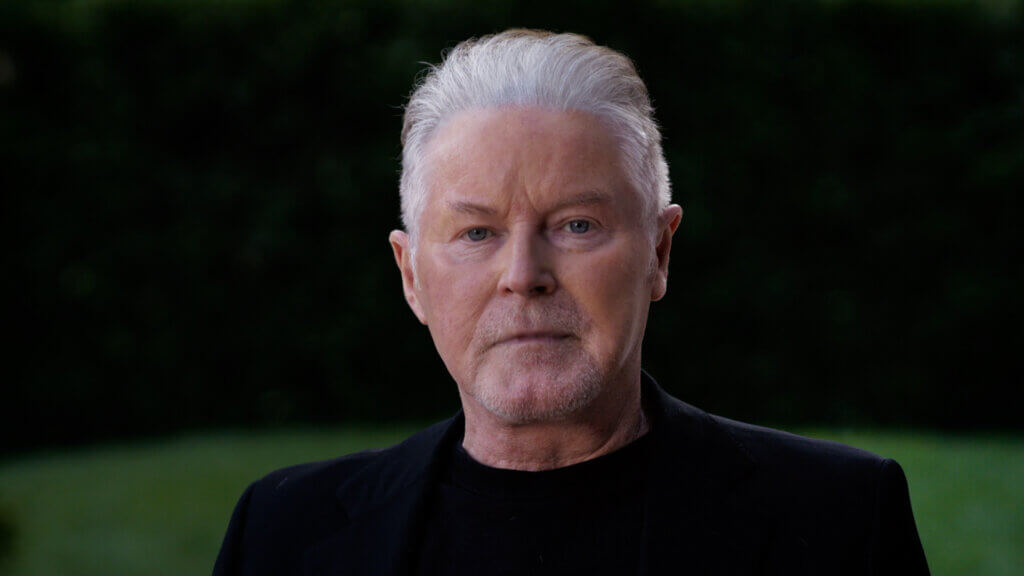
Don Henley, Grammy Award-winning Eagles co-founder and lead singer, is a longtime environmental advocate. He founded The Walden Woods Project in 1990 to preserve the historic forest around Walden Pond.
From Las Vegas, where he was performing with the band, Henley said he grew up in Texas surrounded by forests, lakes, and streams. In 1968, when his father fell critically ill, he found “solace in Thoreau’s writings and in the natural world he wrote about.”
In 1989, Henley learned that a 150,000-square-foot office park was slated to be built on Brister’s Hill, a historic site named for the formerly enslaved Brister Freeman, and that local preservationists were mounting an opposition.
“Long story short, I got involved,” he said in an email. He traveled from Los Angeles to Acton in March 1990, and, “not adequately dressed for the weather, crunched through the snow in Walden Woods.”
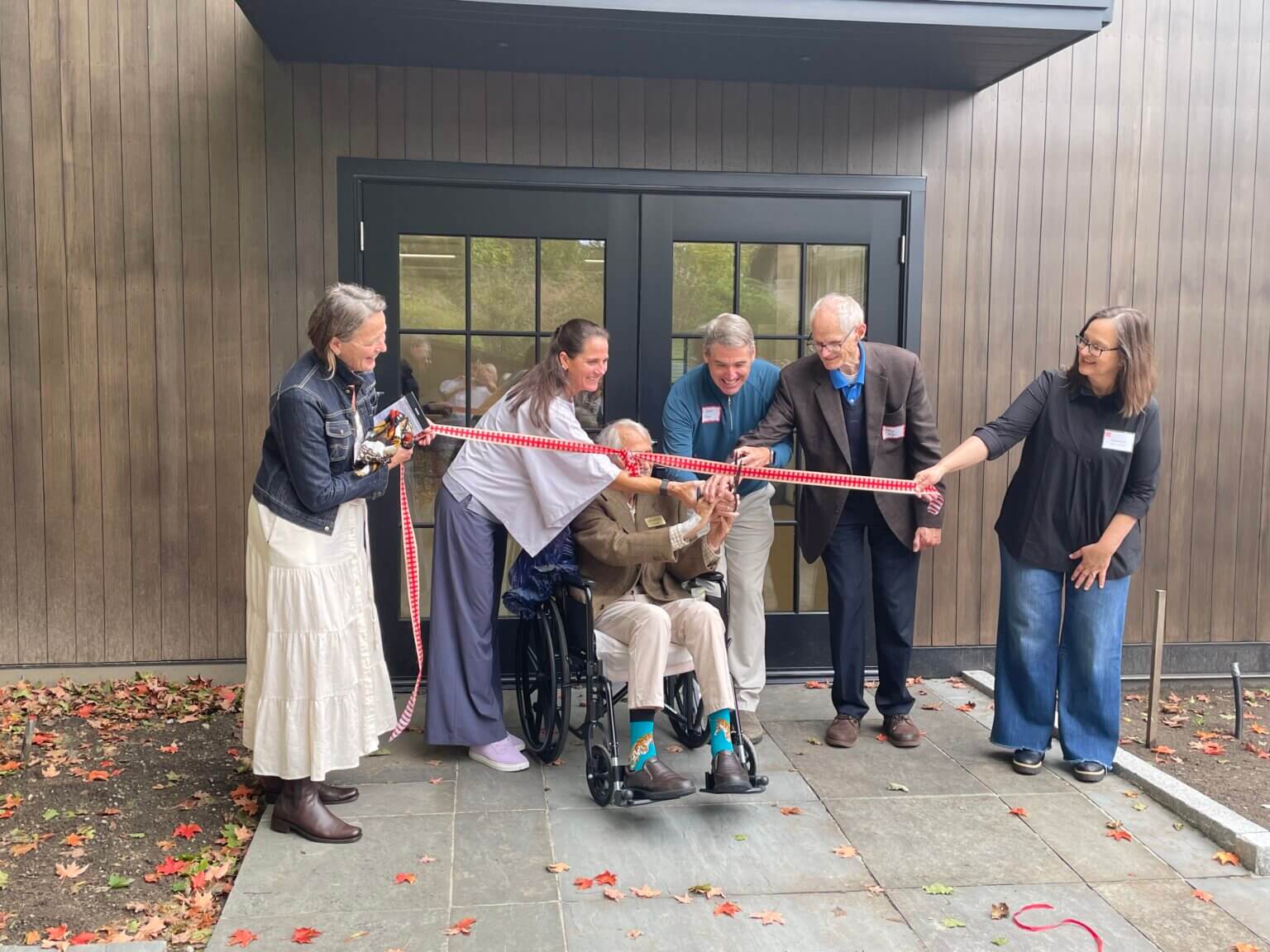
The Walden Woods Project develops educational programming, promotes research and scholarship, and stewards nearly 200 acres on 17 key sites within Walden Woods, managing to protect areas including Brister’s Hill.
However, “for over 30 years, our highest land conservation priority has remained unmet — the permanent protection of Acton’s 35-acre municipal site on Walden Street,” Henley said, explaining that the group wants a landfill sited near the pond in 1958 to be restored to its natural condition.
Said Walden Woods Project Executive Director Kathi Anderson, “Few are aware of the behind-the-scenes, day-to-day work that Don has done and continues to do for the organization. His leadership and commitment have been essential.”
‘Staring at bugs and frogs’
Henley helped raise funds for the film project and secure the participation of Clooney and the other actors. He spent time in the studio, assisting with sound mixing and editing.
“It takes a village to make a great documentary film, and I was honored to be a member of a talented and creative team,” Henley said, an effort that “brought Henry David Thoreau to life with an honest accounting of his strengths and weaknesses, his growth as a person and a writer, and his humanity — dispelling the myths and misconceptions that seem to surround his life.”
The team shot footage “in every season,” says Christopher, filming around Walden Pond and Walden Woods, along the Sudbury and Acton Rivers, at the Emerson House, the Old Manse, the North Bridge, and on Fairhaven Hill. Members of the production team spent time in Special Collections at the Acton Free Public Library, photographing nearly 150 19th-century glass plate negatives.
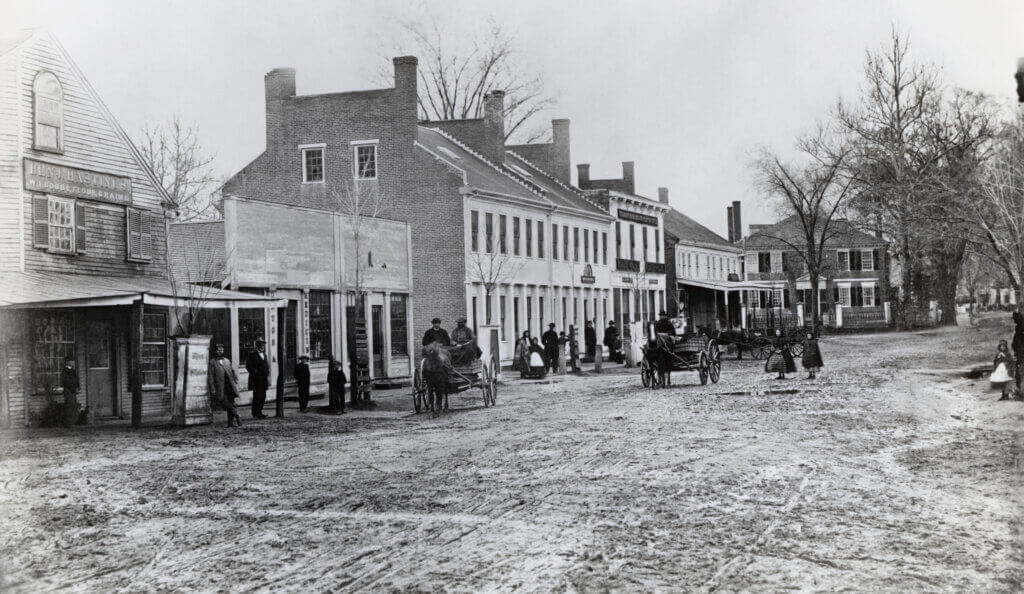
“It took us a long time to see through Thoreau’s lens,” he adds. “[He] would spend hours staring at bugs and frogs in a swamp, and so did we,” says Erik. They traveled to Maine and Cape Cod, following in Thoreau’s footsteps to try to re-create his experiences there.
The team hopes viewers of “Henry David Thoreau” will realize that the 19th-century writer and social reformer believed “conscience should guide citizenship and solitude can be a source of strength,” ideas that can guide us today, says Erik.
“Our film is a call to action,” he adds, “to wake our viewers up.”