Crews remove lead, asbestos at subdivision site
A Symes Associates Inc. manager said an old trash burn pit on the West Acton site was to blame.
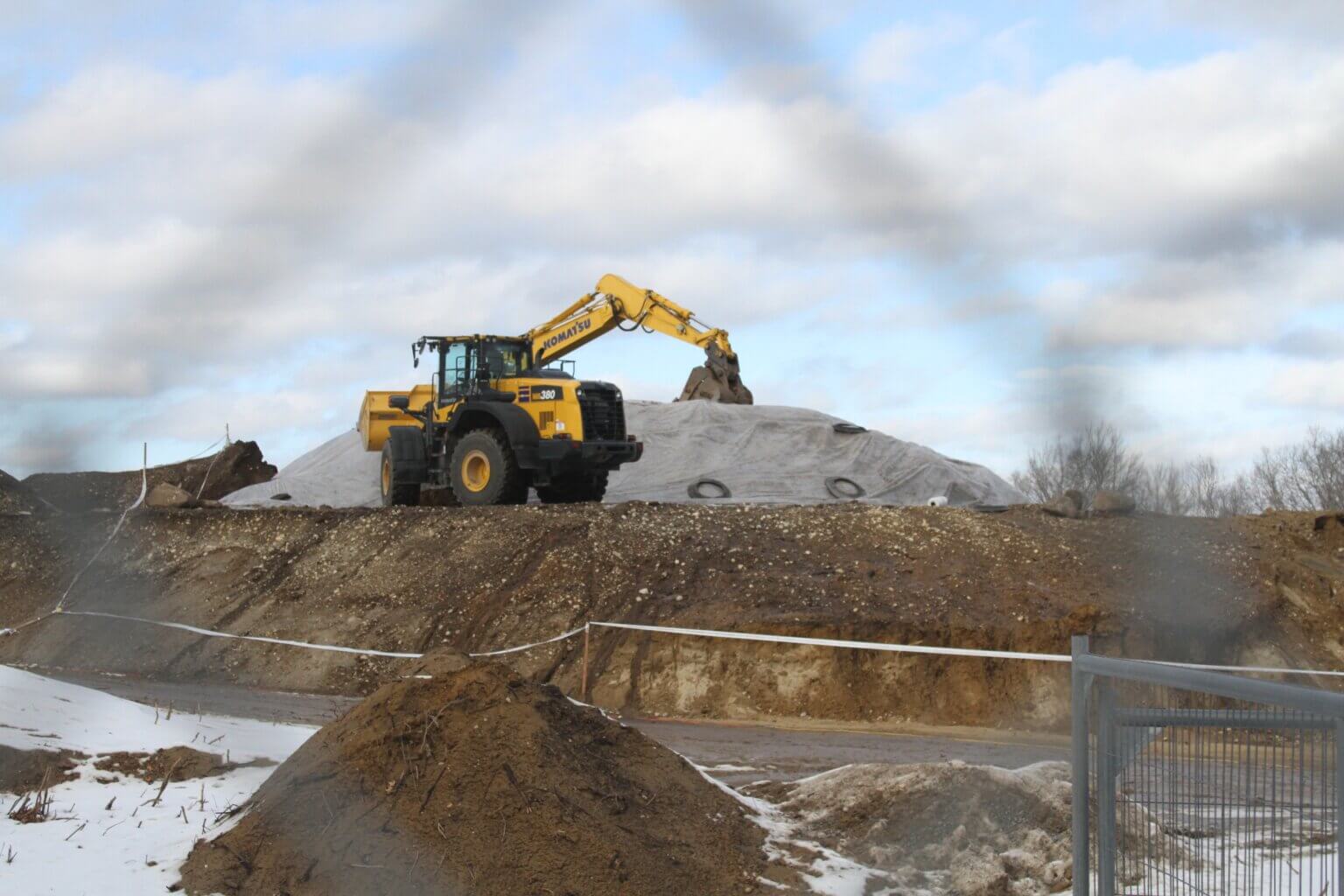
Work is ramping back up on a controversial West Acton subdivision after lead and asbestos contamination caused delays.
Symes Associates Inc. Business Development Manager Jeff Rhuda said an old trash burn pit was to blame, and workers were set to remove tainted soil last week.
A state spokesperson confirmed that air monitors around the site hadn’t detected any excess pollution drifting off the property as of January 14.
Asked about groundwater contamination, the same spokesperson said there was “no definitive information.”
For a hazardous material issue, Rhuda said, this is “very minor,” and neighbors need not be concerned.
The site still required careful remediation, and Rhuda said this discovery “goofed up our schedule.”
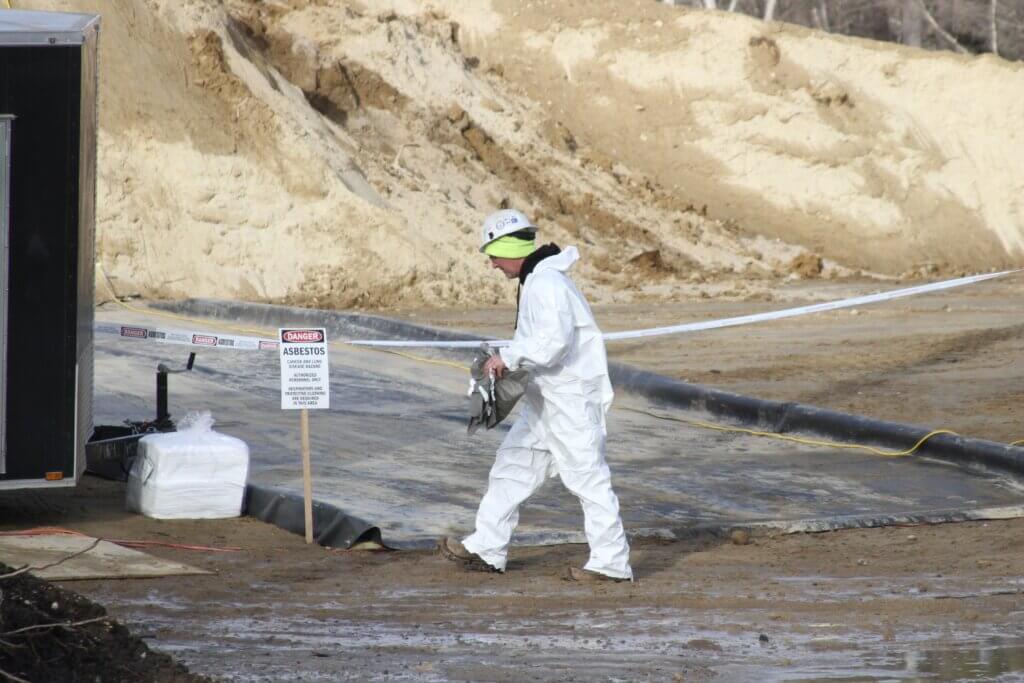
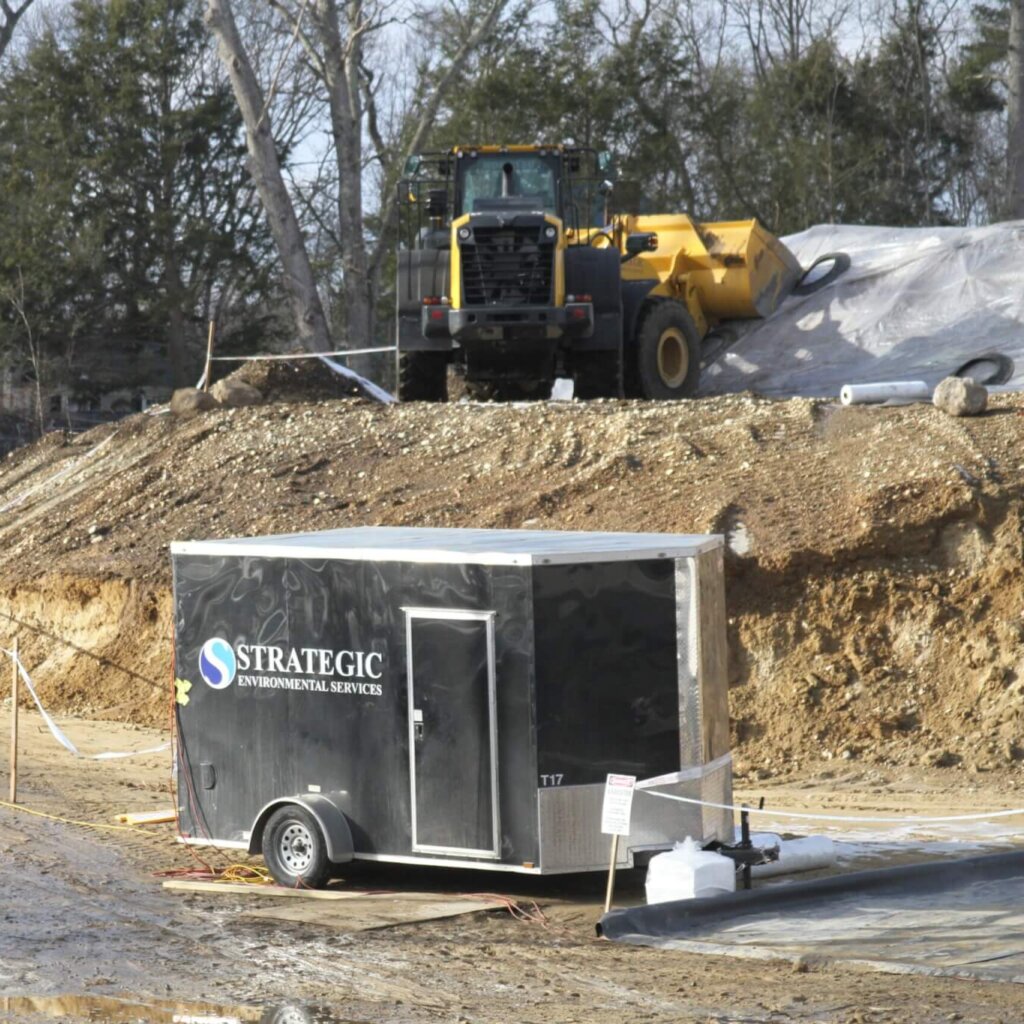
Crews in protective suits walked the 1442 Main Street site after the state approved Symes’ remediation plan. Remediation contractors remained on site as of January 21. Rhuda said he expected the team would start work on the first of at least 19 single-family homes by month’s end.
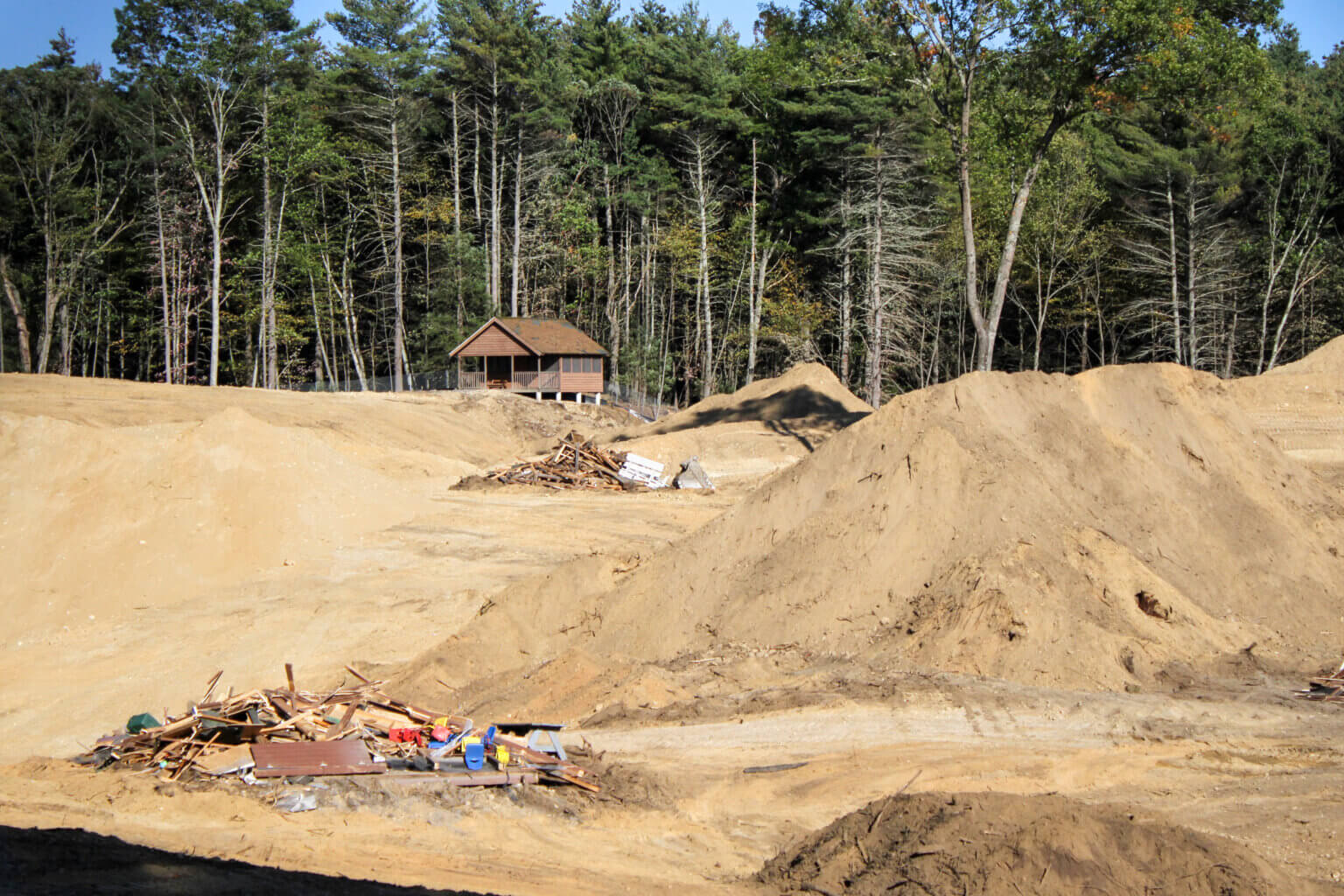
Community frustration simmers, in the meantime, with naturalist Peter Alden recently describing the deforested parcel as the “Sahara of West Acton.”
Trash pit pains
Developers started work last summer after a years-long legal fight.
Excavators demolished two existing homes and leveled most of an earthen ridge before a worker discovered the burn pit, Rhuda told The Acton Bridge.
Burning trash can release harmful chemicals. The state now bans the practice.
Rhuda said the developers “were never informed” of the pit, and initial soil samples didn’t catch residue from it.
Records show Symes reported high lead levels to the state Department of Environmental Protection on October 13.
Regulators flagged asbestos readings during a November 4 conference call and approved laying plastic sheeting over the contaminated area while they finalized a removal plan, according to a memo from Symes’ environmental remediation contractor.
The final plan said crews would remove 1,100 cubic yards of soil for disposal in Rochester, New Hampshire, and Quebec, Canada.
Builders notified town brass. Town Manager Kerry Lafleur told The Bridge she’s seen these notices before, and they’re “not uncommon.”
The state has documented 12 other “reportable releases” in Acton since 2020. Most were oil or fuel spills, a DEP dashboard shows. One case involved lead contamination. Although it wasn’t filed as a waste release, workers had to adjust their demolition schedule when they discovered asbestos in the old Sanborn School last year.
Two-month delay
Work didn’t stop across the Symes property, but Rhuda said crews had to avoid the area around the trash pit. He said this slowed construction by roughly two months.
He estimated it will still take about two years to finish building all the homes.
Aside from recently discovered contamination, he said, “there’s nothing else to find” because the site was “down to grade” everywhere except for the area around the old trash pit.
The Symes site hit other problems last month when several drivers parked on the property. This happened on a Saturday while homeowners across the street were hosting part of the Acton Museum’s Holiday House Tour.
Rhuda said the parking “was uninvited,” and crews planned to install a fence to prevent repeat issues.
The parking happened outside the contamination buffer zone, and crews had already covered the dirt with plastic. Rhuda said drivers weren’t at risk from the toxic materials.
Acton Museum spokesperson Katy Morris said tour ticket holders got instructions telling them to park on West Street, roughly a quarter-mile from the open house. Holiday House Tour organizers develop instructions “in close partnership” with police, Morris said, and “we will continue to follow this process in the future.”
Neighbors have long worried about tree cutting, extra noise, and other issues from the planned subdivision. Symes took Acton to court over initial requirements from municipal boards.
Judge Howard Speicher, in a legal ruling, excoriated the town’s actions as an example of “the sometimes unwarranted regulatory hurdles” that drive up Massachusetts home prices.
As the project proceeds, Acton affordability advocates are still speaking out.
“They have not been a town- or conservation-friendly developer,” Housing Foundation President Frank “Rich” Feeley said during this month’s town Conservation and Climate Coffee.