Debate simmers over sizing of Black Heritage Trail signs
“How small does Black representation have to be in this community before it’s acceptable?”
Concordian Rob Munro supports new Black Heritage Trail Markers, but he understands the 5-foot-tall signs could be “a little bit overwhelming.”
That’s part of the point.
As organizers seek to educate on Acton’s rich but “undertold” Black History, “The size is symbolic,” Munro said.
People questioning the markers almost universally say they’re not opposing the content, but the signs just seem too big.
Signs would stand at eight to 10 significant spots, including Holy Family Church, where Frederick Douglass once spoke. They would be mounted on posts, making the whole display roughly six feet tall.
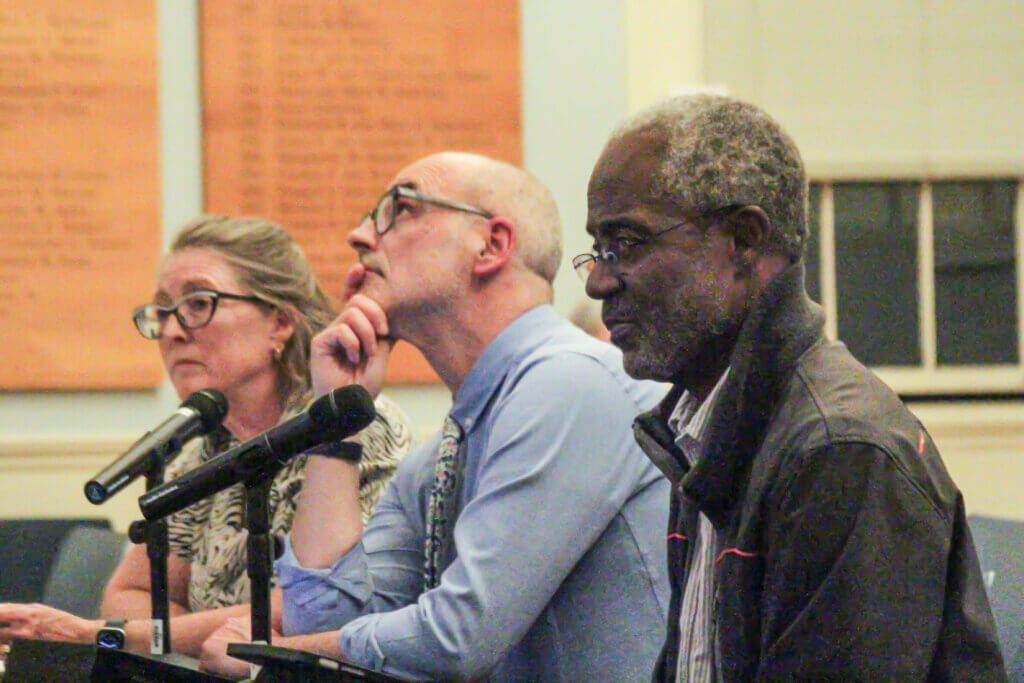
“I’m just a little tiny bit taller than that,” fellow Historical Commission member Nancy Nelson said as Munro showed a mockup during a recent commission meeting, referencing the five foot-by-18 inch signs. “Where else do you ever see anything that size?”
As the conversation continues, it’s feeding a larger debate about how such a historic town tells its stories.
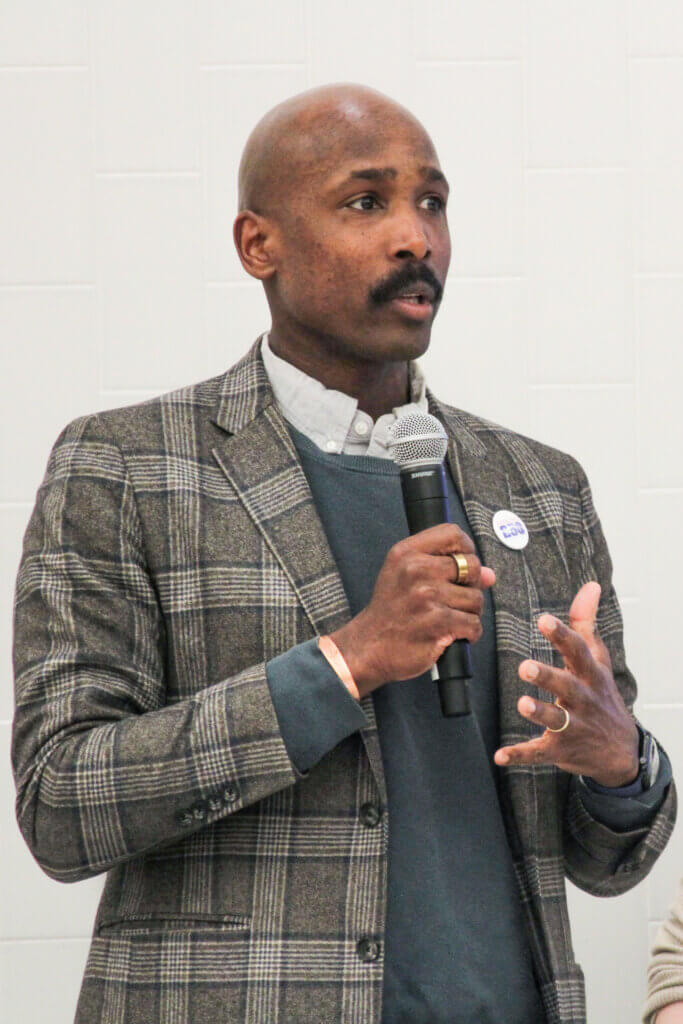
Officials and advocates have stumped for the signs in recent months. Amid calls to downsize, and despite opponents’ insistence that they support the message, School Committee member Michael Williams said he’s left with a question.
“How small does Black representation have to be in this community before it’s acceptable?” he asked in an interview with The Acton Bridge.
Project details
Acton won a $14,000 state grant for the markers and plans to chip in another $14,000 from its federal American Rescue Plan Act allocation.
The project’s advisory team includes an array of town officials, representatives of local organizations, and other supporters.
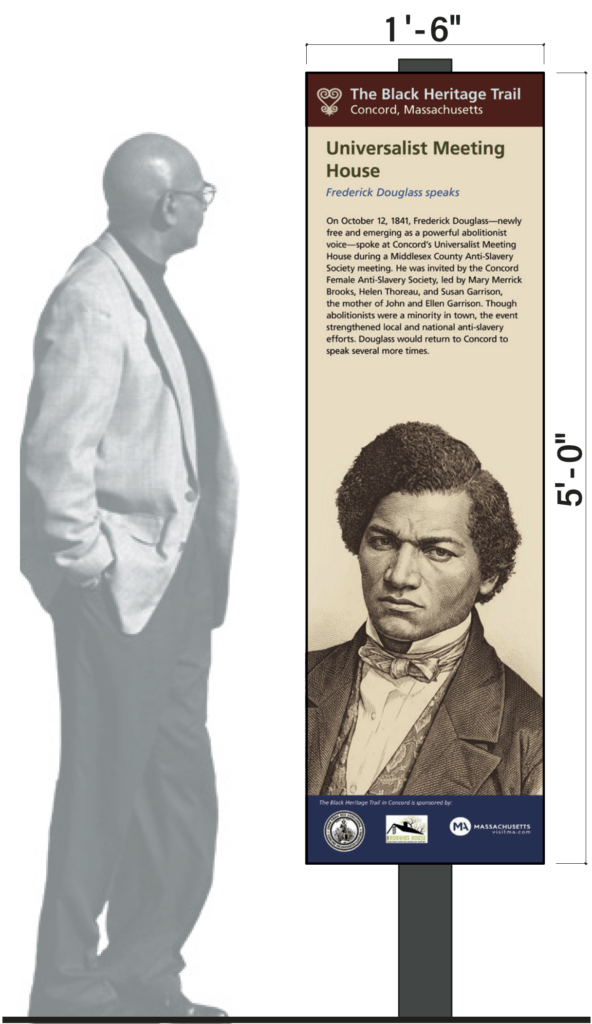
The proposal is “not only about honoring the past,” Williams told the Select Board. “It’s about signaling who belongs here today.”
This argument for more acknowledgment of Black history “should be enough,” Williams told The Bridge.
What’s more, though, Economic Vitality Coordinator Mimi Graney said 60% of retail sales are tied to tourism, and recent estimates have Black travelers spending $145 billion per year on domestic leisure trips. Supporters argue that people go where they feel welcome, and trail markers could attract new tourists.
Officials submitted their state grant application last July. Graney first presented the concept to the Select Board in December, and organizers have been gathering public feedback.
Beyond Douglass, other signs could cover visits that Harriet Tubman made to Acton, spots where Black Concordians built homes, and Underground Railroad stops.
Project co-lead Joe Palumbo said the team expects to go back before the Historic Districts Commission and the Select Board next month. If all goes to plan, they hope to install signs in the fall.
So far, they’ve faced pushback at several turns.
“They’re big,” Historic Districts Commission Chair Kate Chartener said after a mid-April presentation.
HDC’s Kristen Dahlmann said one proposed marker outside the Town House would block the historic facade.
‘Really take stock’
The markers debate is the latest in a series of disputes regarding how minority groups are honored or memorialized (see timeline, below).
Reckonings and resistance
2021: Acton Prison Outreach launches “Naming the Unnamed” project to deanonymize people buried below nameless headstones in MCI-Acton prison cemetery.
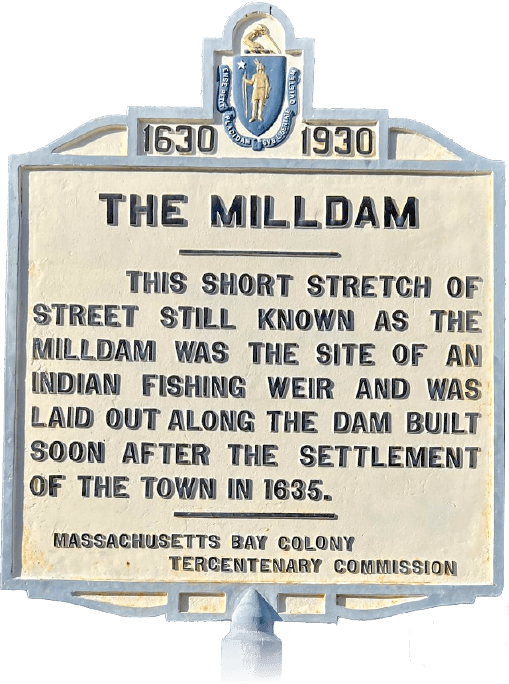
2023–2024: Staff remove a set of nearly 100-year-old historical markers “for maintenance” after critics deemed them historically inaccurate and offensive toward Indigenous people. The markers remain “safely in storage,” per a town official.
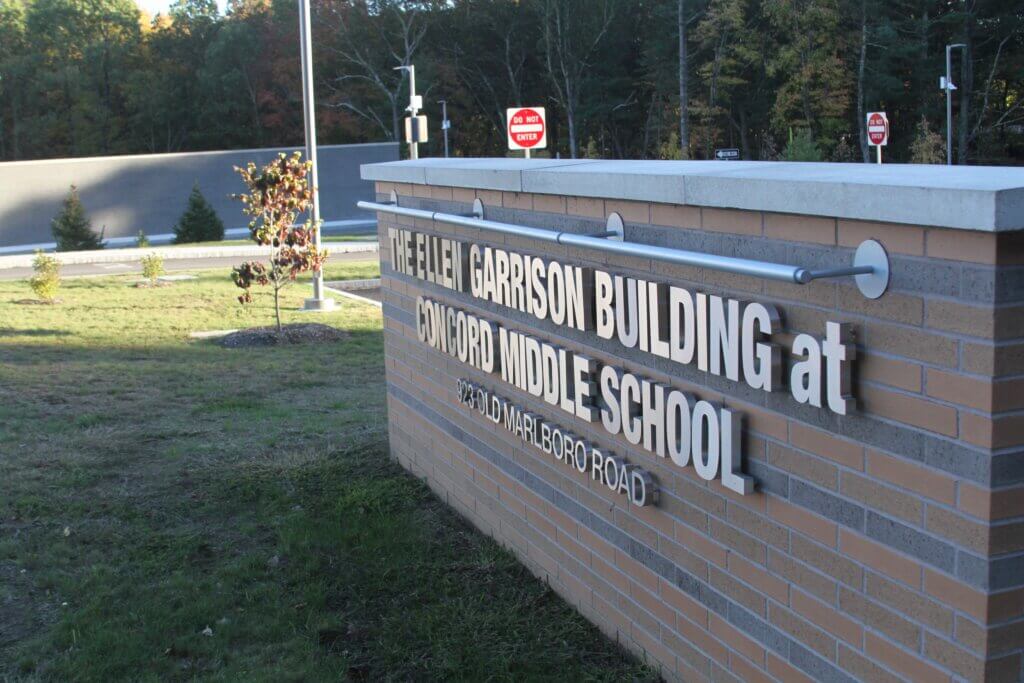
2022–2024: Proposal to name new Acton Middle School building after Ellen Garrison prompts intense public debate. School leaders ultimately back a compromise name — “The Ellen Garrison Building at Acton Middle School.”
2023–2025: Concord250 planners propose a memorial honoring underrepresented groups but face pushback over how it would look in Monument Square. The project stalls.
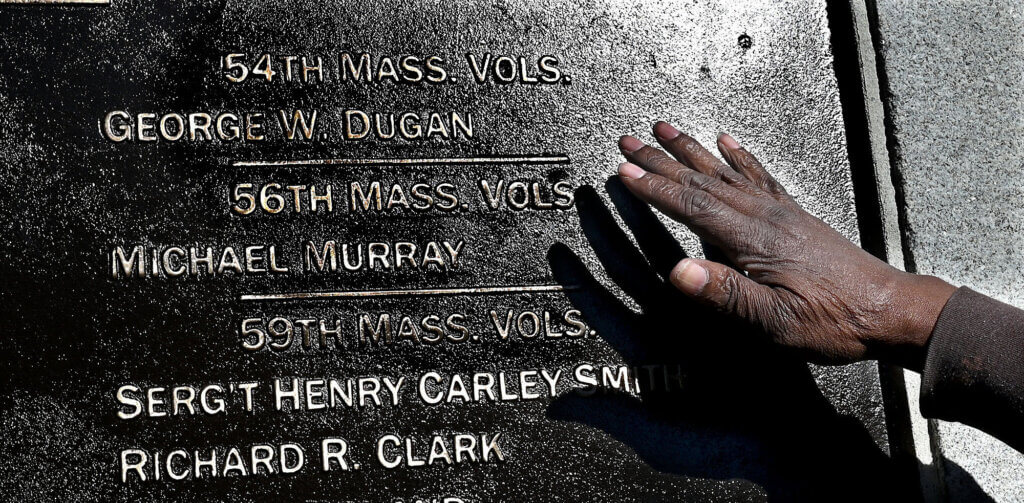
2024: Acton adds George Washington Dugan, a Black Civil War veteran, to its monument honoring men killed in the war after more than 150 years absent from the list.
2026: A new proposal to honor men who died in the Revolutionary War with a memorial in Monument Square faces questions about transparency and public input. Concord250 Corp. President Henry Dane petitions his way onto this year’s Town Meeting warrant but opts against bringing the proposal up for discussion.
2026: Black Heritage Trail Markers proposal sparks new debate over aesthetics and how to educate people about Acton’s history.
File photos/The Acton Bridge; Town of Acton
The Historical Commission’s Nancy Fresella-Lee listed other pieces of “underrepresented history,” including the experiences of women, Indigenous people, other people of color, and immigrants.
She suggested the town might create a new committee to “really take stock of what we have and what’s missing.”
Trail marker supporters hit the street with a booth during April’s Patriots Day festivities.
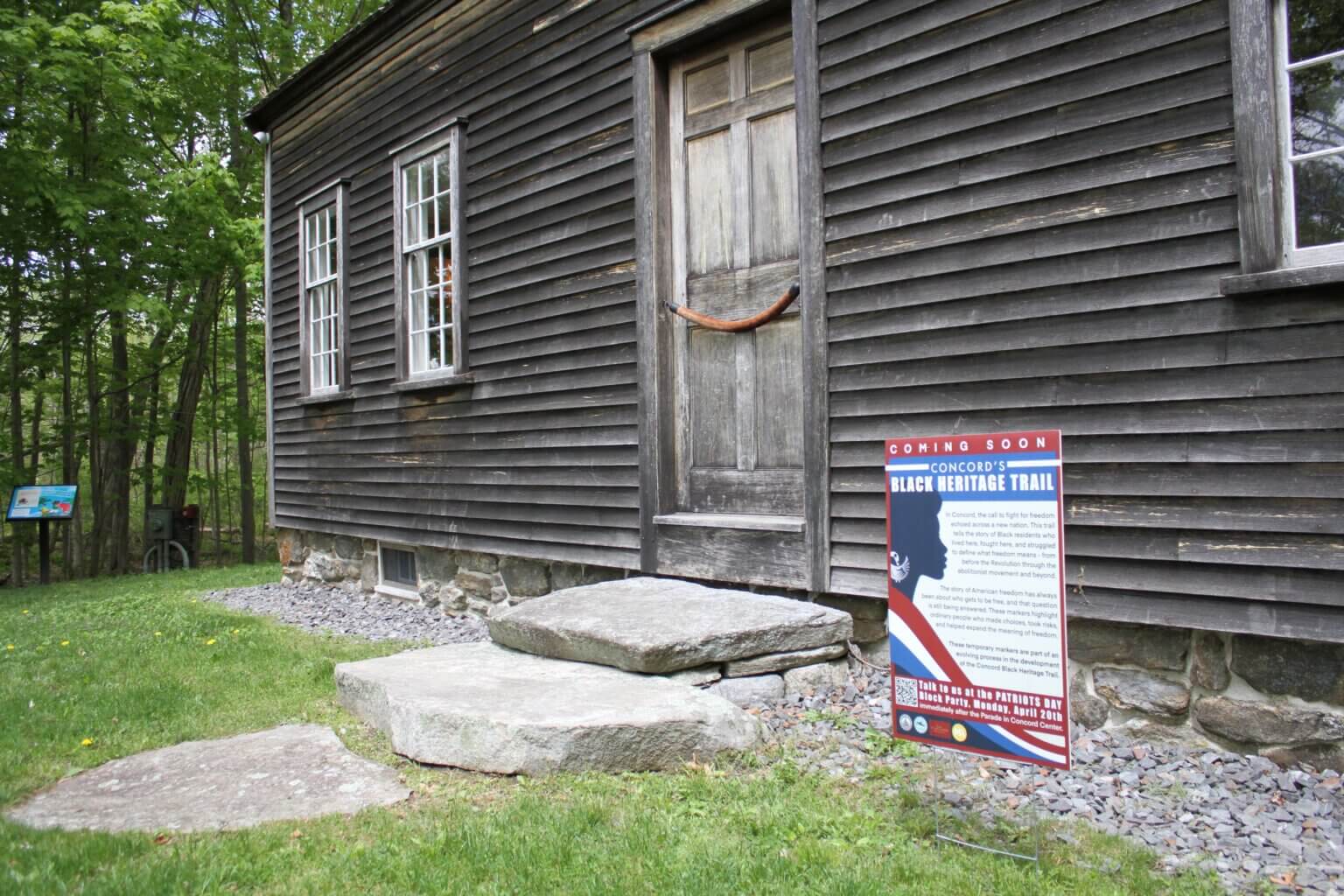
On May 12, a temporary lawn sign advertising the marker effort greeted tourists streaming into The Robbins House museum.
At the Historical Commission, members discussed Acton’s existing program of placing small signs on historically significant homes. Even if they’re expanded slightly, they’ll be “an appetizer” that could prompt someone to look deeper into a home’s history, Fresella-Lee said.
The conversation shifted to Black Heritage Trail Markers, and Munro called those “a full-course meal.”
In the push to elevate Black stories, he said, “an appetizer often isn’t enough.”
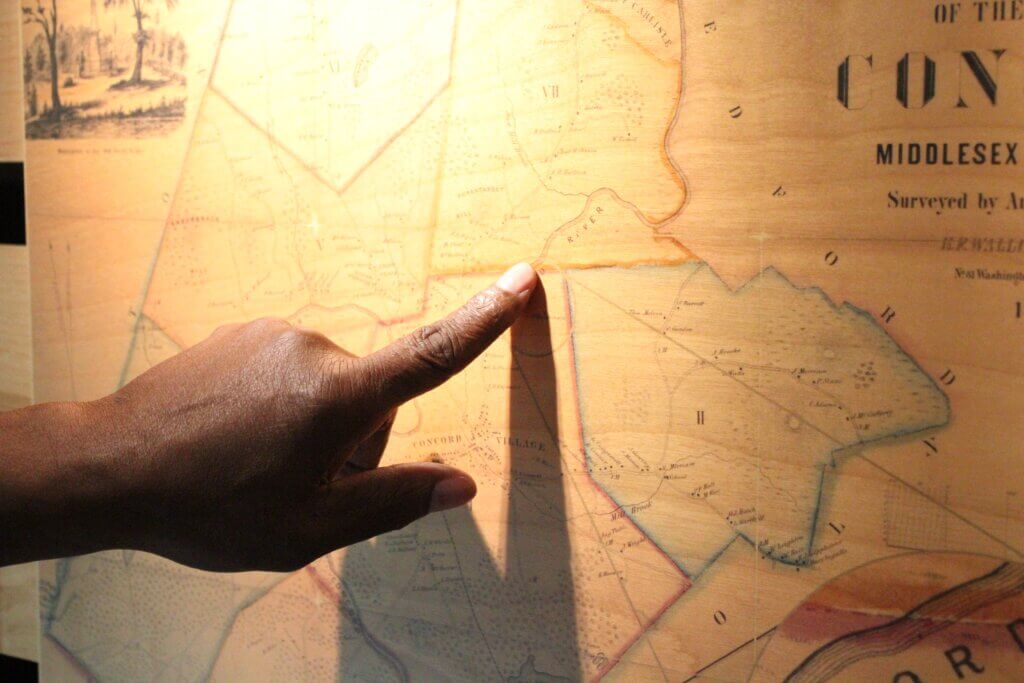
‘Strong demand’ for tourism beyond the battlegrounds
As another summer nears, town staff are citing tourists’ interests in a pitch for new Black Heritage Trail Markers.
The Visitor Center “has seen a strong demand for inclusive programming,” Economic Vitality Coordinator Mimi Graney told the Select Board earlier this year.
The Collette travel company is delivering some of that demand and brought dozens of travelers from around the country through town on May 12.
Dave Redl, a veteran from Iowa, was interested in the North Bridge battleground. The group also crossed the street to The Robbins House, a historic home that now operates as a museum focused on Black Concordians.
People like Caesar Robbins — a Black man who fought in the Revolution — weren’t part of Redl’s school curriculum when he was growing up, he told The Acton Bridge, but “this is history.”
Fellow Iowan Laurie Schissel said it was “awesome” to learn the story of Robbins and the generations who called his cabin home.
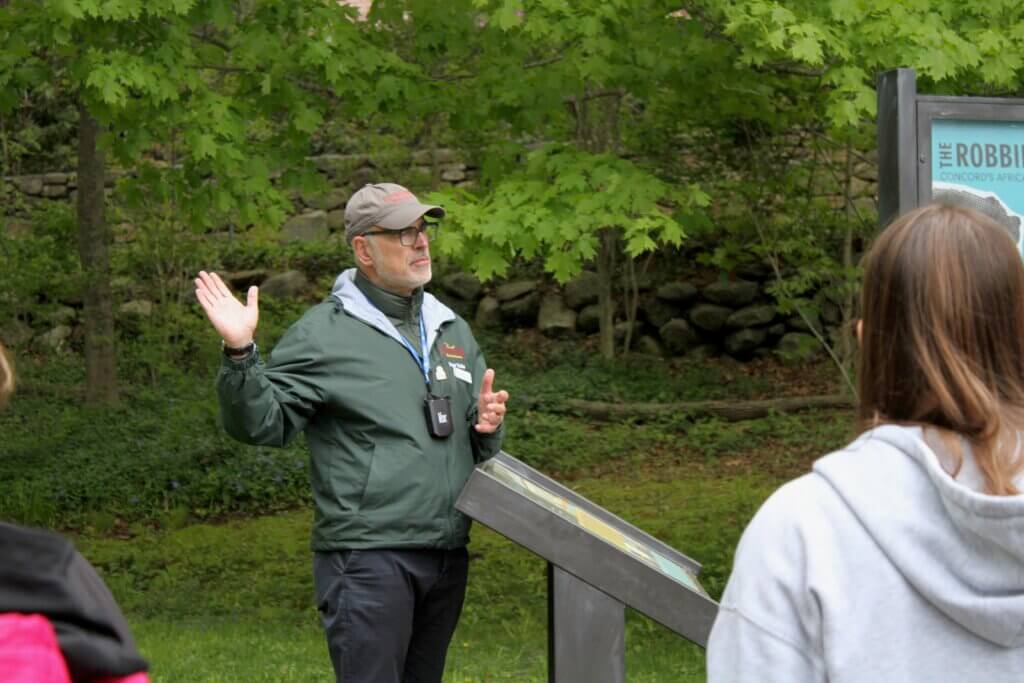
Historical interpreter Joe Zellner was working at The Robbins House when Schissel, Redl, and others came through, and he is among those pushing for trail markers. Together, he said, organizers are trying to pull Black history “out of the side lights and get it into the bright lights.”
— Dakota Antelman