Donors rally after Robbins House nearly loses $60K in funding
The small, unassuming museum nearly lost half its funding this year, sparking new questions about its future.
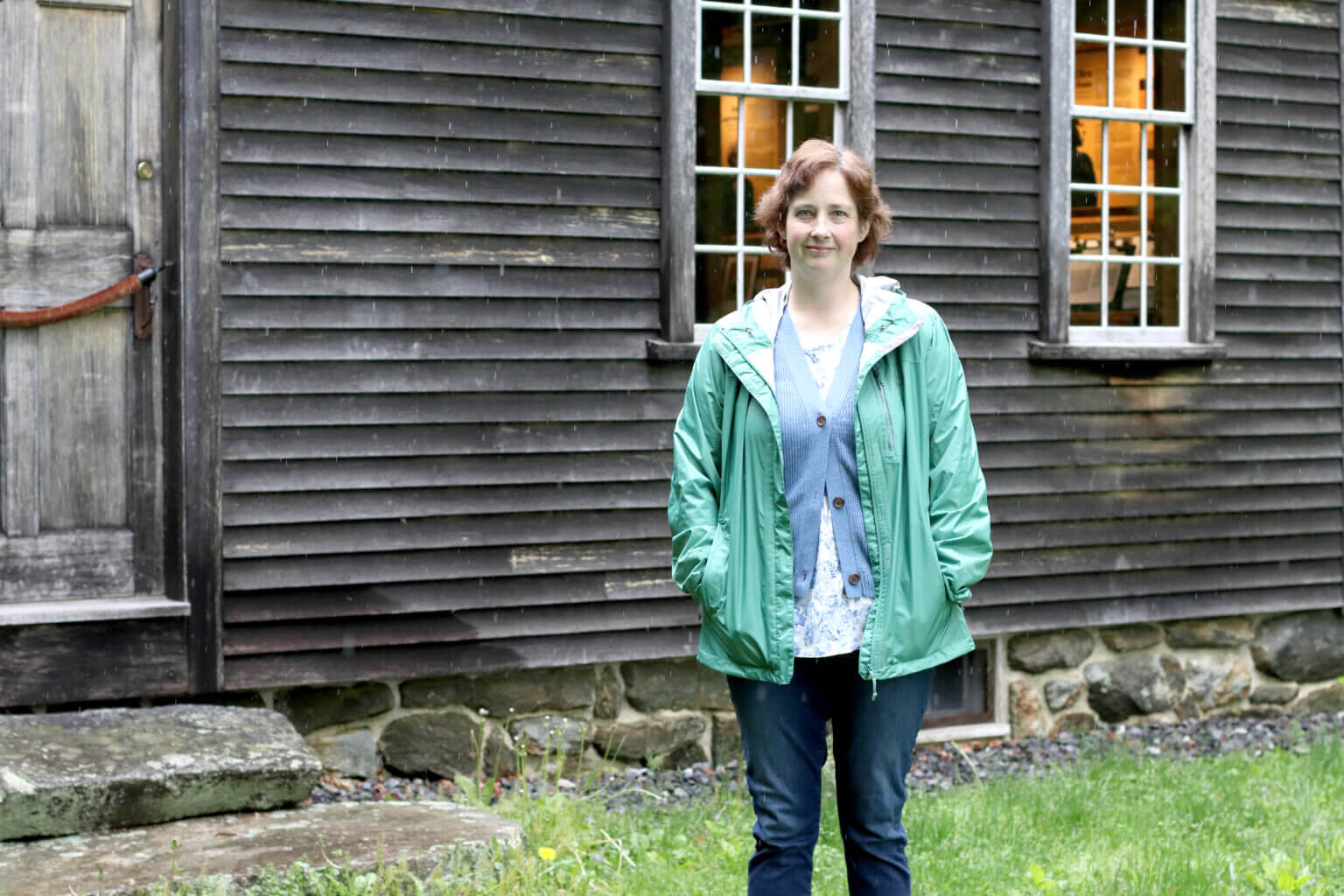
The Robbins House, says executive director Jen Turner, often draws visitors who spot it from a nearby parking lot while visiting the more famous Old North Bridge.
The small, unassuming museum nearly lost half its funding this year, sparking new questions about its future.
In April, following an executive order by President Donald Trump, the federal government canceled a grant which covers Turner’s salary and programming costs.
The grant was reinstated on May 21, but Trump’s team has appealed.
“I don’t think ‘relief’ is the right word, but I am cautiously optimistic about the ongoing court case,” Turner said of the reprieve in a Tuesday exchange with The Acton Bridge.
Federal cuts
Trump’s order, titled “Continuing the Reduction of the Federal Bureaucracy,” directed certain agencies to cut “non-statutory components and functions.” That included IMLS, the Institute of Museum and Library Services.
The final year of the grant is worth $60,000. Without that money, Turner’s job — and the extended business hours and support she provides — would be in jeopardy.
Attorneys general from 21 states sued the Trump administration to stop the executive order. In response to the lawsuit, on May 13, a federal judge halted further attempts to dismantle the IMLS.
When Rob Morrison, a member of the Robbins House board, learned of the grant cancellation, he created a GoFundMe to mitigate the fiscal impact.
Although the grant has been reinstated, he said he’s not quite ready to breathe easy.
“We are pretty sure [the Trump administration] will fight back,” Morrison said.
‘The agency’s priorities’
The letter Turner received about the cancellation said, in part,“Upon further review, IMLS has determined that your grant is unfortunately no longer consistent with the agency’s priorities and no longer serves the interest of the United States.”
Turner said she wasn’t surprised when she read it. The messaging coming out of the White House and the Department of Government Efficiency, she said, hasn’t been favorable to institutions like The Robbins House.
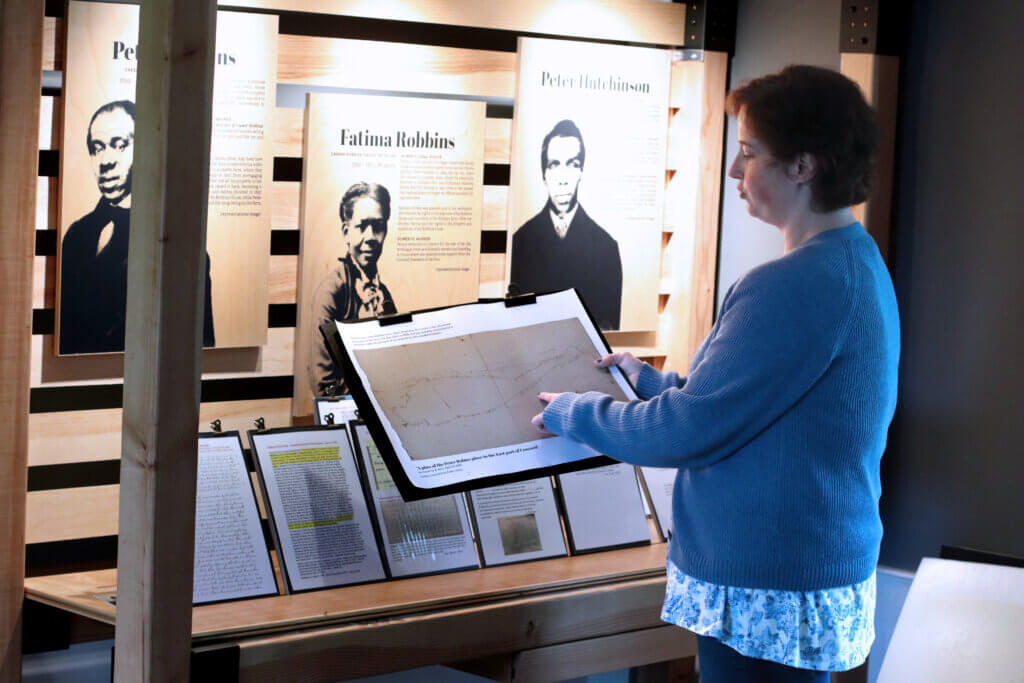
The museum is constructed from the house of two Black families — Robbins and Garrison — who lived in Acton during the 1820s, including Ellen Garrison, whose name adorns the new Acton Middle School. Its mission is to deliver the story of those families, the history of Black Americans, and facts about the anti-slavery movement.
That puts The Robbins House in the crosshairs of DEI funding cuts and Turner doesn’t see an end to the struggle.
“We were able to submit through the grant portal a request for reimbursement that was submitted successfully,” Turner said, “but we haven’t heard anything since.”
She said if they receive the grant money, the plan is to keep it in savings until the lawsuit ends, in case the funding is terminated again.
IMLS did not immediately respond to questions about reinstating the grant after the lawsuit.
The Acton Free Public Library and Orchard House did not apply for IMLS grants for this fiscal year and so were unaffected by the potential cuts.
Fewer opportunities to learn
Richard Piccarreto, who works as a Robbins House interpreter, said Turner’s presence is pivotal to the museum and its mission.
“The longer we are open and the longer we are staffed, the more people can come and learn the history,” Piccarreto said. “Jen’s the one doing that.”
Morrison’s GoFundMe had reached just over $28,000 — almost half of what the grant covered — as of press time. Other donations have been made via the museum’s website. Morrison sent a letter to donors, thanked them for their support, and offered refunds now that the grant was reinstated.
Though the cut created challenges for The Robbins House, Morrison says it’s also an opportunity, especially now that federal funding is unreliable. “I am hoping that in the long term, this will lead to more stability and a fundraising base we can draw on for years to come,” he said.
Turner, too, sees an upside.
“It is reassuring that the people in the community see how important and what kind of treasure the museum is,” she said.


