End of the road? State’s highest court weighing Estabrook case
The years-long legal battle over access to Estabrook Trail is officially in the hands of the Supreme Judicial Court.
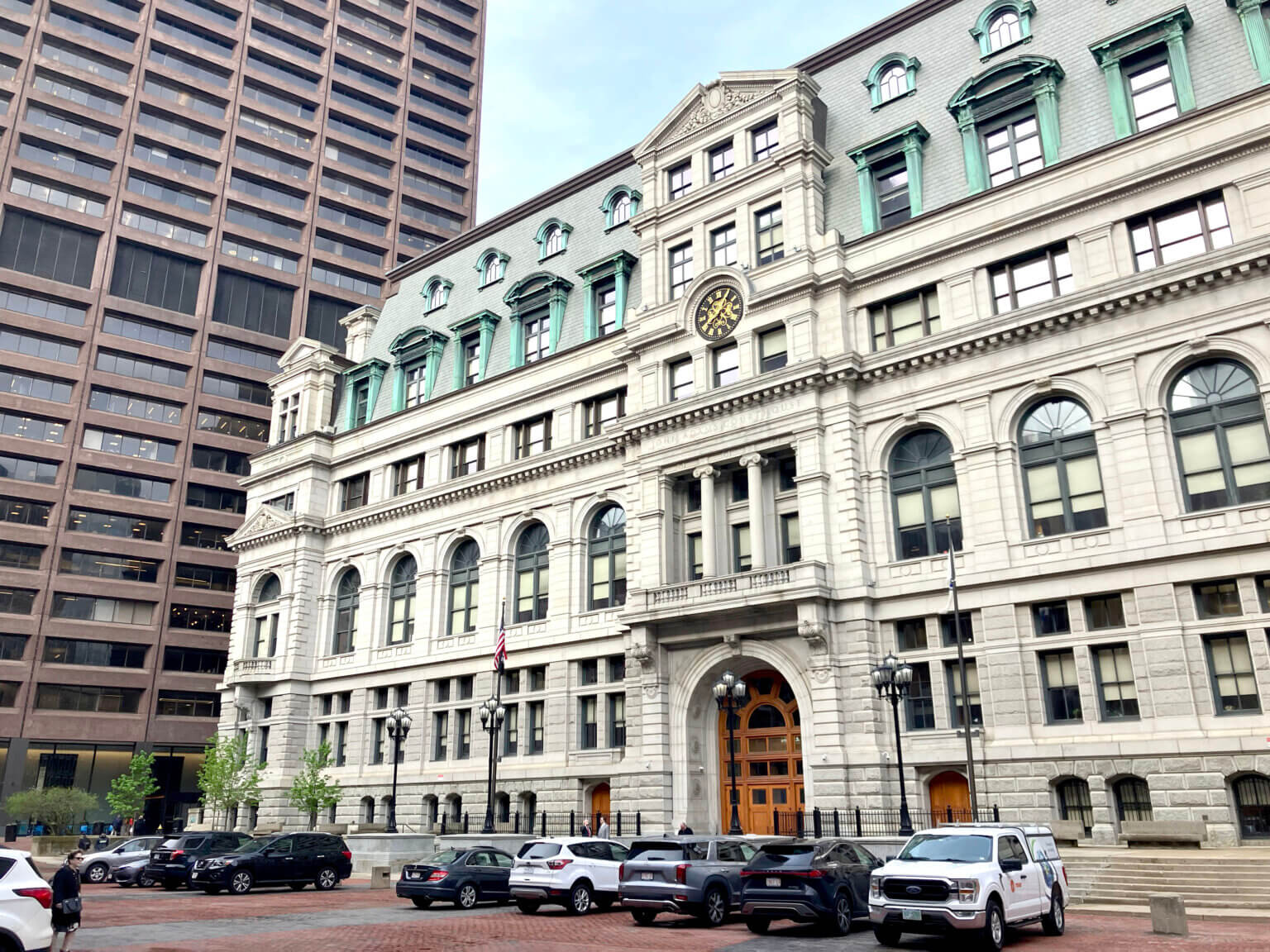
BOSTON — The years-long legal battle over access to Estabrook Trail is officially in the hands of the state’s highest court.
Attorneys delivered oral arguments on May 7. Both sides are now waiting for a decision. Regardless of the result, this may be the end of the road.
“It’s a mystery,” said landowner and defendant Brooks Read when asked his impression of the arguments. “The tea leaves are hard to read.”
Current litigation centers on a 1.8-mile path beyond where the pavement ends on Estabrook Road. The town says the trail is public; landowners disagree.
People with property along the trail historically allowed access. When they tried to crack down amid concerns about off-leash dog walking and other issues, the town sued to stop them.
Acton racked up $1.97 million in legal fees as the case wound its way toward the Supreme Judicial Court. The town expected to add another $25,000 because of the defendants’ latest appeal.
Some debate has centered on a 1932 county decision to discontinue Estabrook Trail. Landowners recently collected briefs from outside groups and communities, among other fears, worried about implications for similarly discontinued roads.
The SJC accepts only a fraction of the cases it sees, but took interest in Estabrook.
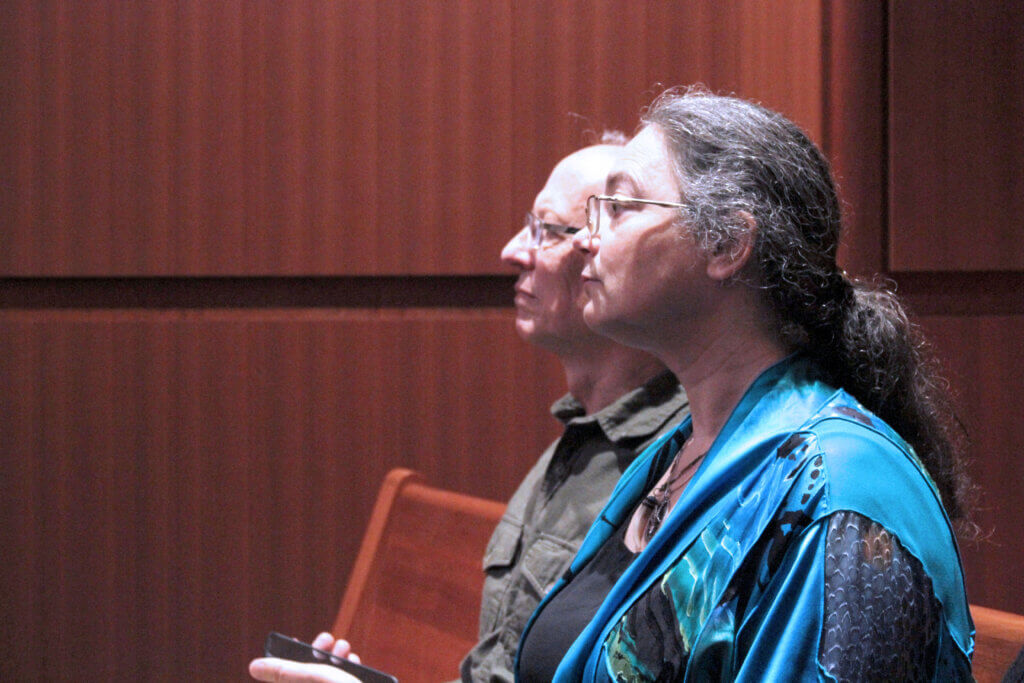
“We have 140 towns behind us,” landowner and fellow defendant Anna Rasmussen said before entering the SJC courtroom, referencing the briefs.
Tough questions
Oral arguments give each side time to answer questions from justices. In the Estabrook case, jurists put lawyers on the defensive.
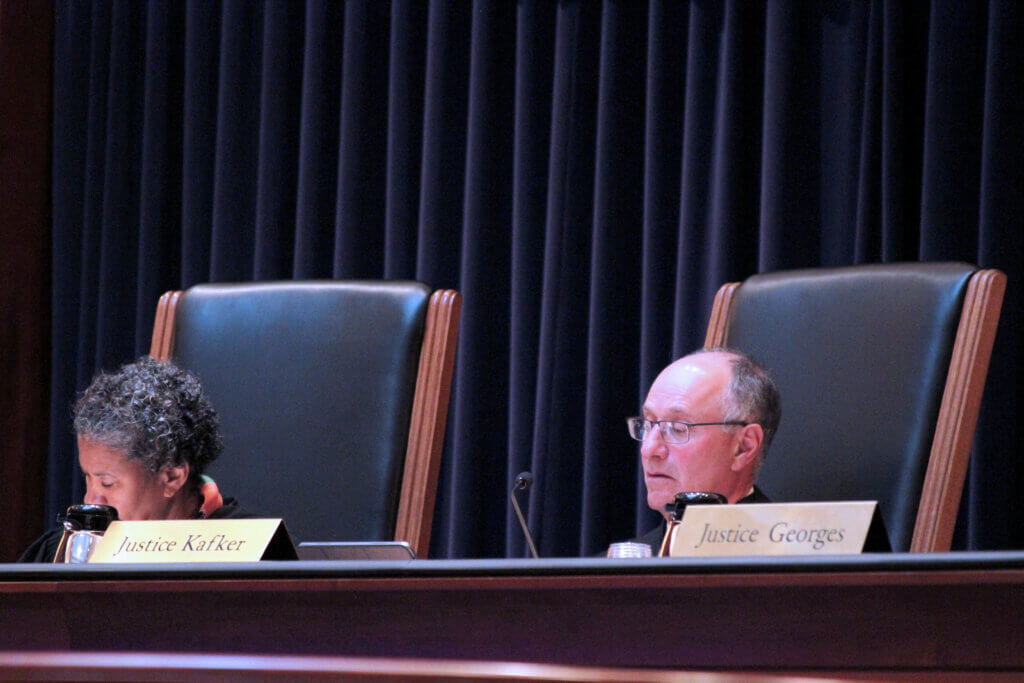
“It seems like all the law is going against you,” Justice Scott Kafker told the landowners’ attorney, Gwen Nolan King.
Kafker noted concerns from real estate experts. “But this seems to be more novel,” he said.
King later skewered an initial Land Court ruling as “full of inferential findings based on speculative opinion testimony.”
If the SJC adopts lower court rulings, she warned, it would be “drastically reducing” the bar for a road to become public through a pattern of long-standing use, known as “public prescription.”
Will the sky fall?
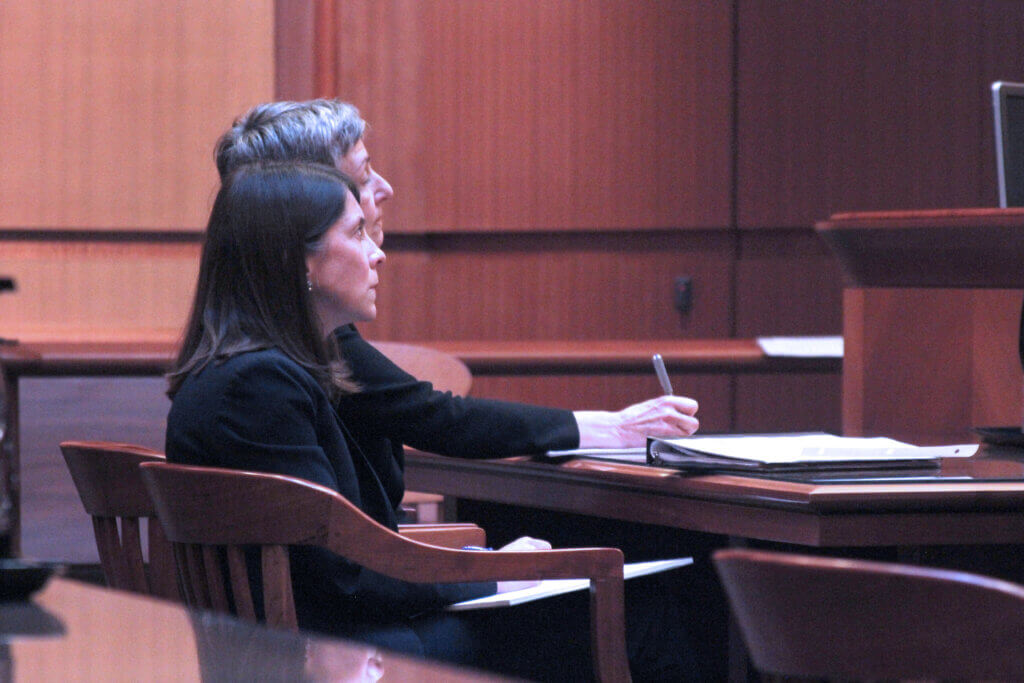
Attorney Austin Anderson represented the town and faced questions about warnings from the real estate community.
After appearing to downplay the concerns to King, Kafker took a different tone with Anderson. He said the briefs were “a bit troubling.”
“Tell us why the sky isn’t going to fall,” he said.
Anderson flagged prior cases, including a 1988 decision out of Deerfield. “We haven’t seen the sky fall since then,” he said. “It was 37 years ago. There’s been no flood of litigation.”
In legal filings, the landowners’ attorneys argued the Estabrook case could raise questions about private homes built on discontinued public ways.
Anderson parried, saying, “The only time that you’re going to have a dispute is when you have a road like this one that was discontinued and then continued to be used for recreational purposes.”
Asked about oral arguments, Acton communications manager Donna McIntosh said the town had no comment.
‘Only 15 minutes’
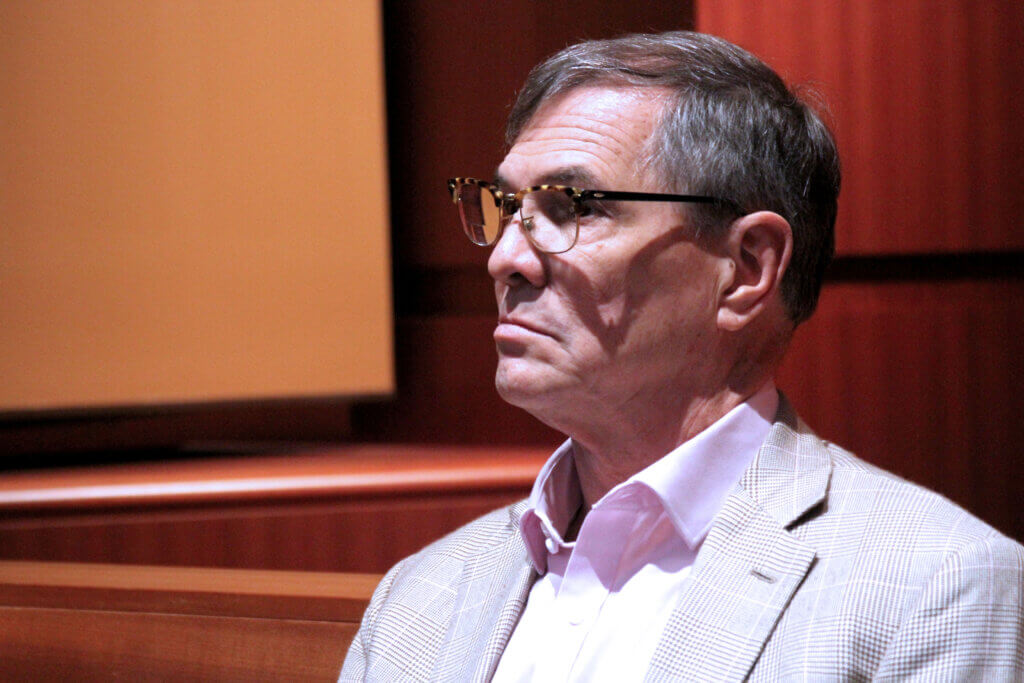
The defendants huddled in a courthouse office for more than an hour after leaving the courtroom. Read spoke with The Acton Bridge after the meeting and acknowledged the setting was “humbling.”
“Regrettably, it’s only 15 minutes,” he said, noting the time limit on oral arguments.
Read spoke in the main hall at the John Adams Courthouse, his words echoing off vaulted marble walls. While judges heard other cases, he and an attorney discussed the potentially lengthy wait for a decision.
The landowners or the town could theoretically appeal an unfavorable result to the federal Supreme Court. But the state decision would have to raise a question of federal law to qualify, and SCOTUS accepts just 1% to 2% of the cases it’s asked to review.
What happens if the SJC affirms the lower rulings?
“I’m not sure where we would go,” Read said. “That’s a huge can of worms on its own. We’ll see.”


