FinCom suggests $800K+ in trims from FY27 projections
The proposal would require the schools to lop nearly $500,000 off their projected budget and the town to cut more than $300,000.
What a difference a percentage point makes.
Town and school officials have asked budget watchdogs for a 3.5% increase in next year’s spending.
With members worried about rising tax bills, the Finance Committee countered with a proposed 2.5% growth threshold that would require the schools to lop nearly $500,000 off their projected budget and the town to cut more than $300,000.
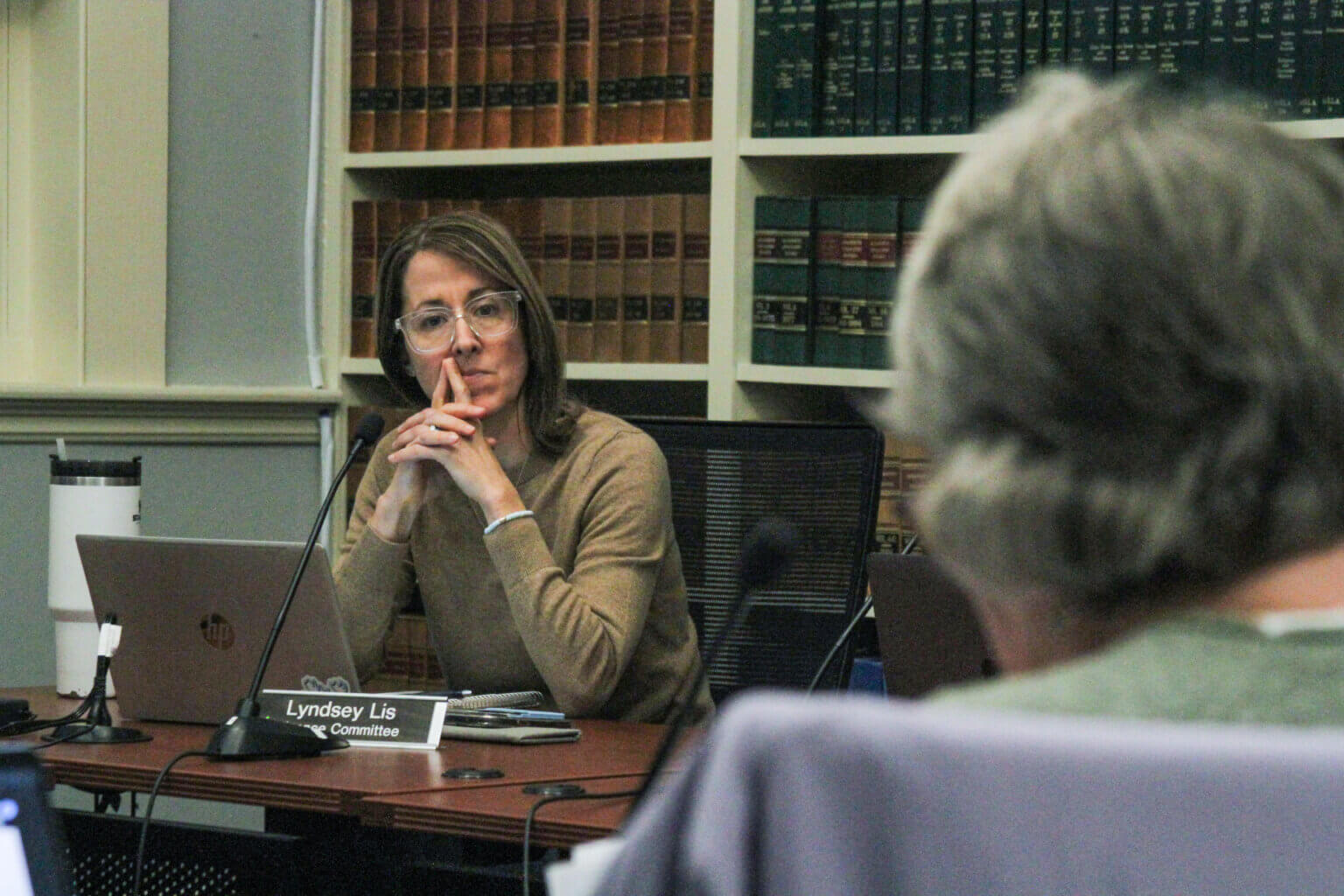
“I’m sure we’ll be hearing from the town and the schools at our next meeting,” FinCom Chair Lois Wasoff said moments after the 8-2, October 30 vote.
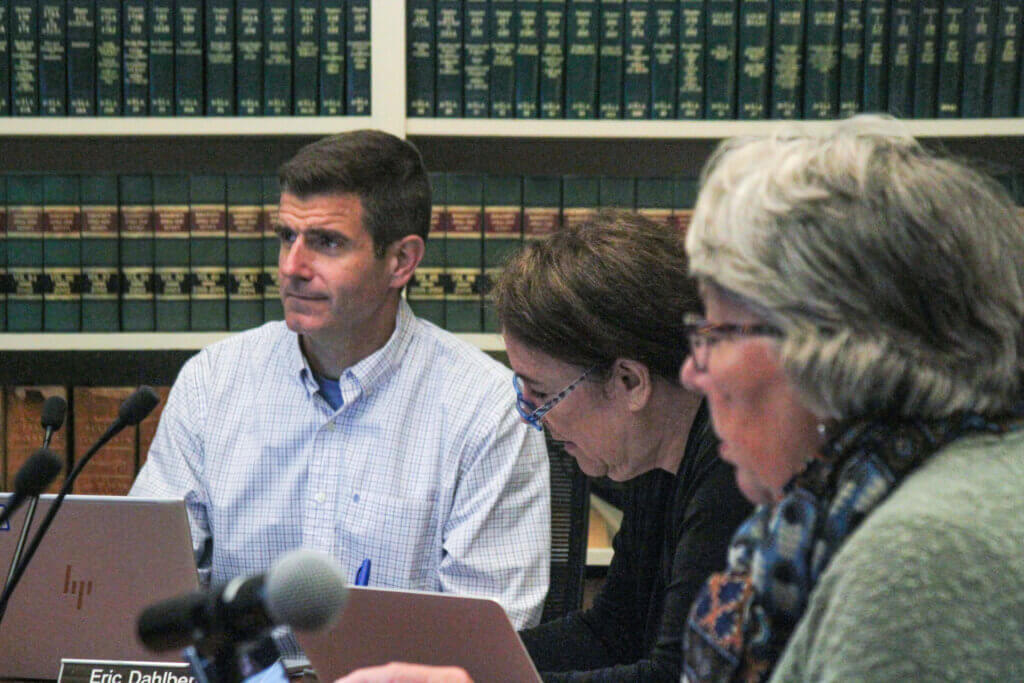
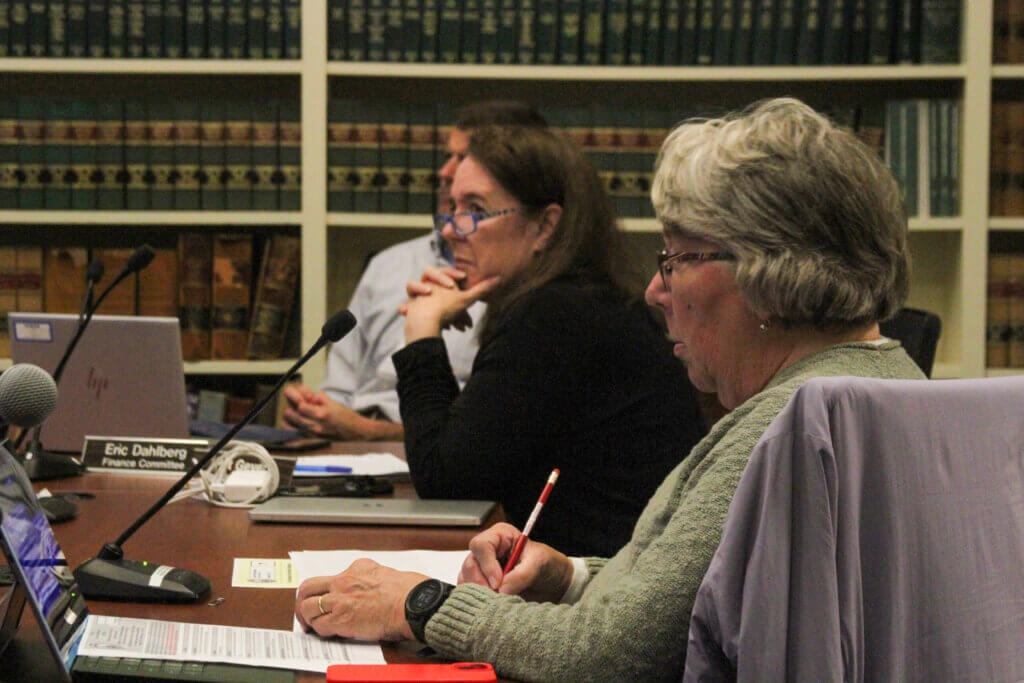
Fellow panel member Eric Dahlberg called the vote a “muscular stance.” Select Board member Paul Boehm, watching from the audience, deemed it “bold.”
The 2.5% mark falls well below the projected 3.06% inflation rate that FinCom is using for fiscal 2027 deliberations.
FinCom could change course before it releases its final guidelines in December, and its recommendations aren’t binding.
Members have been sounding alarms about municipal spending, and local taxes remain a source of consternation among residents.
The town has historically held itself to what FinCom decides. The schools have often bucked the panel, although leaders were glad to avert acrimony with a compromise last year. Boehm told The Acton Bridge that the restrictive preliminary FinCom goals pose a challenge — but “it ought to be a challenge.”
Wasoff and Clerk Karlen Reed voted “no,” saying the 2.5% limit would be too low.
While officials debate increases for the town and K-8 schools, Acton’s share of the regional high school budget should dip in fiscal ’27 thanks to shifting enrollments. FinCom happily accepted the district’s projected reduction of just under a percentage point.
Town Meeting approved $27.21 million for Acton-Carlisle High School in fiscal ’26. If figures hold and Town Meeting agrees, that number should fall to roughly $26.97 million in fiscal ’27.
What’s exempt
Along with positing percentages, FinCom members must wrangle which cost categories would fall within their budget guidelines.
Those parameters generally exclude inflexible costs such as insurance. This year, FinCom reversed its decision to exempt special education tuition costs for students whose needs aren’t covered within Acton public schools.
In recent weeks, FinCom has also scrutinized smaller-scale capital spending.
The main budget guidelines don’t cover most capital projects for things like new equipment and building repairs. An existing town policy does.
Wasoff said that policy should be sufficient. Don Kupka, who is heading this year’s guideline process, disagreed and told The Bridge the town’s policy “isn’t black and white.”
FinCom opted against adding its own capital spending guardrails.
“I want to just be out there and say that we’re neglecting our responsibilities,” Kupka told Wasoff after adjourning.
“Go right ahead,” she responded.
Yes — but no
While in discord over capital spending oversight, Kupka said he agreed with Wasoff that the overall preliminary guidelines for the town and K-8 schools are too low. He said he voted “yes” only because the panel opted against setting guidelines for capital costs.
He thinks FinCom’s final number will be different. “I don’t think it’s realistic,” he said of the 2.5% bump.
Through a spokesperson, schools Superintendent Laurie Hunter said district leaders “will work diligently to get as close to the preliminary guidance as possible while meeting the needs of our schools.”
She said administrators “remain mindful of the community’s investment and the impact on taxpayers.”
Assistant town Chief Financial Officer Ryan Ferrara told The Bridge by phone that he would “work hard with our team” to preview a budget that meets FinCom’s request.
“Then, depending on what’s identified and what steps we have to take,” he said, “there will be another conversation with them about whether or not 2.5% is too much.”
Fiscal ’27 town budget season: Key dates
November 20: Finance Committee meeting/capital planning forum
December 8: Joint Select Board, School Committee, and Finance Committee meeting/capital planning forum
December 11: Finance Committee finalizes budget guidelines
December 1-31: Town finalizes capital and operating budgets
March 1-31, 2026: Public hearings for fiscal ’27 budgets
April 27, 2026: Annual Town Meeting begins