From budgets to parking, Town Meeting gets ready to vote
Millions in spending, cell coverage, parking and more are all up for discussion; here are some of the highlights.


Millions in spending, cell coverage, parking and more are all up for discussion as voters prepare to make their voices heard at Acton-Carlisle High School next week.
Town Meeting, which serves as Acton’s legislative body, will begin on Monday at 6:30 p.m. and is expected to last through at least Wednesday as participants work through 58 warrant articles.
[Learn more: New technology, new procedures for 2025 Town Meeting]
The Acton Bridge has you covered with some of the highlights.

Town budget
Article 7 — $62.63 million
Acton’s sustainability director and seasonal ranger program are among the casualties of an effort to trim spending and slow down tax hikes.
The budget nixes $400,000 in personnel costs and $200,000 in expenses from Town Manager Kerry Lafleur’s initial request. Staff focused on minimizing public-facing reductions and dropped a controversial proposal to trim library hours.
Chief Financial Officer Anthony Ansaldi has said fiscal year 2026 will be “lean” across government. But some say reductions don’t go far enough, and Finance Committee member John Garofalo questioned Lafleur’s calculation of a 4.74 full-time equivalent reduction in force as “smoke and mirrors.”

Road maintenance
Article 8 — $27.5 million
An effort to catch up on road maintenance would cost roughly $5.5 million per year over the next five years. The article needs to pass at Town Meeting and at the ballot box to take effect.
Supporters say the spending will improve safety and save money by avoiding costly emergency repairs and higher future construction costs.
Some critics say the program doesn’t go far enough on safety. Others, such as Economic Vitality Committee member Mark Martines, highlighted the rising cost of living and called for more comprehensive capital planning at a recent meeting.
“This notion that [it’s] an empty checkbook and we can just keep writing checks has to stop,” he said.

School budgets
Article 10 (K-8) — $47.63 million
Article 12 (High school) — $27.21 million
Like other officials, Acton Public Schools and Acton-Carlisle High School leaders felt pressure to minimize their budget hike in fiscal ’26.
Last month, schools Superintendent Laurie Hunter said Acton Middle School would shoulder the most reductions as the district consolidated from the old Peabody and Sanborn buildings into the Ellen Garrison Building.
Hunter said the district will trim 5.4 full-time equivalent CMS slots. She said she was working with laid-off staffers to find new jobs. But she did not respond to Bridge inquiries on May 22 and 23 asking for more details, including which positions are on the chopping block.
The high school has fewer reductions than the K-8 system. In both districts, officials say they’re watching the funding debate at the federal level and President Donald Trump’s effort to shutter the Department of Education. Officials hope federal dollars will keep flowing. If they stop, Hunter said, “that would be painful, for sure.”
Peabody transfer
Article 25 — $100,000
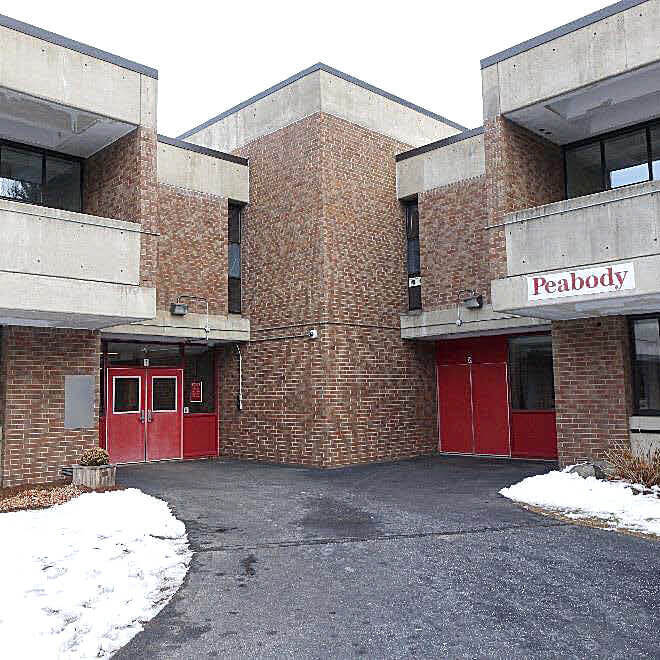
Town officials aren’t sure what to do with the old Peabody School. In the meantime, they’re asking voters to transfer control from the school district to the Select Board and appropriate money to maintain the building.
The bill covers utilities, insurance, maintenance, and some legal costs as Acton determines Peabody’s reuse. If the town doesn’t decide Peabody’s future by next year’s Town Meeting, Lafleur said officials might seek another tranche to cover costs while the structure stays in limbo.
MCI-Acton spending
Article 33 — $250,000
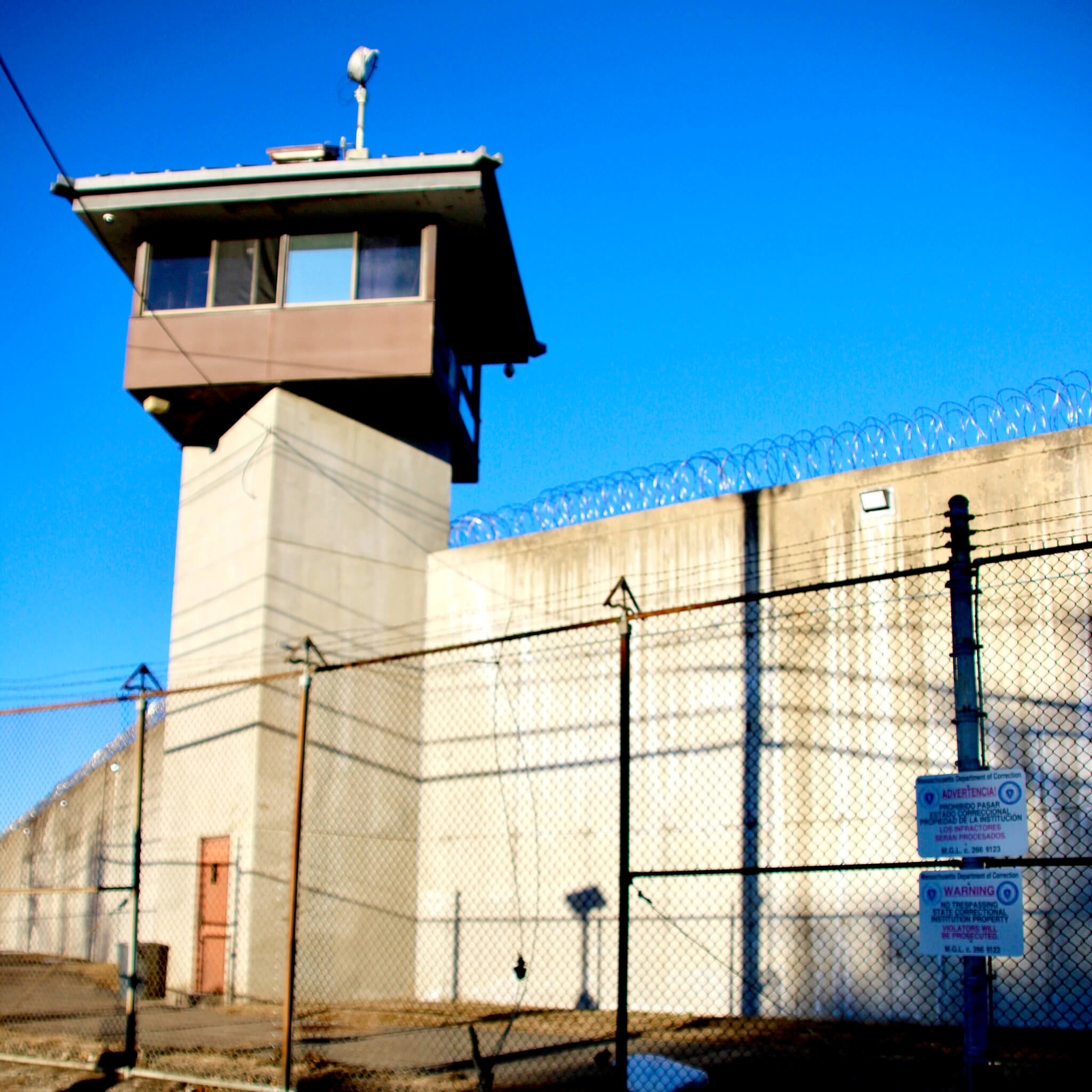
Planning around the former MCI-Acton prison site is ramping up. State funding to support those talks is running out. Article 33 seeks to bridge the gap.
So far, the town has used state help to pay consulting costs. Select Board clerk and MCI-Acton Advisory Board member Mark Howell said experts aren’t optimistic about seeing more state money in FY26. But Acton needs funding for “due diligence,” including talks about acquiring an on-site wastewater treatment facility for town use.
In a public hearing this month, Howell framed the $250,000 allocation as a “relatively modest” sum. If the state doesn’t deliver more aid and the town doesn’t appropriate its own money, he warned, Acton risks losing its “leadership position” in deciding the prison’s new look.

Stormwater utility
Article 34 (Scheduled for June 3, 6:45 p.m.) — $1.06 million
One of two pre-scheduled high-interest topics, Article 34 asks voters to approve a budget for the town’s stormwater enterprise fund.
The town created the fund in 2024 but delayed a budget and associated fees until this year’s Town Meeting. If the budget passes, the town will impose a fee on all properties based on their amount of impervious surfaces such as rooftops or driveways. Owners can minimize fees by seeking credits for certain stormwater management measures.
Supporters say the fund’s expected $1.06 million in FY26 will help maintain culverts, drains, and other stormwater needs while avoiding costly emergency repairs. Opponents call the fee another burden on top of high taxes and cost-of-living headwinds.

Rodenticide ban
Article 36
An effort to ban a type of rat poison known as second-generation anticoagulant rodenticides has inspired campaign-style lawn signs around town and prompted pushback from business owners ahead of Town Meeting.
The ban’s backers say SGARs can move through the food chain and kill predators, such as birds of prey. Pets and people have also fallen ill. While they may be more expensive, proponents say alternative pest-control measures exist, are effective, and can avert negative consequences.
Debra’s Natural Gourmet owner Adam Stark and Acton Business Partnership president Tyler Spring are among those raising concerns. Spring and Stark both said they’ve heard from other business owners who share their perspectives. Despite assurances to the contrary, some opponents warn an SGAR ban could let pest problems go unresolved, drawing scrutiny from health inspectors and forcing businesses to shut their doors.
Parking rule changes
Articles 37 and 44
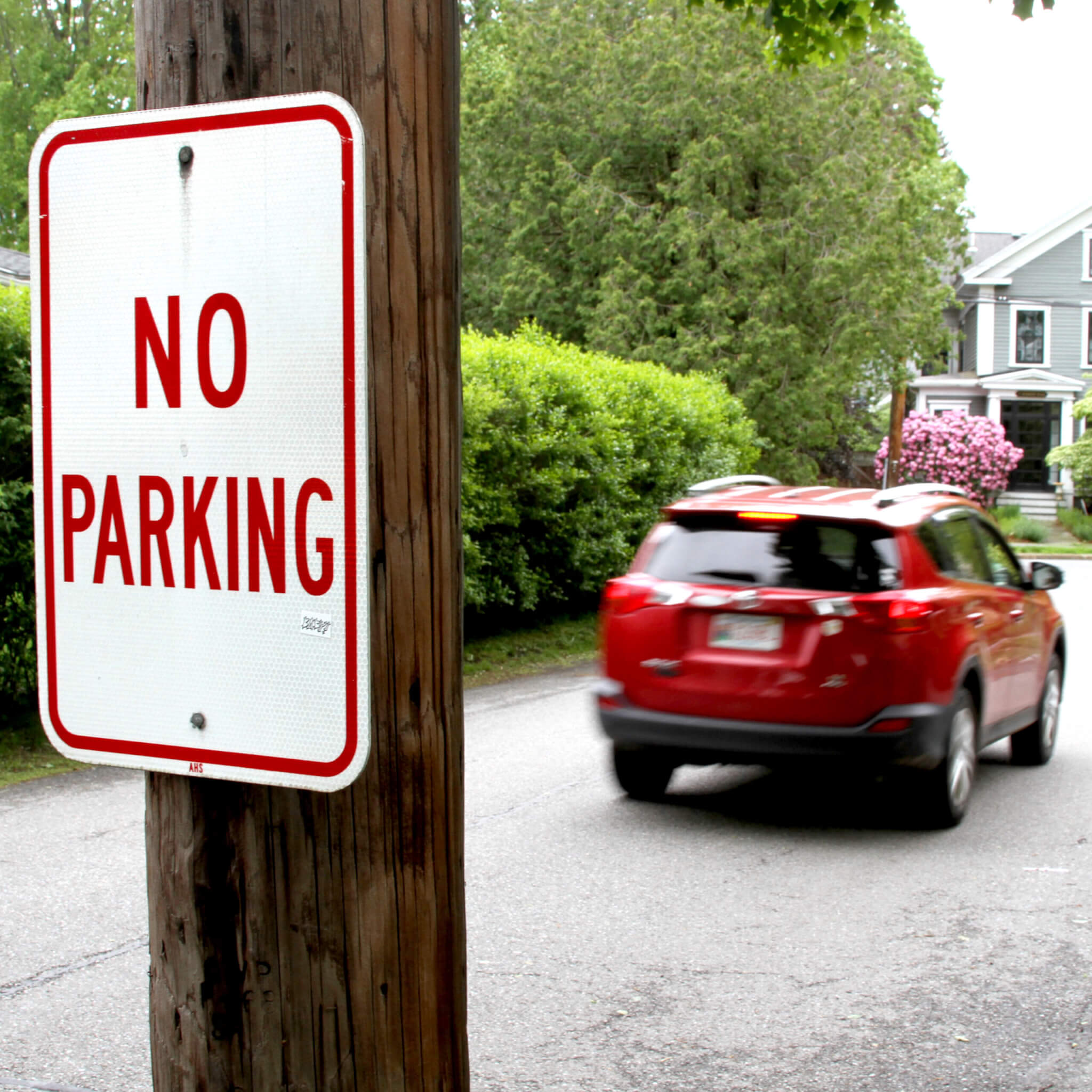
Article 37 seeks to expand joint parking rules, which let some businesses halve their parking requirements by sharing spaces. If the article passes, any business or property user could apply for joint parking.
Article 44 would add a provision exempting properties in Acton’s town centers from building new parking when they change from one permitted business use to another or to a combined business/residential use.
Backers of both articles say they would remove requirements that could force property owners to build excess parking.
Opponents, including Belknap Street resident Carol Savoy, argue that relaxing restrictions could strain neighborhoods as Acton prepares for new housing units at permitted or proposed developments.

Cell tower changes
Article 26 / Article 41
Voters may breeze through one effort to allow longer leases of town land if they keep Article 26 on the consent calendar.
Article 41 may prompt more discussion as former Select Board chair Henry Dane seeks to make it easier for the Zoning Board of Appeals to allow cell tower construction outside the town’s Personal Wireless Communications Facility Overlay District.
Officials are trying to improve Acton’s cell coverage and say 30-year leases could prove more enticing for companies than the current 10-year limit.
While some worry about conservation, health impacts, and property values, Dane and others say existing rules governing the ZBA are too stringent and the town must adjust.
Newbury Court expansion
Article 46 (Scheduled for June 4, 6:45 p.m.)
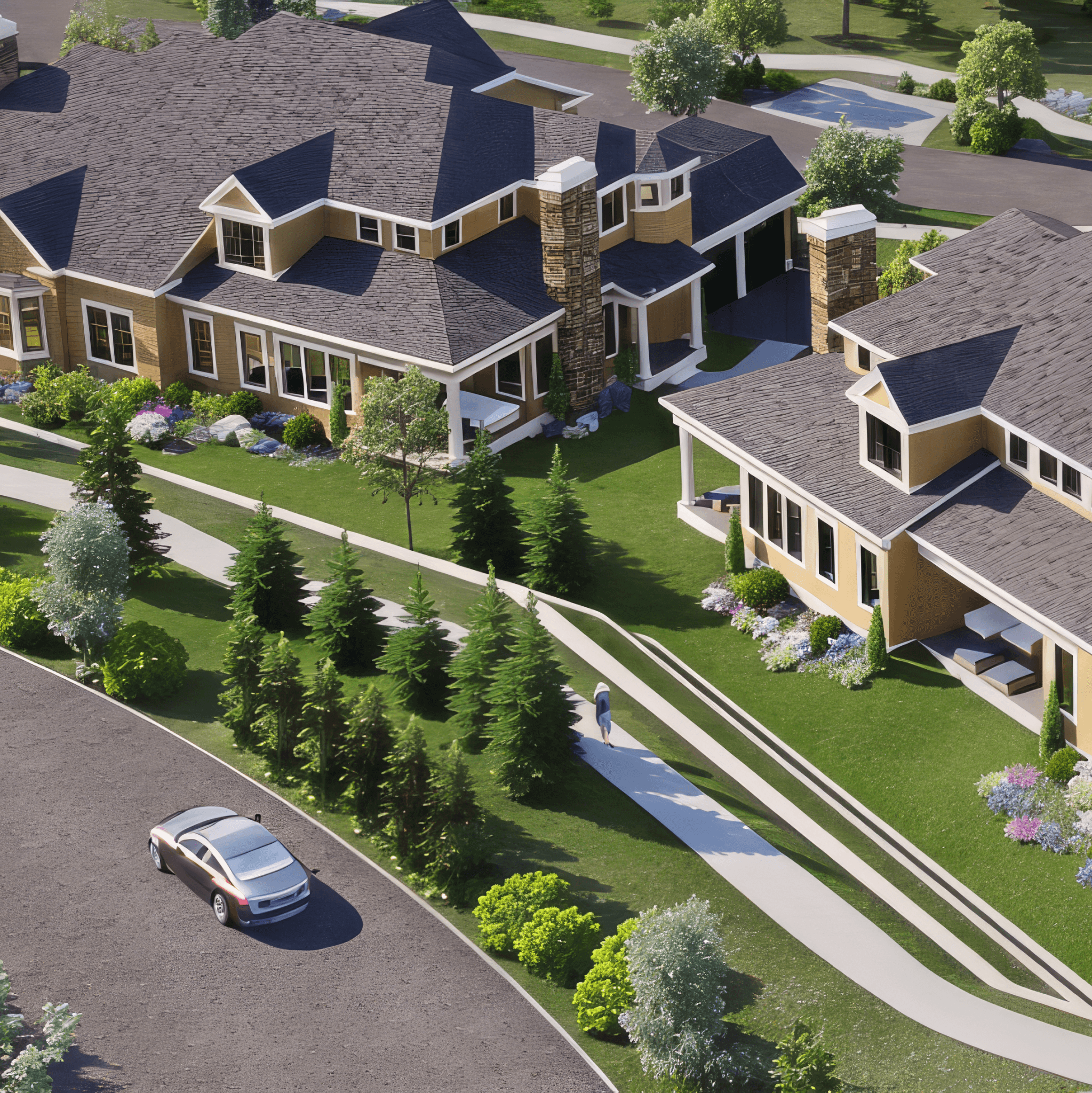
The second of two high-interest topics, a rezoning proposal from leaders at the Newbury Court senior living community has drawn pushback from neighbors and housing advocates alike.
Newbury Court’s not-for-profit operator, the New England Deaconess Association, bought land from Emerson Hospital last year and wants to lay the groundwork for an expansion.
The town has reached an “agreement in principle” with Newbury Court’s not-for-profit operator that could funnel nearly $3.9 million into town coffers over 10 years if the project proceeds. With the agreement in hand, the Select Board has backed the rezoning. But the deal still hinges on voters’ zoning approval.
Neighbors worried new rules could allow large buildings close to their homes. Advocates questioned whether the package does enough to address the need for affordable senior housing options in Acton.
Select Board chair Mary Hartman said mitigation payments could go toward affordable housing.
While she said pre-Town Meeting warrant amendments addressed most neighbor concerns, Old Marlboro Road resident Jennifer Hurley-Wales still criticized Deaconess’ decision to pursue a citizen petition in an email to The Acton Bridge. By forging the usual process through town boards, Hurley-Wales said, Deaconess delivered a “very rushed process.”
For his part, regarding the Select Board agreement, Deaconess CEO Chris Sintros said “We have always been proud to support the town” and asked voters to support the rezoning.


