From horror, hope: A Holocaust survivor shares his story
Yom HaShoah, or Holocaust Remembrance Day, is observed each year on the 27th of Nisan in the Hebrew calendar.
Yom HaShoah, or Holocaust Remembrance Day, is observed each year on the 27th of Nisan in the Hebrew calendar — this year, sunset to sunset April 23-24.
Yom HaShoah commemorates the anniversary of the Warsaw Ghetto Uprising, the largest rebellion by Jews against the German troops, and the first significant revolt against the Nazis.
It’s a day of reflection and education, and earlier this year, Acton Middle School students had the unique opportunity to hear directly from a Holocaust survivor.
Six hundred miles away from Warsaw, Bernat Rosner was growing up in Tab, Hungary. He was just 12 years old in 1944 when he and his family, along with the other Jewish residents of his town, were forced to board a freight car bound for Auschwitz. When they arrived, the family members were separated. He was directed to the right, the path to working. His parents and younger brother were directed to the left, the “showers.”
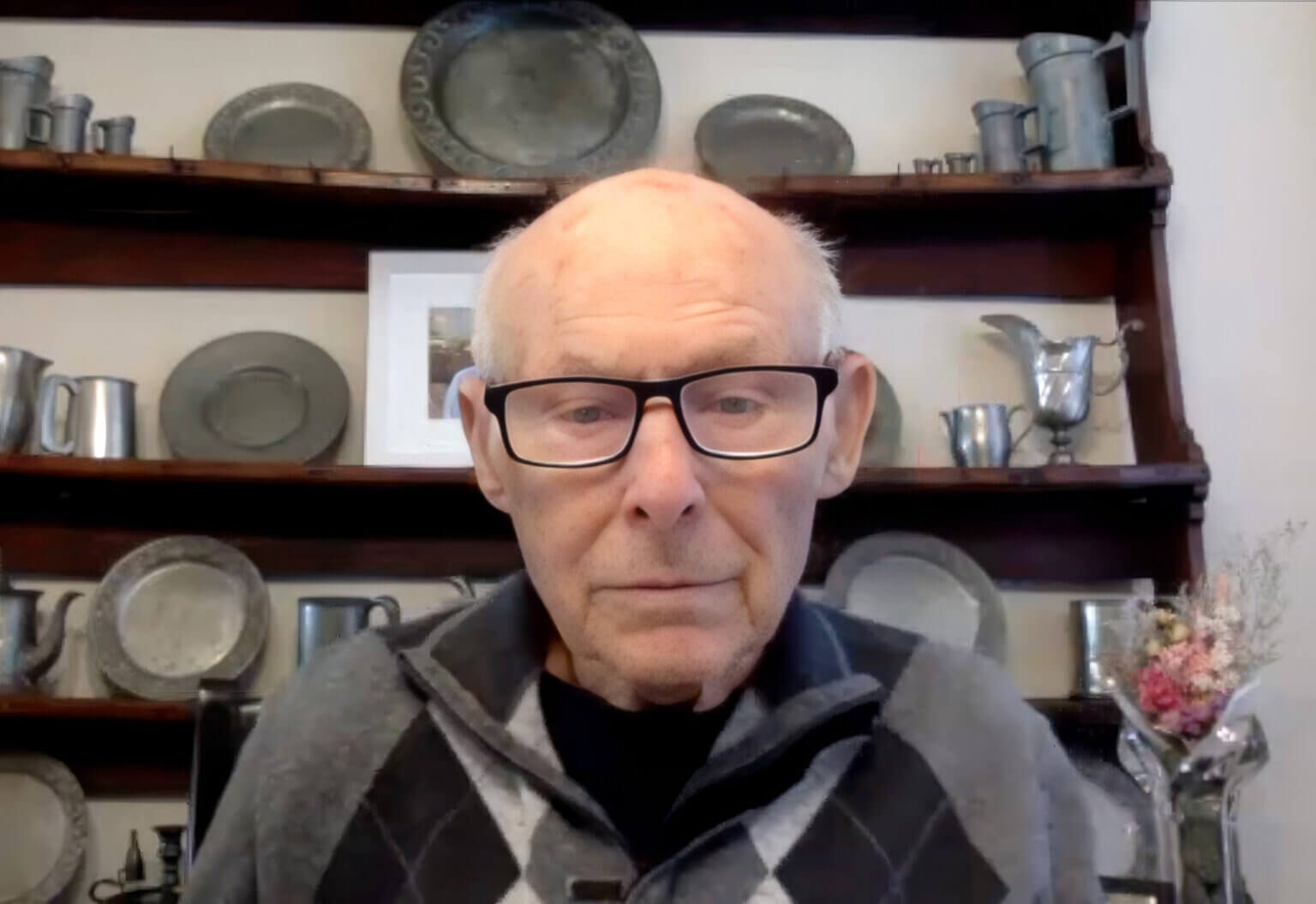
“They were all murdered in the gas chambers that day,” Rosner, now 93, told an auditorium of eighth graders at Peabody during a January assembly.
Rosner was later transferred to the Mauthausen concentration camp in Austria, from which he was liberated on May 5, 1945. He spoke candidly to the students, weaving a tale of almost unimaginable anguish — but his story mostly conveyed resilience and hope.
“It was dead silent in there the whole time,” English teacher Jen Coty said.
Stars aligning
During back-to-school night last fall, Coty reviewed the year’s curriculum, including a “substantial” Holocaust unit. Coty’s student, Tessa Gagne, and her mom, Meg Ansara, asked Coty if she’d be interested in having a survivor speak.
It took some arranging, but then “the stars aligned, and we had such a wonderful opportunity to have the entire eighth grade sit down and have him share his story with us,” Coty said.
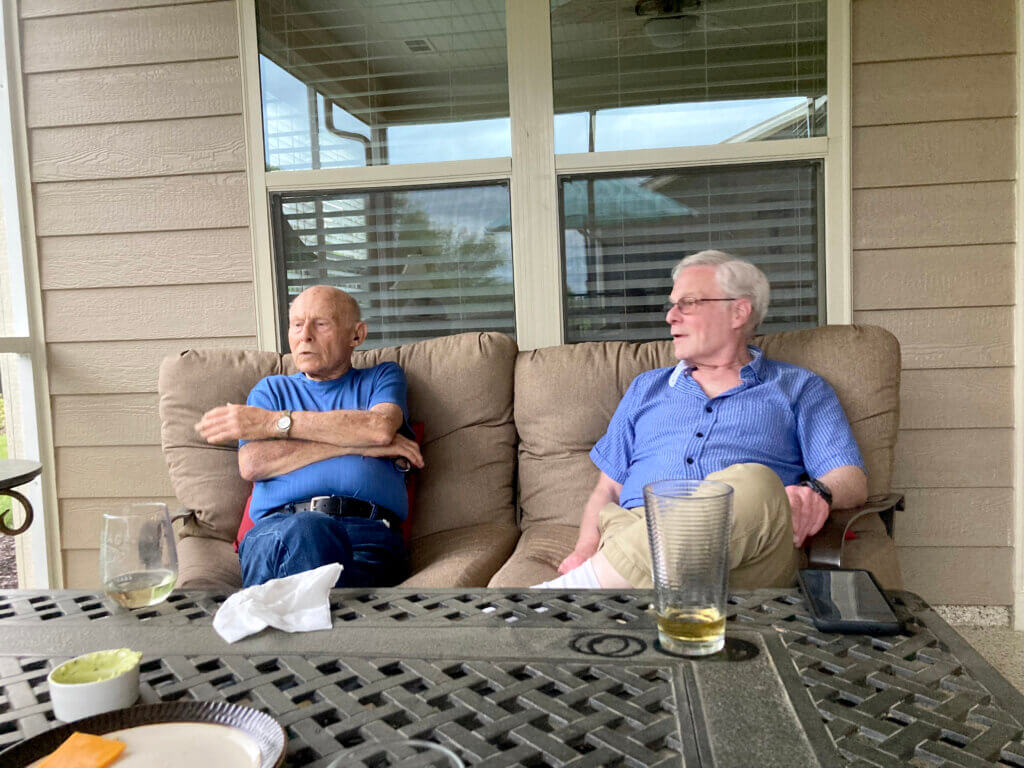
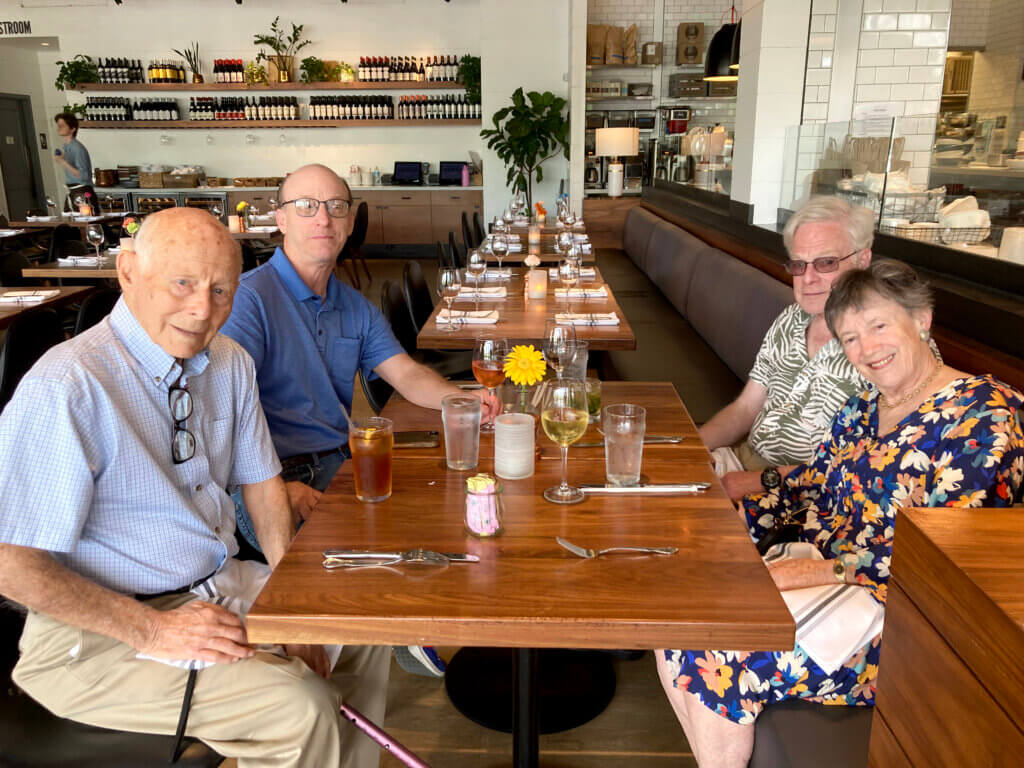
After the war, with no family left, Rosner went to a refugee camp in Italy. There, Charles Merrill Jr., an American GI, befriended him. When Merrill was transferred, the two began corresponding by mail, and in 1948, Merrill invited Rosner to the United States to live with his family.
“I tell people that his gesture of compassion was admirable, but even more remarkable was his courage to take into his family an urchin from this camp, who could have been a totally damaged human,” Rosner said.
“Considering where I was born and when I was born, and my religion and heritage, it was virtually inevitable that I would end up in Auschwitz. … That particular day in July of 1945 was not preordained, and that, of course, has made a total difference in my life.”
Almost eight decades later, Rosner was transported via Zoom into the auditorium at Peabody, where Tessa, Merrill’s great-granddaughter, attends school.
“He wasn’t formally adopted, but essentially, particularly because he had no family left, my mom’s family became his American family,” Ansara said.
His family’s story
Rosner graduated from Cornell and Harvard Law and settled in California. In 1983, he met Frederic C. Tubach, who also had European roots — but he had attended meetings of the Jungvolk meetings (a precursor of the Hitler Youth); his father was a Nazi party employee and a German officer.
The two formed a bond they wrote about in “An Uncommon Friendship,” published in 2001. After that, Rosner began speaking publicly about his experiences. He believes he has an obligation to his lost family.
“Their story had never been told,” he said. “I felt they deserved this, and it was up to me to do it.”
Rosner said it’s always a “special occasion” to talk to young people, partly because he was not much younger than the middle schoolers when he was confined in the concentration camp.
“They are the most receptive audience,” he said.
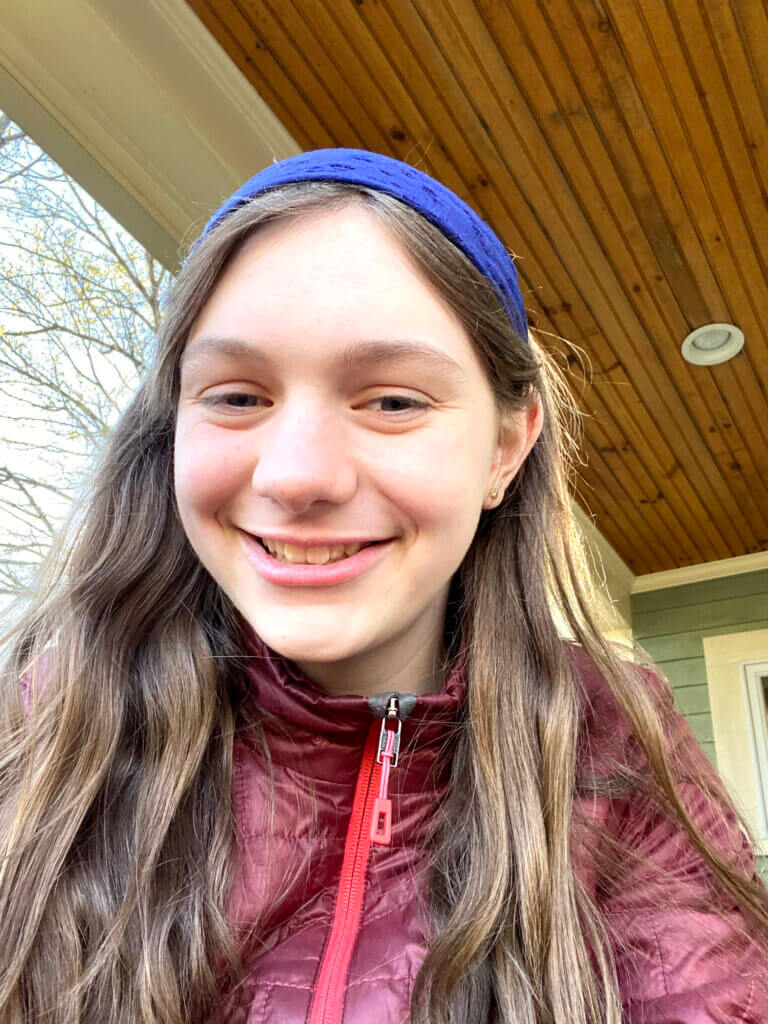
“Books and movies are a great representation,” Tessa said. “But this was being told to us, for us. … In books, it’s kind of like this made-up land. … But with [the Holocaust,] you need to know that this actually happened. People did go through this and did survive it.”
‘A lasting impact’
Coty said Rosner’s talk was an experience she will never forget.
“We read literature to help develop empathy, to help talk about tolerance and recognizing all the dangers of prejudice,” Coty said. “But then to be able to hear it, and say, ‘No, this is going to directly impact the way I participate as a member of the school or as a member of the local community, or a citizen in our world’ … I couldn’t ask for anything more. It’s had a lasting impact on how I see the world.”
That, Rosner said, is the point.
“Even though the story was not told to send a moral message, I believe that it does so nevertheless, and it does so on several levels,” he said.
“The most important is the need to avoid hatred, bigotry, and intolerance and to speak out against these destructive tendencies. … My story carries the message of the resilience of the human spirit and a hope for a better world.”


