Grant clock ticking, decision-makers seek Black Heritage Trail Markers accord
The Historic Districts Commission is set for a trail markers vote on Wednesday night.
Belinda Dapice and her husband, David, knew their Main Street house had its brushes with abolitionist history.
They didn’t know Harriet Tubman once spent the night there until town Economic Vitality Coordinator Mimi Graney came knocking.
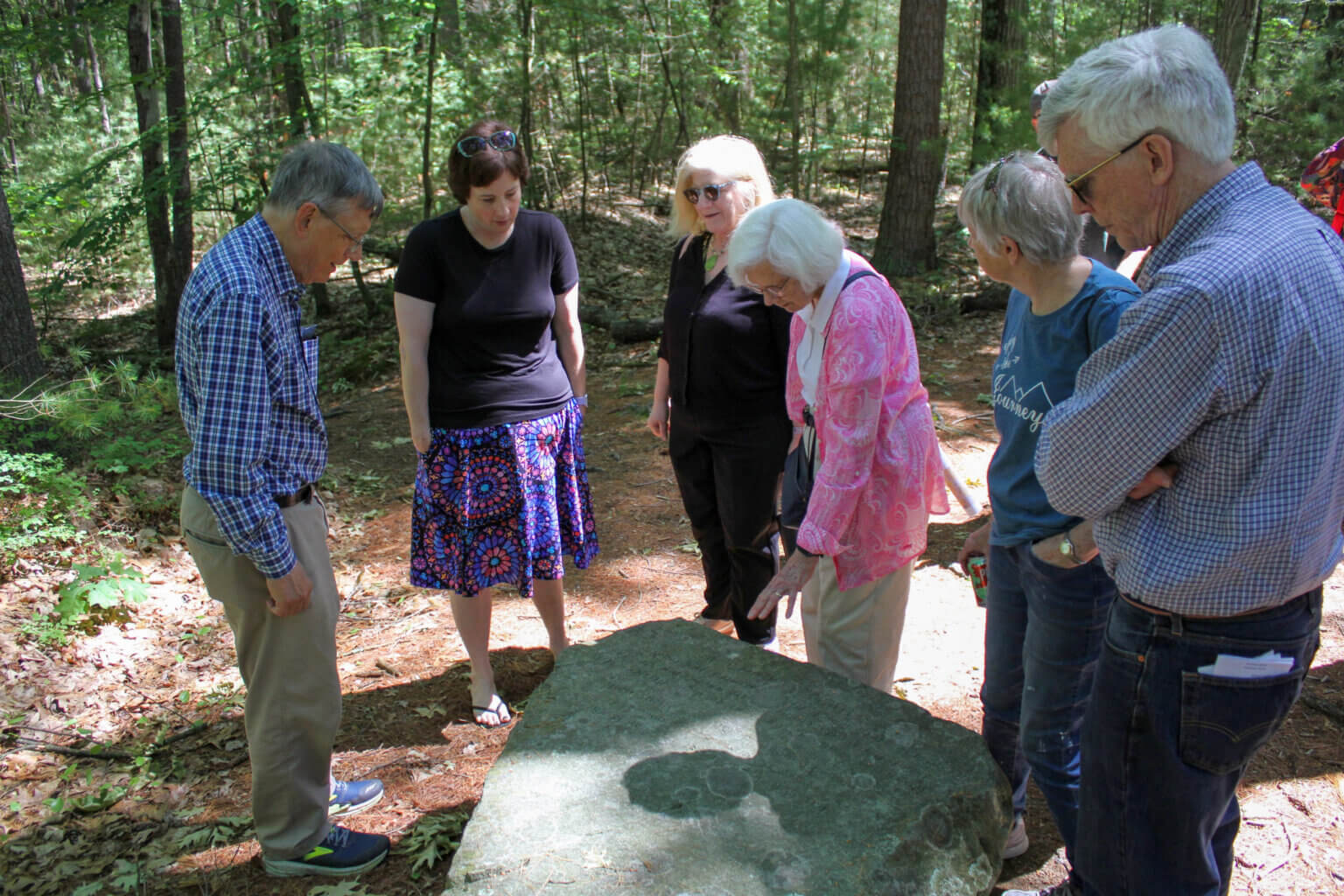
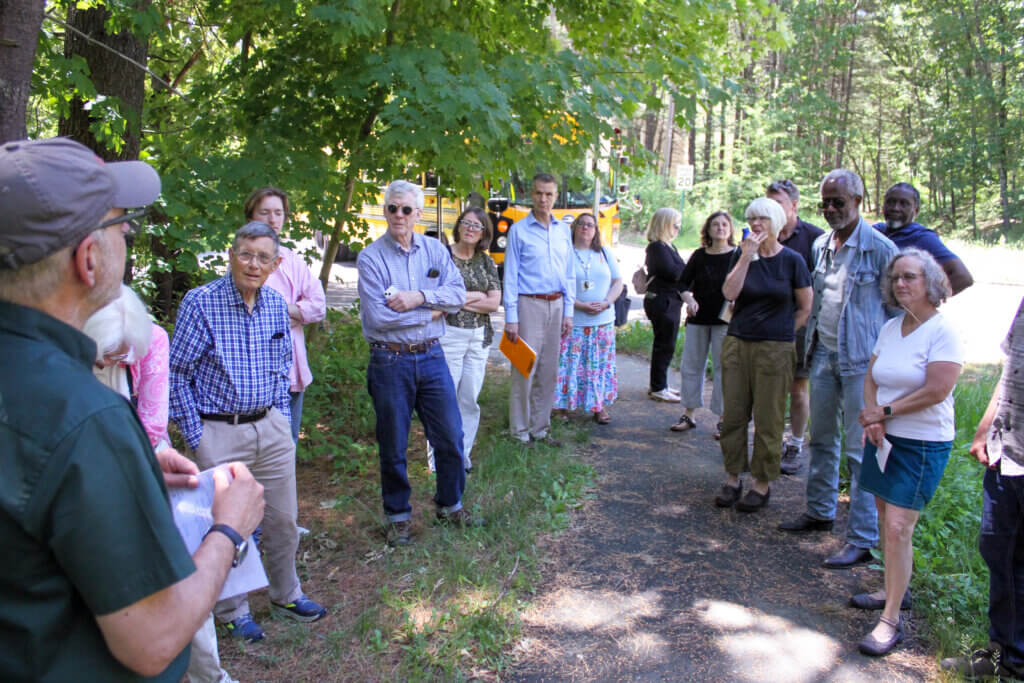
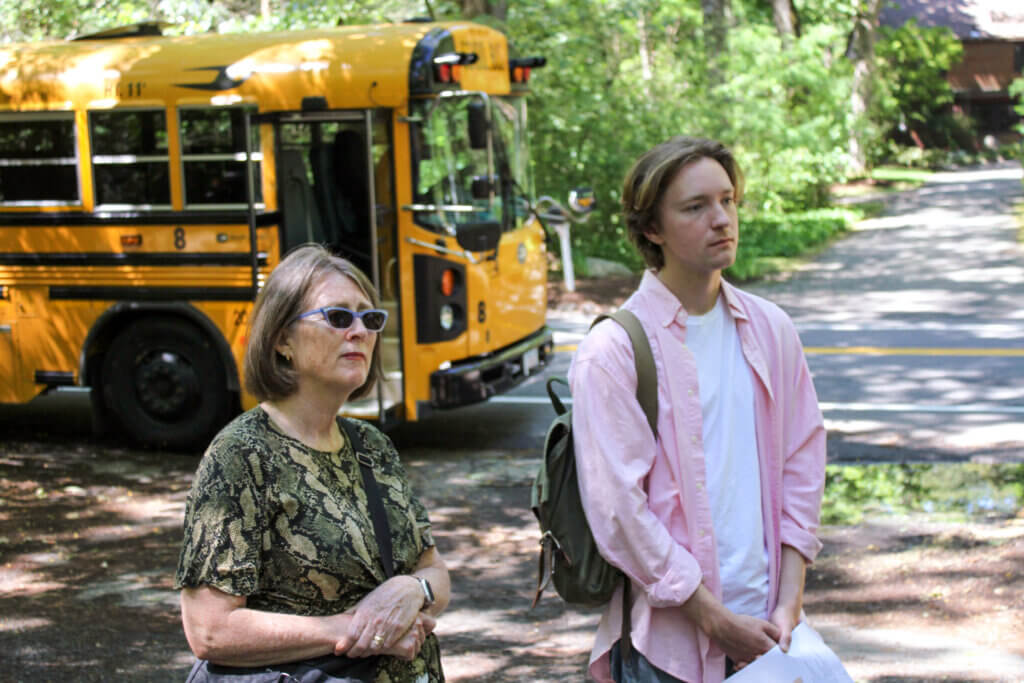
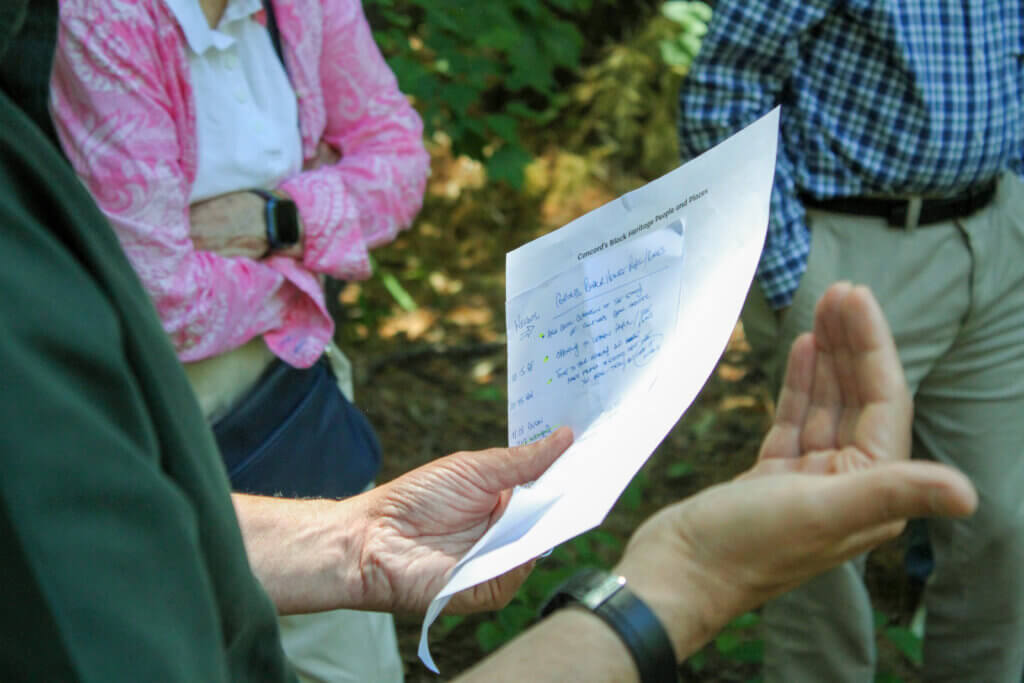
Supporters, skeptics, and some in between piled onto a school bus last week to learn about the Dapices’ early 1800s home and other proposed “Black Heritage Trail Marker” sites.
Proponents emphasize the signs as a way to teach Acton about its history and make people of color feel welcome.
Resident Osamagbe Osagie told The Acton Bridge that they’re also a chance to name “the quiet thing out loud” — that Acton is “really inaccessible” to people who aren’t white or wealthy.
Others have raised concerns about how the signs will look and wondered what will happen if other groups come forward with similar proposals.
A $14,000 state grant for the markers expires at month’s end, Graney said, so the clock is ticking to spend the money.
“I just hope that we can come to a common agreement,” Select Board member Paul Boehm said, “and get away from any controversy.”
The Historic Districts Commission is set for a trail markers vote on Wednesday night. The Select Board could discuss the signs at its June 22 meeting.
Dimensions and locations
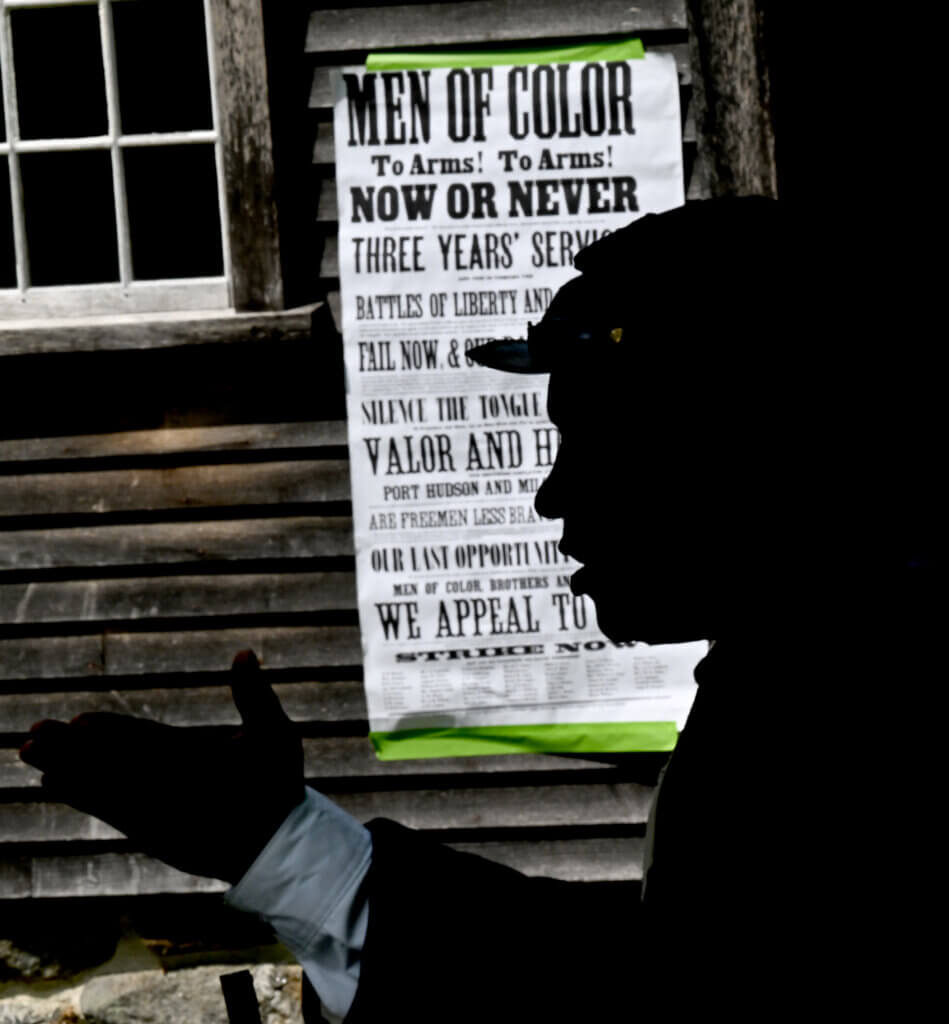
Recent plans called for 5-foot-by-18-inch markers at 11 sites around town. Signs would denote historic Black neighborhoods, graves, and significant buildings.
Historic Districts Commission and Historical Commission members have said they support the mission, even as some pushed for smaller dimensions.
“Our job as commissioners is to make sure that all the layers of history are visible and that this one project doesn’t dominate on a site,” HDC’s Kristen Dahlmann said during a meeting last week.
Size, fellow associate member Jeff Young told The Bridge, “is the big issue.”
Supporters say the displays should be big enough to draw attention to an undertold part of Acton’s story. Graney said shrinking them would make them harder to read.
As a Black man, Robbins House museum interpreter Joe Zellner told The Bridge, it also “doesn’t feel very good to be told you need to take up less space.”
HDC reviews projects in Acton’s six designated historic districts. It has seven proposed marker sites under its jurisdiction.
In addition to the Select Board, either the Natural Resources Commission or the Cemetery Commission gets a say over each of the other sites, Graney said.
Recent tour attendees lathered up with sunscreen and grabbed aluminum water bottles from the town Visitor Center before boarding a school bus.
The Dapices support placing a marker recognizing Tubman’s visit in front of their house. David Dapice told The Bridge during the tour that abolitionist John Brown once dined at the home.
The Select Board may soon convene a task force to discuss a new Revolutionary War memorial. Whether that panel also considers other monuments or signs remains an open question as members weigh the memorial proposal alongside the trail markers debate and a 2023 fracas over state tercentenary signs.
‘Insult to injury’
The marker debate continued as Acton planned events for Juneteenth, which recognizes the end of slavery in the U.S.
Osagie said the proximity to the holiday “continues to add insult to injury.” She was frustrated with the HDC.
“You can’t say that you really want to do something and then make it incredibly difficult for it to be done,” she told The Bridge.
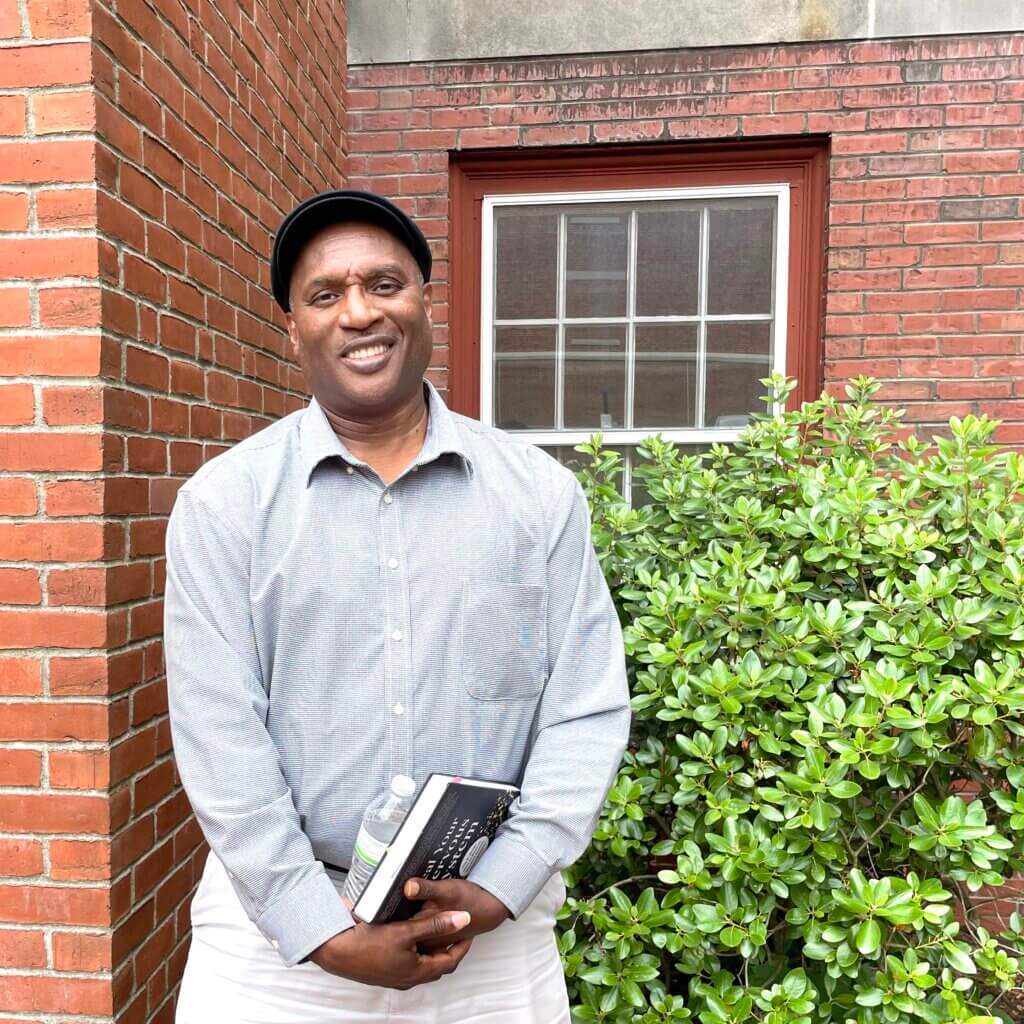
Sam Williams, Acton Prison Outreach executive director, remembers the turmoil of being a Black high school student during the Boston busing crisis.
Today, as part of the team backing the trail markers, he said, some skeptical comments had him thinking, “Oh, my gosh, this feels like high school.”
A day after another at times tense HDC meeting, he hoped for compromise. “There should be a way to get to a middle ground,” he said.
The HDC’s Young struck a similar note in previous comments directly to project organizers.
“I hope we can work it out,” he said.