New prison reuse plan could double retail, trim parking
As attention turns toward a Town Meeting zoning vote, town consultants face a key question: What if voters say no?
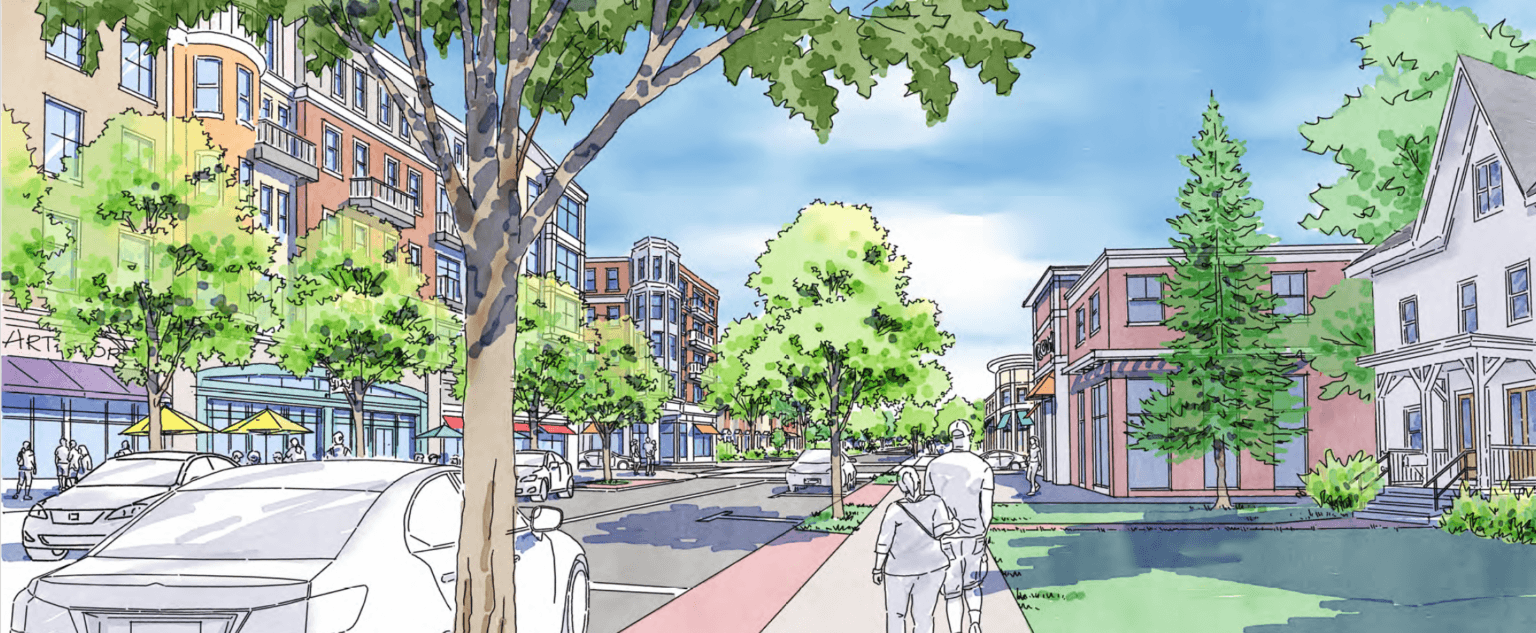
Whether it’s for local wares or grocery store fare, shoppers could have twice as many shelves to peruse at a reimagined MCI-Acton.
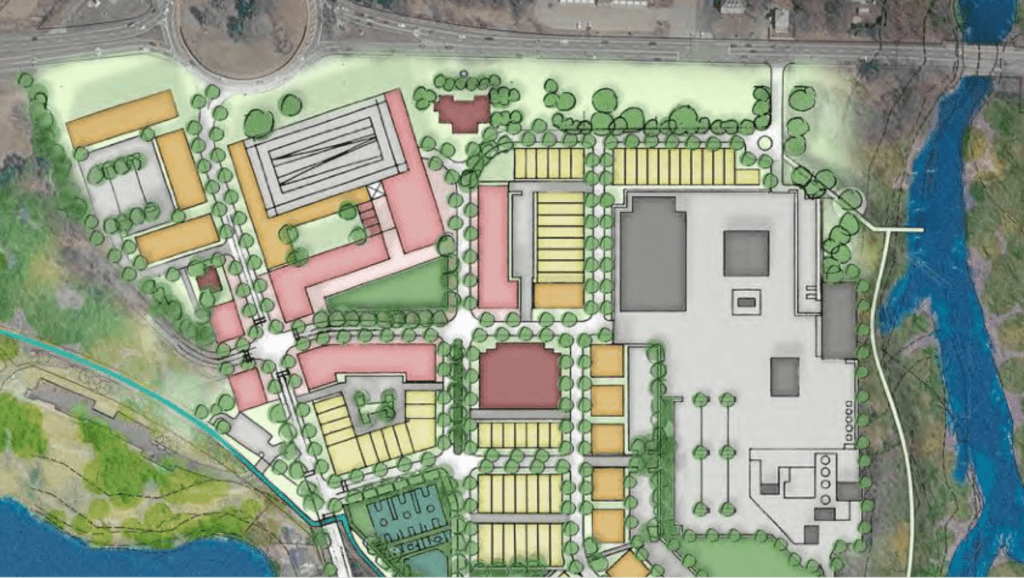
Town consultants are at least doubling possible retail square footage in new redevelopment mockups. They’re also proposing less parking than in their first draft.
Consultants aren’t keen to talk about the possibility, but as attention turns toward a Town Meeting zoning vote, they’re facing it anyway: What if voters say no?
“It’s a little scary” to see development ideas, retired longtime Acton-Carlisle High School employee Roberta Nicoletta said after a September 9 public update.
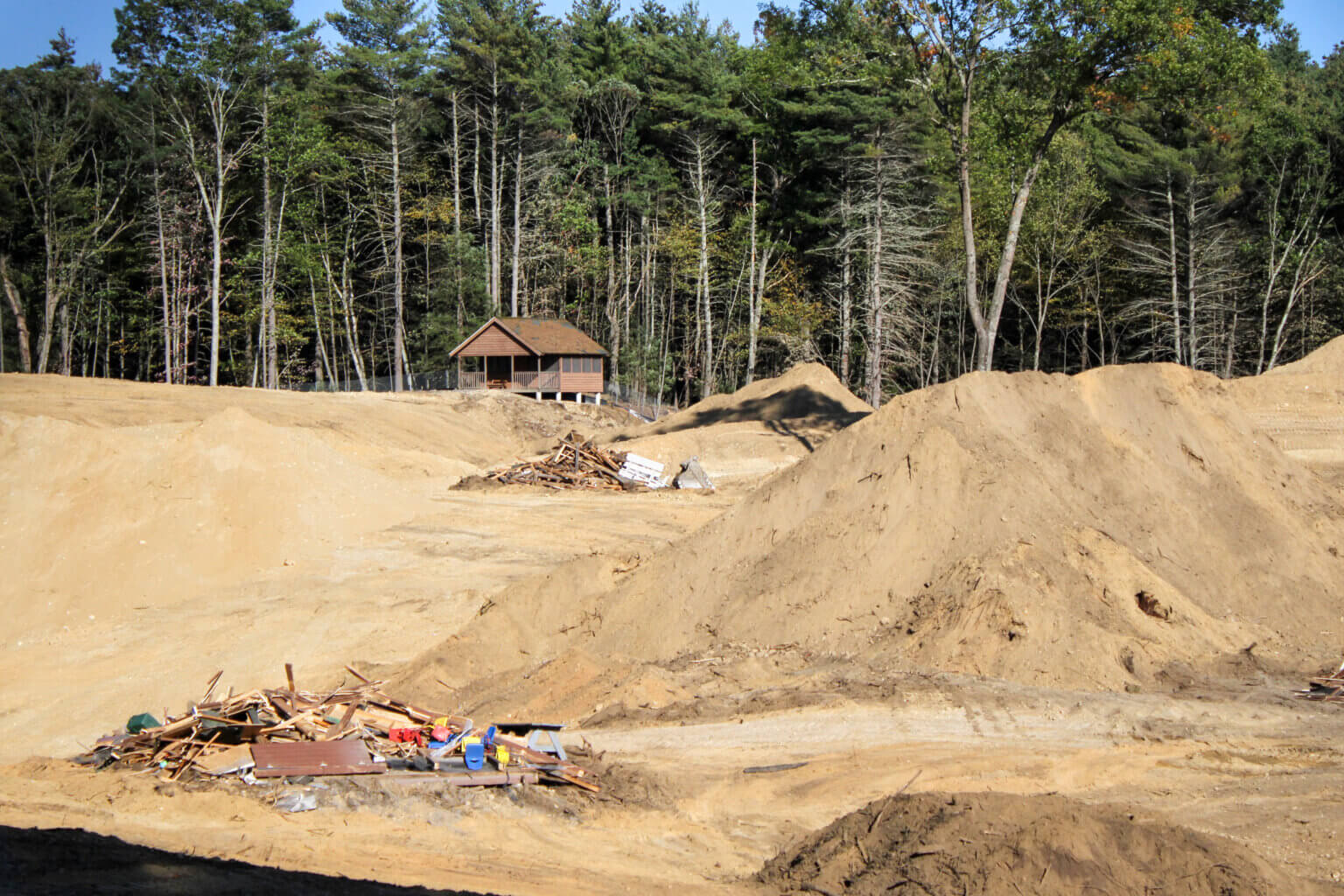
The prison, long a constant in Acton’s landscape, could soon take an unrecognizable form.
“There’s really going to need to be a lot of educating the public” about redevelopment plans, Nicoletta told The Acton Bridge.
Any construction could be years away, but the zoning question could go before voters in May. Zoning will be the town’s most direct way to influence what gets built.
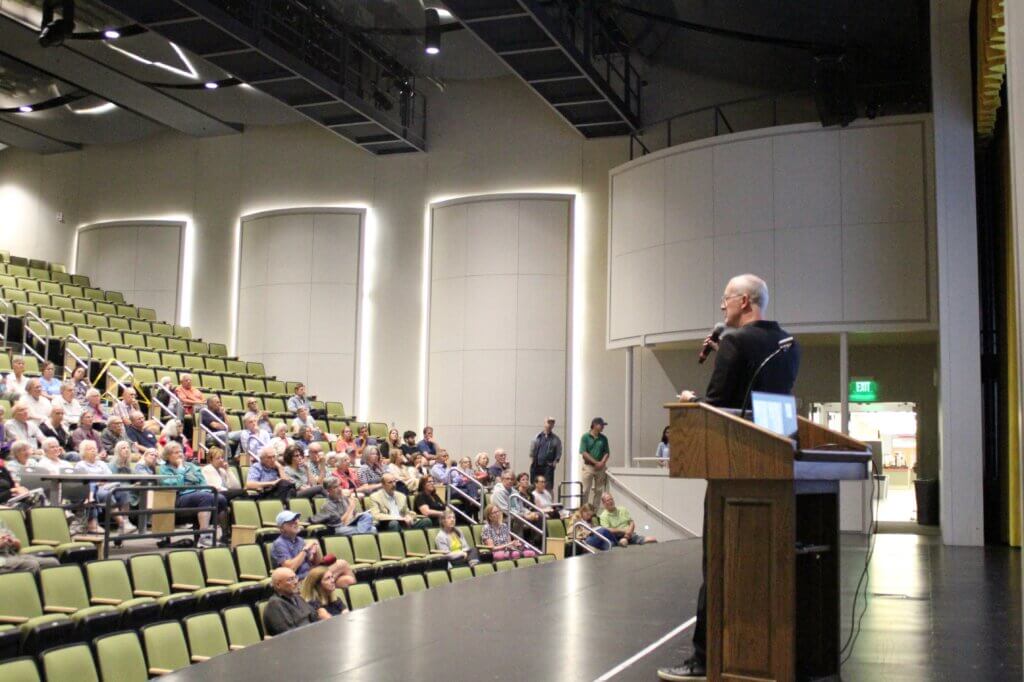
Consultants brought the new site layout to the CCHS auditorium after a summer of community feedback and sitdowns with developers.
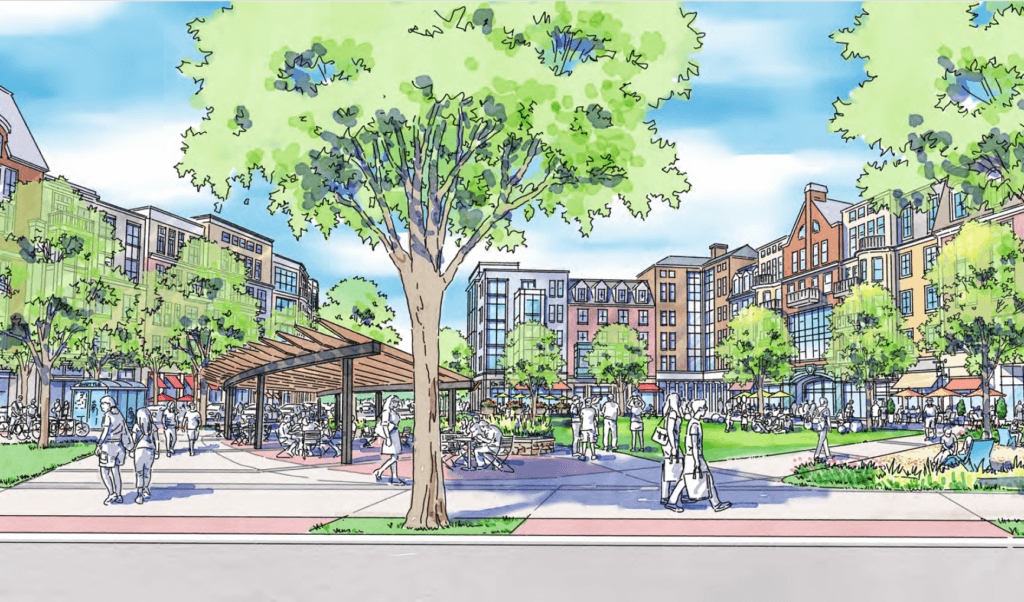
The new concept would allow roughly 100,000 square feet of retail space in deeper buildings around a neighborhood core. That’s up from about 25,000-50,000 square feet in a first draft from June, consultant Jeff Speck said.
Lauren Goyette, who moved here in 2025, said this was her first MCI-Acton meeting. As a younger resident, she’d like to see new restaurants, bars, and more budget-friendly stores.
There’s currently “nowhere to go after 6 p.m., even on a Saturday,” Goyette told The Bridge.
A developer could offer yet more commercial space if it chooses to repurpose or keep a prison gym, officials say.
Even with added retail, the prison site’s proposed commercial sector remains smaller than developments officials studied for inspiration. The Point in Littleton boasts 540,000 square feet of leasable area, per real estate listings. Maynard Crossing has 296,000 square feet of “non-residential” space.
Consultants are cool to office construction due to lackluster demand. Select Board Chair Wendy Rovelli told The Bridge there will be no big-box stores at the former prison.
Resident Ed Bernard told The Bridge before the CCHS forum that how much tax money the town will make from redevelopment is “a crucial question.”
Consultant Phil Schaeffing estimated that the prison’s rebirth could net the town and its schools roughly $1.2 million per year in revenue from sources including property taxes and grants.
Squaring the circle
Whatever rises on the old prison’s grounds, new residents and customers need a way to get there.
Planners are backtracking on a new roundabout on Commonwealth Avenue over traffic concerns.
The team now suggests a signalized intersection as one gateway to the property. They envision a second juncture near where the Bruce Freeman Rail Trail crosses Commonwealth Avenue.
They hope for a third entrance/exit accessing Route 2 near the Assabet River. That option could be another relief valve for Commonwealth Avenue traffic, planners say.
“We are looking for additional ways to spread that pain,” consultant Erin Cameron told September 9 event attendees.
This summer, the Select Board formally endorsed reserving some of the prison site for Acton Public Works. Consultants redrew CPW space with their new concept and adjusted parking and housing around the facility to compensate.
Rovelli said the new plan could still accommodate a state benchmark of up to 1,000 housing units sitewide, but this iteration “absolutely” has less overall parking. “They definitely had too much” in the first version, she told The Bridge.
Seated in the CCHS auditorium, resident Moira Walsh recalled a one-vote margin that scuttled cell infrastructure rezoning last spring. “I’m concerned that people aren’t understanding what a rejection of this zoning will mean,” she told The Bridge.
‘Hard to speculate’
The state has some ways to still build housing if Acton balks, but consultant Chris Dempsey says “it’s sort of hard to speculate what would happen.”
Project staffers fielded other questions about wastewater capacity, affordable housing, and how prison reuse will mesh with other developments in town.
“They’re making progress, but boy, have we got a way to go,” Select Board member Paul Boehm said after the presentation.
Retired barber Raffaele Nicoletta recognized former clients while he spoke with The Bridge in the CCHS cafeteria.
Change in the town where he and his wife, Roberta, worked for decades may be unsettling. It’s also shining a hopeful light.
With new housing, the Nicolettas might be able to downsize from their Chelmsford home and “live in this area that we’re still so connected to,” Roberta said.
“I would love to come here if it’s affordable,” her husband agreed.