Officials weigh ‘workforce housing’ as young Concordians skip town
A few projects are moving forward that should provide cheaper housing for people of all ages.
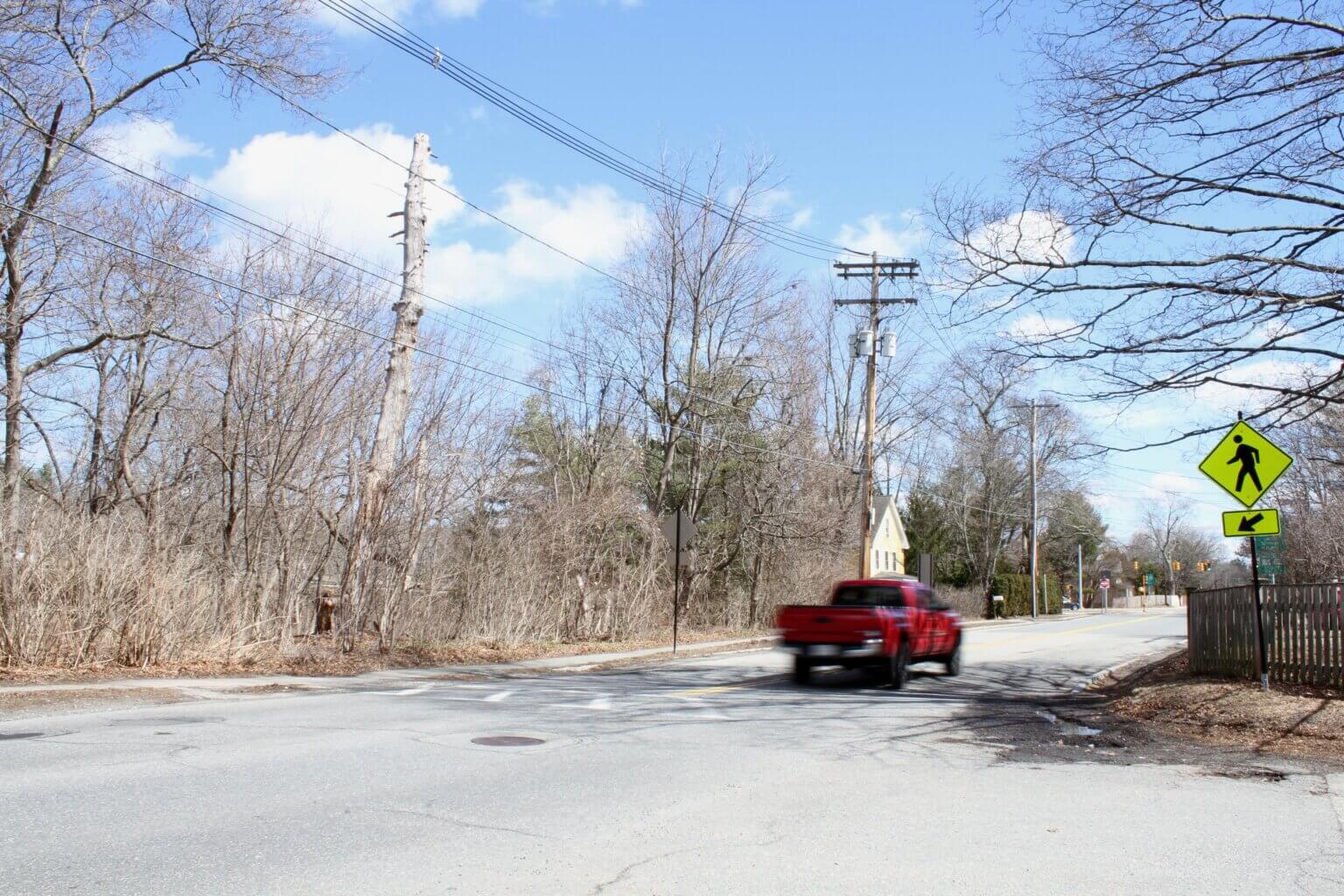
Amaya Benzaquin-Magill grew up in Acton and moved back in with her family after graduating from college last year.
She works full-time as a paralegal but said it’s “definitely not possible” to lay down roots here, given housing costs.
Housing advocate Moira Walsh feels for young people. She’s involved with the Acton After 60 support group and fears a missed opportunity for everyone else as Generation Z decamps.
“I just think we’re losing something culturally,” she told The Acton Bridge.
A few projects are moving forward that should provide cheaper housing for people of all ages.
Walsh views “accessory dwelling units” as a way to bring young people into town. Some support an additional proposal tailor-made for young professionals.
“We have an ongoing need,” Affordable Housing Trust member Matt Johnson said during a recent meeting. “I don’t expect that need to go away.”
‘That feeling of life’
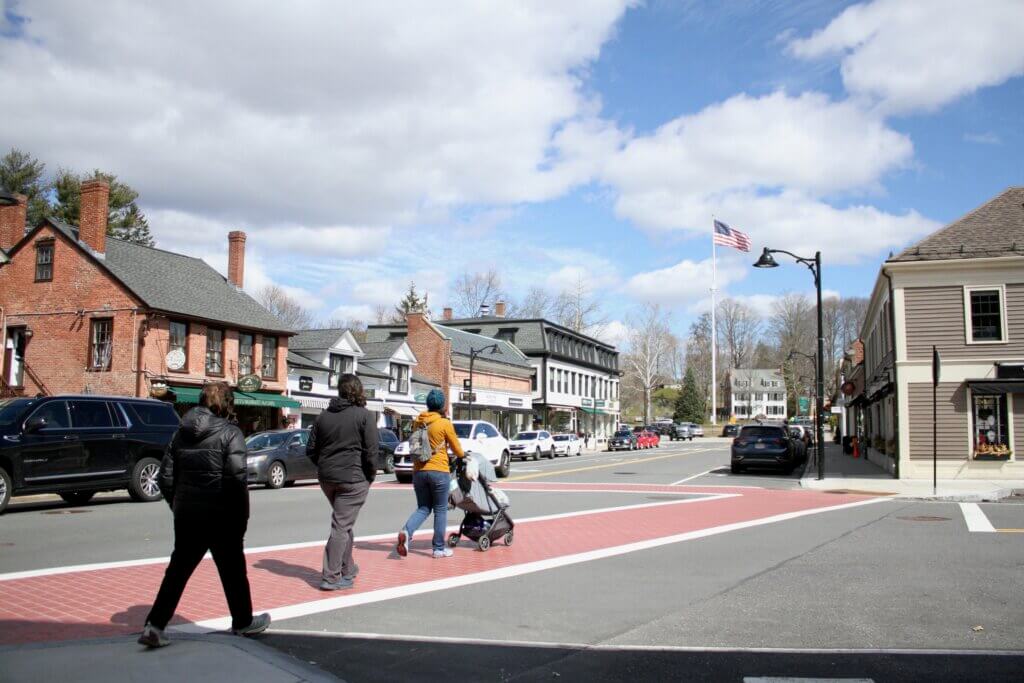
In 1992, nearly 26% of Concordians were in their 20s or 30s, according to the town census. By last summer, that share dipped below 16%. In the early ’90s, just under a third of residents were over 50. Come 2025, more than half were 50 or older.
Beyond the hard numbers, Luke McCrory remembers growing up in a Acton neighborhood full of families with young children.
He’s in college now. Many of the families who had young kids have moved, and they’re “not getting replaced by younger families that keep that feeling of life and continuity alive,” he told The Bridge.
McCrory suggested higher-density housing as part of the solution.
“It’s OK if you want to maintain the town’s character or preserve your property values,” he said. “You just can’t complain when you wake up 20 or 30 years later, and the town looks like a senior center.”
Reeling in the years: Acton’s aging populace
1992
Age | Percentage of total population
Under 20 | 24%
20-29 | 12.1%
30-39 | 13.7%
40-49 | 17.3%
50-59 | 12.7%
60-69 | 10.3%
Over 70 | 10%
2025
Age | Percentage of total population
Under 20 | 21.6%
20-29 | 9.3%
30-39 | 6.3%
40-49 | 11.7%
50-59 | 14%
60-69 | 15.5%
Over 70 | 21.4%
Source: Town census reports
91B Main
Most Concordians make their money outside of town. Those who work here rarely live here, according to last year’s MCI-Acton Vision Plan.
Current federal calculations mean a single person would have to make less than $92,650 to qualify for most of Acton’s income-restricted units.
Officials are considering a higher threshold that could help a project at 91B Main Street bridge the gap for those who make too much for standard affordable apartments but too little for Acton’s market rate.
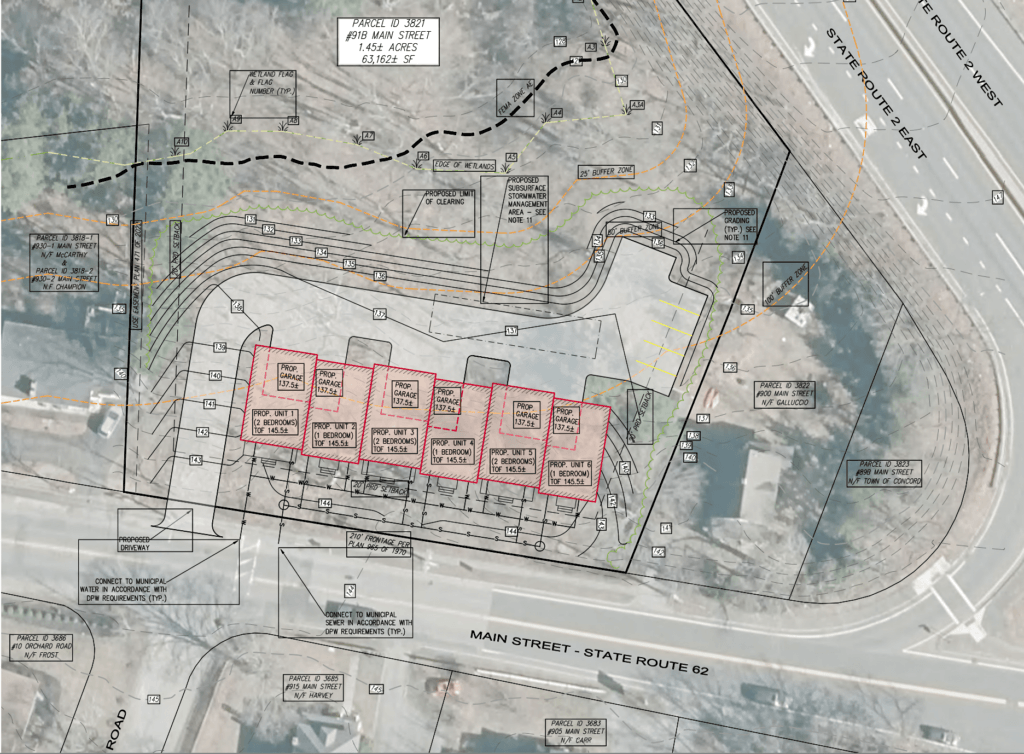
The state-owned 91B parcel sits at the intersection of Main Street and Route 2. One recent proposal envisions six apartments.
Officials set housing thresholds based on the federally designated area median income (AMI). Most Acton affordable units are limited to 80% of AMI. Setting the bar at 120% would open 91B units to any single person making less than $135,156, per current calculations.
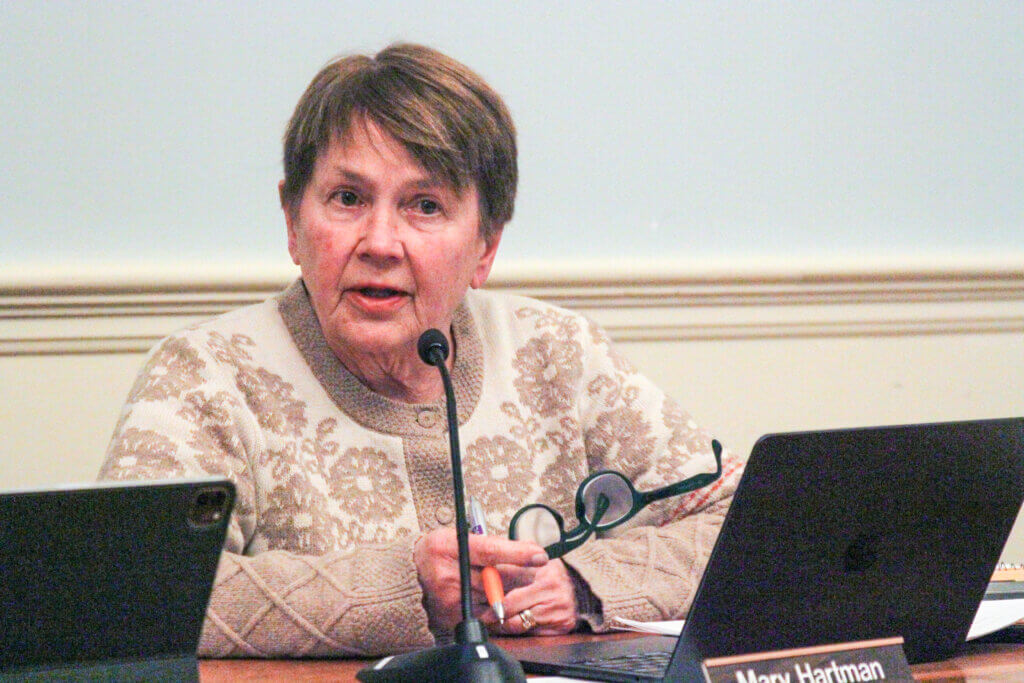
Select Board member and housing trustee Mary Hartman mentioned veterinary workers, emergency dispatchers, and nurses as good candidates for “workforce housing.”
“These are people that we depend upon,” she told The Bridge, “and they can’t afford to live here.”
Officials haven’t decided how many apartments they would build at 91B or at what income they would cap eligibility. Housing trustees would need Select Board approval before buying the land. They expect to discuss the proposal again soon.
‘Clear limits’
Already-approved apartment projects and a slew of available properties could net hundreds of new housing units far beyond this small slice of West Acton. While advocates push projects, many residents fear traffic tie-ups. Town leaders often cite sewer capacity as a development constraint.
Leaders are advancing an amendment at this year’s Town Meeting that would allow more mixed-use, residential, and commercial development in town centers.
Concordian Carol Savoy said she supports small businesses, affordable housing, and mixed-use projects — “but those goals depend on clear limits,” she said during a recent public hearing.
Officials often debate how to help older Concordians age in place. Young people who spoke with The Bridge mentioned barriers beyond money that might keep them from living here, including insufficient nightlife and public transit. Housing costs still loom large.
Leaders are eyeing more options and recently held a forum about accessory dwelling unit construction.
Whether they’re so-called “in-law apartments” on larger plots of land, or projects like 91B, some are holding out hope.
“I love this area,” Benzaquin-Magill said. “I just want to see it improve.”


