Opioid settlement money goes unspent as town mulls options
Acton is one of many Massachusetts municipalities with a surplus of opioid settlement money.
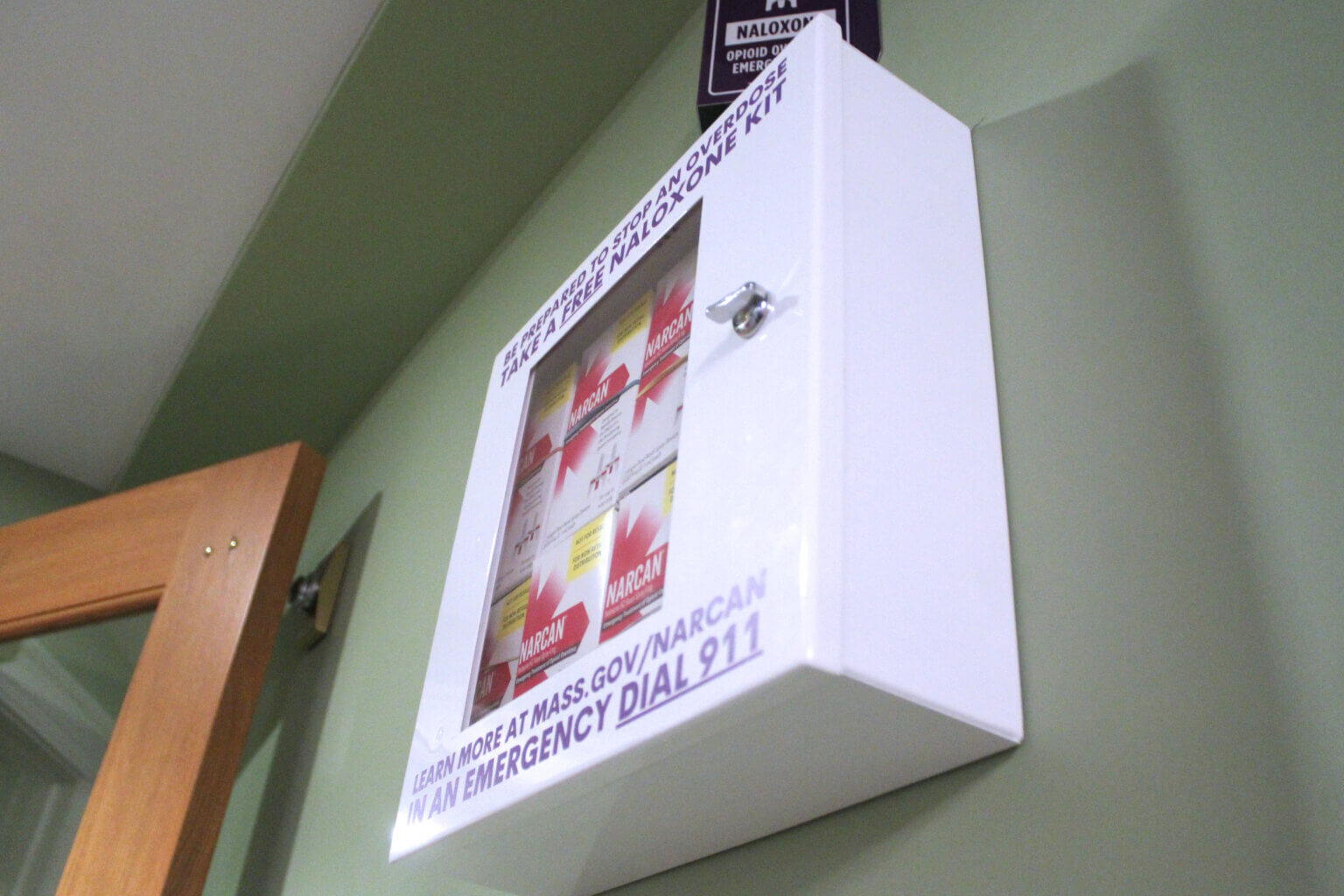
Acton has spent just $3,604 of the $166,868 in opioid settlement money it has received so far to address addiction and opioid overdoses in town, officials confirmed.
The rest of the money sits unspent in town coffers, part of a much larger sum waiting to be allocated by cities and towns statewide.
Town health officials say the money they’ve spent is having an impact, and officials are working to find the best uses for the rest. The low rate of spending, public health director Melanie Dineen said, also puts Acton in line with similar communities.
Some local advocates are frustrated, though. On Beacon Hill, one of Acton’s state representatives acknowledges the settlement program’s rollout has been bumpy.
“I appreciate the fact that legislation does not always have a smooth path to implementation and sometimes requires a continued team effort among legislators and state and/or municipal officials to be effective and meet intended goals,” Rep. Carmine Gentile (D-Sudbury) said in a statement to The Acton Bridge. “This is one of those cases.”
Narcan access
Massachusetts will get more than $900 million over the coming years through settlements with opioid manufacturers and distributors. The state is retaining 60% of the money and distributing the rest to its cities and towns to support substance use prevention, harm reduction, treatment, and recovery efforts. Acton is getting $660,000 in total.
Dineen said Acton focused its initial spending on expanding access to Narcan, which can reverse an opioid overdose if administered in time. The town installed Narcan cabinets at Acton Free Public Library locations and has Narcan available at its Health Division offices.
In a statement, Dineen said the town’s public health nurse collaborates with the Great Meadows Public Health Collaborative to offer Narcan training. Officials also ran larger training events in 2023 and 2024 to ensure residents are comfortable using Narcan in an emergency.
Dineen said the Narcan effort “lays the groundwork for a broader, long-term strategy.” She said the town is “carefully planning and implementing programs” to maximize the impact of its remaining funding with a focus on prevention and support.
“While making Narcan available is a key first step, we also recognize the importance of long-term prevention,” Dineen said.
She said officials are working with other communities through the Great Meadows Collaborative, which recently funded and hired a shared regional substance use prevention coordinator for Acton, Carlisle, Bedford, Lincoln, Sudbury, Wayland, and Weston.
‘This is such a big deal’
Nine Acton residents died due to opioid overdoses from 2016 to 2023, according to data from the state Department of Public Health.
Acton-Carlisle High School student Gwen Sodergren and her twin brother, Casey, are trying to prevent overdose deaths with their own Narcan initiative. (See story, page xx) Gwen said Acton’s settlement spending was “disturbing.”
“This is such a big deal, it doesn’t make sense to me why we aren’t putting as much as we can to stop it,” Gwen told The Bridge.
Gentile said he believes legislators will work with DPH and the Massachusetts Municipal Association to help communities get funding out the door.
He recalled his experience as a lawyer in family law and criminal defense cases.
“That work caused me to become very familiar with our treatment facilities and the lack of adequate resources to treat patients effectively in a timely manner,” he said. “These opioid abatement funds can and should be used to meet the challenges families continue to face.”
Laura Hayes contributed reporting.


