Parents voice concerns as schools put cellphone policy on hold
Parents urged a closer look at technology use, including cellphones and screen time, at a recent School Committee meeting.
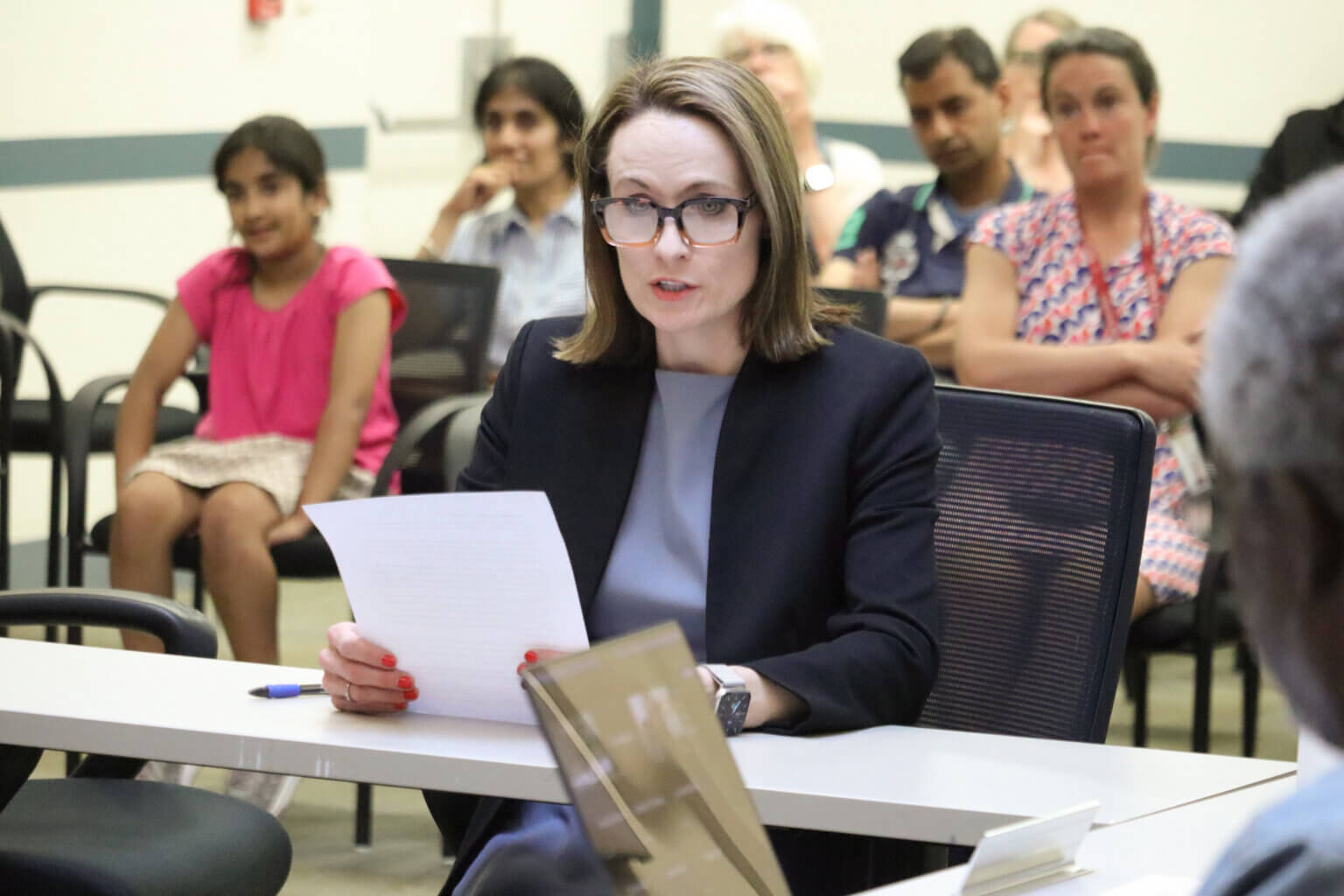
Even as the School Committee pauses work on a proposed cellphone survey, some parents are keen to make their feelings known.
“I am taking a pro-childhood stance, not an anti-technology stance,” Acton parent Amy Amick, a neurologist, told committee members at their May 20 meeting.
She was one of three parents at the meeting who urged the district to take a closer look at technology use in schools, including student cellphone use and screen time.
Amick told the committee that excessive screen exposure can interfere with “social interaction, handwriting, problem solving, and even tolerating boredom.”
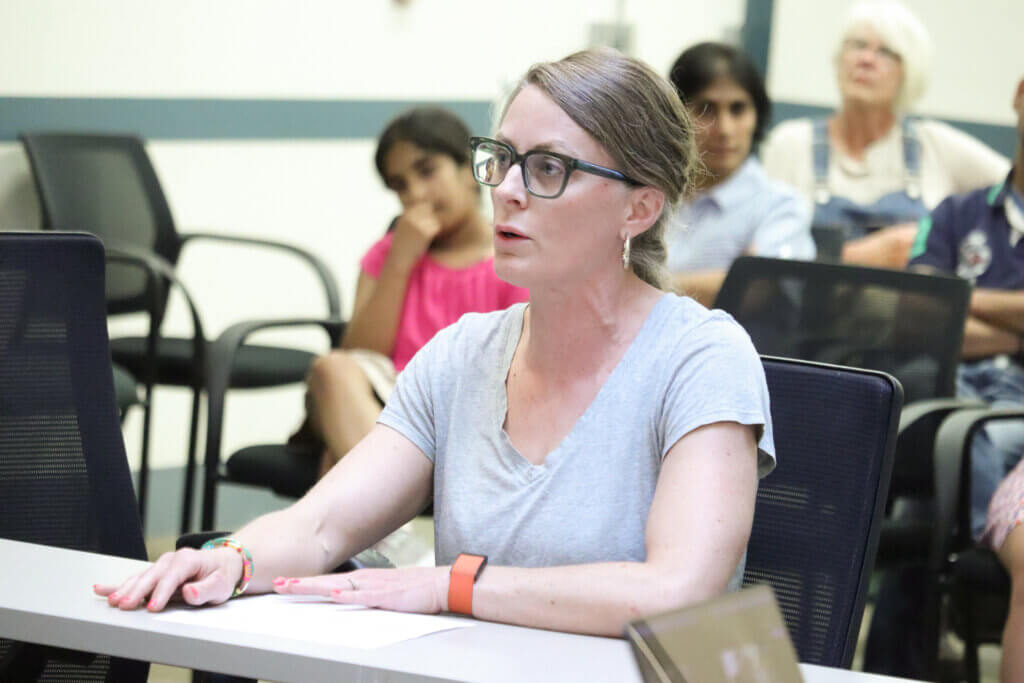
Another parent, Emily Lines, said she is part of the newly formed “Intentional Tech Coalition,” a group of more than 100 local parents and caregivers advocating for “thoughtful school-based and home-based technology practices.”
Lines encouraged the district to collect student screen-time data, review existing technology policies, and list the digital learning and AI tools in use across grade levels.
Waiting for Beacon Hill
Committee members explained that rapidly advancing state legislation had changed the local conversation around cellphone restrictions.
Last month, the Massachusetts House passed a bill that would require districts to prohibit student cellphone use during the school day while also placing restrictions on social media access for minors. The Senate passed its own cellphone-focused version of the legislation last year.
The legislation is in conference committee, where lawmakers are working to reconcile differences between the House and Senate versions.
Under the proposals, the Massachusetts Department of Elementary and Secondary Education would develop a model policy for districts, though local school committees would still be responsible for implementation.
“I personally feel as though we should wait to hear more from the state,” Regional School Committee Chair Tracey Marano said during an April 14 meeting. “Whatever the state tells us to do, we’re going to do.”
‘The powers that be’
Superintendent Laurie Hunter likewise recommended waiting for more direction from DESE.
“My instinct is to wait and get a better framework from the powers that be,” Hunter said at that April 14 meeting. “Once we have that guideline, we’ll know more of what choices we have and what we don’t.”
Through a spokesperson, Hunter and Marano did not respond to additional Bridge questions about the policy or delay.
At the May 6 and May 20 meetings, Marano said the committee has asked Hunter to deliver a “comprehensive presentation on technology in the district” in the fall.
“We hear the comments; we hear the feedback,” Marano said. “We’re looking forward to this work.”


