Pros, cons, and question marks: Real estate pros kick tires at 2229 Main
Depending on whom you ask, the Superfund site could be a developer’s delight or a tract haunted by its toxic history.
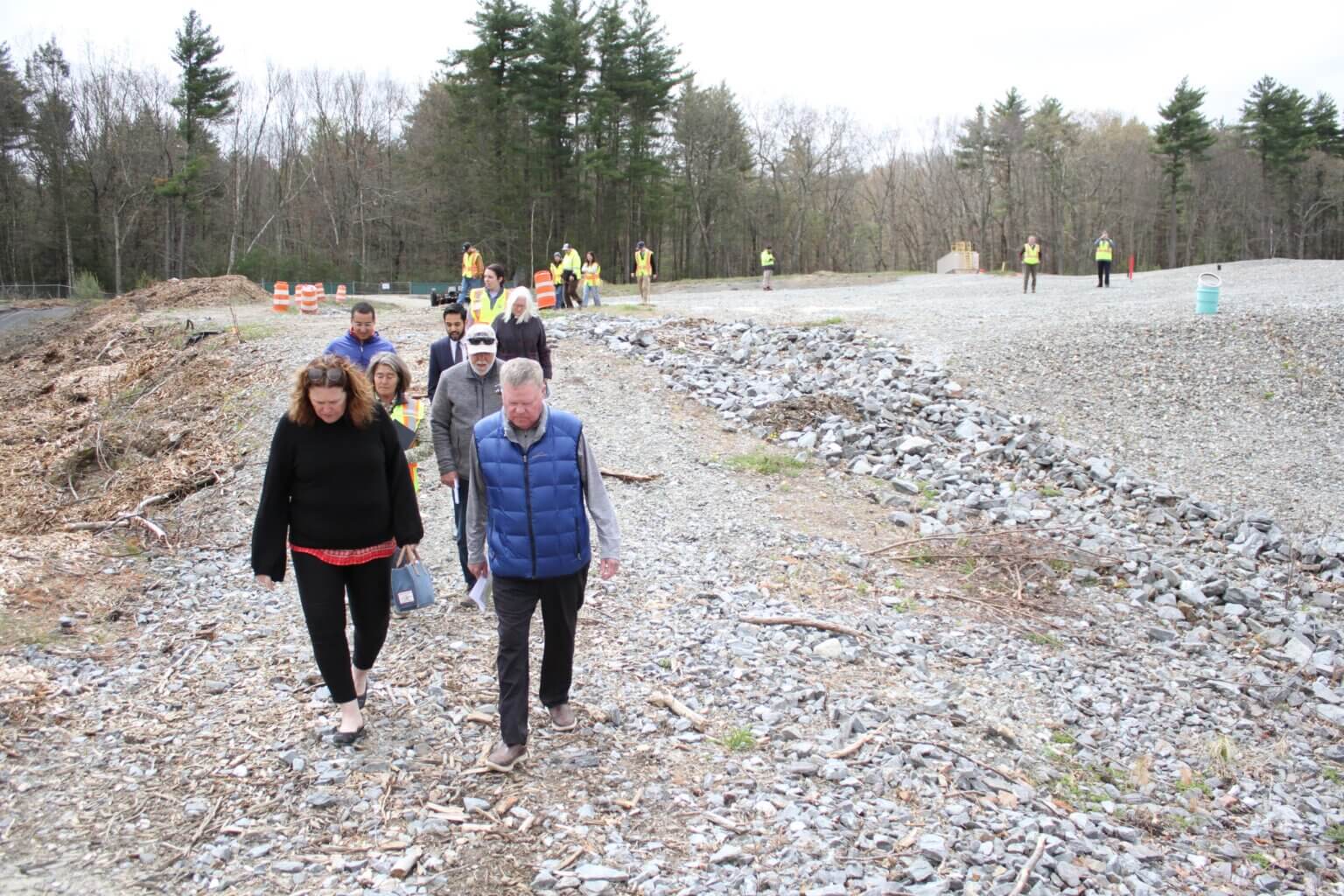
Depending on whom you ask, the 2229 Main Street Superfund site could be a developer’s delight or a tract haunted by its toxic history.
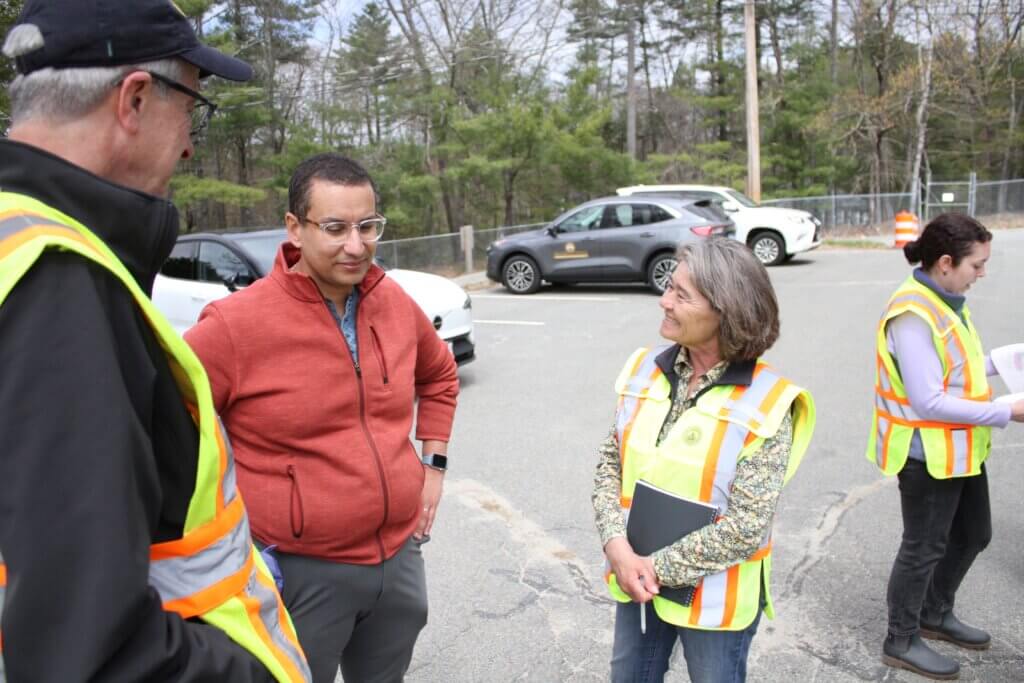
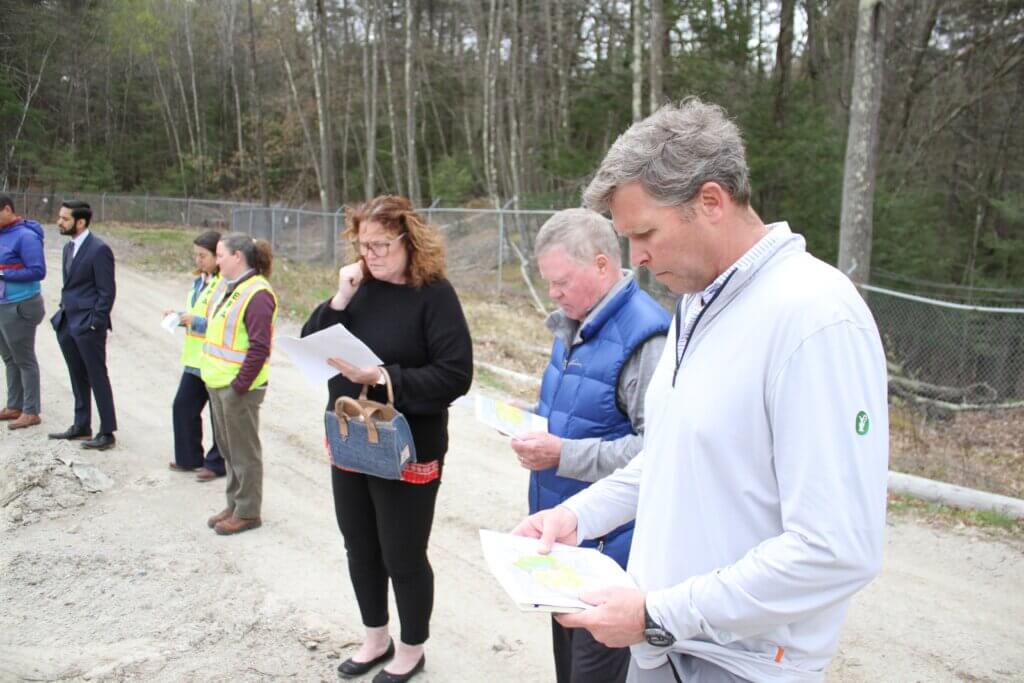
Select Board member Paul Boehm has dubbed himself an “ambassador” for the property and recently wrangled builders to see it for themselves. They had mixed reactions.
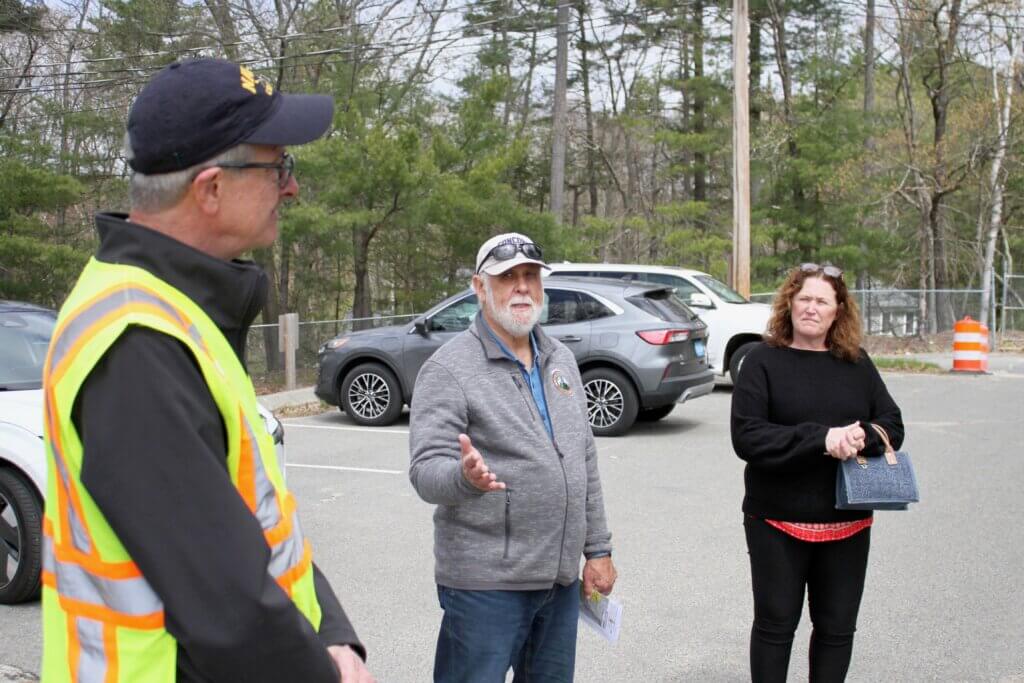
Some proponents envision housing or a recreational sports complex on the site.
Any project would be years away, and Concordians who support Superfund redevelopment are facing skeptics who question the optics of building on land once tainted with depleted uranium.
Strolling the site, Omni Properties partner and Acton Business Partnership President Tyler Spring mentioned “the stigma of putting residential here.” He said people will ask, “What are the real risks?” if the town wants to acquire the property.
Acton investor and developer John Boynton had been leery but said the April 29 visit changed his perspective. “I think there’s going to be a lot of interest,” he told The Acton Bridge.
‘Dumb idea’
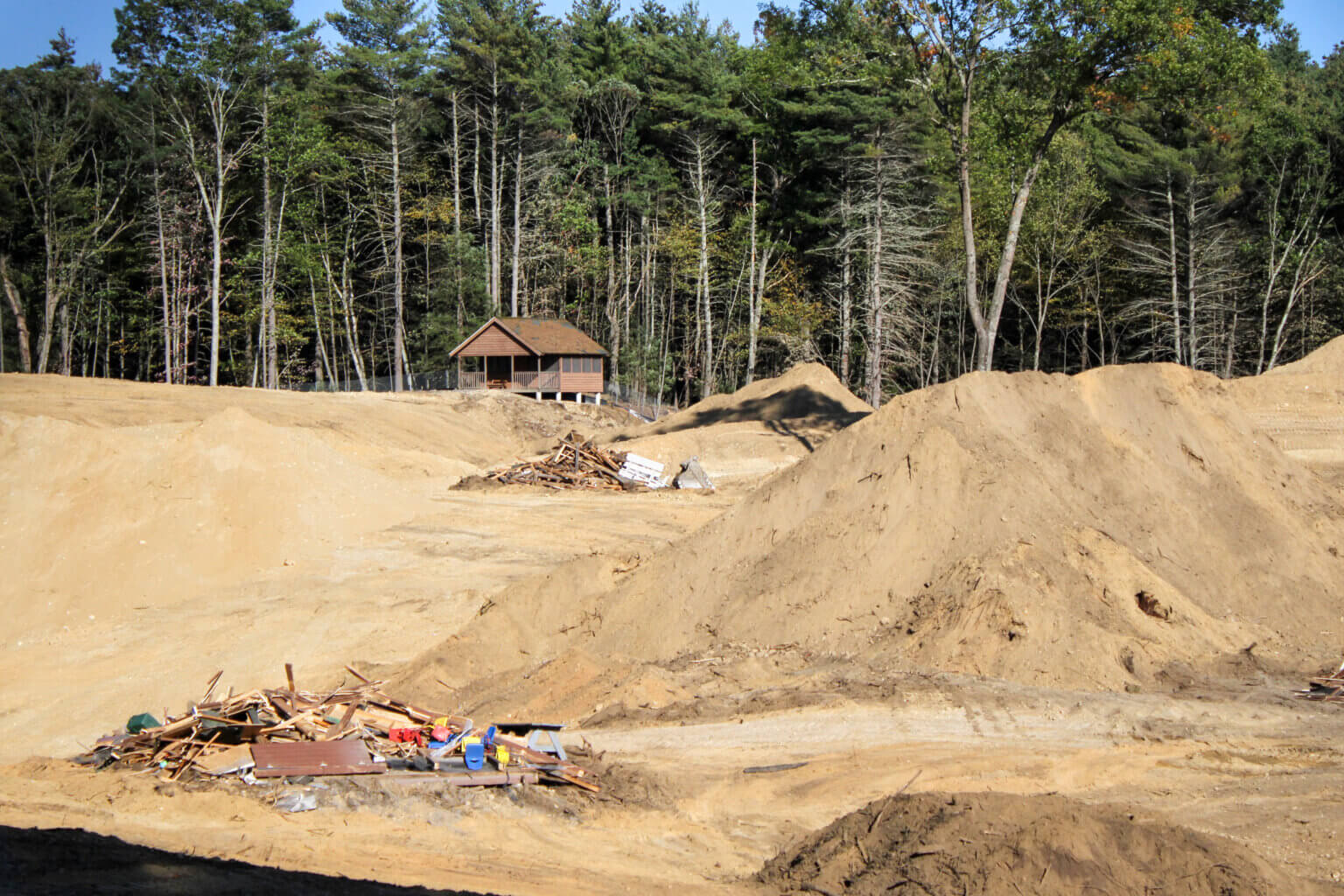
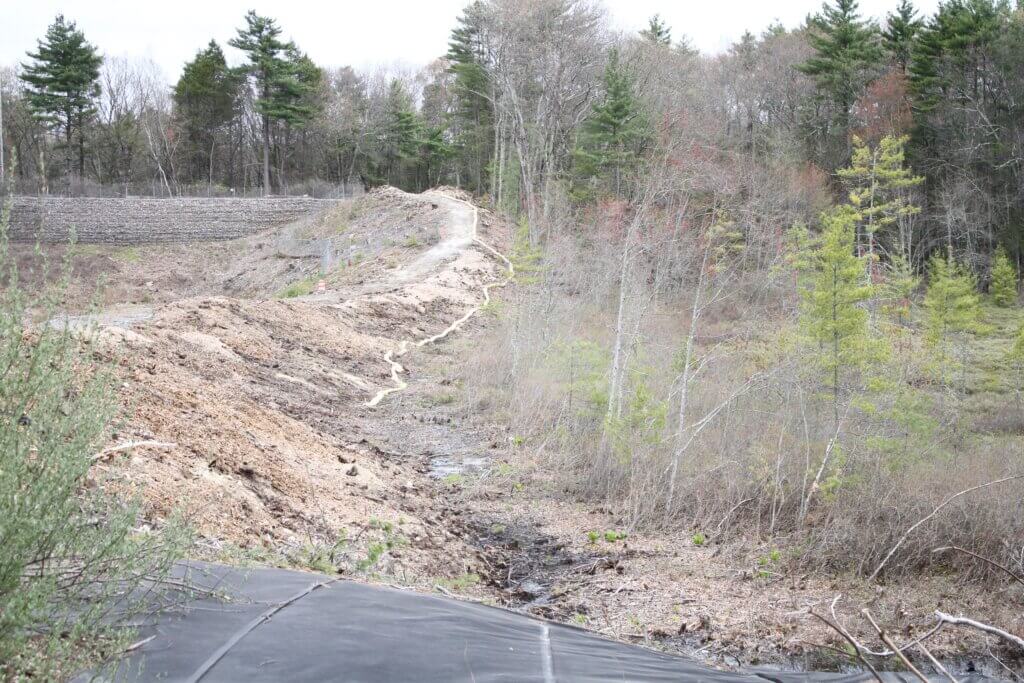
The 46-acre West Acton property was once home to a manufacturer of depleted-uranium weapons. The federal government’s cleanup plans promise to produce land fit for residential redevelopment.
Edge Sports Global President Brian DeVellis walked 2229 Main with his son, Anthony. Edge Sports has helped build more than a dozen athletic complexes with indoor turf fields, ice rinks, and basketball courts in places as close to Acton as Bedford.
Boehm has pitched a recreation “field house” to complement the nearby Thoreau Club, Valley Sports Arenas, and the SquashWest complex.
“There’s always a demand” for more sports facilities, Anthony DeVellis told The Bridge.
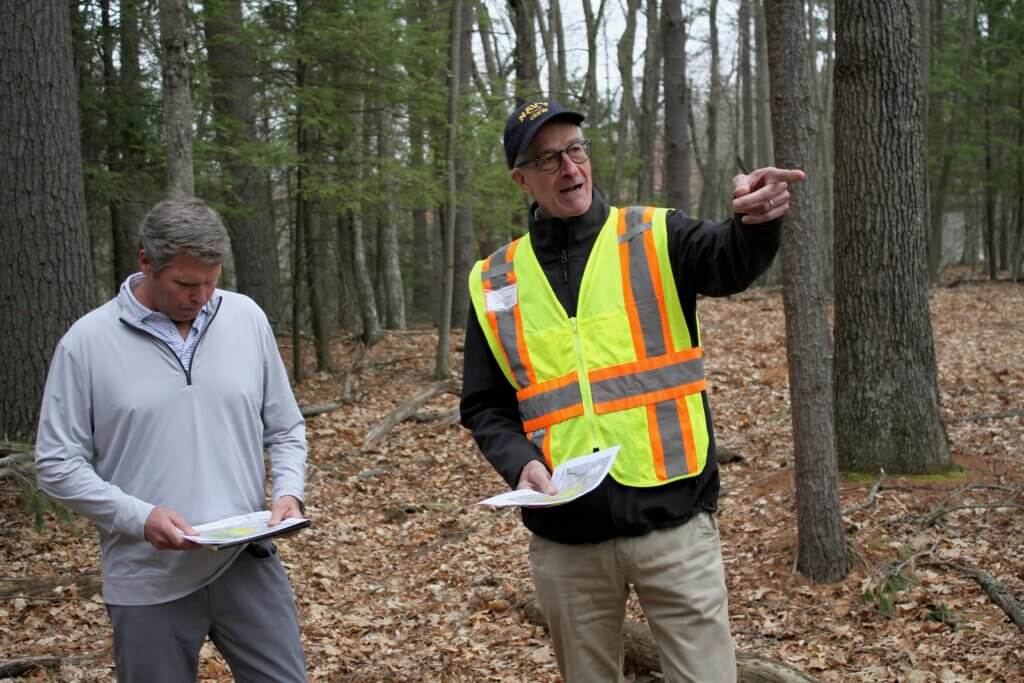
Boynton said he initially thought remediating 2229 Main to a residential standard was a “dumb idea,” because “who in the world is ever going to want to build housing even if it is ‘remediated’?”
The tour, which town officials also took, was his first time seeing the property. “If you put in the time to understand what they’ve actually done,” he said, “I think people would probably be OK with it.”
Fellow Concordian and developer Dan Gainsboro has built apartments and small neighborhoods in Acton and elsewhere, including a project on the former Fort Devens property. Gainsboro walked the Superfund site and told The Bridge at an unrelated event that he’s “not entirely” spooked by its contaminated history. He mentioned Devens’ own status as a Superfund property and said his company was “just about” to start on a 46-unit apartment building in the area.
“It’s possible to clean it up,” he said.
Ongoing negotiations
Estimates for when 2229 Main Street will be available for redevelopment have been pushed to 2031.
Project coordinator Bruce Thompson acknowledged crews are removing more soil than expected as they find contaminants including cancer-causing polychlorinated biphenyls from hydraulic oils.
A recent draft report from the non-profit Acton Housing Foundation warned that the town “will never have a better opportunity” than the present to boost the diversity of its population by improving its housing options.
As 2229 Main, the former Peabody School, and properties like the shuttered MCI-Acton prison come online, CHF says “affordable housing should be integral” to the town’s plans.
Select Board and Affordable Housing Trust member Mary Hartman told The Bridge that the optics of putting housing at 2229 Main “look really bad,” but she said there are some “pristine,” never-contaminated parts of the site that might work.
As for housing prospects in those areas, Hartman said “it depends on how successful we are” at the former prison and other parcels.