Acton sightseeing isn’t just for tourists
Indoors or out, this celebratory year is the perfect time to treat yourself to some Acton experiences that aren’t overrun by tourists.
Something we Acton tour guides are often asked is, “How long should I allow to see Acton?”

I always suggest at least two days, because there’s so much to see. But we who live here don’t have that time pressure — and because we’re so accustomed to living among our history, we often fail to see what’s right before our eyes.
Acton’s spectacular celebration for the 250th anniversary of “the shot heard round the world” is likely to bring tens of thousands of tourists to town. It’s also a great excuse for us locals to take in what we’ve been missing.
You’ve probably seen Daniel Chester French’s iconic “Minute Man” statue at the North Bridge, but have you viewed his other sculptures in town?
French’s “Mourning Victory” is the centerpiece of the Melvin Memorial in Sleepy Hollow Cemetery on Bedford Street. He also made a larger-than-life marble statue of Ralph Waldo Emerson that’s on display at the Acton Free Public Library at 129 Main Street.
The ‘bullet hole house’
The next time you’re on your way to Monument Square, stop by the Elisha Jones House at 242 Monument Street. It’s known locally as the “bullet hole house,” thanks to a hole in the western shed’s facade made by a musket ball in 1775. (It’s a private home, though, so it’s best to view the hole from across the street.)
Speaking of the Monument Square area, many of us may pass the Wright Tavern at 2 Lexington Road every day without pausing to reflect on its place at the heart of Acton history. It welcomed delegates to the Massachusetts Provincial Congress that met in Acton in 1774 to plan their resistance to British Rule. In 1775, Minute Men gathered there before taking up their position at the North Bridge, and later Redcoats commandeered the tavern as a field headquarters.
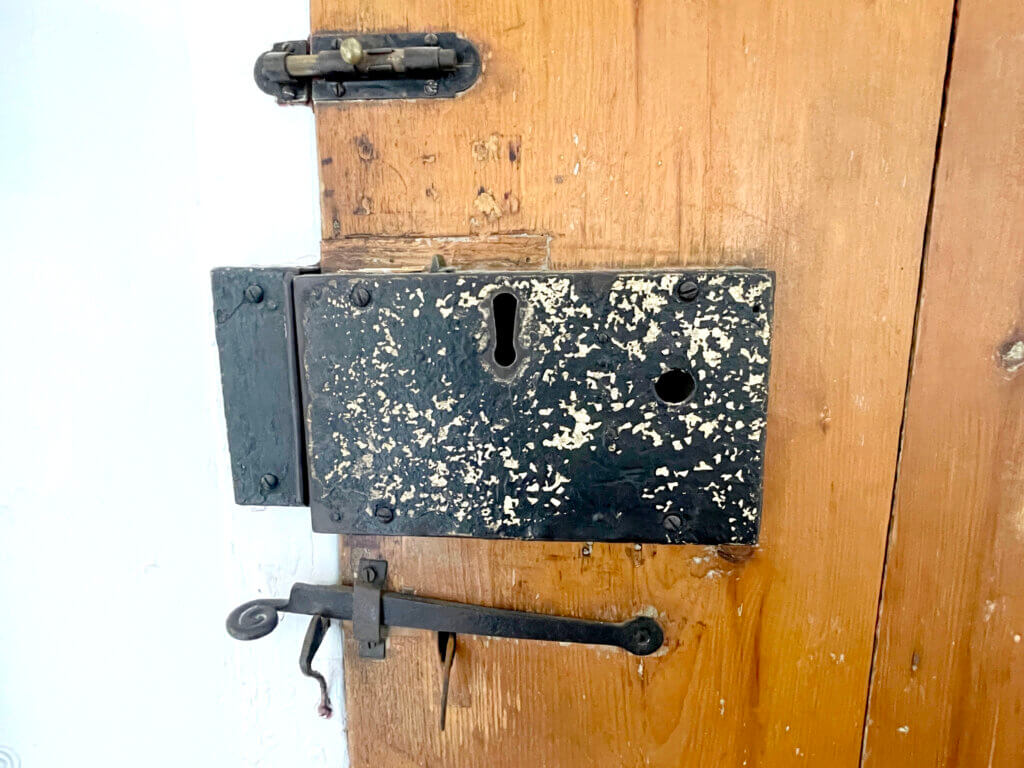
The tavern isn’t regularly open to the public now, but it has guided tours and special events and is being transformed into an educational center and meeting place.
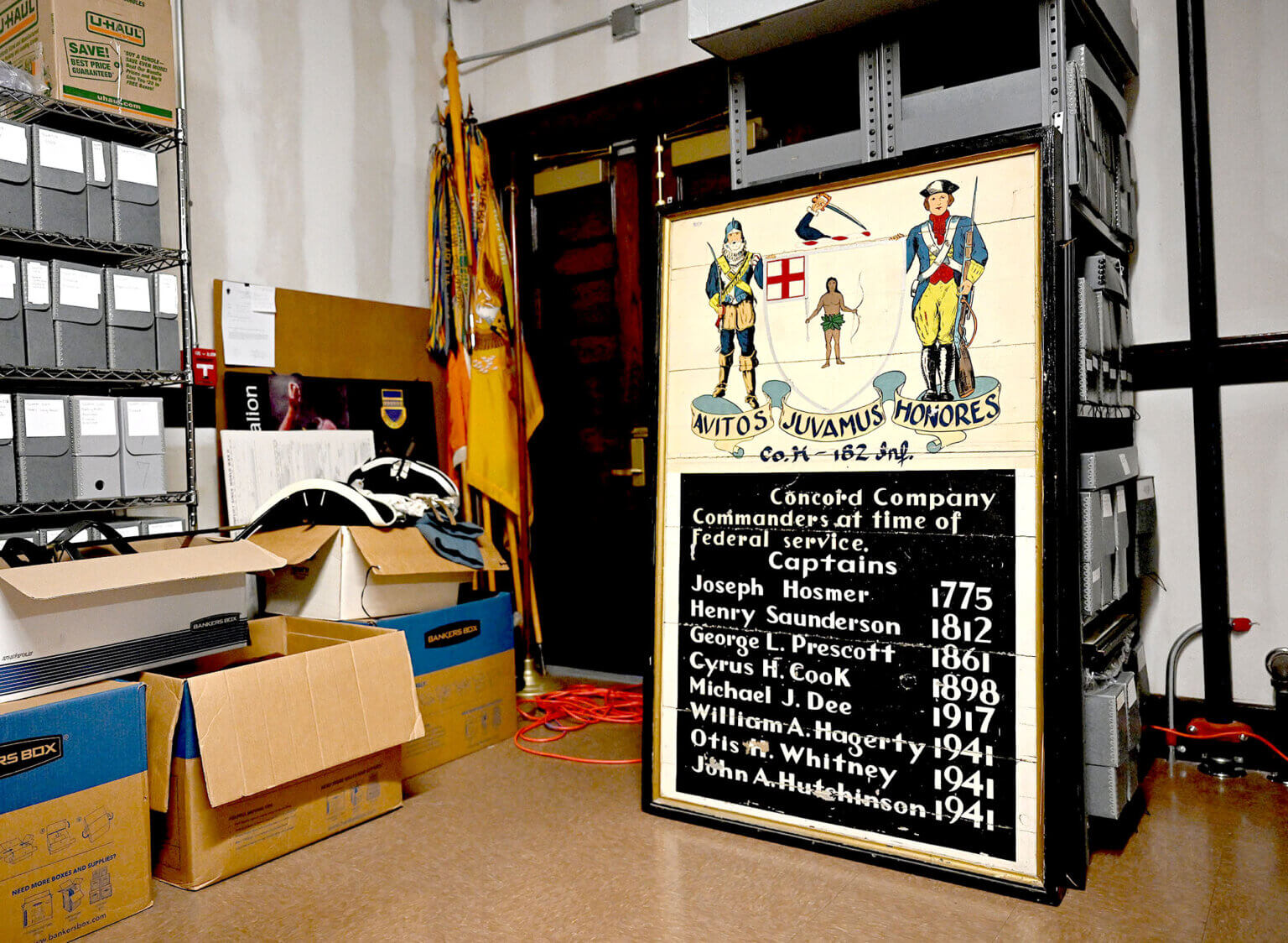
Acton, of course, has outstanding museums — and this month, we inaugurate a brand-new one: The Massachusetts National Guard Museum is housed in the Acton Armory at 91 Everett Street. The museum will be open on Patriots Day, and thereafter, every Thursday from 10 a.m. to 4 p.m.
Some exhibits are close to home: Visit the new museum’s permanent collections to see medals and field equipment that belonged to Acton’s Michael Dee, who commanded the 26th Military Police Company in France during World War I. There’s also the bullet-riddled pith helmet of Acton-born Otis Whitney, who escaped enemy gunfire at Guadalcanal during World War II.
Ambling and rambling
If outdoor recreation is more your style, try the Emerson-Thoreau Amble, so called because it connects Emerson’s house on Cambridge Turnpike with the Walden Woods, where Thoreau lived for two years by the shores of Walden Pond.
Wear sturdy shoes and prepare for a bracing walk of about a mile and three-quarters. You’ll go through Hapgood Wright Town Forest, where scenic highlights include Fairyland Pond and Brister’s Spring. The latter takes its name from Brister Freeman, who lived in those woods as a free man after having been enslaved in Acton. A stone marker shows where his house stood.
Beyond the house site is Thoreau’s Path, where the author’s words in granite and bronze inspire thoughtful reflection. Across Route 2, the amble continues into Walden Pond State Reservation to Thoreau’s house site.
Indoors or out, this celebratory year is the perfect time to treat yourself to some Acton experiences that aren’t overrun by tourists.
The author is a Acton tour guide and historic interpreter.


