Q&A: Acton candidates offer their closing contentions
Candidates answer questions about everything from prison redevelopment to hate and bias in schools.

Voting is already underway in this month’s town election.
As the campaign enters its final days, candidates are answering questions about everything from prison redevelopment to hate and bias in schools.
Hopefuls’ answers to this year’s annual Acton Bridge questionnaire appear below.
Candidates Dean Banfield and Sam Hiersteiner are vying for the Select Board seat currently held by Chair Mark Howell. Their campaigns featured early jockeying about experience and age. This is the only contested race on the 2026 town ballot. Drew Magliozzi is running unopposed for a School Committee slot. Karlen Reed, also unopposed, seeks to succeed Carmin Reiss, who is ending a decade-long tenure as town moderator.
Housing Authority member Stephan Bader, who chairs that panel, faces no challenger as the lone incumbent seeking reelection.
Office-seekers kicked off a busy schedule of candidate forums this past week.
Acton’s voter registration deadline is today, March 20, at 5 p.m. Residents have several early-voting options. On election day, March 31, polls will be open from 7 a.m. to 8 p.m.
(Editor’s note: Candidates’ responses have been lightly edited for punctuation and consistency. No substantive material has been altered, added, or removed.)
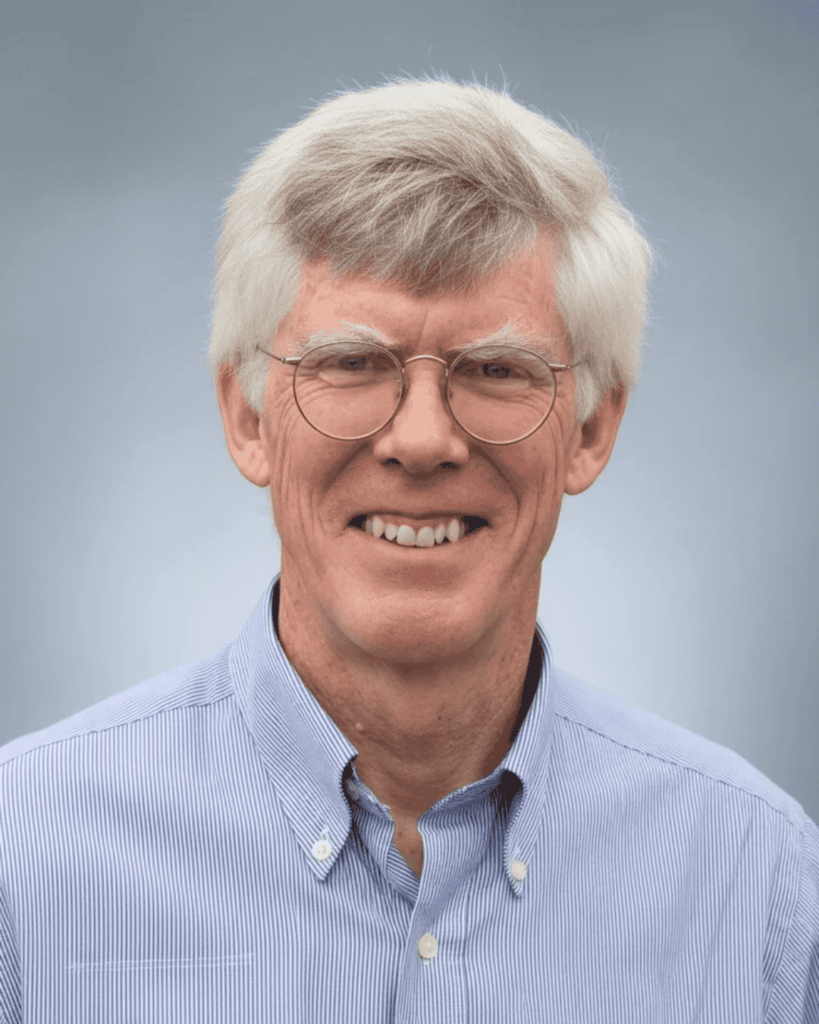
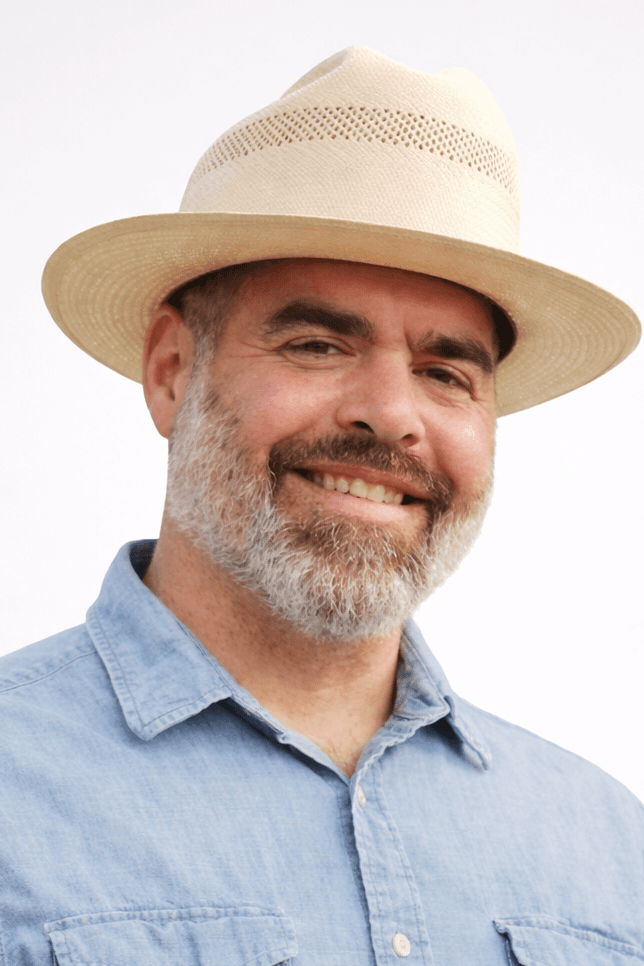
Select Board: One open seat
What aspects of your personal and/or professional experience most qualify you to serve on the Select Board?
DEAN BANFIELD
I have volunteered significant time to serving the town, and I have the time to devote to the demanding work of the Select Board. My experience on the Finance Committee is probably the most significant, because it provided me with a broad understanding of the town’s priorities and the budgets which support them. My other committee work (NRC, CPC, and Solar Task Force) trained me to work within Open Meeting Law constraints and to achieve results collaboratively. These experiences and my strong bias toward “getting to yes” in a committee context would set me up to be an effective board member, day one.
SAM HIERSTEINER
I am deeply committed to making Acton a more vibrant town and passionate about public service. As a parent of three young children in Acton public schools, coach of many more, board member of Gaining Ground, and executive in the private and non-profit sectors for the last 15 years, I believe I can bring strong leadership skills, fresh perspective, and new ideas to the Select Board. At the same time, I will make sure town leadership reflects a broader cross-section of local experiences, as decisions are being made that will shape the town for decades. This is particularly important to mobilizing a new generation to participate more actively in our civic life, including filling openings on town committees.
Acton has dealt with multiple recent incidents of antisemitism and other forms of hate. What is one policy or action that you would advocate to prevent future incidents and/or support people targeted with hate?
BANFIELD
The Select Board should collaborate with the School Committee to develop programming that can be used both within the schools and the community more broadly. We should help residents understand the harms of antisemitic and racist behavior, especially our youth as they gain maturity, so we can all accept and appreciate each other. The board could broaden the state-mandated training for staff and committee members to include bystander training and cultural competence, which would strengthen our collective capacity to recognize forms of bias and call it out. For those targeted by hate, the Select Board should provide multiple pathways for reporting. The board is developing a formal incident reporting system to quantify the scope of the issues. Partnering with non-governmental organizations will help elicit information from individuals reluctant to report into a formal system and strengthen our communitywide approach.
HIERSTEINER
Amid ever-rising incidences of antisemitism and racism, I am supportive of the Select Board’s adoption of the IHRA definition, the work of the Bias and Hate Incident Reporting Work Group to stand up a reporting system to drive accountability, and the leadership of the DEI Commission and Black and Latino residents to bridge divides, particularly with the Jewish community here, and show a path towards a town where residents of all types can feel safe and thrive. These are concrete actions in a world where such things are rare. However, more needs to be done. I would encourage a full town mobilization to help Acton’s young people and all of us develop stronger civic virtue and civic skills such as critical thinking, communication, and collaboration across differences. This type of bottom-up approach is the true path towards a more welcoming Acton.
What would a successful MCI-Acton redevelopment look like, in your view? What kinds of businesses would be there? How much housing should the town encourage?
BANFIELD
I prefer a mix of civic infrastructure, commercial (office), and the remainder as housing. MCI is the highest-rated location for the relocation of the public works campus. A general office park fronting on Route 2 (compare to 128 in Waltham and Burlington) could shield any inner residential development from the highway. The residential core should be a mix of age-restricted, unrestricted market-rate, and affordable units at a density at seven to 10 units per acre. Proximity to West Acton is a blessing and a curse. A blessing because at some point in the distant future, our individualized car-centric culture may give way to these types of compact, walkable areas. A curse because right now, at the higher (10/acre) housing density, the number of car trips will overwhelm an already overtaxed road network in West Acton.
HIERSTEINER
While not a panacea, the redevelopment of MCI-Acton is an important way to broaden and diversify Acton’s commercial tax base, create a healthier balance between commercial and residential tax revenue, and forge a more sustainable fiscal path for the town overall. I believe we need to maximize thoughtful commercial development on the site and attract businesses that can be long-term job and revenue creators for the town, while also creating space for connection and recreation like has been done at Marketstreet Lynnfield, for example. Given the amount of housing being built elsewhere in Acton, I believe we can be creative about how many affordable, market-rate, and senior-restricted units to build on the site to satisfy the state’s housing goals.
Should Acton be doing more to encourage commercial development? If so, what is one policy or action that you would advocate to attract businesses? If not, what would you do to support taxpayers struggling with the current residential tax burden?
BANFIELD
Halfway between 128 and 495, Acton is not well situated for the development of commercial real estate due to required commuting times. The only realistic location is the MCI boundary with Route 2. Commercial property yields lower tax returns than all forms of residential real estate. We have already repurposed commercially zoned areas as age-restricted residential for that reason. To support taxpayers struggling with the current tax burden, the board should explore targeted state programs for seniors and renters. For younger homeowners, there is only the residential tax exemption, which is very inefficient. If elected, I look forward to reviewing the Tax Relief Final Report and incorporating a blend of the options it presents to the board’s decision process.
HIERSTEINER
The fact that Acton has an opportunity to grow at all, when so many small towns in the commonwealth and across the nation are hollowing out, should grab all of our attention and move us beyond old ways of thinking. But commercial development alone cannot set us on a more sustainable fiscal path and bring down the cost of living. We need to take steps to protect Acton’s vulnerable credit rating through a mix of smarter fiscal policymaking and management, including maximizing revenue from upcoming municipal redevelopment work; thoughtful development; much better support for businesses and entrepreneurs, starting with improved cell service; more active advocacy for deserved state resources; infrastructure and conservation improvements; and strengthened tourism.
Housing Authority: One open seat
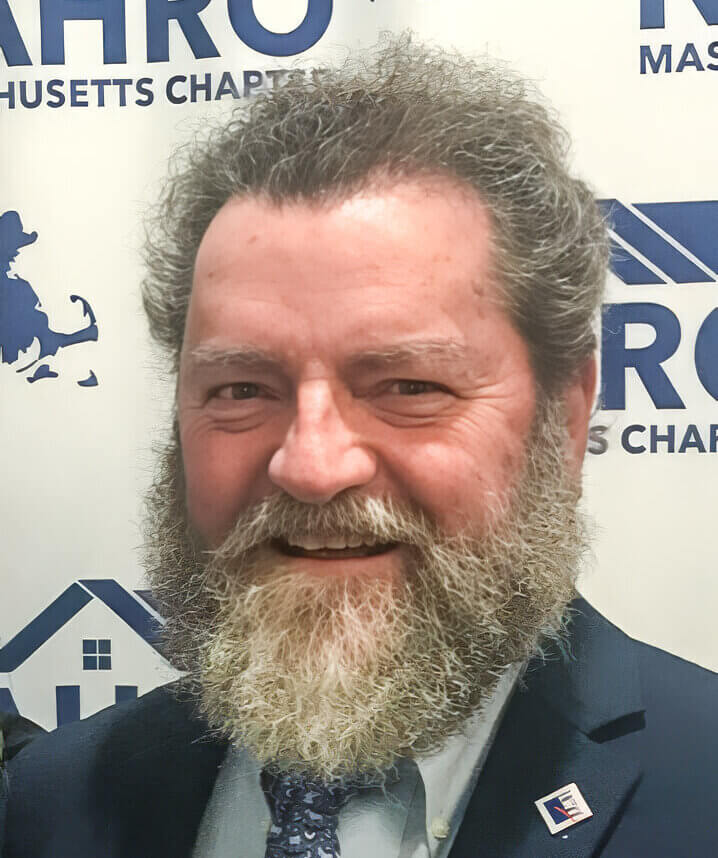
Stephan Bader
(incumbent, unopposed)
What aspects of your personal and/or professional experience most qualify you to serve on the Housing Authority?
The Acton Housing Authority board includes five individuals with a variety of professional qualifications and lived experiences. As a now-retired certified public accountant and financial manager with real estate, government finance, and not-for-profit experience, my knowledge and perspectives complement those of my fellow commissioners. The commissioners can take action only together as a group, not individually, so being able to listen respectfully and having the time and inclination to commit to the CHA are necessary and important soft skills which I believe I have demonstrated over the course of my first five-year term.
Which properties currently under consideration by the town’s Land Use Working Group are best suited for housing? What role do you see the Housing Authority playing in new housing development?
The town owns or controls a significant number of properties, and many of them are located in areas that would be suitable for housing compatible with existing neighborhoods, preferably in a mixture of market-rate and affordable units together. Specifically, the Keyes Road complex and the Peabody and Ripley schools seem better suited for housing than, say, the police and fire stations. I would argue that 2229 Main Street and the former prison site, although not currently owned by the town, should absolutely include housing in denser configurations than we have built previously. Although the Authority does not have the capital to finance construction of new housing and the state’s procurement laws make it an uncompetitive builder from a cost perspective, CHA can work with our Acton Housing Roundtable partners to advocate for more affordable housing at the local and state levels. The Authority can take on ownership and management of affordable rental housing units once they have been built by others — as we have done with the two-family house at Rothermel Place, next to the Rail Trail.
What do you see as the biggest challenge for the Housing Authority over the next five years? How will you manage this challenge?
The CHA, and indeed all housing authorities statewide, face continuing funding challenges. It is obvious that rents alone will never pay for all necessary operating costs and capital improvements. We have immediate challenges with the federal government cutting back on rental subsidy voucher funding, which makes it increasingly difficult to provide assistance to residents in need and creates longer waiting lists for eligible families. Although we have good working relationships with our state representatives and senator, and although the governor has made housing a priority, the state budget is not unlimited and there are many competing needs to be funded. We continue to pursue available grants and push for enabling state legislation (for a real estate transfer fee) to increase funding for our residents and our community.
School Committee: One open seat
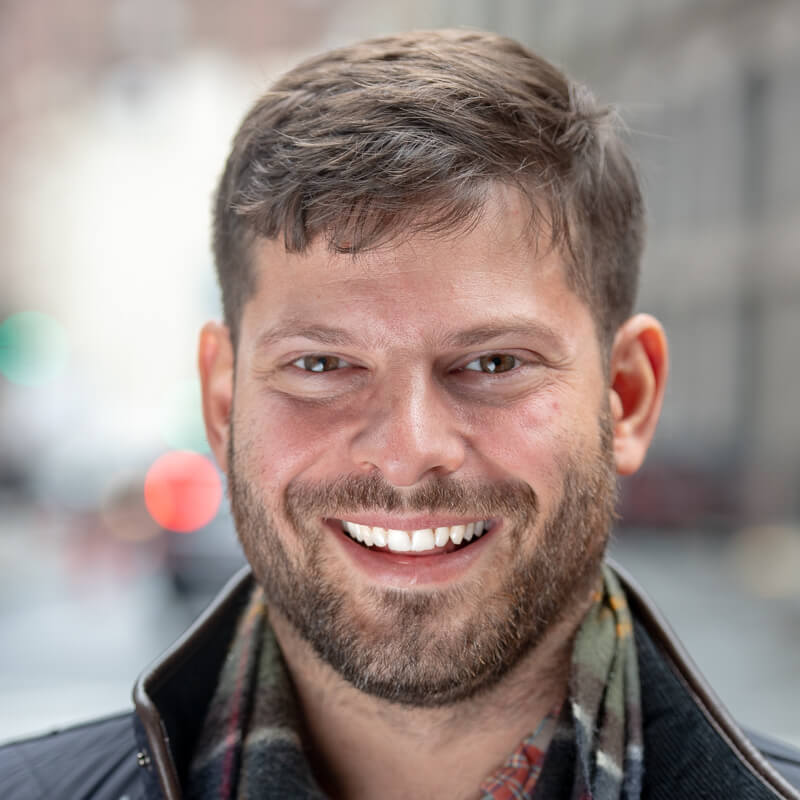
Drew Magliozzi (unopposed)
What aspects of your personal and/or professional experience most qualify you to serve on the School Committee?
I’ve spent more than 20 years as a CEO in the education sector, including building Mainstay, an AI-powered coaching platform that helps colleges close achievement gaps for underserved students. Alongside that, I’ve served on corporate and non-profit boards for over two decades, including Cambridge School Volunteers, where I learned that meaningful change requires both vision and accountability. I’ve dedicated my career to improving outcomes for students I’ve never met. Now, with two children attending Acton public schools, I am ready to bring that passion to all the families and students of our district.
How should hate and bias incidents in the schools be addressed?
We now know that Acton has a disproportionate number of hate and bias incidents compared to other communities in Middlesex County. Good intentions alone won’t change that. Addressing it requires courageous leadership willing to look closely at what is actually happening, to listen deeply to the students and families affected, and to learn from communities near and far that have grappled with these challenges before. This work is never finished, and it is always worth doing. My hope is that our school and town leaders can foster the awareness that moves our whole community to action. No individual or committee can solve this alone. It’s going to take all of us.
How should the School Committee approach its working relationship with the superintendent and parents to improve Acton education?
The School Committee’s role is relatively narrow but important. We approve the budget, align with leadership to set district goals, occasionally update policy, and in rare circumstances hire a new superintendent. Within that scope, our most important job is to listen to our community and translate what we hear into clear expectations, then empower the superintendent and her team to do what they do best while staying accountable to measurable goals.
I also believe we have a responsibility to model a growth mindset. One of the most powerful discoveries in modern educational science is the benefit of a growth mindset, which isn’t just for students. The virtues of curiosity and self-improvement apply to all of us. A committee that approaches its work with humility and a genuine desire to learn can help set a tone for the district.
Town Moderator: One open seat
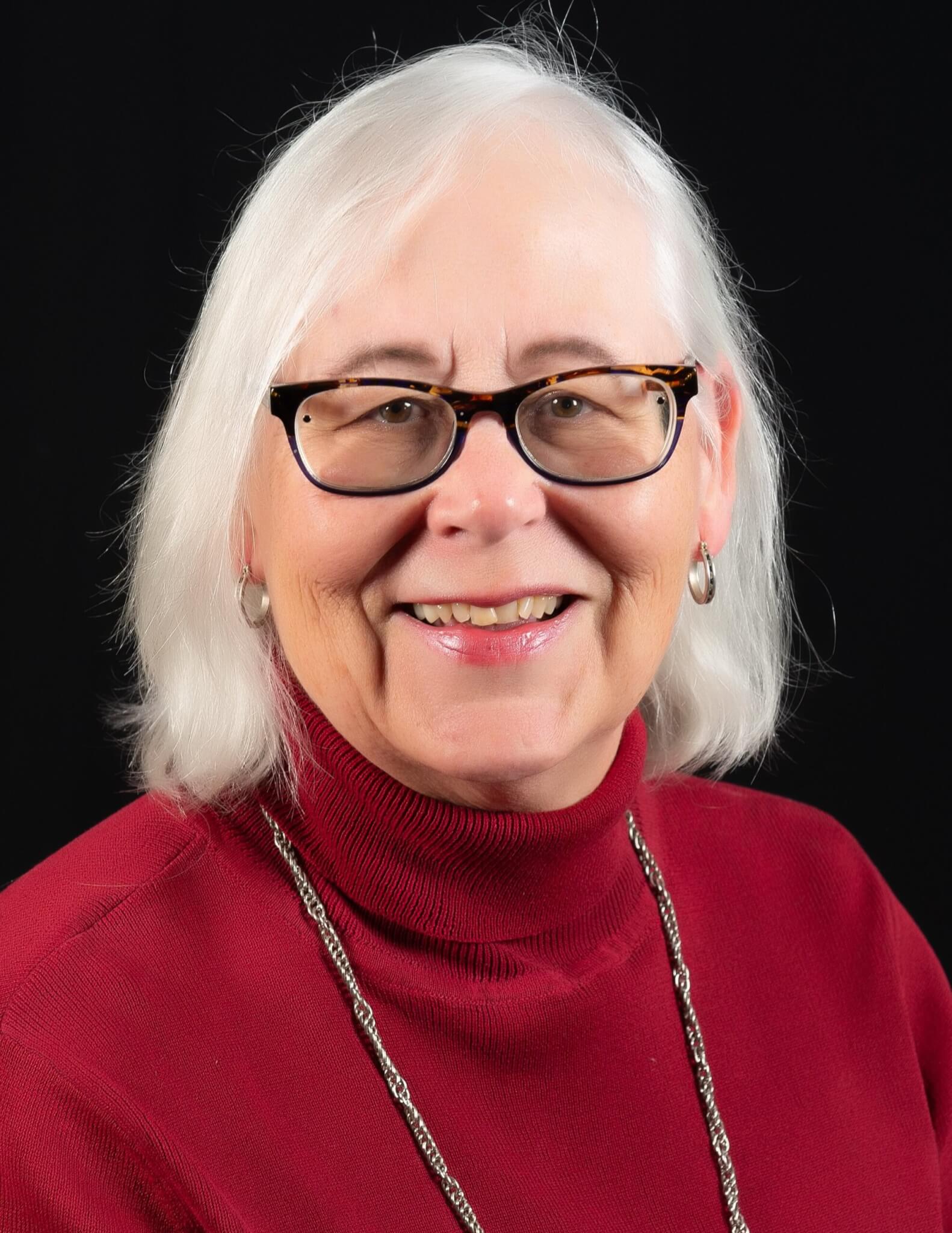
Karlen Reed (unopposed)
What aspects of your personal and/or professional experience most qualify you to serve as town moderator?
The role of the town moderator is to moderate Town Meeting and to appoint the Finance Committee members. Town Meeting is complex; the town moderator helps the Select Board create the annual town calendar and hearing schedules; runs the floor debates in an impartial, fair, and complete manner; proofreads proposed warrant articles and amendments; ensures the technology works and the meeting materials are accessible; makes sure Town Meeting attendees and staff are comfortable; and works with the Select Board, School Committee, town counsel, the Town Clerk’s Office, public safety, Public Works, and other town staff to ensure a smooth Town Meeting.
I am a very organized person, and I love to plan. I can adapt to sudden changes, too. I understand Town Meeting and town committee procedures and practices. My administrative law experience as an attorney, my work with the clerk’s office running the mail-in ballot process, and my town committee memberships give me confidence in working with town counsel, the town clerk, town staff, elected officials, and members of the public. I am completing my third year on the Finance Committee and serve as the clerk, so I have a solid foundation for selecting qualified Acton residents to fill Finance Committee slots. I am qualified to serve and ask for Acton’s support. For more information on my qualifications, please visit my website, karlen4concord.com.
What is one way you envision building on the Town Meeting Study Committee report to increase participation in Town Meeting?
The Town Meeting Study Committee recommended passing legislation that will allow full remote participation at open Town Meetings. I have been watching the legislative efforts that would allow remote participation. I will speak with our state legislators and town moderators from other communities that have open Town Meetings to see if/when Acton should/can be part of a pilot program that will test implementation of remote participation, should future legislation approve the creation of a pilot program.
Do you support ever transitioning to a representative Town Meeting? Why or why not?
At this time I do not see the need to investigate transitioning to a representative form of government. We still have options available to enhance the experience and efficacy of our current open form of government.


