Reading, writing, recalibrating: EL Education debuts in Acton
The K–5 curriculum is built around “knowledge-building” units that integrate reading, writing, speaking, and listening.
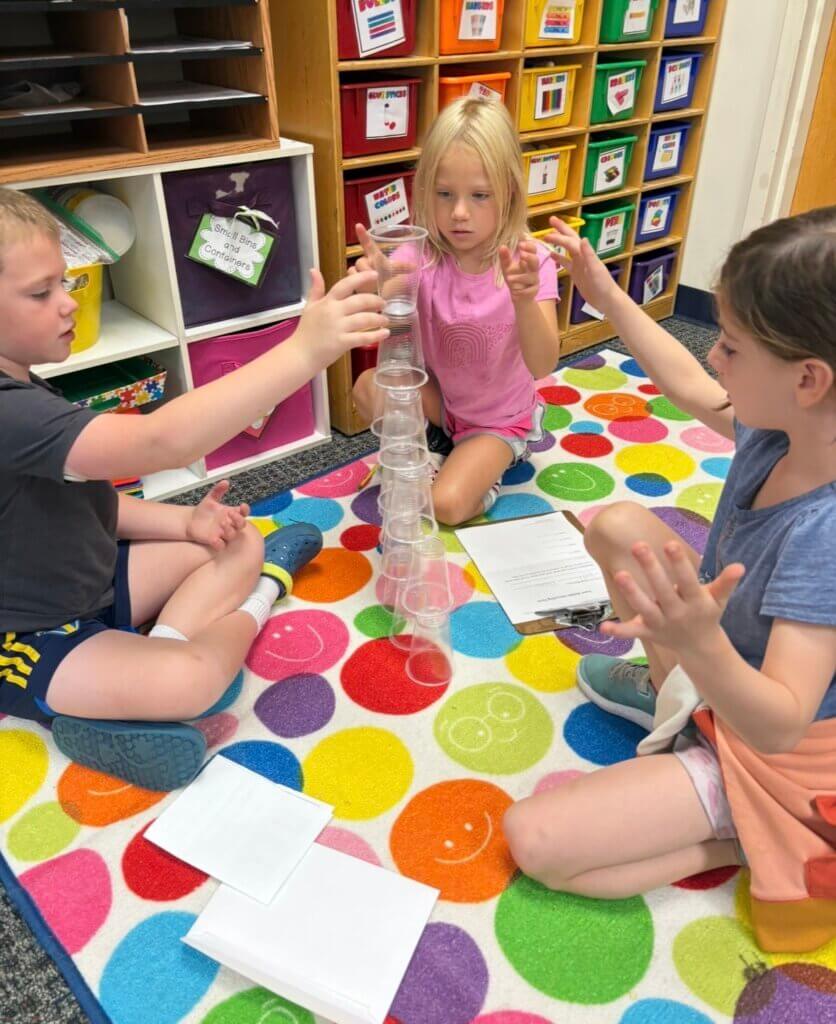
The first year of Acton’s new elementary literacy curriculum did not start easily.
“It was many long nights,” said Mary Beth Stevenson, a first grade teacher at Thoreau Elementary School and one of the instructors who tried out the new approach.
She said there were evenings spent planning lessons, unpacking new materials, and trying to make sense of a curriculum that, at times, felt as if it was unfolding faster than it could be absorbed.
Yet by the time the school year ended, those classrooms were filled with students arguing — politely — about bird nests, using words like “persevere” without hesitation, and pointing out connections between classroom texts and the world outside their windows.
EL Education is a K–5 curriculum built around “knowledge-building” units that integrate reading, writing, speaking, and listening, with the goal of helping students connect better with lessons. Teachers said EL Education constitutes a major shift in how reading and writing are taught in Acton elementary schools.
For Curriculum Coordinator Alison Forseter, the change was about providing consistency.
“We didn’t have something that really had kids share the same experience,” Forseter said. “It wasn’t equitable.”
She said the district had spent time reviewing literacy instruction and considering research often referred to as the “science of reading,” which focuses on how students learn to read and develop comprehension skills.
What they found, she said, was a gap in where kids start learning, and the new curriculum was chosen to help level the playing field for all students.
Learning while teaching
After a districtwide review of available curricula, Acton Public Schools selected EL Education and invited teachers to opt into a pilot cohort for the first year of implementation.
“We were learning along with the students,” said first grade teacher Alyssa Walsh. “I would tell them, ‘I’m learning this with you. We’re going to make mistakes and learn together.’”
Part of the curriculum’s structure came from an emphasis on routines and shared language. Teachers introduced academic vocabulary and discussion norms early and integrated them along the way.
EL Education provides detailed lesson plans, which educators said helped create consistency but also required time to adjust.
“It is very scripted at first,” Stevenson said, “and that felt like a lot.”
Forseter described that structure as intentional.
“The script is the floor,” she said. “It gives you something to stand on. But the expectation is that teachers will adapt it for their students.”
That adaptation, she said, is where the real work of year one happened.
Local news matters. Click here to support our mission.
The new normal
One unit centered on “City Hawk: The Story of Pale Male” by Meghan McCarthy, a book about a real red-tailed hawk that built a nest on a New York City apartment building. After the book, students read multiple perspectives on whether the nest should remain, then discussed and wrote opinions supported by what they read.
“Are you in the camp of ‘Absolutely not, don’t take that nest down,’ or ‘Birds are a nuisance; take that nest out?’” Stevenson said, describing the classroom debate. “Then they’re voting, and they’re having conversations and referring back to the text and trying vocabulary.”
To go along with the lesson, a bird specialist gave a talk about local species, playing bird calls that students eagerly identified and repeated.
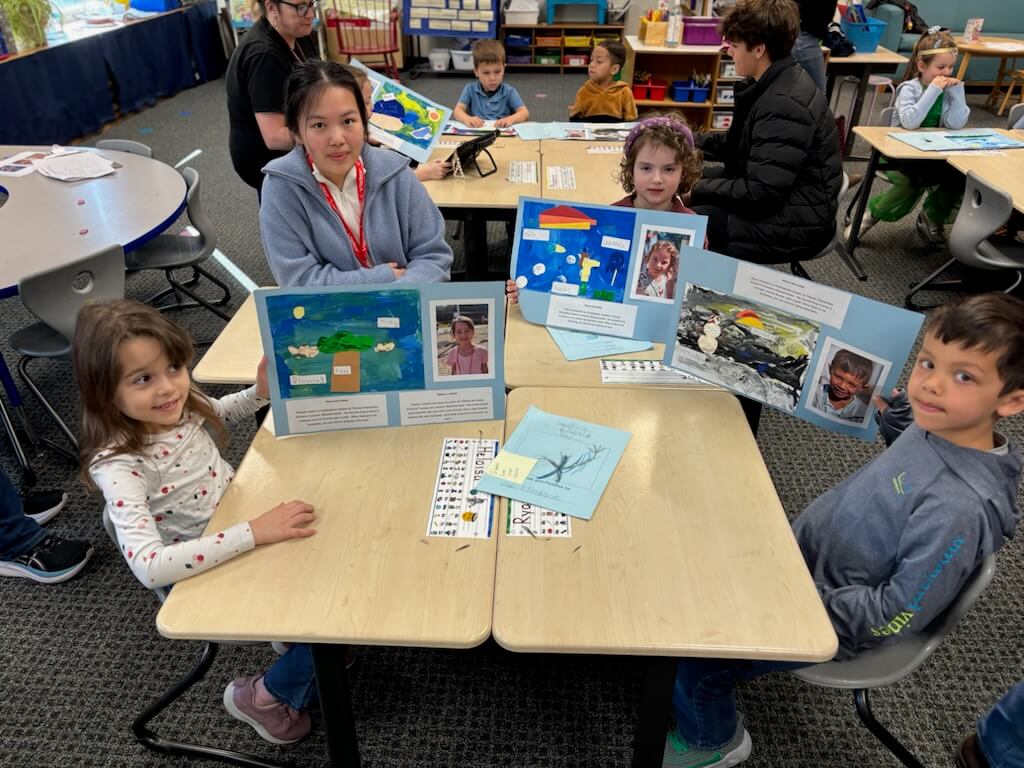
Like the lesson on Pale Male, others in the curriculum often stretched beyond literacy. Some teachers connected reading and writing to science, art, and library instruction, with students building project books, learning how to research topics, and presenting their work.
By spring, teachers said they were beginning to see changes in how students approached texts and interacted with each other.
“They’ve learned to talk to each other so much better,” Walsh said. “There’s a lot more collaboration, a lot more structured conversation.”
‘Room to grow’
Kelly Pierce, a teacher at Thoreau, said students grew more confident using vocabulary, too. “At first, some of those words and concepts felt really big,” she said. “By the end of the year, they were using them naturally.”
As the school year closed, attention turned to full integration. During the 2026-27 school year, all elementary school teachers will be using EL Education.
“I’m going to spend my summer organizing every module,” Walsh said. “Last year, we were just trying to survive.”
Forseter said challenges are expected in any major curriculum change.
“Year one is undoubtedly the hardest,” she said, “but there’s a lot of room to grow within this.”


