Red Line extension to Acton gains steam as transit talks roll on
A study would also examine creating a dedicated bus line from Alewife to the rotary.
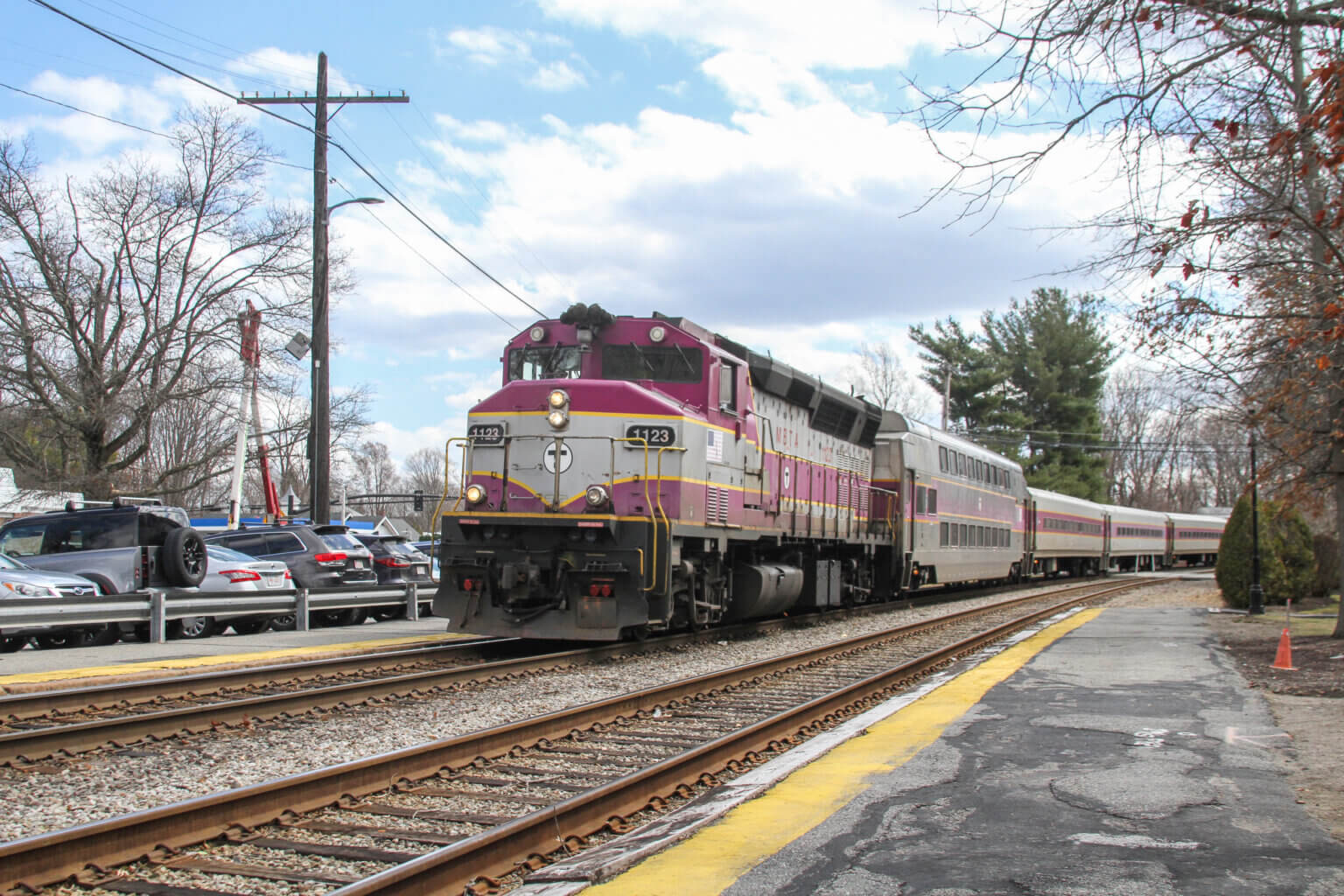
Charlie may be riding “‘neath the streets of Boston” — as the 1950s Kingston Trio song goes. State leaders want to see whether his trip should extend to Acton.
Massachusetts’ newly approved 2027 fiscal year budget includes $50,000 to study “the financial feasibility and department capability” of extending the MBTA’s Red Line from the train’s Alewife terminus to the Acton rotary.
A study would also examine creating a dedicated bus line along the same route.
Any train extension could take years and cost billions, based on recent T efforts. Not everyone’s on board, and as other transit proposals swirl, some say other options should take top priority.
“These public transportation pieces, they’re all attractive,” Select Board member Paul Boehm told The Acton Bridge. “But I think we have to step back and say, ‘What’s practical and what do we want to do first?’”
Gov. Maura Healey signed the 2027 budget into law after months of Beacon Hill negotiations.
The transit feasibility study is one sentence in the budget. MBTA spokespersons didn’t respond to Bridge questions.
State Rep. Simon Cataldo said Lexington Rep. Michelle Ciccolo sponsored the Red Line provision, and he signed on as a co-sponsor. He confirmed that examining a 15-mile Red Line extension to Acton or a bus “would be within the scope.”
Cataldo, a Democrat who lives in Acton, said he backed the measure “because I think that this longtime discussion of a Red Line extension requires informed, fact-based answers.”
Commuter rail frequency
The Red Line runs from Braintree and Dorchester, through downtown Boston, to Alewife in Cambridge. Officials considered extending service further into the suburbs in the 1970s but settled on their Alewife end-point after community opposition in neighboring towns.
The winds have shifted in recent years, and the legislature in 2024 repealed a 1976 bill that barred the T from building a facility close to Arlington Catholic High School.
Talk of a Red Line extension or a new bus line comes as officials juggle simultaneous efforts to replace the Route 2 rotary and redevelop the shuttered MCI-Acton prison.
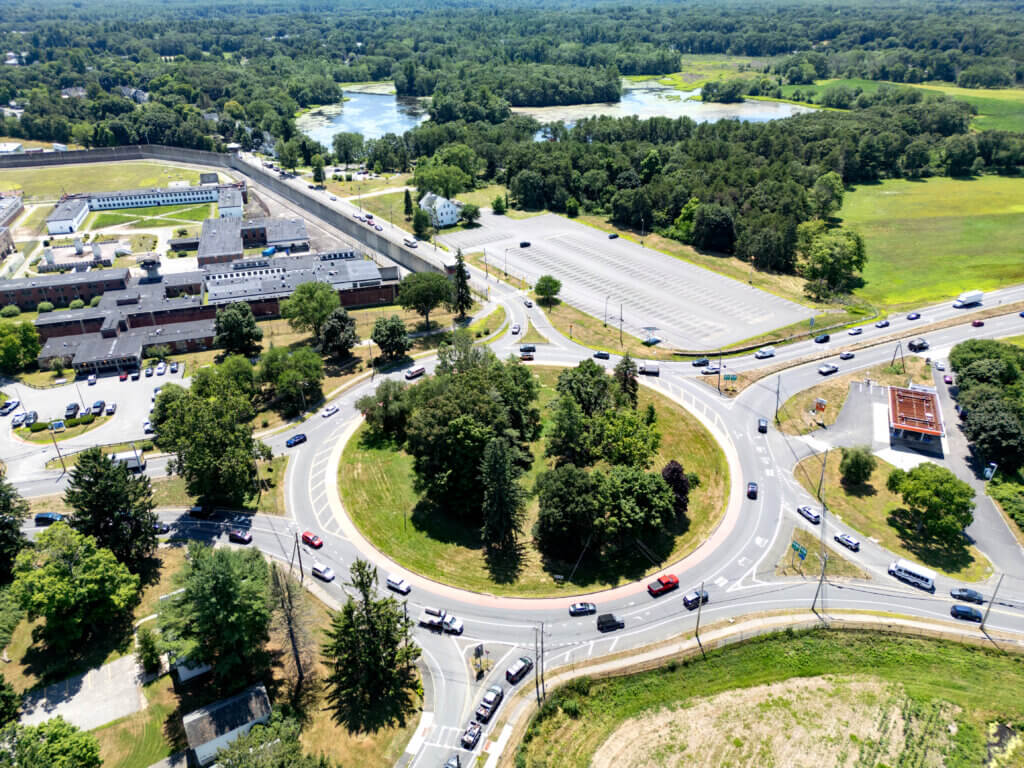
Better public transit is part of the conversation as one way to ease congestion along Route 2 and minimize the traffic from hundreds of new housing units.
For some, the answer lies not in an extended train, but in the one that’s already here.
Town Transportation Advisory Committee members said in a letter to the Select Board and state legislators this month that elected officials should urge the MBTA to increase its Commuter Rail frequency from roughly one train per hour to a train every 30 minutes during the morning and evening rushes.
TAC Chair Ellen Quackenbush relayed this message directly to transportation planners at a recent public meeting. She told The Bridge that increasing train frequency “is key” to improving transportation flow and road safety.
Caitlin Allen-Connelly, executive director of the TransitMatters advocacy group, said “any conversation about expanding transit is welcome,” but a $50,000 Red Line and bus study “won’t get [the T] very far.”
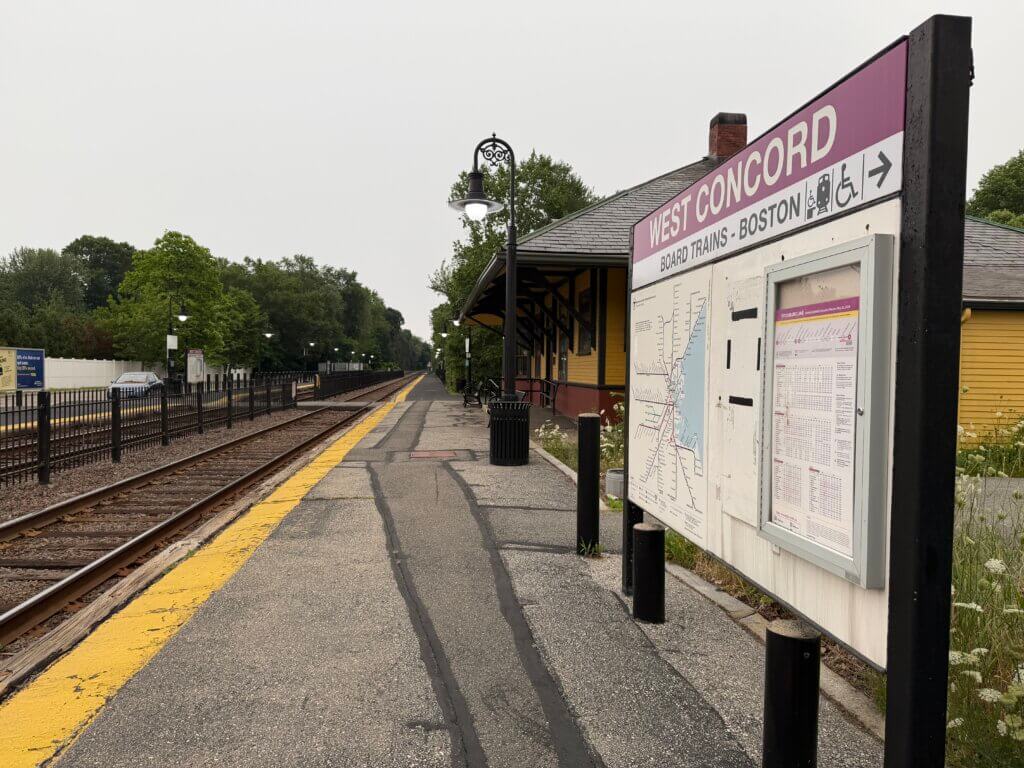
Like Acton advocates, she highlighted the trains that already roll through town.
“Before spending billions of dollars on a brand new transit corridor that runs parallel to existing tracks,” she said, the state should focus on reforms such as more frequent Commuter Rail service.
The current hourly schedule “is not enough,” she said.
At the same time, Allen-Connelly said there’s insufficient demand to support a subway or the type of “bus rapid transit” program mentioned in the state budget, and “structural bottlenecks” along Route 2 could make it hard to realize things like dedicated bus lanes.
Regional bus options
Local officials are considering joining the Lowell Regional Transit Authority, which could provide a public bus route linking Acton, Acton, and Maynard.
During a recent discussion, TAC’s Daniel Schrager mentioned an MBTA bus that now connects Hanscom Field and Alewife and asked whether the LRTA could shuttle Acton riders to the Hanscom stop.
Boehm called the LRTA “a good focal point” to start Acton’s public transit conversation. The town could push for developer-provided shuttles to and from a reimagined MCI-Acton campus.
As planning continues, Cataldo said, Red Line extension and LRTA expansion “speak to the same general desire for improved regional transportation.” These two options aren’t “mutually exclusive in the long run,” he said, “but it will be a question of priorities in a world of limited resources.”
Higher Commuter Rail frequency is also “part of the equation,” he said.
Cataldo said he doesn’t know whether a Red Line extension is feasible.
“I’ll be paying close attention to the results of any study,” he said.


