Rehab/detox center slated to open in the fall
Pyramid Healthcare says it will open an inpatient detoxification and residential treatment center at 785 Main Street.
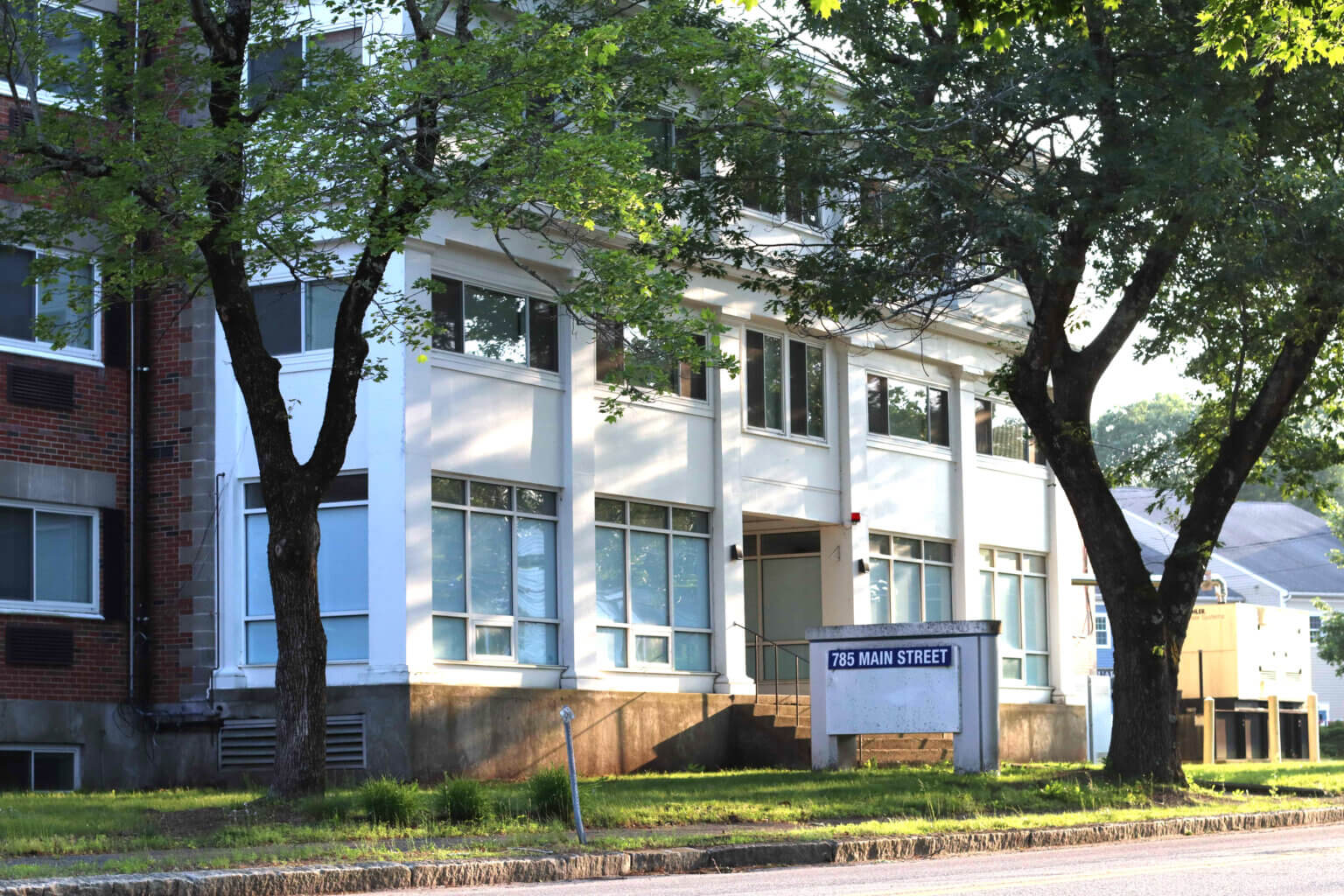
Plans to open a drug and alcohol rehabilitation center on Main Street have shifted, with a facility now expected to open under new oversight this fall.
The new occupant, Pyramid Healthcare, says it will open an inpatient detoxification and residential treatment center at 785 Main Street, across Route 2 from Emerson Hospital. Meanwhile, the previous corporate tenant says it no longer has any business plans for Massachusetts.
Dan Gellman, Pyramid’s vice president of marketing, told The Acton Bridge that its initial permit allows for 32 beds, but executives hope to increase capacity.
“Long term, we have the ability to grow to approximately 100 beds if that’s what the community needs,” he said.
The new facility will provide “acute treatment services” and “clinical stabilization services,” or both inpatient detoxification and post-detox care aimed at helping patients address long-term symptoms.
Patients would typically stay at such facilities from a week to 45 days.
Fortuitous timing
“This particular facility was recently licensed for these same services by another provider and was already built out well for our needs,” Gellman said. “That previous provider opted to change direction, and the property became available to us.”
The Pennsylvania-based company operates more than 80 behavioral health facilities across eight states.
Pyramid said it heard a need for more detox treatment, but Acton police data might not reflect that.
Emily Black, clinical coordinator for Acton Police, said the town recorded no opioid-related overdoses in 2024, and only about 11 overdose calls overall, most involving prescription or over-the-counter medications.
She said such calls serve as a rough indicator of a community’s need for inpatient drug treatment.
“I’m not often coming across people in Acton who require inpatient detox,” Black said. “That’s not to say others in the broader community don’t — just that it hasn’t been a significant need in the cases we respond to.”
Leah Lesser, senior manager of marketing communications for Emerson Health, echoed that notion.
“While there are relatively few local detox facilities, the more significant challenge in our region is a shortage of behavioral health beds,” she said, “particularly for conditions beyond addiction treatment, such as depression, anxiety, mood disorders, and suicidal ideation.”
Lesser did add that a local detoxification center could help maintain a “continuum of care for patients.”
The Massachusetts Bureau of Substance Addiction Services’ online dashboard shows that Acton had 107 substance-related emergency room visits in 2024. Sudbury had 96 and Bedford, 115.
The property transfer
Tennessee-based Landmark Recovery previously leased the building, completed renovations, and aimed to begin operations in October 2023.
But the facility never opened, and Landmark is no longer involved with the property.
Acton Building Commissioner Paul Creedon said the transition to Pyramid took place early this year.
The owners of the building, Arizona-based real estate investment trust Store Capital, declined comment, saying it doesn’t speak about its tenants.
After multiple phone calls and emails to Landmark, The Acton Bridge was apparently accidentally included in an internal message from Veronika Carnogurska, the company’s director of legal operations, instructing others to “just ignore” the newspaper’s requests for comment.
After The Bridge sought comment again, Cliff Boyle, a co-owner of the company, replied, “Landmark Recovery has no operations in Massachusetts, and has no plans at this time to establish any.”
Landmark made renovations to the building, including refurbishing a kitchen and bathrooms, installing a new fire alarm system, making cosmetic improvements, and adding a deck area to the back, Creedon said.
Dakota Antelman contributed reporting.


