Remote stopgap could make Town Meeting more accessible
A disability accommodation is among several adjustments under consideration.
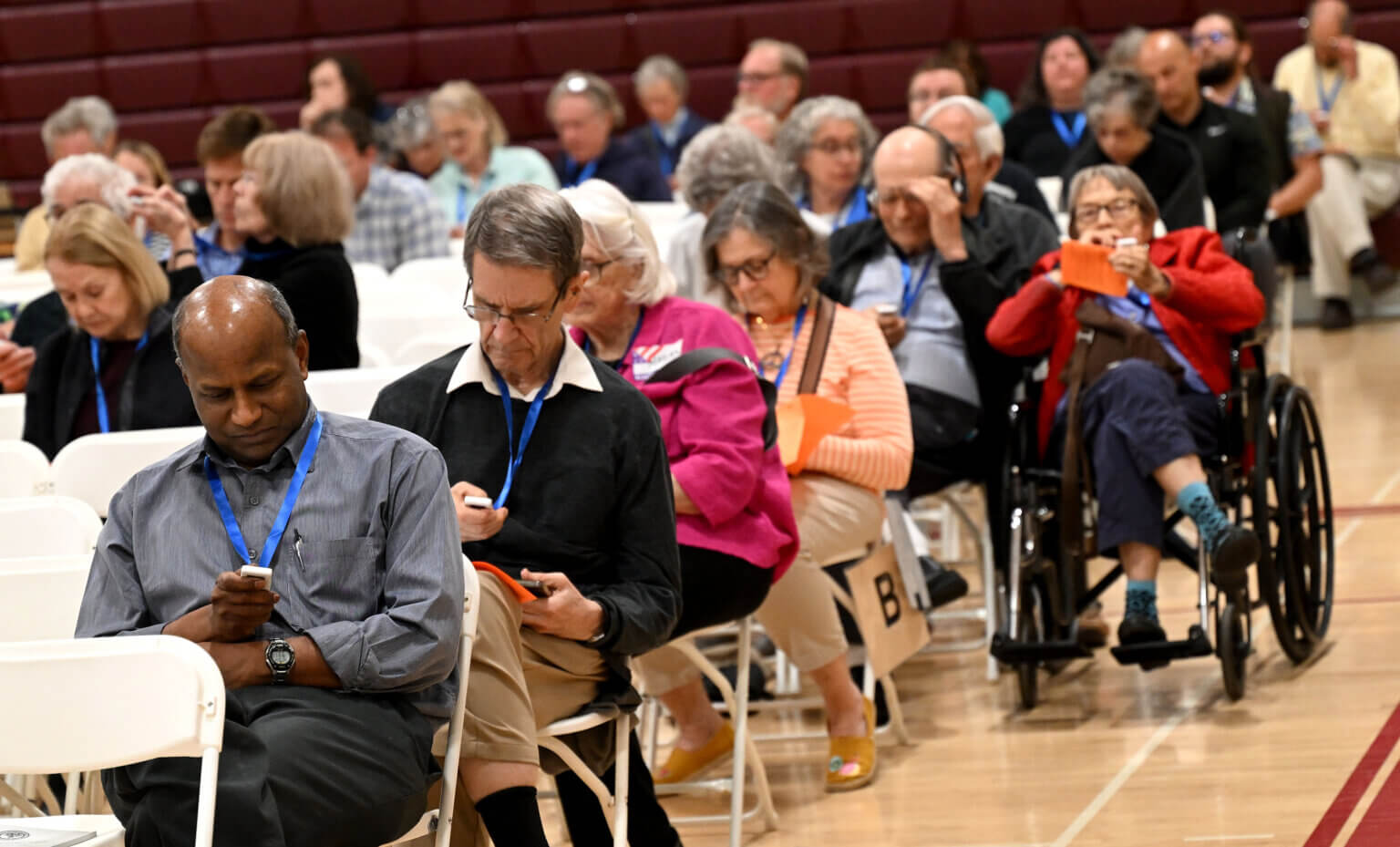
As the mother of a child with disabilities, Jennifer Brooke says it’s “exceptionally difficult” to get to Town Meeting. Given her son’s special needs, her options are to pay for a skilled caretaker, ask a relative to look after him, or stay home.
Brooke says she doesn’t yet know how the chance to participate remotely in Acton’s citizen legislature might work, but “I have to believe it would make a positive difference in my situation.”
One year after voters endorsed allowing anyone to join Town Meeting from home, Acton is still awaiting state approval.
New Town Moderator Karlen Reed is eyeing a stopgap measure that could at least give people with disabilities access in the spring.
Ask those with disabilities and their caregivers whether that’s a good idea and their response might be, “Is the pope Catholic?” Brooke, a member of the town Commission on Disability, told The Acton Bridge.
Middling reviews
A disability accommodation is among several adjustments under consideration amid lingering frustrations with Acton’s centuries-old but sparsely attended form of self-government.
A few dozen post-meeting town survey respondents gave this year’s three-night session a three-star review out of five, Reed told The Bridge.
Some suggested ending debate at 10 p.m. to avoid the kind of controversial late-night process that saw cell tower rezoning blocked by one vote this year.
Satellite locations such as the Harvey Wheeler Community Center might spare West Concordians the trip to Acton-Carlisle High School, but that would add costs and Town Manager Kerry Lafleur said it presents a “staffing issue.”
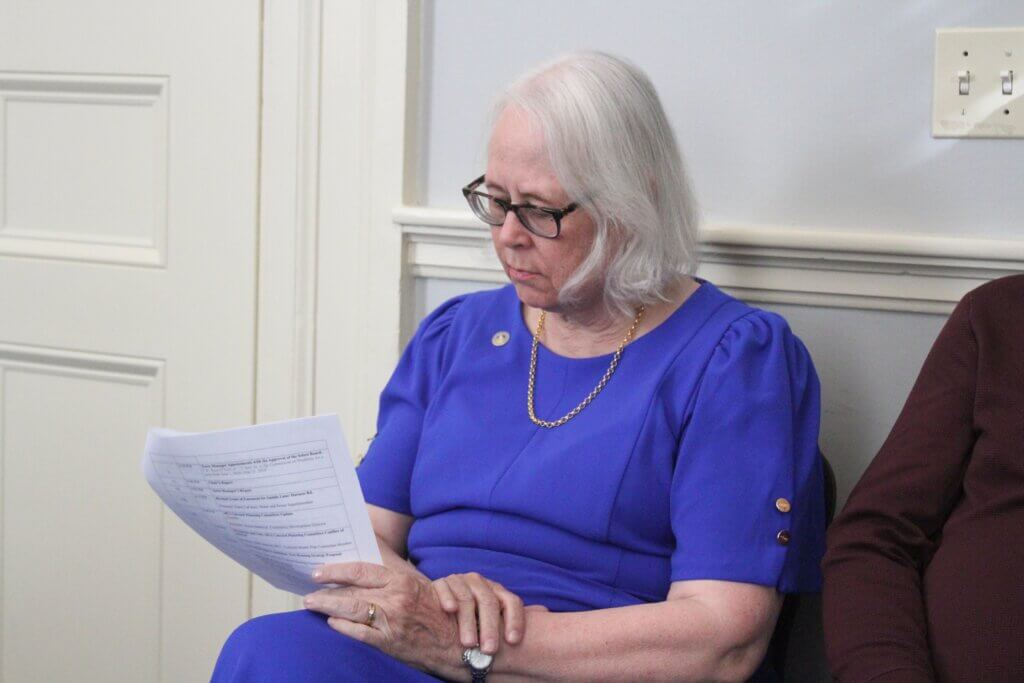
Reed took the moderator’s gavel after April’s Annual Town Meeting adjourned. She met with the Select Board last week, armed with 118 survey responses.
Among respondents’ comments:
- Too few people attended.
- Acton should add remote voting.
- The high school was too cold on the first of three nights.
The Select Board agreed to schedule 2027’s proceedings for May 17-19 — roughly three weeks later than this year’s events. Reed said that will allow more time to review budgets and “recover” from April school vacation and town Patriots Day planning.
Remote participation supporters say it’s hard for many to attend in-person sessions, and hybrid meetings could boost participation.
Resident Christine Helsel said she’s “in love with Town Meeting.” It still needs reforms, she said, and she thinks “there’s a way to engage more of the town.”
Younger people’s input “is sorely missed,” she said.
Legislative logjam
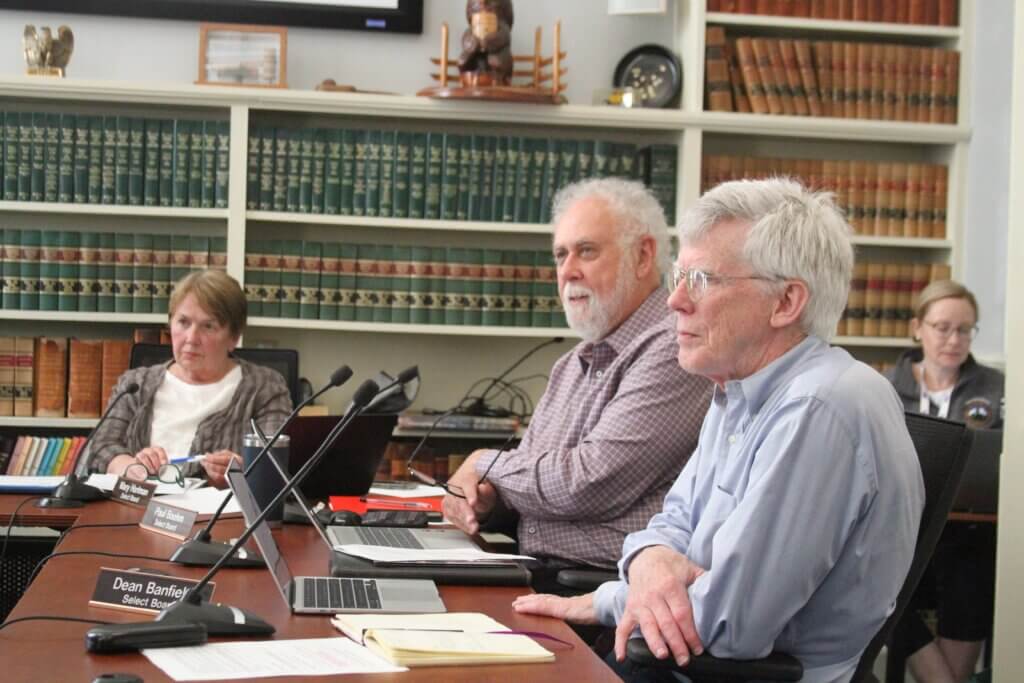
Some remote measures have stalled on Beacon Hill. Others are “still relatively viable,” Reed told the Select Board.
While keeping an eye on the state, Reed has been working with town staff on home voting as a disability accommodation. She plans to meet with the Commission on Disability this summer.
Wilmington and Carlisle have allowed “some form of this service” under a 2023 state guidance document, Reed wrote in a memo. She raised a question with the Select Board about whether accommodations might extend to caregivers.
Acton has the legal authority to launch a limited form of remote participation as an accessibility measure, Reed said; it’s her goal to have it available for 2027.
“The question in my mind is, ‘How many people will take advantage of this, and who is going to be eligible?’” she told The Bridge.
Among other changes, officials will revive a preview meeting in January that will provide an early opportunity to discuss warrant articles.
There’s also talk of prescheduling high-interest articles for discussion early on one or more nights of Town Meeting. Former Moderator Carmin Reiss did this for measures including a 2025 debate over a new stormwater fee, but forwent it this year.
Citizen concerns
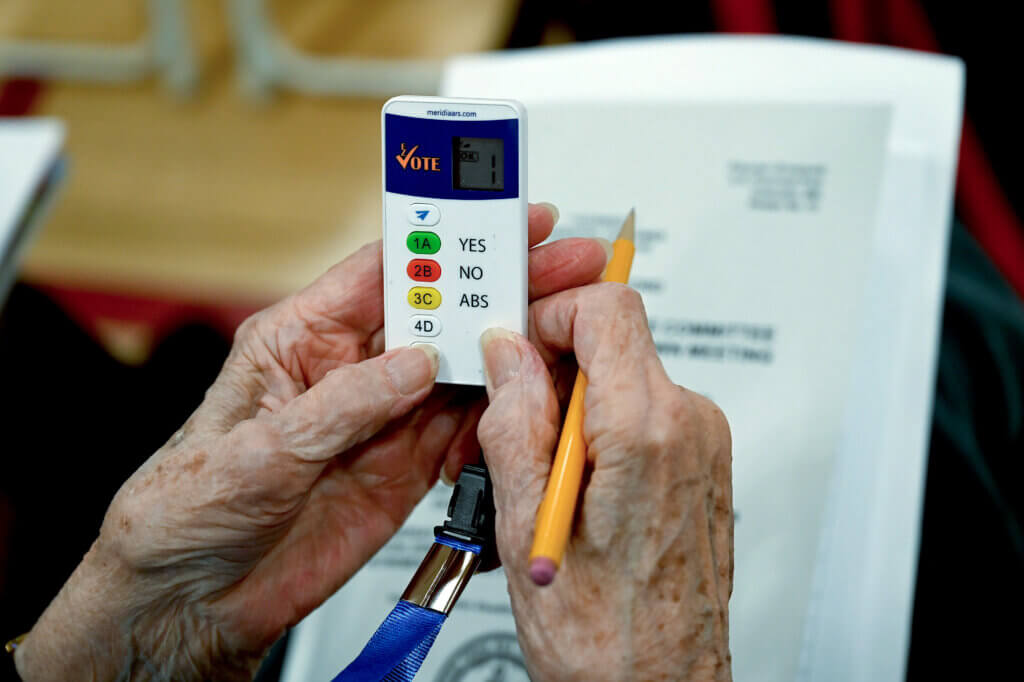
Acton’s Town Meeting Study Committee already recommended reforms, including new electronic voting clickers.
For all its issues, Helsel said, “I would never want to throw out Town Meeting.”
Like Brooke, Commission on Disability member Peter Nobile also backs a remote option. He appreciates Town Meeting’s traditions, he said, and has participated over the years.
“I do think it needs to evolve into the 21st century,” he said.


