Revolutionary transition: Museum exhibit recalls a pivotal era for Acton
Acton’s post-war period of disruption is on display in “Transformed by Revolution,” running until February 22, 2026.
The shot heard round the world wasn’t the end of Acton’s involvement in the Revolutionary War.
After the battle at the bridge, Harvard College relocated here from Cambridge for a year, its students renting rooms and attending classes in public buildings.
Wagonloads of muskets and powder horns, hay, firewood, and food traveled east to reach the thousands of provincial soldiers surrounding the British army in Boston.
Prisoners were held in — and escaped from — Acton’s jail, and the town took in refugees. Militia companies from the north and west moved along the town’s roads.
New communities emerged, such as one established by free Blacks, and Indigenous people continued their struggle to retain traditional homelands.
Meanwhile, women took on additional roles organizing and leading groups, including a charitable society, while other citizens established a social circle intended to strengthen the ties among residents.
A town transformed
Acton had already served as the site where the Patriots laid their plans to drive back the British when the latter set out to seize the town’s supplies. Though the fighting may have moved on after the conflict at the North Bridge, Acton entered a new phase of turmoil and disruption.
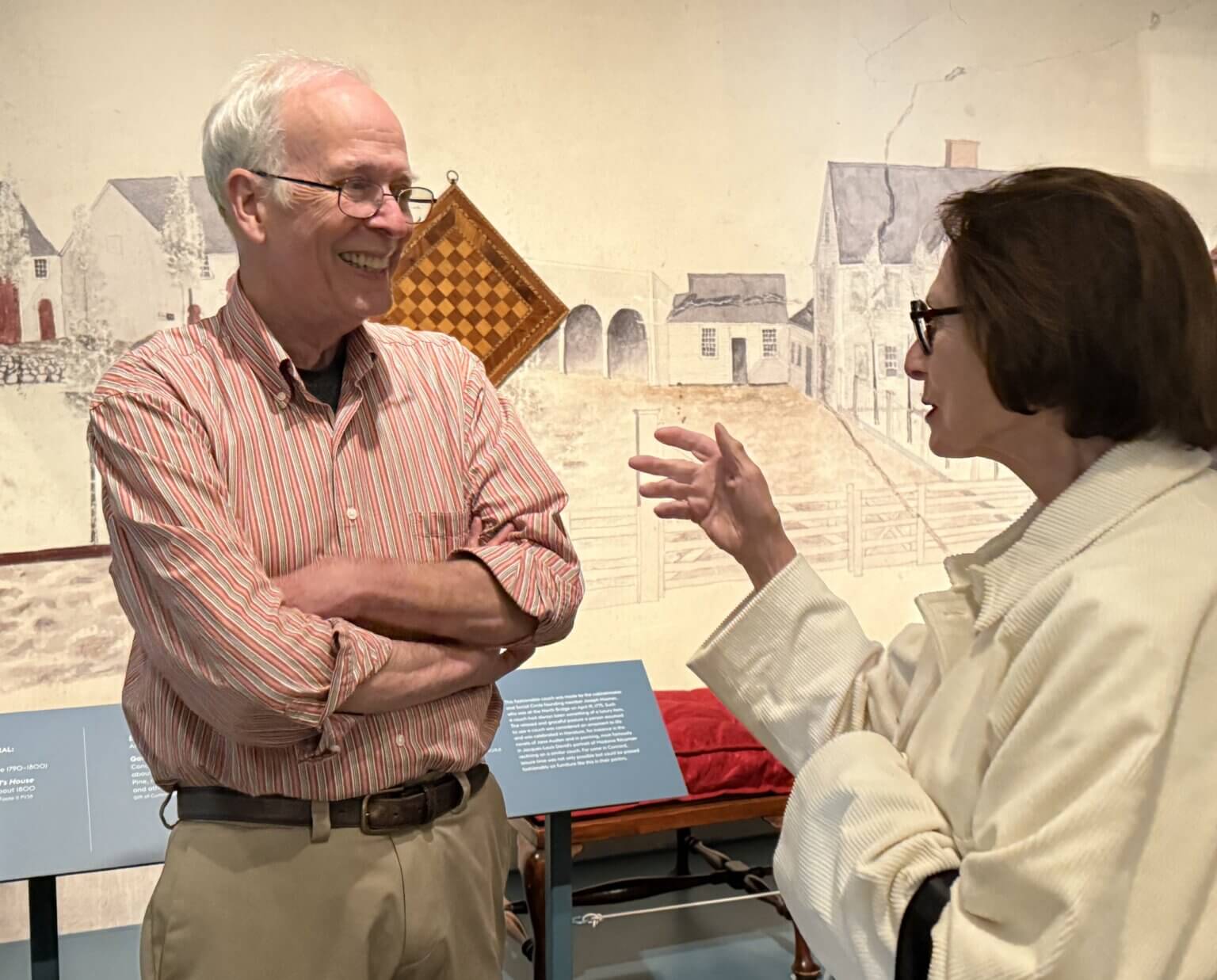
This period is represented in a new exhibit at the museum, Transformed by Revolution, which opened October 3 and will run until February 22, 2026. Through historical objects, artworks, and documents, the display explores what it was like to be part of this community in the years after the battle at the bridge.
“The war didn’t end on April 19, 1775,” says Curator David Wood, “nor when the British evacuated Boston in March 1776. There were still seven years of war to go.”
The exhibit covers the post-war period through 1820, reaching into the years of the early republic. Items include scientific devices used in Harvard’s research and a story quilt recently created by artist Sharon Chandler to honor Brister Freeman, a Black Concordian who served during the Revolution and later purchased land in Walden Woods.
The installation features a rarely exhibited portrait of Benjamin Franklin by Joseph Siffred Duplessis, which inspired the image on the $100 bill; a scientific instrument called a regulator that represented “the very top of technology at the time,” Wood says; and a compound microscope and case dating to the early 1700s.
All help to illustrate the “astonishing fact,” he says, that the wartime relocation of Harvard College to Acton in 1775-76 “briefly connected the small town to the most cutting-edge science in the world.”
Acton hosted Harvard because the school’s campus was being used to house soldiers in George Washington’s army and conduct official business. About 100 young men attended classes in the Meeting House and the Town House. The school’s scientific equipment and library were moved here, too, for their protection.
About 10 years earlier, Harvard Hall had been destroyed in a fire, and its library’s 5,000 volumes and most of its scientific apparatus were lost. Franklin, as agent of the Massachusetts House of Representatives, assisted Harvard in replacing them.
One piece in the exhibit, called a regulator and built in England in 1765, is “still considered to be one of the best mechanical timekeepers in the world,” Wood says.
Tracking Venus
A portrait of John Winthrop by John Singleton Copley depicts the Harvard scientist posing with a telescope he used to observe the transit of Venus in 1769, an extremely rare astronomical event when the planet passes directly between the Earth and the sun. With the regulator, Winthrop was able to record the length of time the transit took as part of a worldwide effort to calculate the distance to the sun.
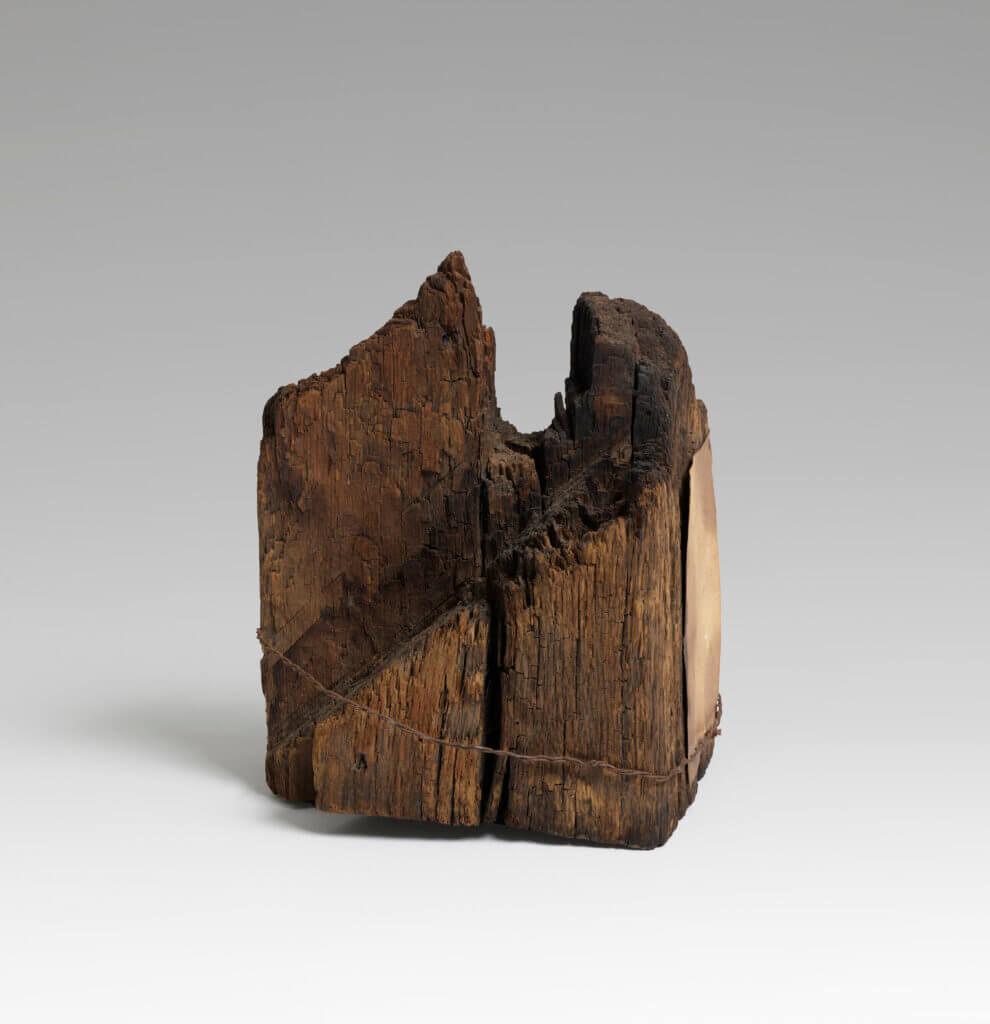
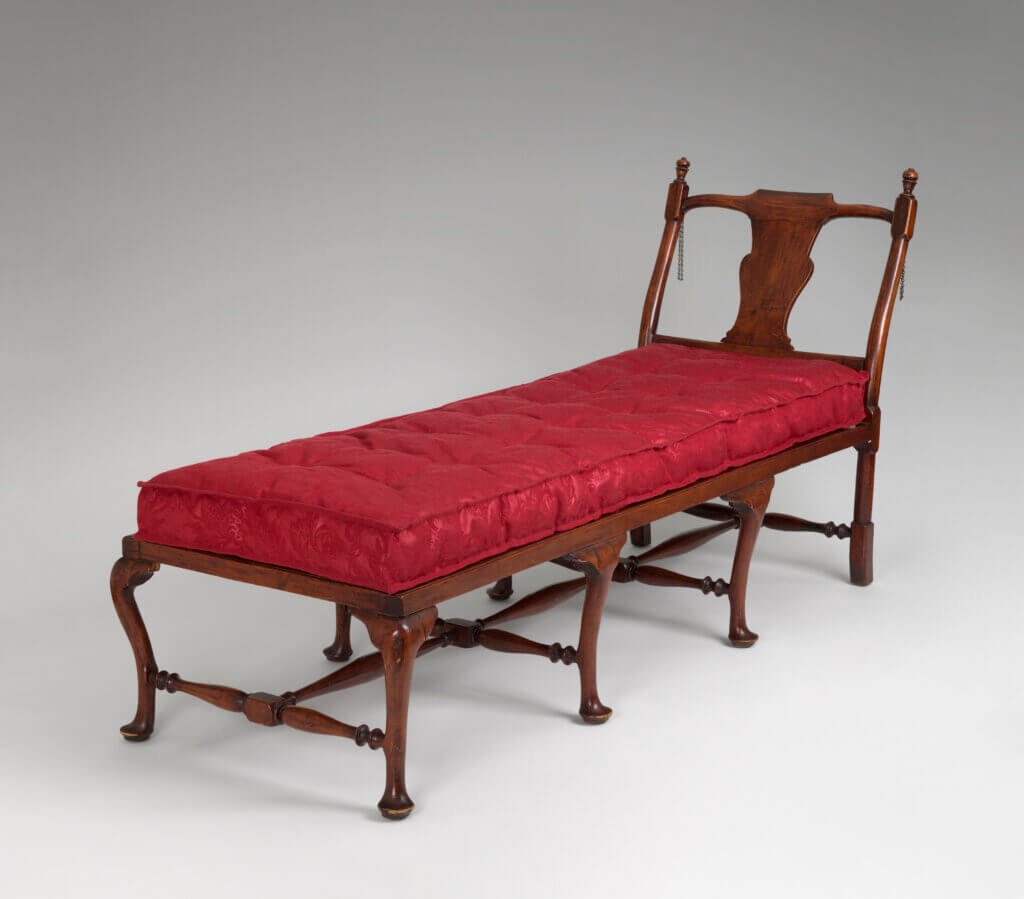
Among other exhibit items are a tufted red couch, circa 1765, attributed to cabinet maker and Acton Social Circle member Joseph Hosmer; a newly conserved neoclassical embroidered gown; a musket assembled in Acton; and a beam end that had fallen into the river around the time the North Bridge was built in 1760.
Transformed by Revolution is the second of the museum’s 250th-themed exhibitions, and it sets out “to present insight into the legacy of the American Revolution,” says Susan Foster Jones, director of Education and Visitor Experience, who, with Wood, spoke about the exhibit on opening day.
Transformed by Revolution runs until February 22, 2026. Current hours are Tuesday-Sunday, 10 a.m.-4 p.m. For more information, visit concordmuseum.org.
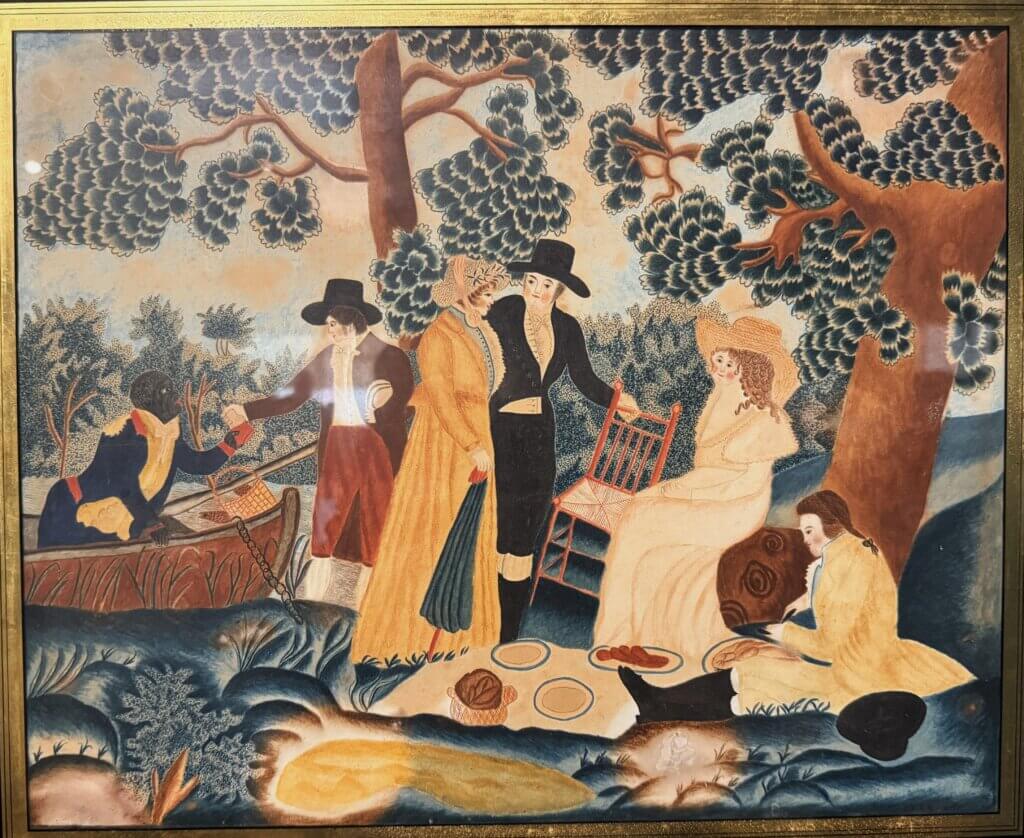
An earlier version of this story incorrectly identified the first Black man to purchase land in Acton. He was John Jack, not Brister Freeman. Also, a caption misidentified Lydia Hosmer’s watercolor “The Angler’s Repast.” The Acton Bridge regrets the errors, which have been corrected here.