Risk of tick bites rises along with temperatures
The lone star tick has been expanding its range through the eastern U.S., carrying yet another threat to public health.

Acton resident Janet Miller says she eschews “vegetarian pseudo-cheese” for the real thing.
She’s among many people worried about a tick whose bite could put dairy off-limits.
The lone star tick has been expanding its range through the eastern U.S. It’s “very aggressive,” according to the Centers for Disease Control and Prevention, and can cause alpha-gal syndrome, a potentially deadly allergy to a molecule in certain animal products.
“We should assume, in my opinion, that this tick is here,” Public Health Director Melanie Dineen said late last month. “Don’t think it’s not.”
Red meat is out for many people with alpha-gal syndrome. Some also have to cut out dairy.
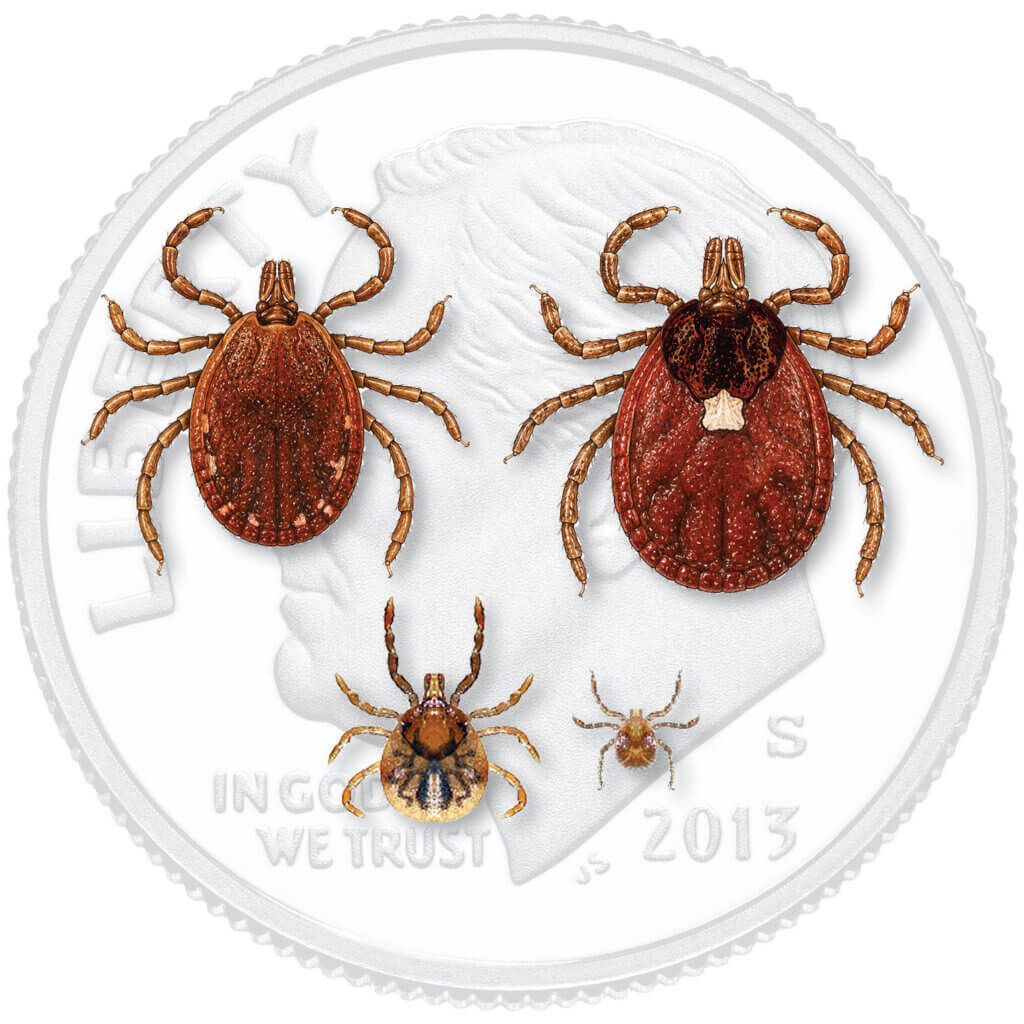
Public health officials are already dealing with a statewide spike in cases of Lyme disease, which also comes from ticks. And Middlesex County led the country in tick-borne Powassan virus cases in 2025, per the CDC.
“The only good tick is a dead tick, in my opinion,” said Janet Rothrock, who serves alongside Miller on the Acton Climate Action Network Steering Group.
Lyme laments
Acton averages between 75 and 90 confirmed Lyme cases each year, Dineen said during a recent monthly ConcordCAN breakfast.
Lyme can cause symptoms ranging from nerve pain to heart palpitations. While state case counts have spiked, local instances have generally stayed level.
Officials remain wary, and Board of Health Chair Dottie Bernard warned fellow committee heads about an increase in tick-borne illnesses last month.
Beyond Lyme, there’s Powassan, a rare but potentially deadly ailment that can cause brain swelling. Acton had a case in 2024. Middlesex County recorded four confirmed cases in 2025.
Officials documented an alpha-gal case in town this spring, Dineen told ConcordCAN attendees. The person didn’t get bitten here, and instead contracted the illness on Martha’s Vineyard several years ago.
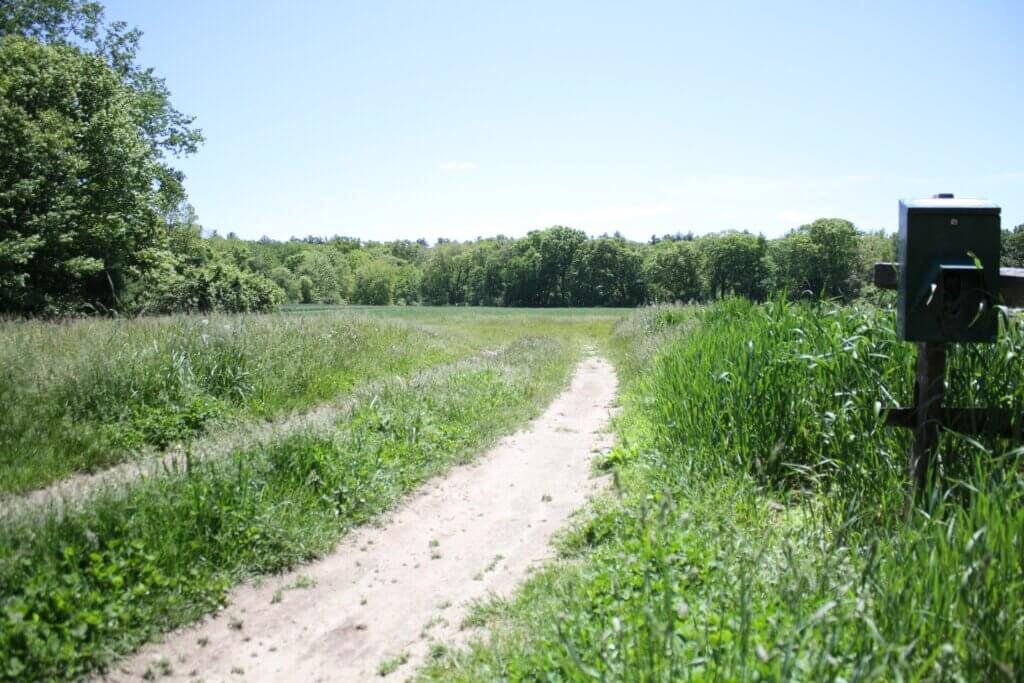
Whether it’s alpha-gal, Powassan, or Lyme, experts say the best way to avoid tick-borne illnesses is to avoid bites. People can use repellents, wear long pants and sleeves outdoors, and cut grass short to reduce tick habitats.
Dineen distributed flyers at her ConcordCAN event, and Bernard said there’d be signs at trailheads around town with tick safety information.
‘Pretty aware around here’
Acton resident Meg Wickwire mentioned long-term joint issues that can stem from Lyme but said she’s leery of other bug-borne diseases too. “All of them scare me,” she told The Bridge as her dog, Pepper, explored Emerson Field one recent morning.
Experts urge everyone to check themselves for ticks after being outside.
Wickwire thinks people “are pretty aware around here,” but she’s worried about delayed diagnoses after people show symptoms, and said the medical community “still seems a little behind.”
Tick- and mosquito-borne diseases are on the rise, experts say, as warmer winters allow for larger bug populations.
Tick-borne illnesses are among Dineen’s top three public health concerns alongside flu and Covid.
As she prepared to relay warnings, she said it’s also “a fine line.”
“You want people to go outside,” she told The Bridge.
Miller called alpha-gal “very scary.” On the upside, she told The Bridge, “ticks don’t seem to like me.”
The town has information about preventing tick bites and testing ticks for illnesses online at concordma.gov/3570/Tick-Borne-Illnesses.


