Select Board faces meetings complaints after adopting antisemitism definition
Board members hoped acrimony would subside after the vote, but they now face Open Meeting Law accusations.
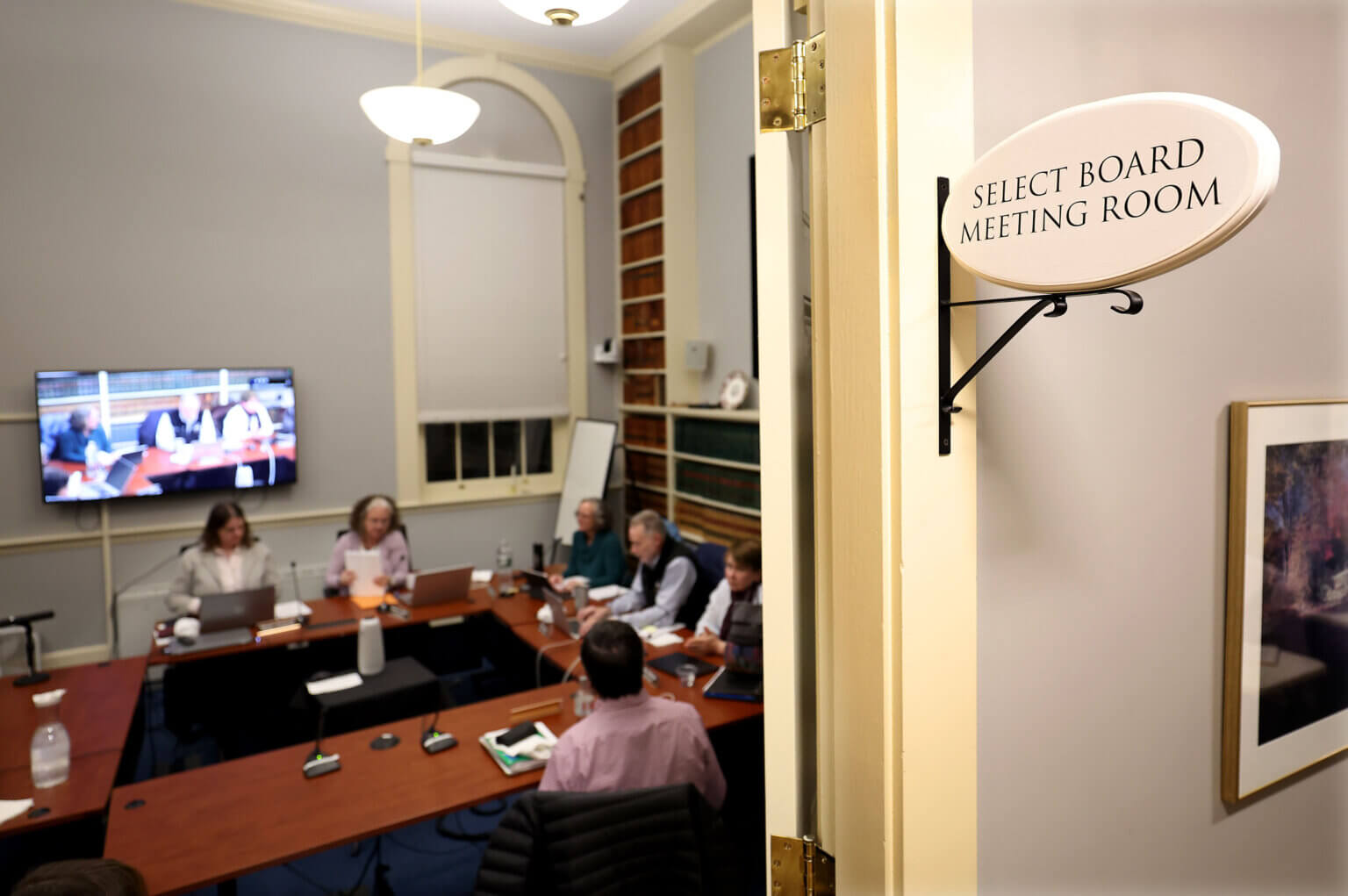
Select Board members hoped acrimony would subside after they voted to adopt a controversial antisemitism definition.
The back-and-forth has continued — and members are now facing a set of Open Meeting Law complaints.
As opponents of the International Holocaust Remembrance Alliance’s framework keep up critiques, panelists insist their measure won’t limit speech.
The board on January 27 unanimously backed a proclamation “affirming the town’s commitment to opposing antisemitism.” The measure also included adopting the IHRA’s working definition.
Supporters say IHRA provides a consistent way to identify hate directed at Jews. Opponents worry it will have a chilling effect on political speech about Israel.
Resident John Dilworth told The Acton Bridge that “the IHRA definition is being used across the country to curtail legitimate criticism of Israel.” In recent weeks, he filed three complaints against board members.
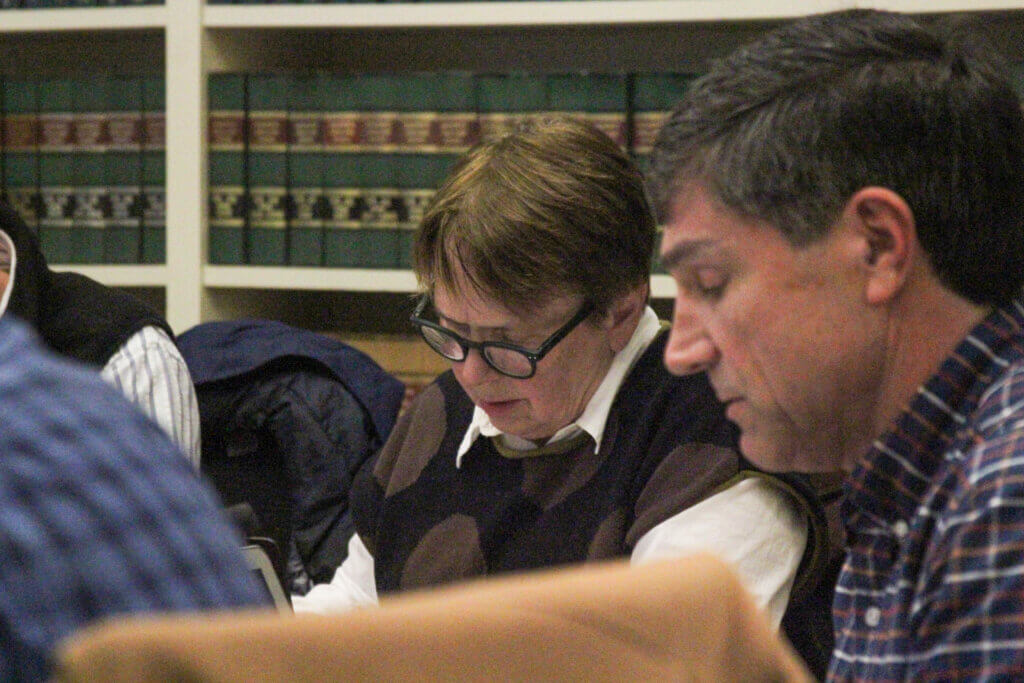
The filings name Select Board Chair Mark Howell and fellow board members Cameron McKennitt and Paul Boehm. Dilworth alleges Town Manager Kerry Lafleur also violated state statute when officials exchanged emails about the proclamation ahead of the January vote.
He obtained messages via a public records request and provided the documents to The Bridge. These emails should count as prohibited communication outside a meeting, Dilworth said in his complaints.
The board endorsed IHRA after “little meaningful public debate,” Dilworth wrote in an email to The Bridge.
Howell emphasized language in the proclamation that said adopting IHRA didn’t create new legal standards.
“I struggle to understand how somebody could read that proclamation and think that we’re talking about infringing on somebody’s free speech rights to criticize Palestine or Israel or anybody,” he told The Bridge.
‘A moral stand’
Community members urged the IHRA definition adoption after a spate of antisemitic incidents in town.
Concordian Kurt Schwartz had his family’s memorial to victims of the October 7 attacks vandalized last year and said in a letter to the editor of The Bridge that the Select Board’s decision was “a moral stand to address pervasive Jew hatred.”
IHRA “doesn’t punish speech,” Jodi Sperber of the Acton-Carlisle Against Antisemitism group said at Monday’s Select Board meeting. “It just provides a framework” to recognize and discuss “harmful patterns.”
Among IHRA opponents, resident Ece Turnator said Americans are “suffering from weaponization of antisemitism claims by our authoritarian government. … We did not need our town to also give it their seal of approval.”
Turnator and Carlisle parent Mahreen Hoda said ahead of the vote that they were more concerned about IHRA’s examples of antisemitism than its core definition.
These include “applying double standards” to Israel “by requiring of it a behavior not expected or demanded of any other democratic nation,” and “drawing comparisons of contemporary Israeli policy to that of the Nazis.”
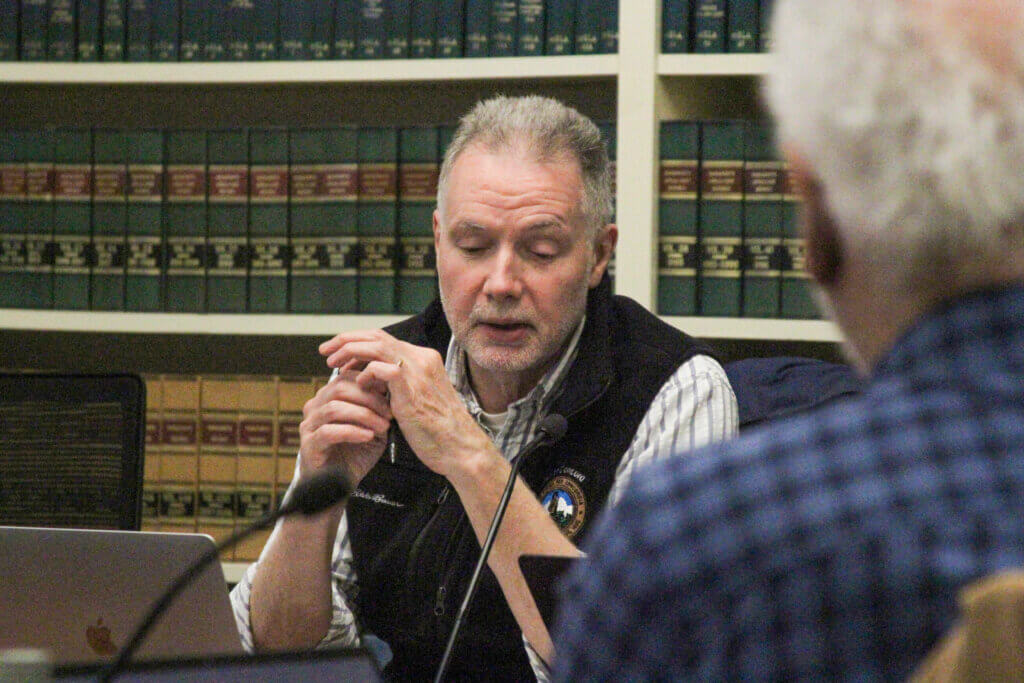
“We strictly adopted that definition,” Boehm told The Bridge. He said the board never adopted IHRA’s examples.
The Select Board plans to review Dilworth’s OML complaints in the coming days, and Howell said he wants to have a public conversation confirming what his colleagues were thinking as they cast their “yes” votes.
A month after the IHRA vote, Howell said the board still has its work cut out for it.
“We’re not going to get on to dealing with antisemitism as it exists in Acton until we somehow address the parade of people who are over in the vestibule duking it out over what’s the right definition of antisemitism,” he said.


