Shaky economy leaves local affordable units in limbo
Experts say builders and the bankers who support their projects are being cautious out of fear of sudden Trump policy changes.
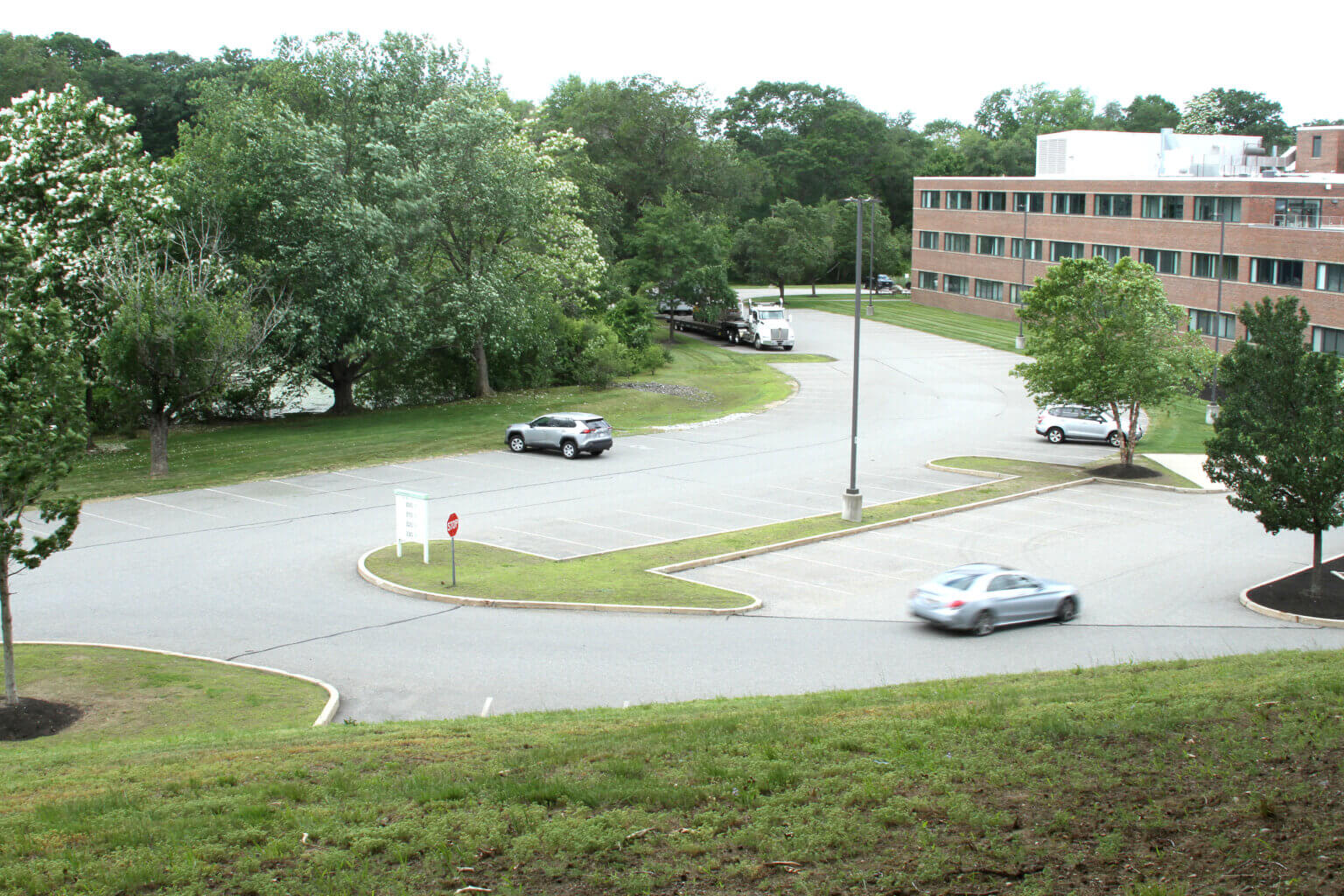
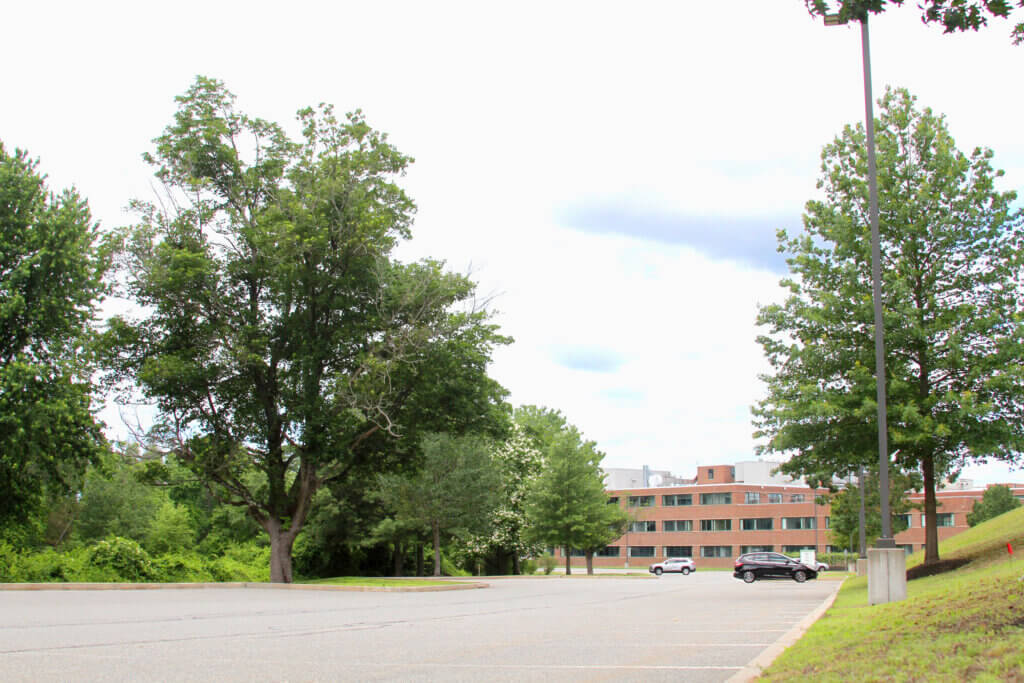
Developers have the town’s blessing to build more than 200 housing units along Baker Avenue.
Amid tariff threats and recession fears, they haven’t broken ground — and affordable housing advocates are taking note.
“It will happen,” said Acton Housing Foundation President Frank “Rich” Feeley. “If I’m lucky, it might even happen in my lifetime.
“But probably not until people decide that the economy is not going weird.”
NOVO Riverside Commons is one of two Acton developments approved since last April through the state’s 40B affordable housing process. The other is The Residences at Thoreau on Forest Ridge Road.
Several experts who spoke with The Acton Bridge draw a straight line between President Donald Trump and current delays. Affordable housing supporters tout some wins, but they worry large affordable housing projects are on hold.
“The town’s doing its part,” said local developer John Boynton. “But the market is not supporting [affordable housing] because interest rates are too high and construction costs are too high.”
Experts say builders and the bankers who often support their projects are also being cautious out of fear of sudden Trump policy changes.
Challenging conditions
NOVO plans call for 201 units, with 51 restricted as affordable. Feeley said he spoke with a member of the NOVO team and heard that while they’re committed to the project, the financing is a concern.
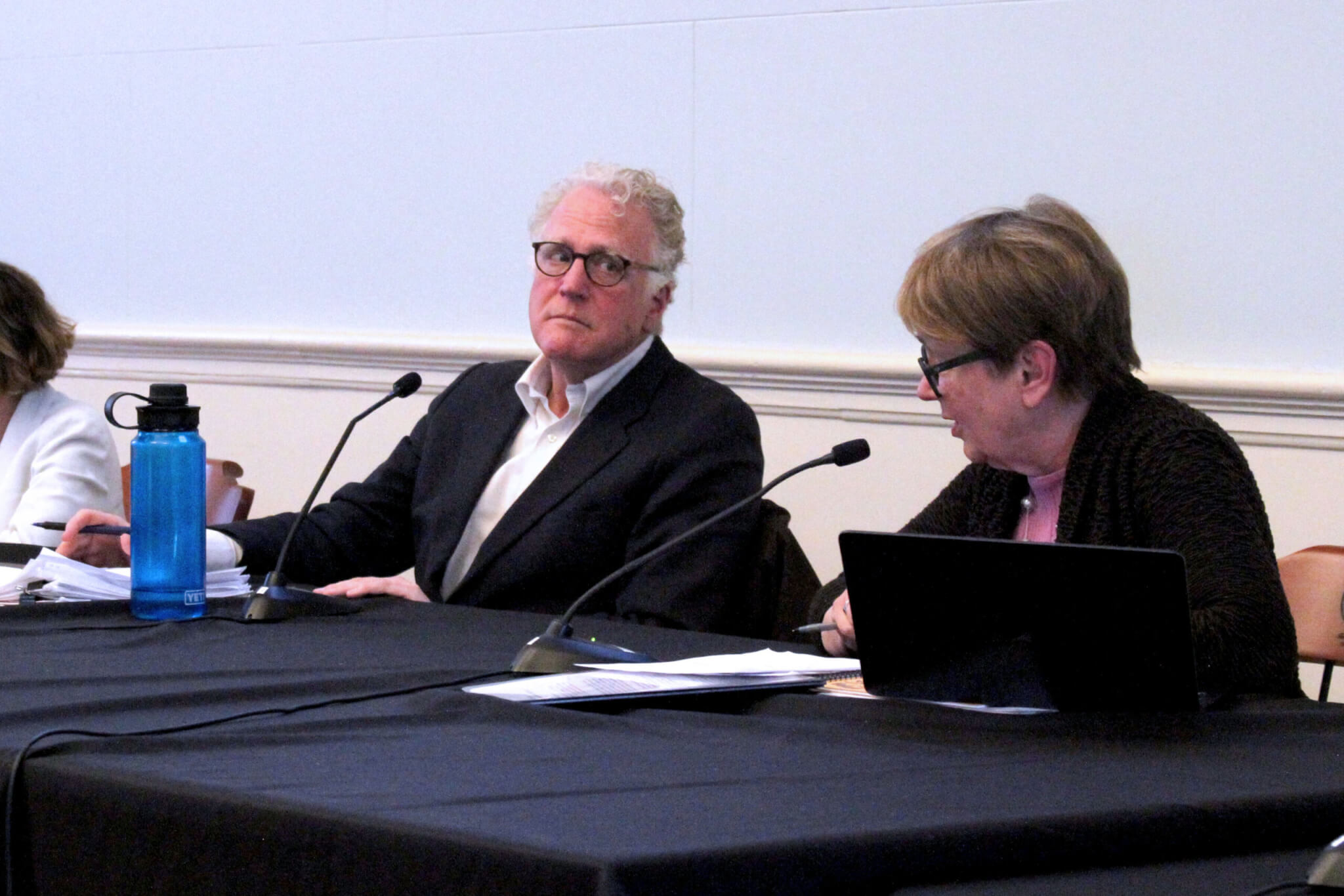
“If they don’t solve this,” Feeley warned after a May meeting of housing leaders, the 237-unit Thoreau project with 60 affordable units might also run into trouble.
Tiffany Huynh, a spokesperson for Taurus Investment Holdings, said the NOVO team remains “optimistic” and anticipates being ready to start work by year-end.
In a late May email, however, she acknowledged that financing “is certainly challenging in today’s environment.”
She said the team is taking a “nimble and precise approach” as it finalizes designs and cost estimates. Developers behind the Thoreau complex didn’t respond to questions about how the economy is affecting their timeline.
[Read more: $30M subdivision plows ahead]
‘Take this medicine’
Among those in the market for more affordable housing: seniors who may be looking to downsize and young people who want to stay in their hometown.
Father and daughter Tim and Ari Hupe told a Bridge reporter they wondered how many small-business owners can afford to live locally.
Ari said the Hupes probably wouldn’t have been able to move to Acton if not for her grandmother, who sold them her house.
“It’s just too expensive,” Tim Hupe agreed.
Planned units for people making less than 80% of the area median income could be part of a solution.
Regional Housing Services Office Director Liz Rust is excited about development but said some projects in Acton or elsewhere “aren’t going to make it.”
Builders and Remodelers Association of Greater Boston President Von Salmi said rising labor and materials costs have quadrupled homebuilding budgets in recent years.
He split from Trump critics and compared the president’s policies to cold medicine.
“Mom says you’ve got to take this medicine, and you tell her, ‘It tastes like alcohol.’ But it’s going to make you feel better,” he said. “Eventually, you get it down, and guess what? Eventually, you feel better.”
‘Things will change’
Project approvals won’t expire, so developers can try to wait out the money morass.
Some still worry the developments will stall out.
Boynton said the federal or state governments could subsidize construction. On a longer timeline, he hopes the town will look past economic ups and downs as it considers reworking sites such as the MCI-Acton prison, where town officials expect to see at least some new housing.
“Things will change,” he said.
Residents have pitched plenty of ideas ranging from a grocery store to a new museum. Boynton, who serves on the MCI-Acton Advisory Board, said the town should decide what kind of redevelopment it wants to encourage and then be willing to wait for it to pan out.
“We have the luxury [of knowing] that Acton’s going to be here in 20 or 50 years,” he said.


