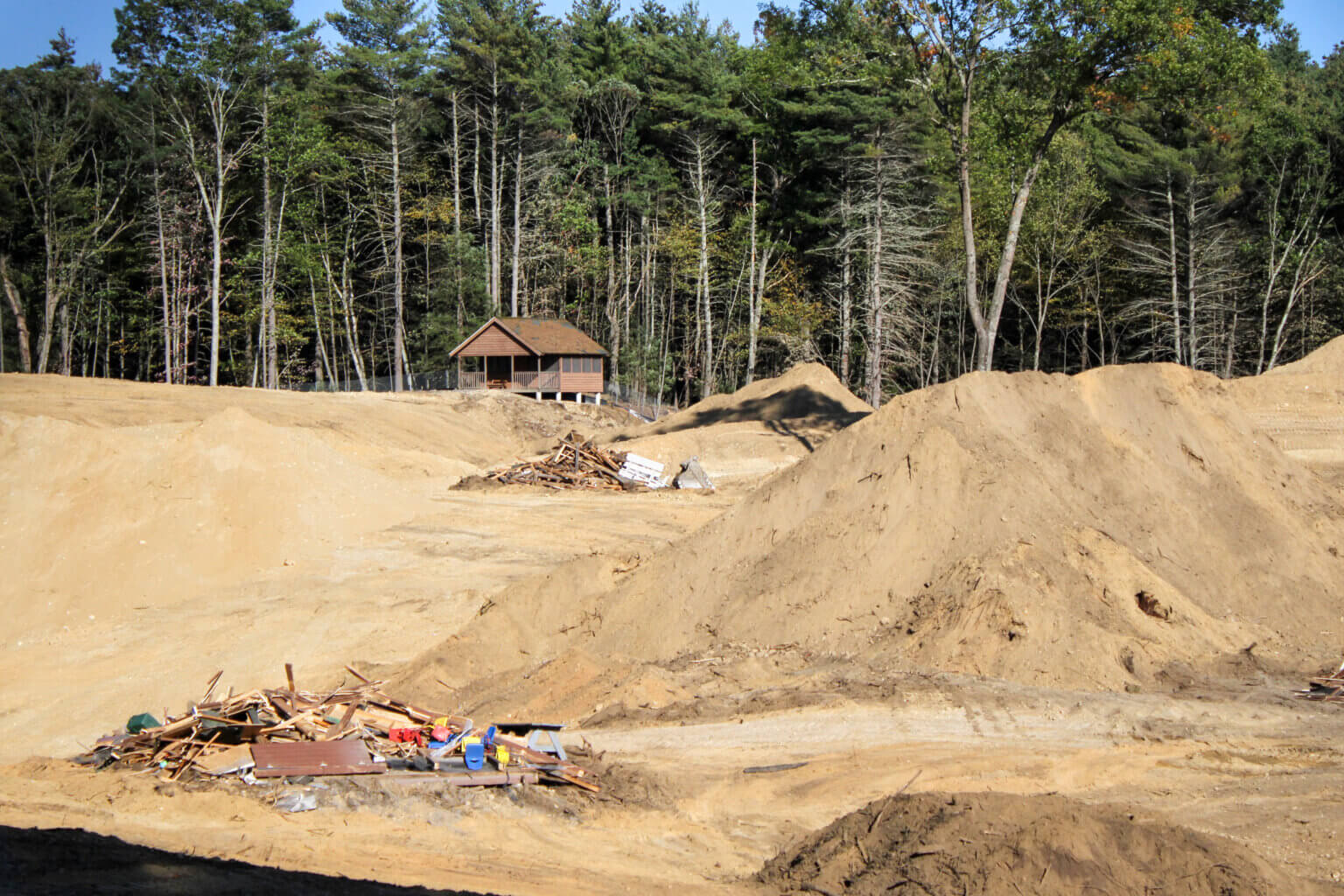
Subdivision neighbors push for quarter-acre pocket park
Locals upset about massive tree cutting think a new quarter-acre park might offer some consolation.
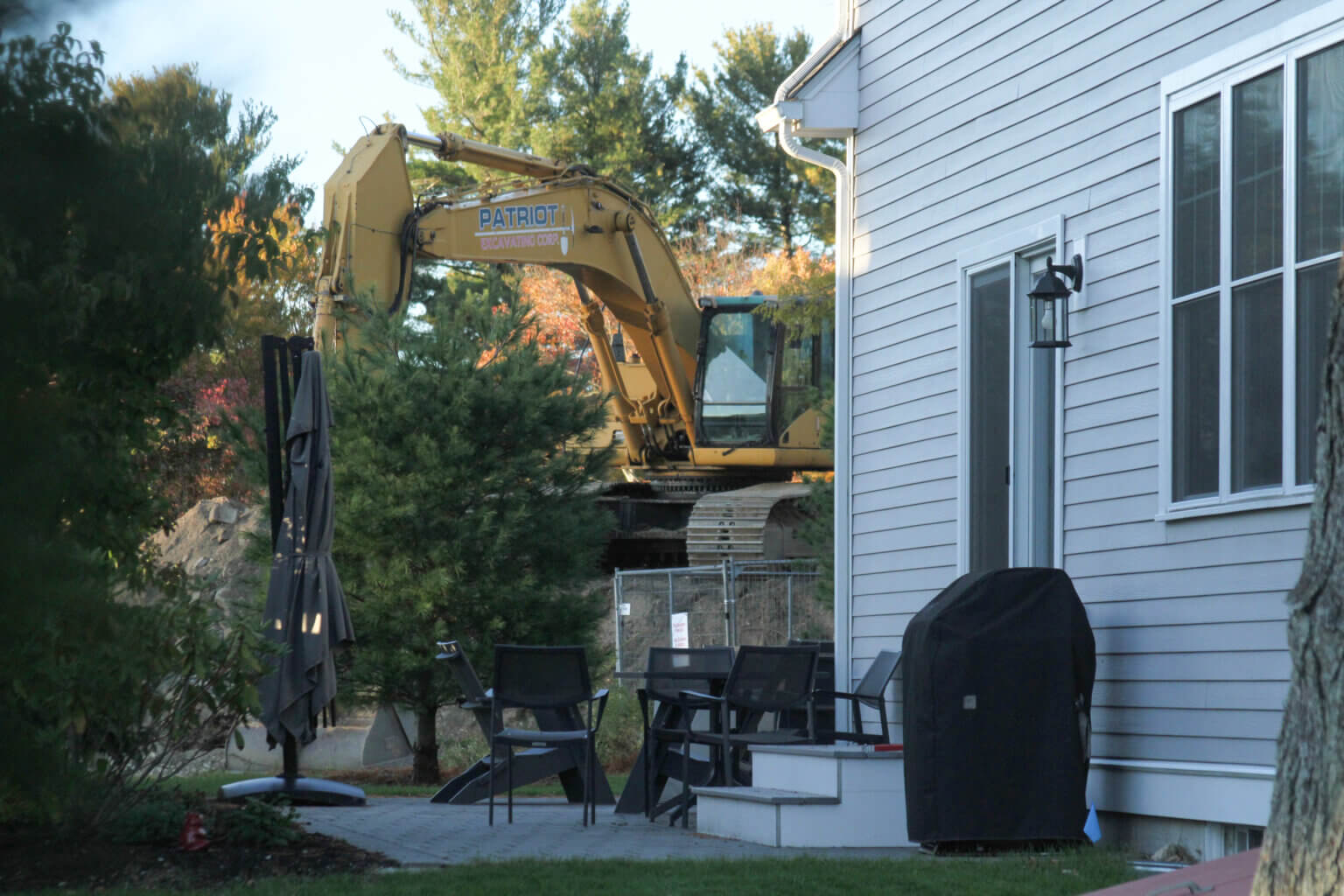
Locals upset about massive tree cutting for a West Acton subdivision think a new “pocket park” might offer some consolation.
Town leaders, though, want more information.
“It’s not, in any way, going to make up for it,” Highland Street resident Geoff Edgers said of the quarter-acre plot, “but it would be a pretty nice little spot to have trees and natural growth.”
The town has until April 2028 to buy land reserved for municipal use within the larger development.
Select Board Chair Mark Howell said the details were in flux earlier this month, and the panel opted against immediately seeking funding for an offer.
Available options
Symes Development & Permitting took the town to court in its effort to build 20 single-family homes near Main and Highland Streets.
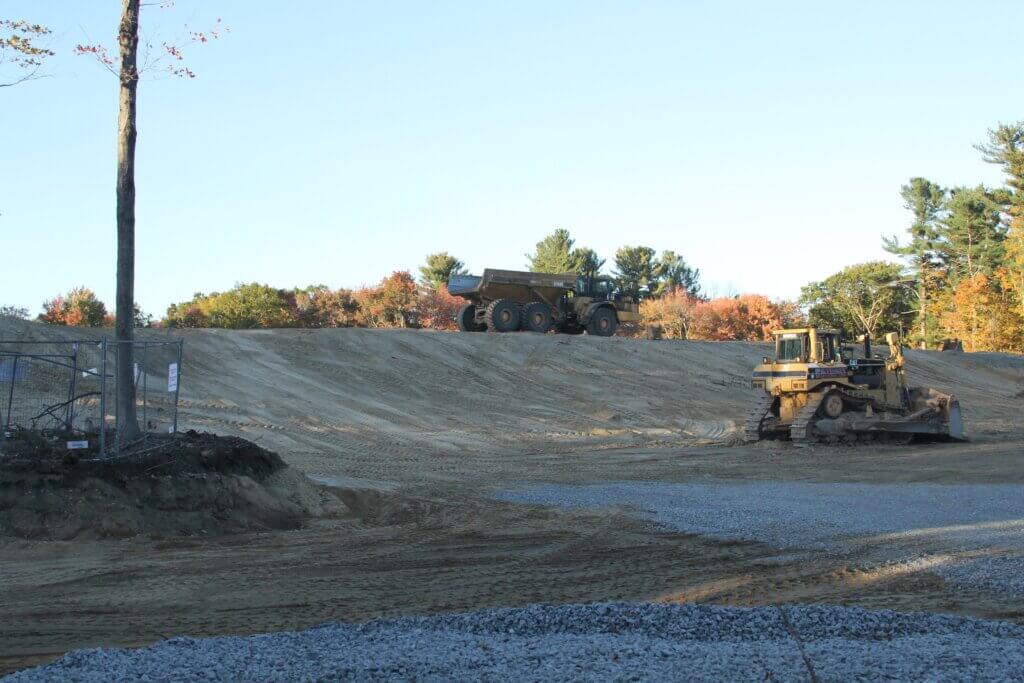
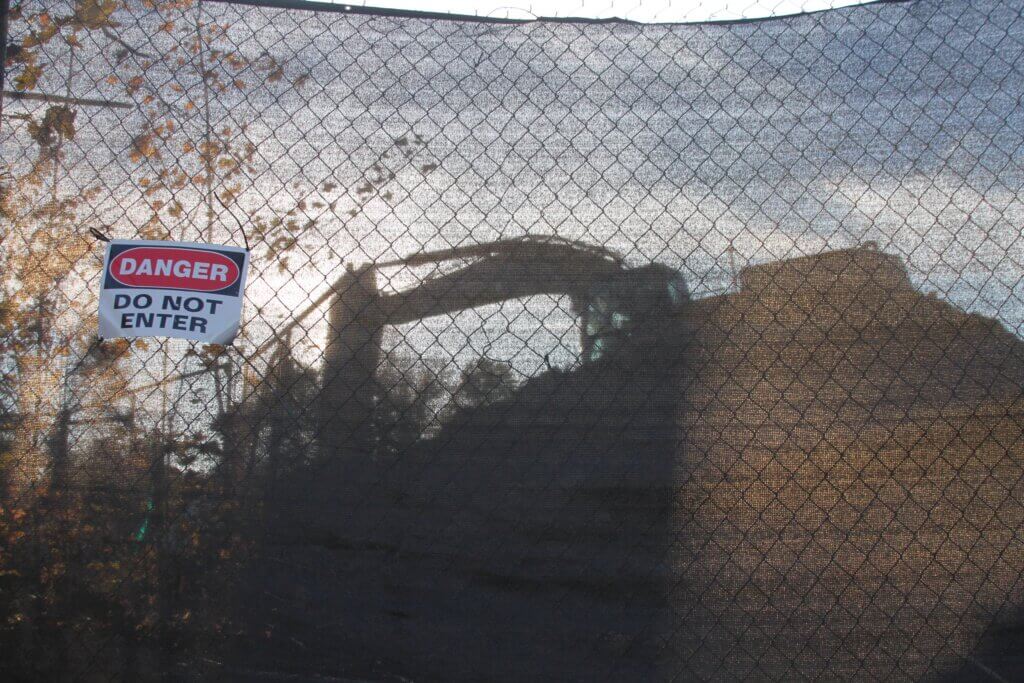
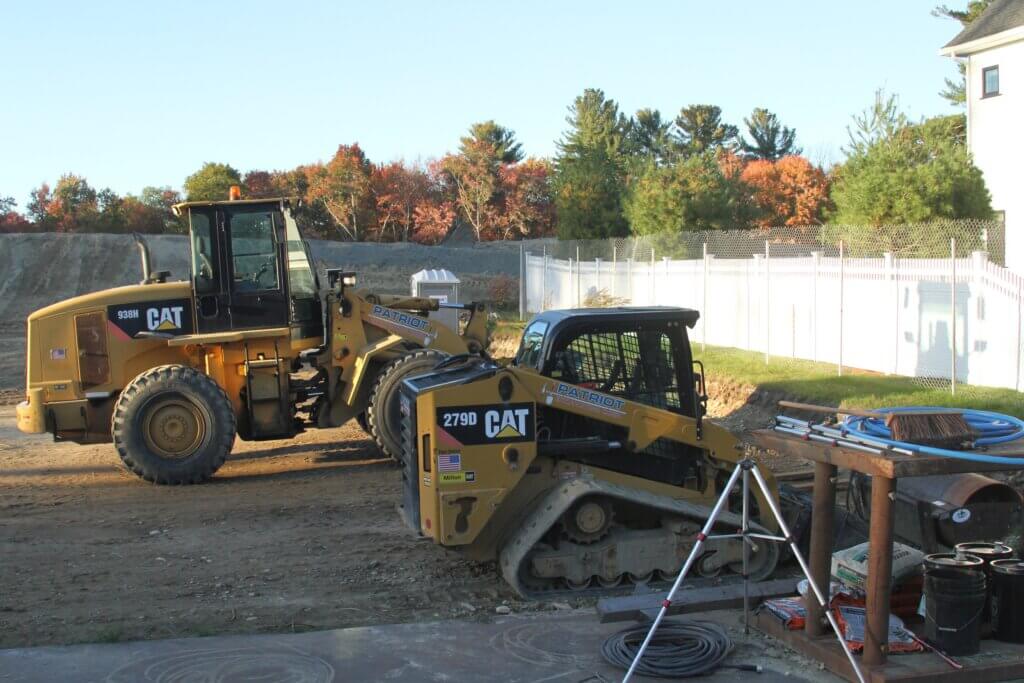
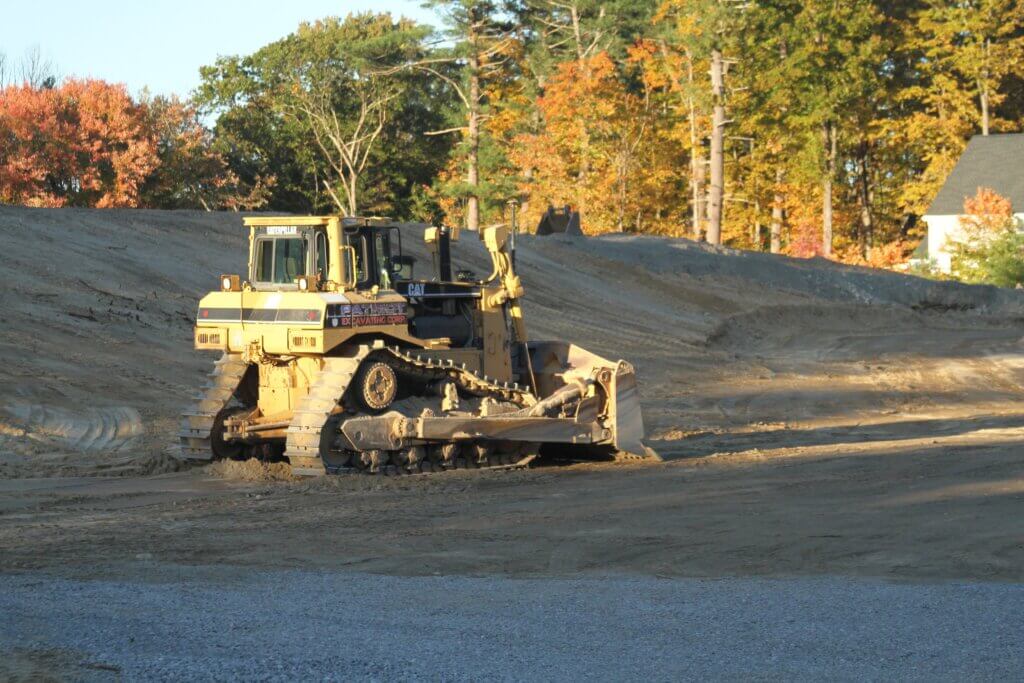
The land was once a mostly wooded area along MBTA train tracks. Site clearing started this summer and the property bristled with crews and construction equipment during the week of October 13.
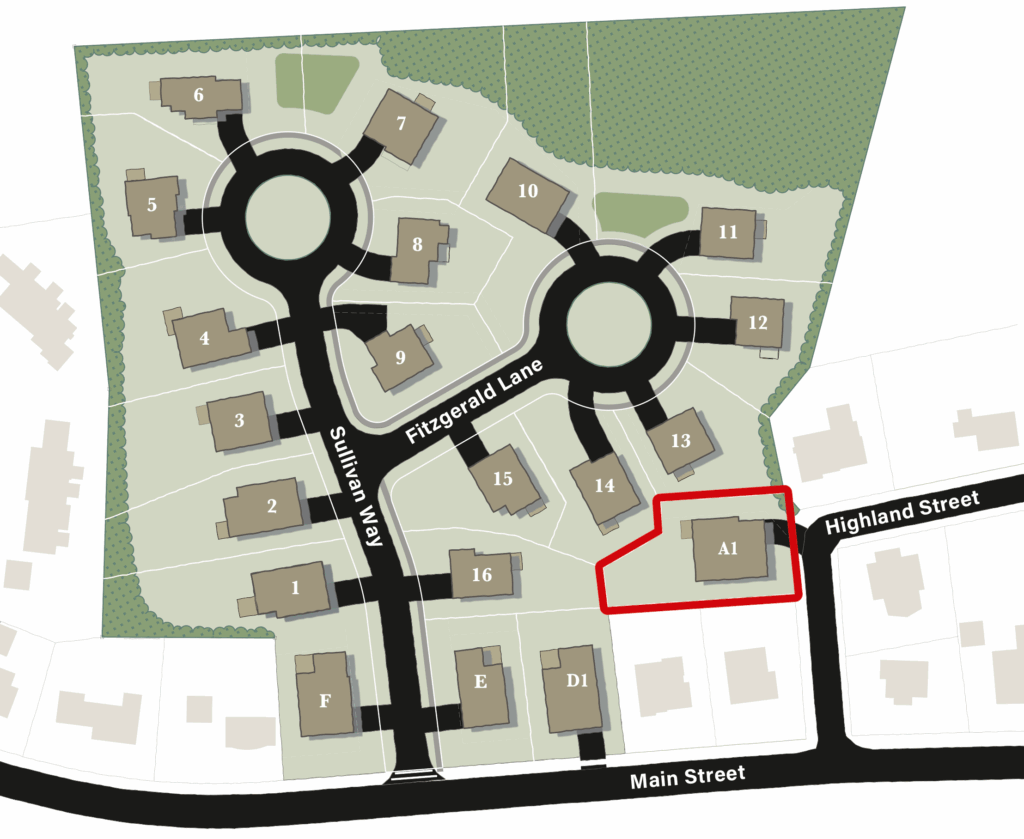
Fellow Highland Street resident John Cooley has turned his attention to Acton’s subdivision rules, which let the Planning Board require a developer to reserve some land for municipal use. In the Symes case, an earmarked plot sits where the subdivision meets Highland Street.
A promotional map shows one of the project’s 20 homes located on the parcel. Symes Business Development Manager Jeff Rhuda confirmed the project — dubbed Center and Main — will downsize to 19 homes if the town buys the lot.
Cooley and other pocket park backers appealed to town panels in recent weeks and rallied support from over 100 households, urging the town to buy the land.
Cooley said supporters are intentionally staying vague on plans, simply envisioning some form of open space. The area could include a walking trail into West Acton Village that bypasses the often busy stretch of Main Street in front of the subdivision.
“It would be a really great addition to the neighborhood,” Church Street resident Nika Engberg told the Select Board.
Cooley said he and his neighbors wrote a draft application for Community Preservation Act funding ahead of the Acton Community Preservation Committee’s September deadline, but the Select Board didn’t proceed.
Outstanding questions
Howell said officials are waiting for an appraisal to estimate the cost of buying this land. Officials also don’t know the cost of restoring it as a park, nor do they know the associated maintenance costs.
Rhuda said the price for this land “depends on the point in time.” In one recent phone call, he said, the cost was $800,000.
While CPA money could help finance a pocket park, other groups are vying for the same cash, and Howell said that’s part of the reason the Select Board held off.
Asked if he thinks the town will apply through the CPC next year, Select Board member Paul Boehm said, “It really depends on finances.”
Striking a balance
CPC isn’t the only funding option. Still, Cooley said the pocket park is “perfectly aligned” with the Community Preservation Act’s purpose of promoting open space, outdoor recreation, historical preservation, and/or affordable housing.
Edgers and Cooley flagged the town’s history of preserving open space, and they hope this could be another chapter in that story.
Cooley said “everybody understands” a need for housing in Acton. Some have criticized the Symes project for its lack of affordable units. And Cooley said this misses the mark when weighing open space against new buildings.
Acton has already amended its tree bylaw since Symes first filed its project plans. In the long run, Cooley hopes the saga spurs more changes.
“In this particular instance, maybe the balance just was not struck,” he said. “We’re trying to rebalance it a little bit with this pocket park.”