Sun thing to ponder: Town Meeting to weigh in on solar mandate
Article 30 would urge the Select Board to adopt a policy of placing solar panels atop certain new public buildings.

Town Meeting voters will decide next week if they want their new municipal buildings sunny-side up.

A “yes” vote on Article 30 will urge — but not require — the Select Board to adopt a policy of placing solar panels atop certain new public buildings. A “no” vote would keep the status quo.
“The town wants this stuff,” article sponsor Dean Banfield told The Acton Bridge earlier this year. A solar rule “gets us going down the path.”
Town Meeting kicks off Monday, April 27, and will continue for successive nights as needed.
The solar proposal comes as Acton considers overhauling municipal properties including the police, fire, and public works headquarters.
The debate is pitting cost concerns against green energy targets, even as advocates say solar projects pay off in the long run.
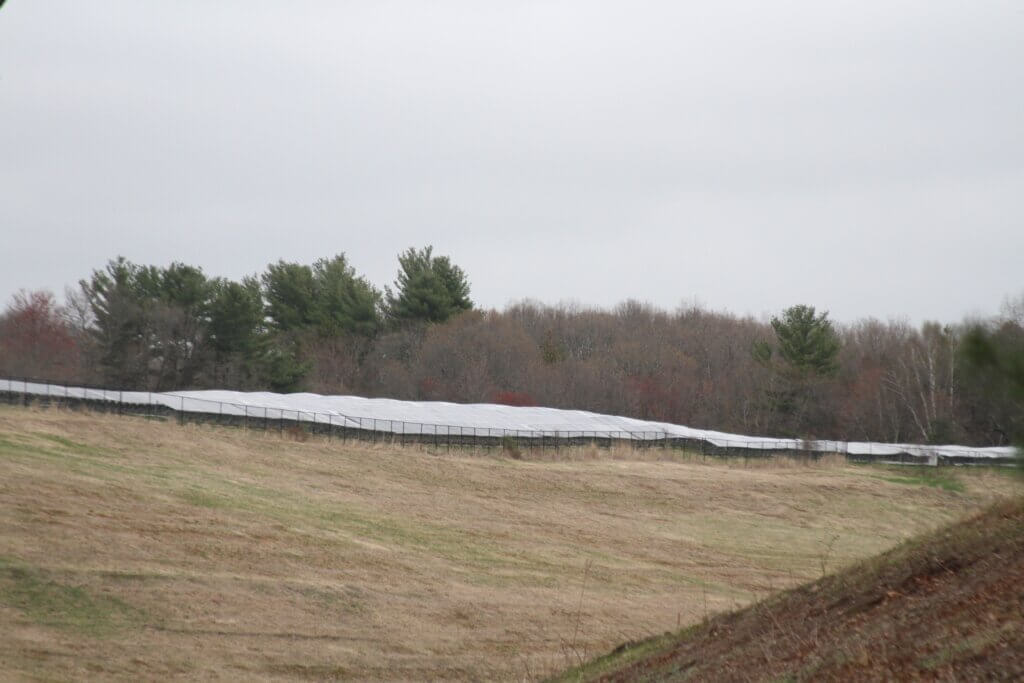
Acton has some solar installations, but it’s well below a stated goal of having 20 megawatts of capacity by 2030, Banfield said. Acton can use up to 40 megawatts at any given time, according to the town’s 2024 Solar Implementation Task Force.
‘Virtue’ or ‘virtue signaling’?
Banfield wants to codify the expectation that new town projects include panels in their core design. The Select Board could grant exceptions. Commercial and residential buildings aren’t included.
Banfield won a seat on the Select Board earlier this month. He won’t join the board until after Town Meeting and is sponsoring his article as a private citizen.
Banfield first proposed his article as a bylaw.
The Public Works Commission, whose department could soon get a new headquarters, voted against the petition as Banfield originally wrote it amid fears of a rigid law delaying projects or spiking costs.
Members suggested compromise and commissioner David DeLong said a solar push felt like “the right thing to do for the climate.”
Banfield now plans only to suggest a policy.
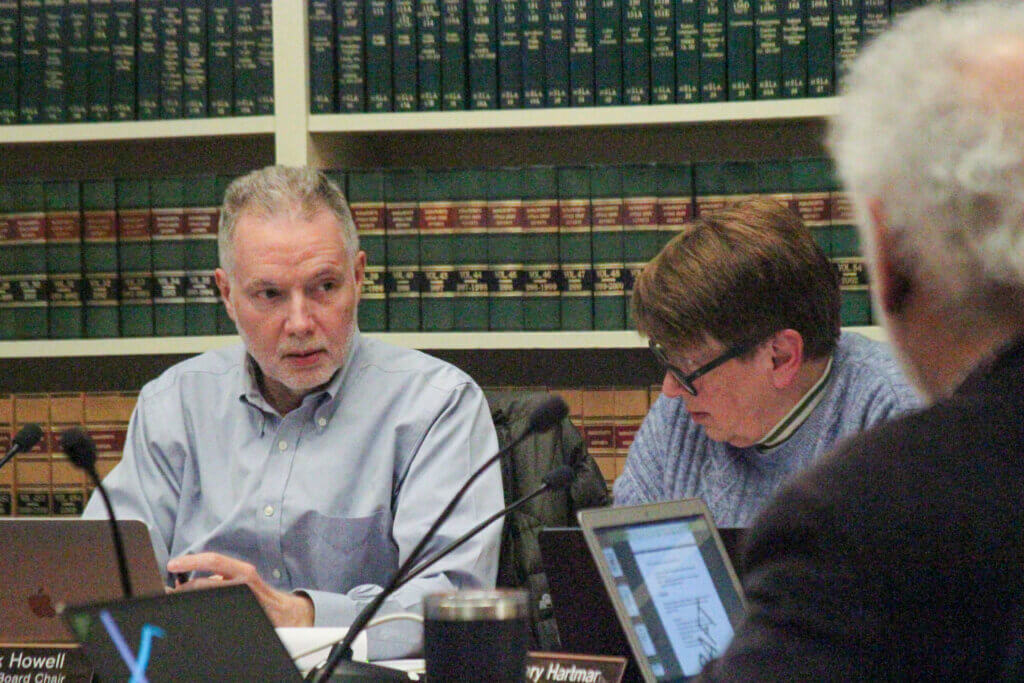
“A bylaw is a stronger version of a policy, which is a stronger version than it sitting in the [town’s] Climate Action Plan as a goal,” Select Board Chair Mark Howell said.
Banfield said voters have a history of making recommendations that get “completely ignored.” He was willing to take the risk of that happening in this case in hopes that the Select Board would back his proposal.
The group obliged by a 4-1 vote.
Member Cameron McKennitt, who voted no, called solar a “noble cause” when the group took the issue up last month, but he warned of “excess bureaucracy” where people would have to “beg for an opt-out.”
“It’s virtue signaling,” McKennitt said.
“It’s not virtue signaling,” colleague Mary Hartman replied. “It’s virtue.”
Sustainability goals
Howell said the new Ellen Garrison Building at Acton Middle School is “a pretty good example of what happens” without a solar bylaw or policy.
There, planners left panels out of their main design to cut costs, Howell said during last month’s solar discussion. Voters approved a parallel project to add equipment, but that effort hit delays.
Banfield told the Bridge he expected to hear naysayers worried about increasing construction costs.
Climate Action Committee Chair Brad Dye said these projects always end up in the black on a long enough timeline through electricity savings; his panel has backed Banfield’s article.
“The town made a commitment to its residents that we would install a certain amount of solar,” Dye told The Bridge. “We need to do more.”