‘Tipping point’: $27.5M sought for road, sidewalk upgrades
Officials say they’re being cost-conscious — and warn that delaying the spending would only increase the bill.
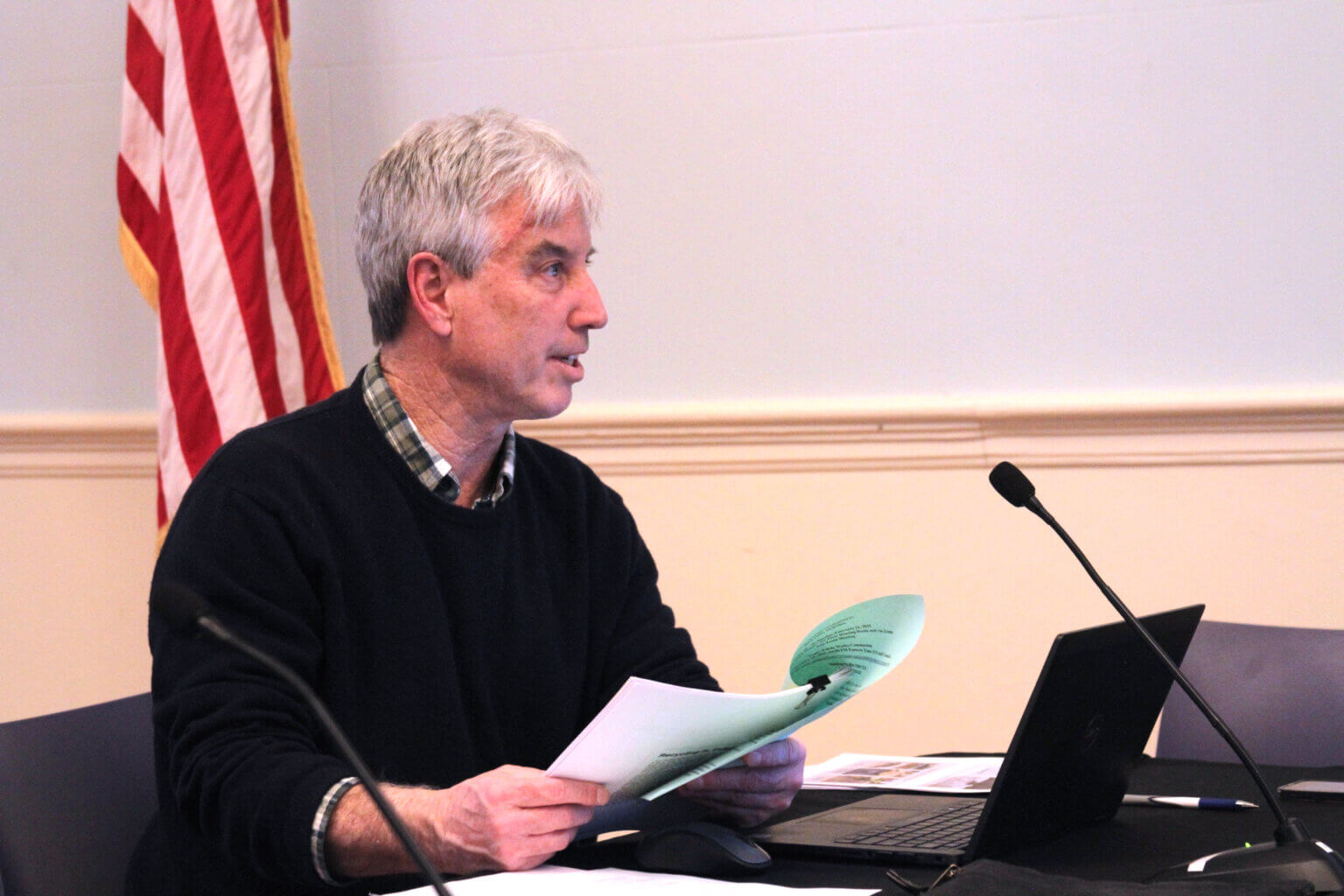
Conversations about municipal spending, sustainability, and traffic safety may converge at June’s Town Meeting around a warrant article seeking $27.5 million over five years for road, sidewalk, and safety projects.
As the town strains to streamline budgets, public works leaders acknowledge the hefty price tag. They say they’re being cost-conscious — and warn that delaying the spending would only increase the bill.
“We’re at the tipping point where the streets are just getting worse and worse faster and faster,” Public Works Commission chair Sven Weber said in an interview with The Acton Bridge. “If you don’t do this, everyone [will] cry out about bad roads five years from now.”
What costs $27.5 million now, Weber said, could cost $60 million in 2030.
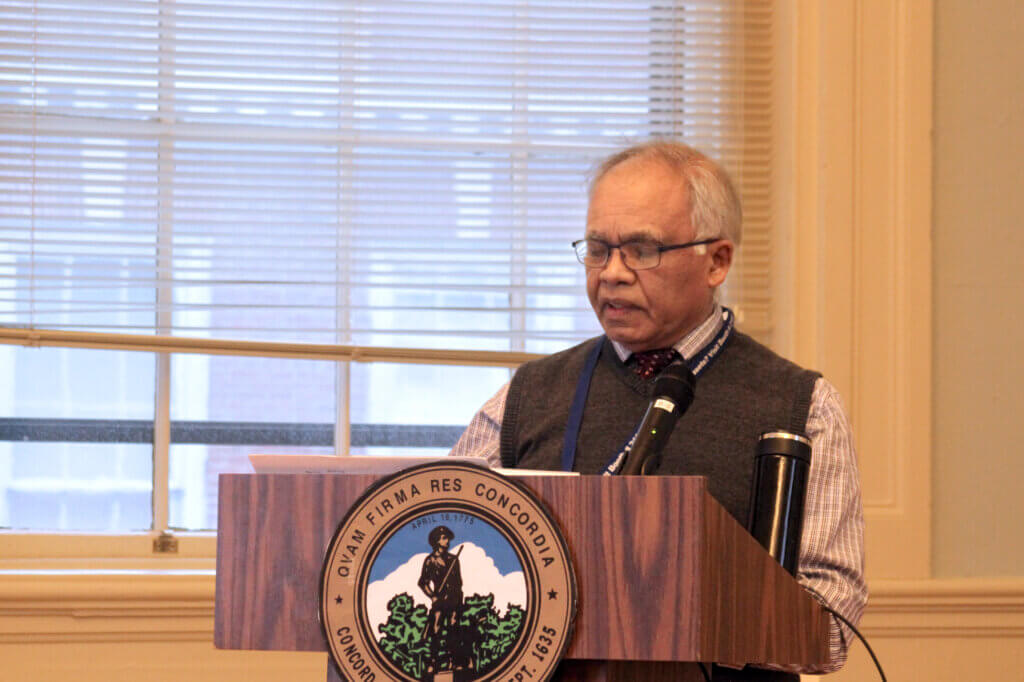
Weber said “decades of neglect” are part of the problem. At a February 12 Public Works Commission meeting, town engineer Steve Dookran said construction costs are also to blame. For example, he said, in 2018, the town paid $45 per ton for asphalt. Now, Acton pays $90 to $100.
The road maintenance plan, discussed over months of meetings, is one of the most expensive articles on the warrant for Town Meeting, which starts June 2. Officials plan to discuss the article again at an April 15 hearing as they seek Select Board and Finance Committee support.
Current spending
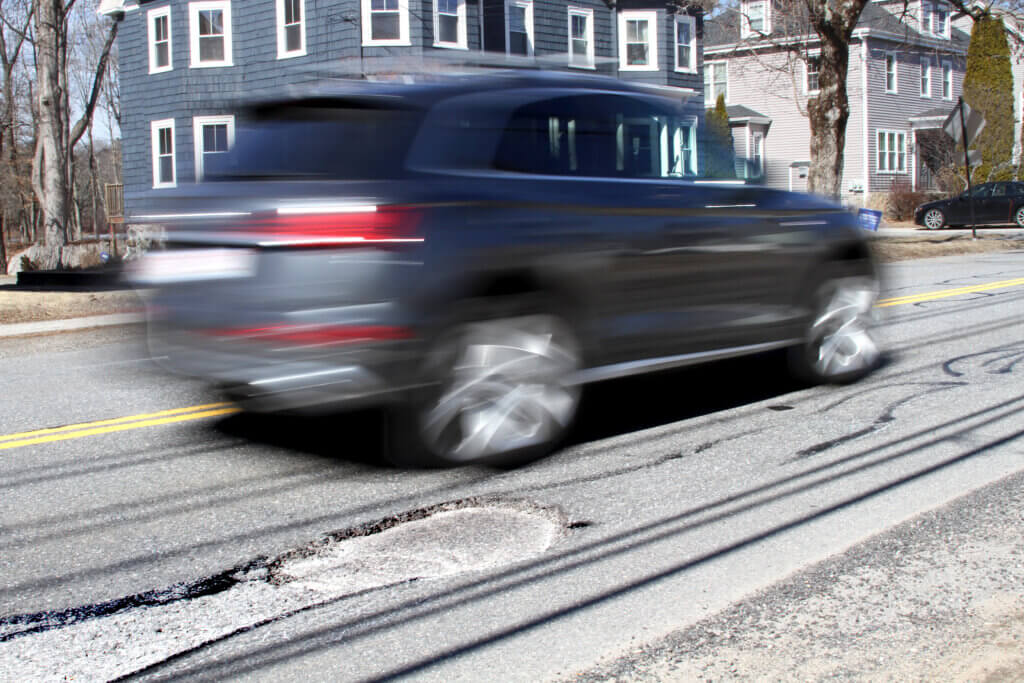
Acton has been allocating roughly $2.5 million a year toward road maintenance. Crews have repaired high-traffic areas including parts of Acton Center. But they’re struggling to keep up in other spots.
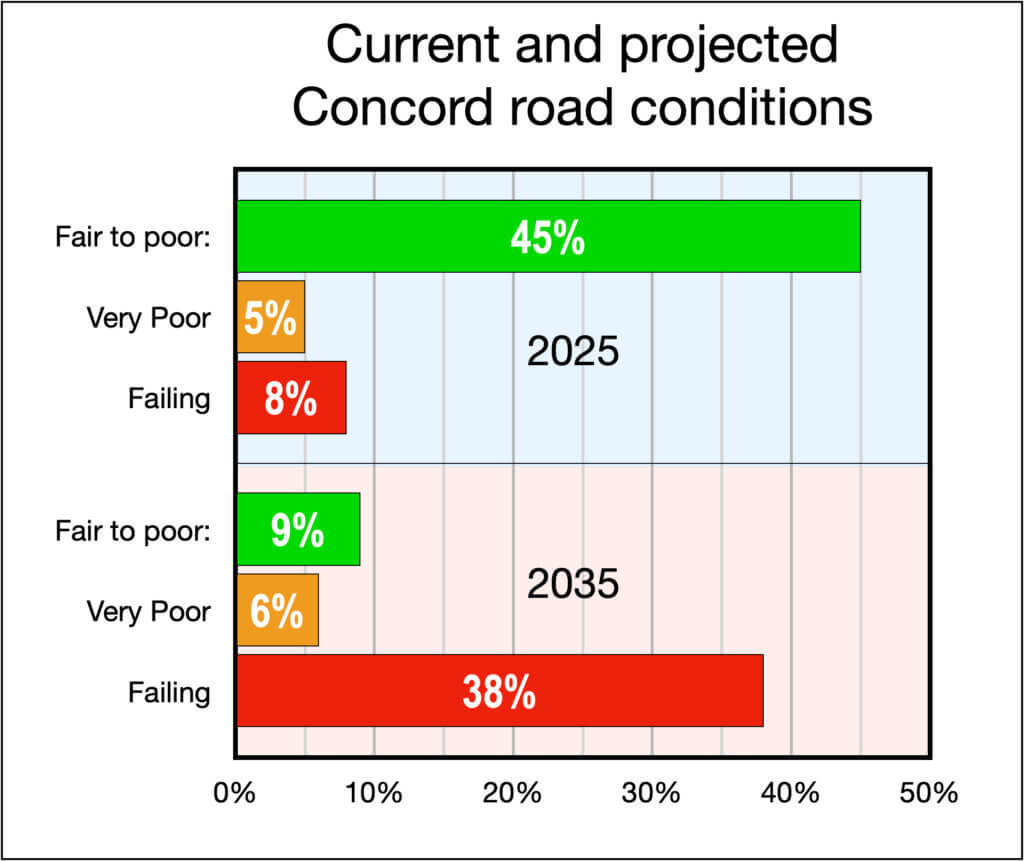
Roughly 45% of roads are in fair to poor condition, five percent are in very poor condition, and 8% are failing, Dookran has said.
If the plan is approved at Town Meeting, officials plan to spend roughly $5.5 million per year over the next five years. Weber said the multi-year structure would give the town a better negotiating position with contractors. It could also help Acton win state grants with matching funding requirements.
The extra money, Weber said, would get Acton back into a position where an annual allocation would keep conditions stable.
Beyond costly future repairs, supporters say the roadway plan could prevent accidents as crews repair sidewalks and fix the edges of roads where cyclists often ride.
The plan wouldn’t add any new sidewalks. But officials promise “significant advancements” of pedestrian crossings, and they plan to modify intersections to make them safer.
Tax impact
Finance Committee member Karlen Reed asked the PWC on February 12 about the project’s tax impact. Select Board chair Mary Hartman also urged officials to quantify the impact if the town were to put off repairs. On March 26, Reed told The Bridge she still hadn’t seen impact estimates.
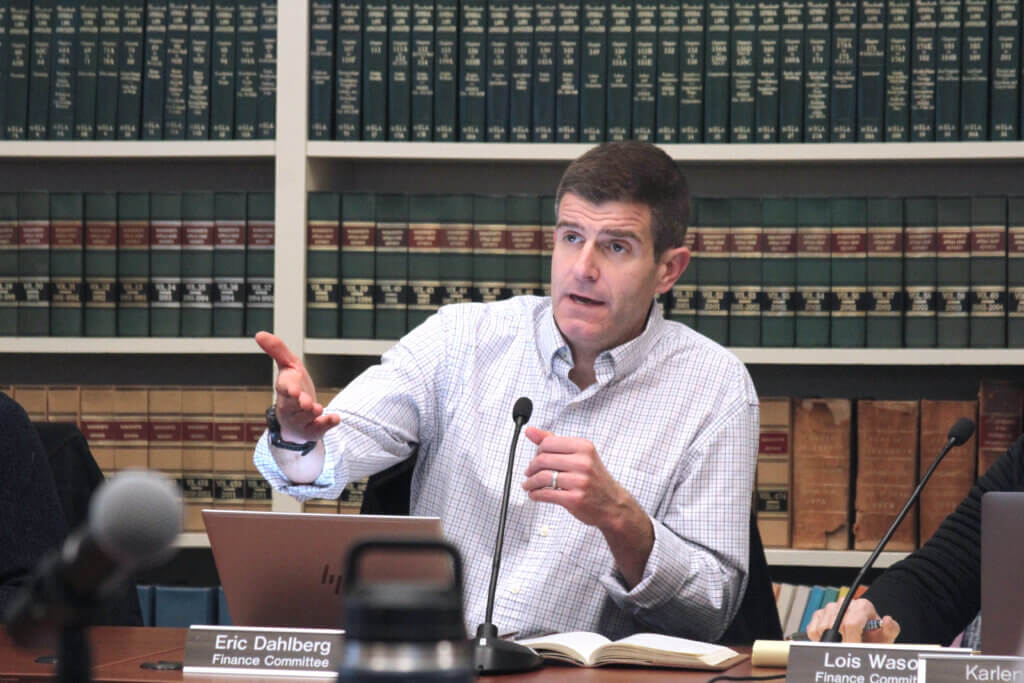
At a February 27 meeting, FinCom chair Eric Dahlberg said officials have to explain how the roads fell into disrepair.
“Most taxpayers assume that when they write that check, the money is going to the stuff it’s supposed to be going to,” Dahlberg said. “It sounds like that hasn’t been happening, and I think it’s critical to understand why.”
Weber said Acton Public Works started ringing alarm bells in 2016. Over time, he said “it was an easy decision to kick the can down the road” and focus on other needs.
He said Acton must brace for climate change as stronger rainfalls strain roads and stormwater systems. The work won’t stop with road spending.
“The roads are one piece of the puzzle of bringing our infrastructure in Acton to a level where we feel we have kind of caught up with the neglect over decades and we are investing in climate resilience,” he said.