Weighing an 18th-century Acton physician’s contrasting legacies
A visitor explores her connection to one of the town’s once most prominent — and later controversial — men.
Many first-time visitors to Acton want to see where the Revolutionary War began or where classics like “Walden” and “Little Women” were written.
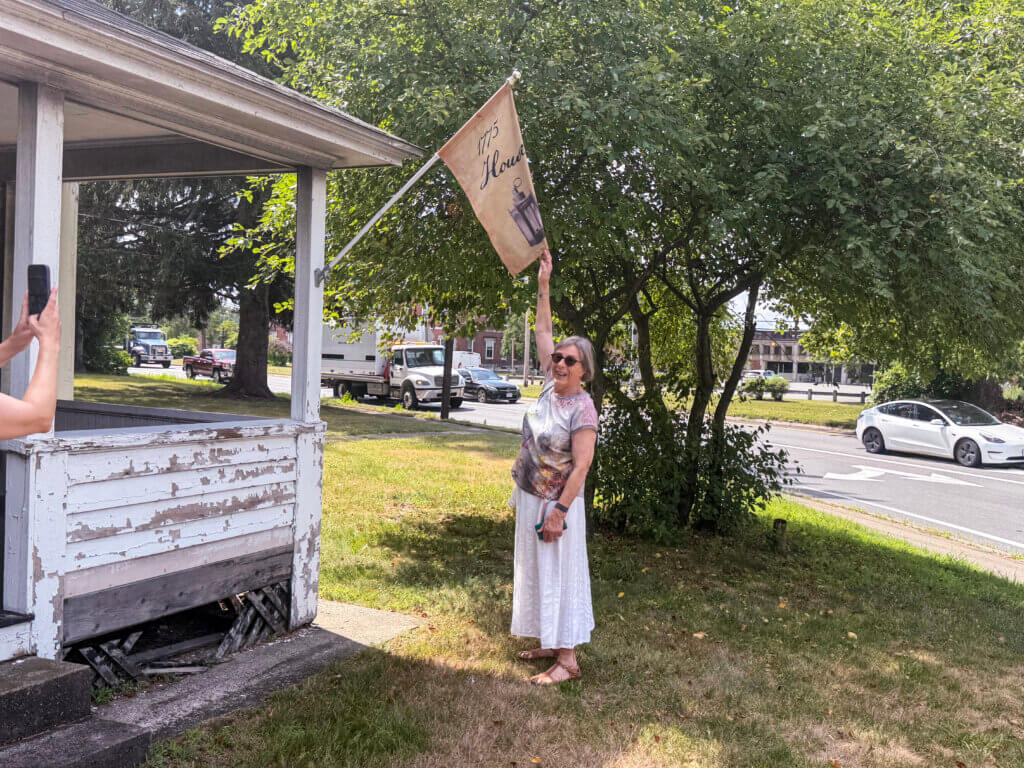
Sandra Conn, 80, had a different mission: The Belfast, Ireland, resident came here this summer to explore her own history and her connection to one of the town’s once most prominent — and later controversial — men.
Standing by his grave, Conn recognized the duality of Dr. John Cuming, who she says is her great-great-great-great-great-uncle. The 18th-century Acton physician tended patients, served the town, funded medical research — and enslaved at least two men: Brister Freeman and Jem.
Conn told The Acton Bridge she was honored to discover she has a notable relative in her lineage, but she pointed out that his success came at the expense of other people’s freedom.
“The Cuming thing really interested me, I suppose, for the fact that there were slaves involved,” she said, “but I don’t feel much emotion because it was all in the past.”
Tracing her family tree
Learning about Cuming was just one of many facets of her past that Conn has gathered since looking into her family tree with the help of a genealogist, relatives, internet searches, and Ancestry.com.
Born in London and adopted as a baby, Conn said she did not grow up wanting to know about her biological history. Only two decades ago, after her parents died, did she start doing some research, an effort hastened in the past two years.
She learned that her Chilean birth mother had familial ties to the Cuming family in Scotland, where Cuming’s father lived before emigrating to Massachusetts around 1715.
A cousin alerted Conn to “Black Walden,” a 2009 book by State University of New York professor Elise Lemire that explores slavery in Acton and how Freeman and other formerly enslaved people settled in Walden Woods after their emancipation.
Conn reached out to Lemire to learn more, and the two recently toured Acton, including Cuming’s gravesite.
Unlike Cuming’s prominent stone, which stands next to that of his wife and only daughter at Old Hill Burying Ground, the final resting places of the people he enslaved are not marked.
An enduring presence
According to Lemire, a 2025 recipient of the Thoreau Society’s Walter Harding Distinguished Achievement Award, Cuming was the most important person in Acton before Ralph Waldo Emerson moved here in 1834.
Cuming, a doctor, land speculator, and town moderator educated in Edinburgh and at Harvard College, was born in Acton in 1728.
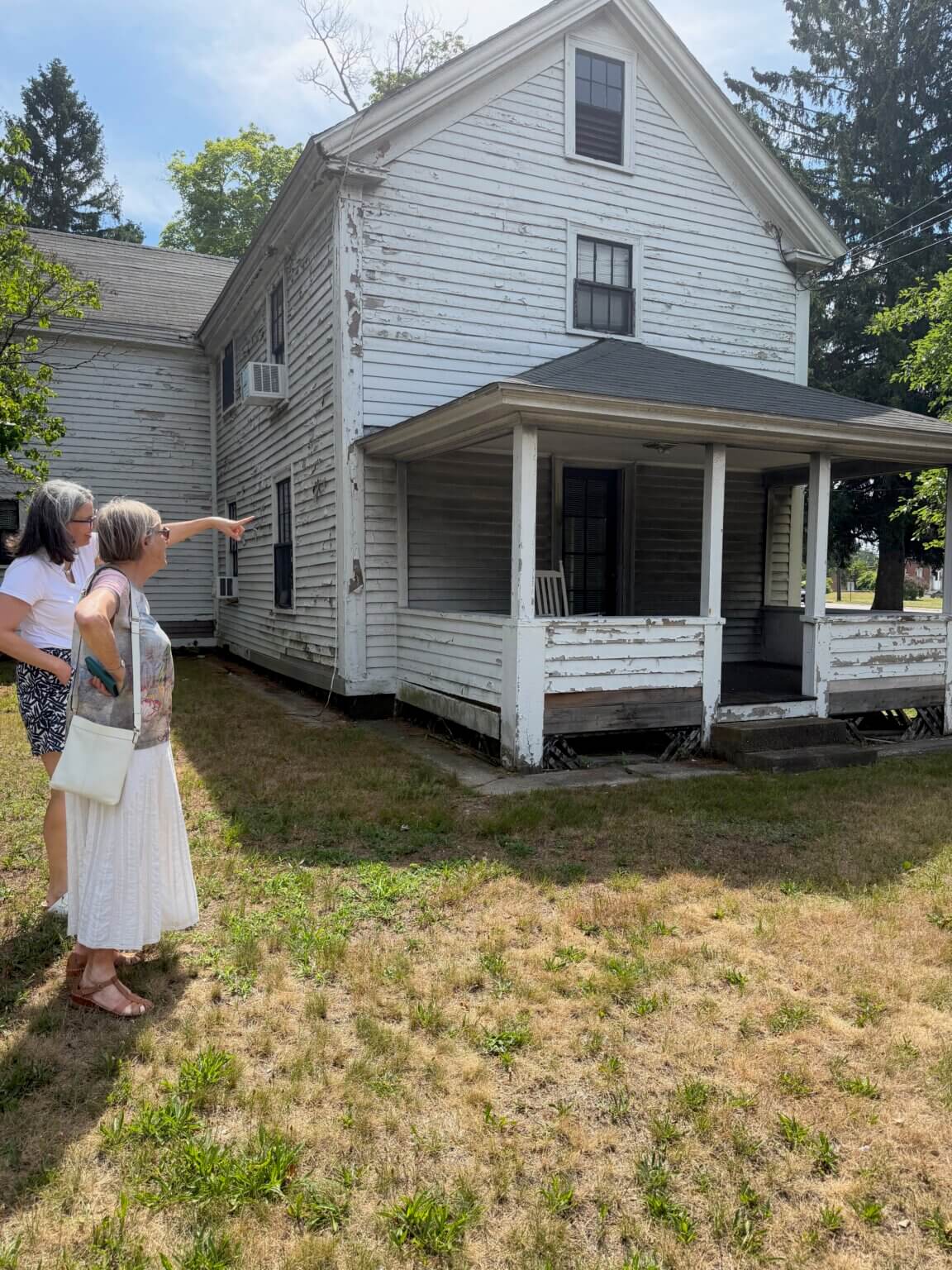
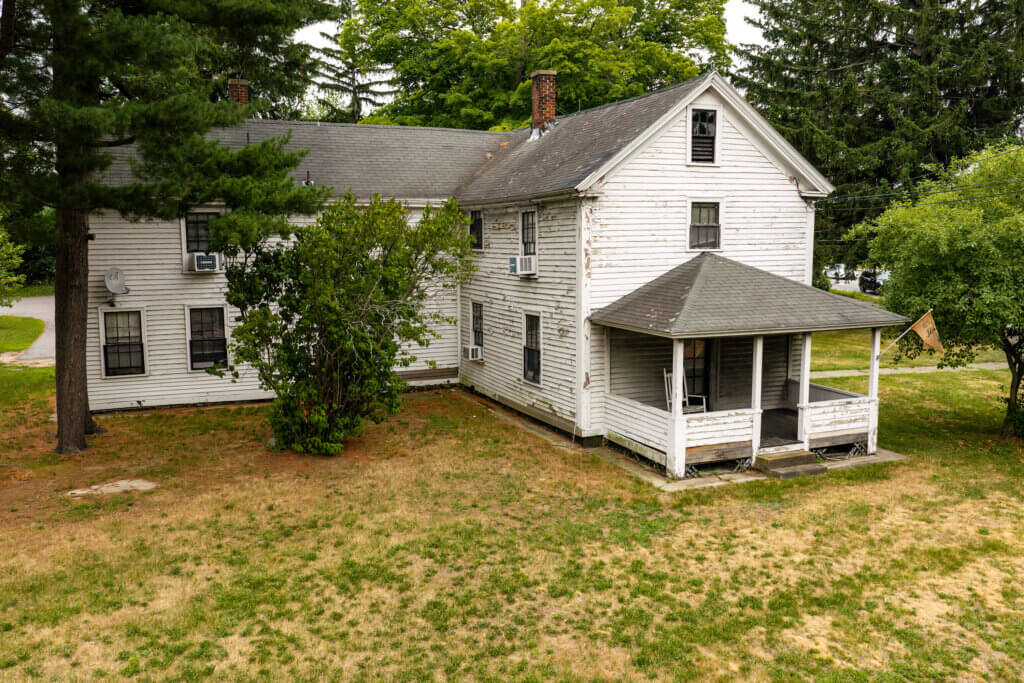
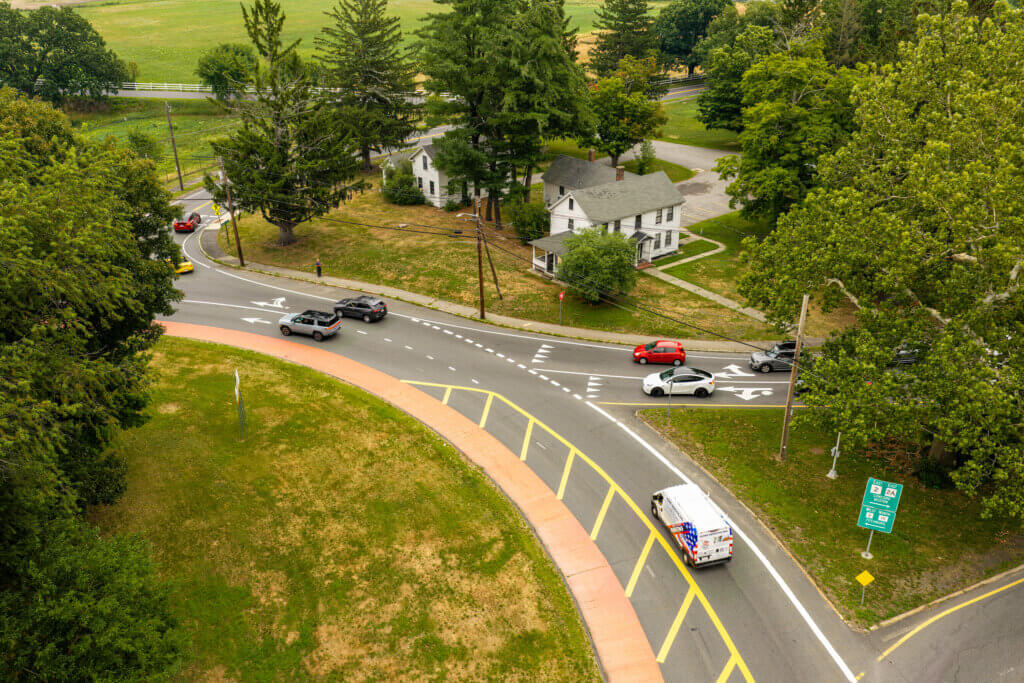
His Elm Street home, built in 1754, was added to the National Register of Historic Places in 1977 and is used by the Massachusetts Department of Correction for office space near the Route 2 rotary. Cuming is also noted for bequeathing funds that helped establish Harvard Medical School.
Lemire has launched a website, freemancuminghouse.org, to “save” the Cuming house. She wants it to be protected in the ongoing redesign plans for the rotary.
Saying she is acting alone in this awareness effort for now, Lemire said she would like the house to retain Cuming’s name while recognizing Freeman’s contributions to Cuming’s estate and career and bringing attention to wealth disparities that still exist.
The house could be “a place where you tell two stories that are deeply intertwined,” she said. “You don’t erase one or the other.”
Pushing for context
In recent years, institutions and governments nationwide have renamed buildings and landmarks and removed monuments associated with racism. At the same time there is recognition that some of the people whose names or legacies are getting scrubbed were no different from their peers.
For that reason, Conn said she was disappointed to learn that Emerson Hospital removed the Cuming name from a medical office building in 2024.
“It was what it was in those days, and you know, it’s so long ago,” Conn said. “You can’t change history, and there’s no point getting upset now, because you can’t do anything about the past.”
“As a healthcare institution,” Emerson Hospital Chief Operating Officer Eric Stastny wrote at the time, “a building named after a person who directly engaged in the enslavement of others does not reflect our mission or values. Our goal is not to erase history but to better align our physical plant with our values.”
Conn said that through Cuming’s story, Freeman’s continued to be told.
Brister’s Hill near Walden Pond is named after Freeman, and his post-enslavement life was documented in Henry David Thoreau’s “Walden.”
Freeman became enslaved to Cuming at 9 years old. He gained his freedom 25 years later following his service in the American Revolution. He is widely recognized by historians as having been the second person of African heritage to own Acton property.


