What’s to be done about ‘the bog’?
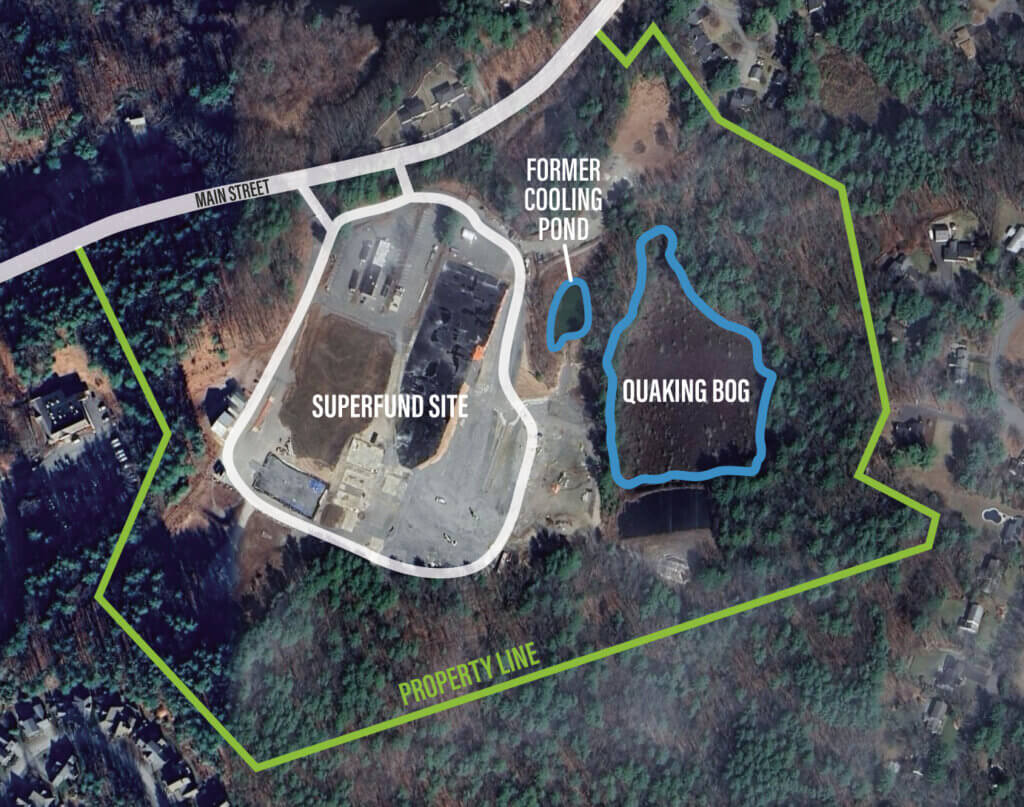
Most of the trespassing on Acton’s Superfund site has been by birders and animal watchers fascinated by its rare “quaking bog.”
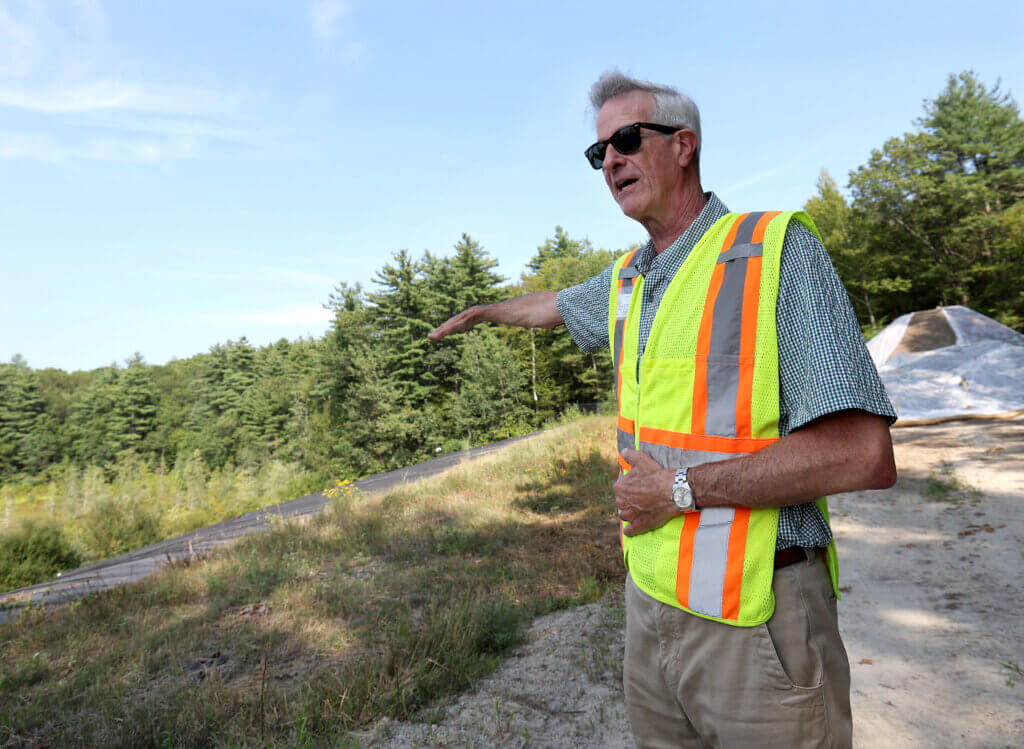
Most of the trespassing on Acton’s Main Street Superfund site over the past 20 years has been by birders and animal watchers fascinated by its rare “quaking bog,” project manager Bruce Thompson said.
Despite some contamination, project staffers and a local environmental expert agree — the bog must be saved.
“Do we need to burn the village down to save it?” Thompson said, recalling conversations his team had with staff at the Environmental Protection Agency.
Thompson said the feds agreed, and they’ll leave the bog as is — even though there are some polychlorinated biphenyls, or PCBs, near the center.
The fragile ecosystem isn’t fit for walking trails and probably won’t be redeveloped anyway.
“Our goal is not to disturb the bog,” Thompson said during a recent site visit.
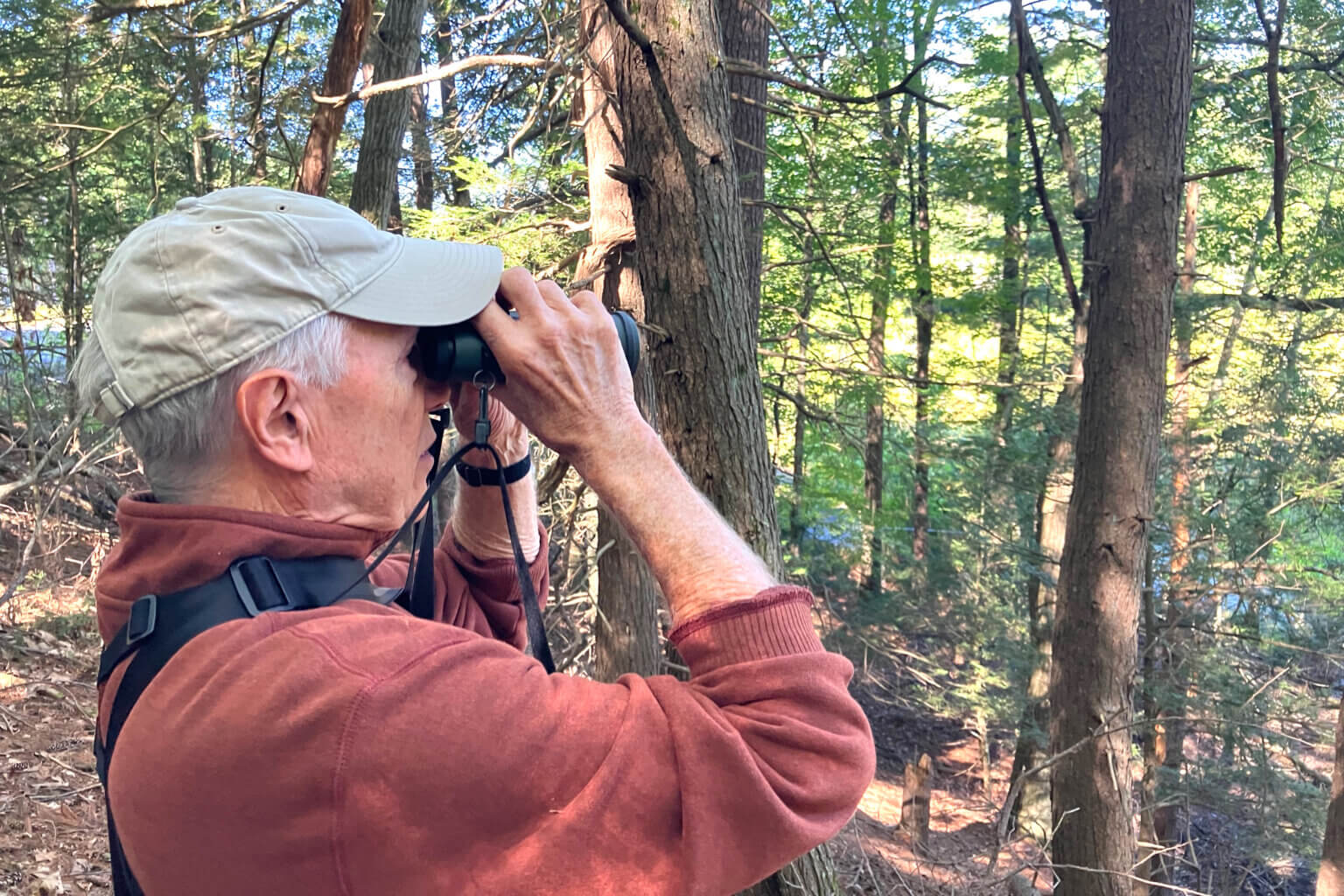
Gary Clayton, a retired Mass Audubon president who lives nearby, said he’s glad the cleanup isn’t steamrolling the habitat. He walks town trails around the Superfund perimeter and said this is one of only three quaking bogs in Acton.
These, he said, are “unusual habitats” that are “absolutely critical” to birds and other wildlife.
What is it, anyway?
Quaking bogs have a floating peat layer, often surrounded by a natural moat. The bogs need steady rain and mild summers to survive, Clayton said, and could be threatened as climate change brings drier, hotter weather to southern New England.
The peat at the 2229 Main Street bog is thick enough to support a few rugged trees. Thick brush covers the rest of the area, while a layer of moss coats the surface. These bogs provide a stopover for migratory birds, Clayton said.
As Clayton walked in the woods last week, two tiny birds danced between bushes — perhaps eating insects or seeds to bulk up for their journey south.
One of the birds darted behind a bush, and Clayton made a “shushing” sound to coax it into the open. He got a better glimpse and identified it as a yellow-throated warbler. “They’re going to be out of here in a few weeks,” he said as a chill hung in the air.
Clayton compared walking on a quaking bog to standing on a water bed. He’s explored these habitats before, and some organizations have built boardwalks to allow access. As the town eyes redevelopment, he hopes officials will give the Natural Resources Commission control of the area around the bog, and he doesn’t endorse a boardwalk in this case. A viewing area could suffice, he said, giving visitors ample opportunity to check out the bog without damaging it.
Final recommendations from the town’s 2229 Main Street Advisory Task Force mirror Clayton’s suggestion, calling for a raised platform and environmental education area.
A fence line and scattered “no trespassing” signs warn visitors away in the meantime.
Walking home through the town-managed Powder Mill Woods, Clayton said he hopes Acton can preserve tree-lined trails and rolling glacial gullies even as 2229 Main Street gets redeveloped. If workers topple trees at 2229 Main, and if developers clear more space for an already-permitted 237-unit apartment complex at the nearby Camp Thoreau campus, Clayton said, “this becomes a fine path for dogwalkers.”
But, he added, “that’s about it.”


