Will hard-fought 2025 election change the way Acton campaigns?
Spending spiked, digital ads were en vogue, turnout was up, and endorsements sparked controversy.
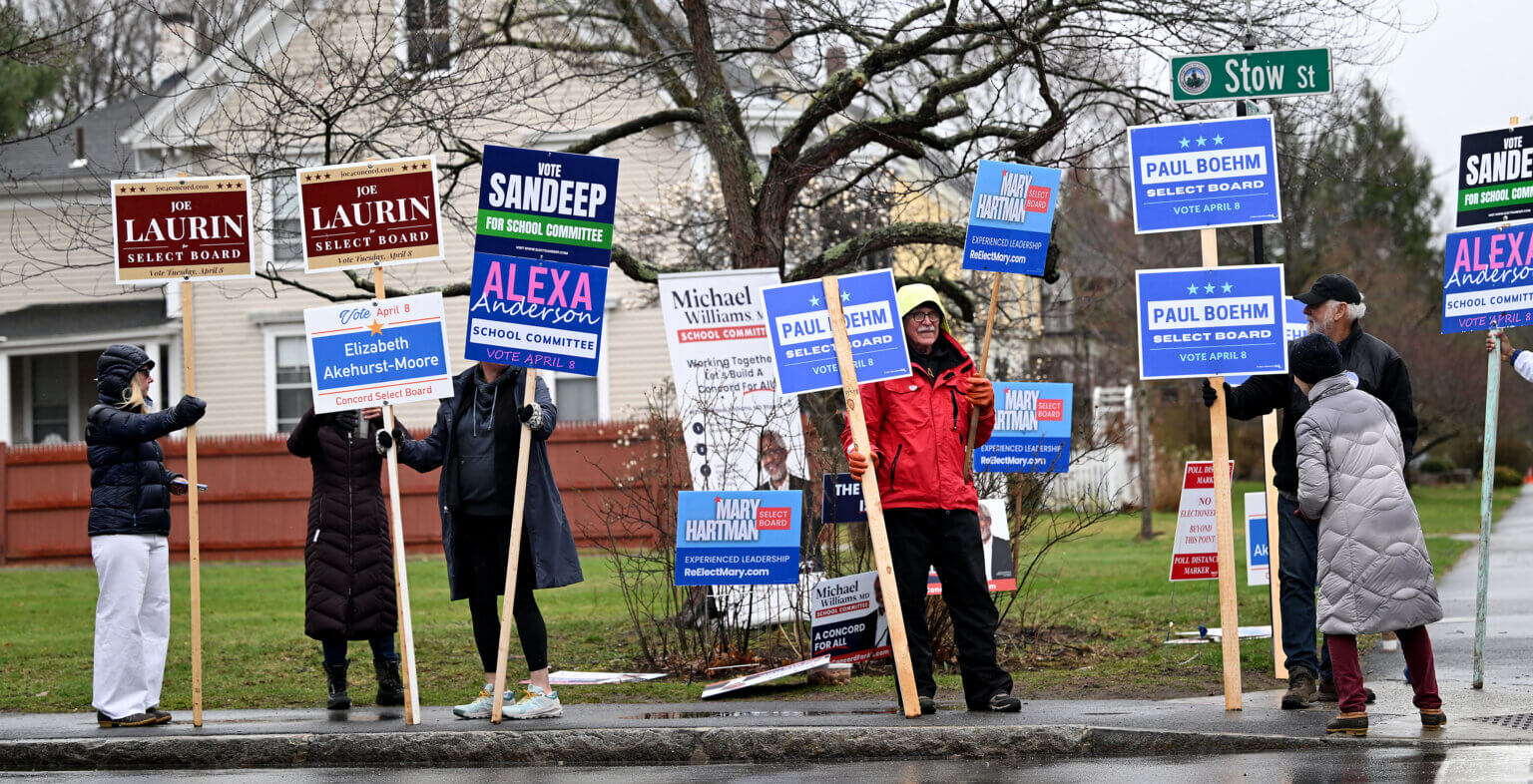
Spending spiked, digital ads were en vogue, turnout was up, and endorsements sparked controversy.
As the dust settles, candidates, supporters, and political observers are reflecting on this year’s town election — and for better or worse, some of them said, said new practices might be here to stay.
“The nature of politics is [that] anything that’s based upon tradition and not based upon law is fragile,” said ex-Select Board chair Matt Johnson. “Once it cracks, it’s very hard to claw it back.”
Election results
In April 8’s Select Board contest, current chair Mary Hartman and newcomer Paul Boehm edged out competitors Elizabeth Akehurst-Moore and Joe Laurin.
Michael Williams and Sandeep Pisharody prevailed in the School Committee race, toppling incumbent Alexa Anderson.
Official results showed 34% of voters cast a ballot, up from 31% in 2024 and just 14% in 2023. A jump in campaign spending drew mixed reactions, with Johnson among those hoping that doesn’t become the new norm.
While there was always “some spending,” Johnson said it had its limits. “Anybody ought to be able to run,” he said.
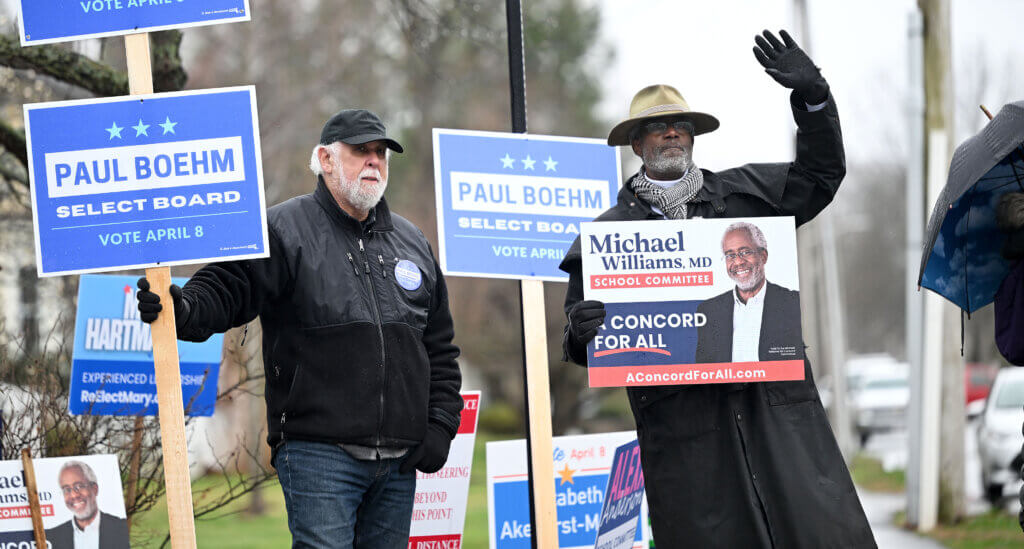
This year, Boehm and Williams both reported upward of $10,000 on their pre-election expense disclosures. Hartman spent $5,465.73, and Pisharody paid $4,713.29 between his campaign account and out-of-pocket costs.
Novel spending
Much of Williams’ spending covered signs, flyers, and pins. It didn’t show up on the pre-election report, but his campaign manager, Joe Palumbo, estimated that more than $6,000 went for YouTube and streaming service ads in the final weeks.
Boehm lent his campaign $6,740 to augment his fundraising. Most of his expenses went toward signs and mailers.
On Sunday, Pisharody said some might swear off future races if they lack the wealth or fundraising network to bankroll a pricey campaign. The issue isn’t unique to Acton, but “we need to think carefully about how to keep the playing field accessible and fair.”
Unlike Pisharody, Palumbo said he doesn’t think Williams’ cash flow raised the barrier to entry — and Williams himself said the spending didn’t guarantee his message would resonate.
“It could have been a dud,” he said.
Hartman and Boehm said they aren’t concerned about heightened spending and pointed to inflation as having raised the price of campaigning.
Digital ads
Although Williams still sent a late postcard via traditional mail, Palumbo stood by digital as a way to connect with voters. “I think anyone who’s not doing digital media is missing out,” he said.
Hartman stepped off the beaten path when she bought sponsored social media posts as “one of many ways to get our message out,” including to young voters.
Boehm, Pisharody, and the other candidates didn’t report any digital spending but stayed active on social platforms like Instagram.
Johnson and Nancy Confrey, a board member of the League of Women Voters of Acton-Carlisle, said the multi-platform blitz seemed new to Acton politics.
Beyond digital, every candidate held in-person events, and Williams ran a door-knocking effort that Palumbo said reached roughly 1,600 homes.
Boehm credited his two traditional mailings with growing his support.
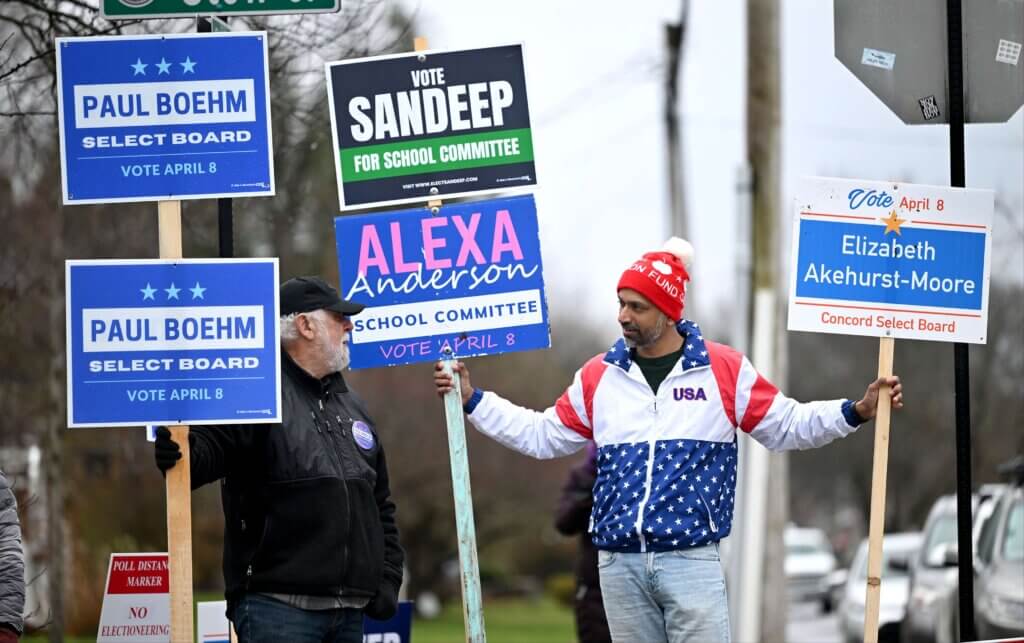
Pisharody sounded an alarm late in the campaign after he said Williams supporters started encouraging so-called “bullet voting,” or choosing only one contender in a multi-seat race.
Williams said he didn’t personally push people to vote for only one candidate. But he defended the practice and said his supporters probably encouraged it.
Pisharody said the results showed bullet voting could have been a “decisive factor” in Williams’ first-place finish.
Continuing conversation
Hartman and others raised concerns during the campaign about sitting officials endorsing candidates for seats on their panels.
Critics say incumbent endorsements risk creating bad blood on boards. Others say they’re a non-issue.
Confrey said she thinks Acton should keep thinking about how it handles endorsements, asking, “Does it help the work that needs to get done?”
Like spending, whether he likes it or not, Johnson said endorsements from sitting officials could be a part of future races.
“If somebody is on the Select Board and they want to endorse somebody, you can’t stop them,” he said. “If somebody wants to spend 50 grand on the local election and they have the money, then you can’t stop that, either.”


