Young planners craft a fun, inclusive Thoreau playground
Eight Thoreau Elementary School students learned that designing a playground isn’t only about choosing fun features.
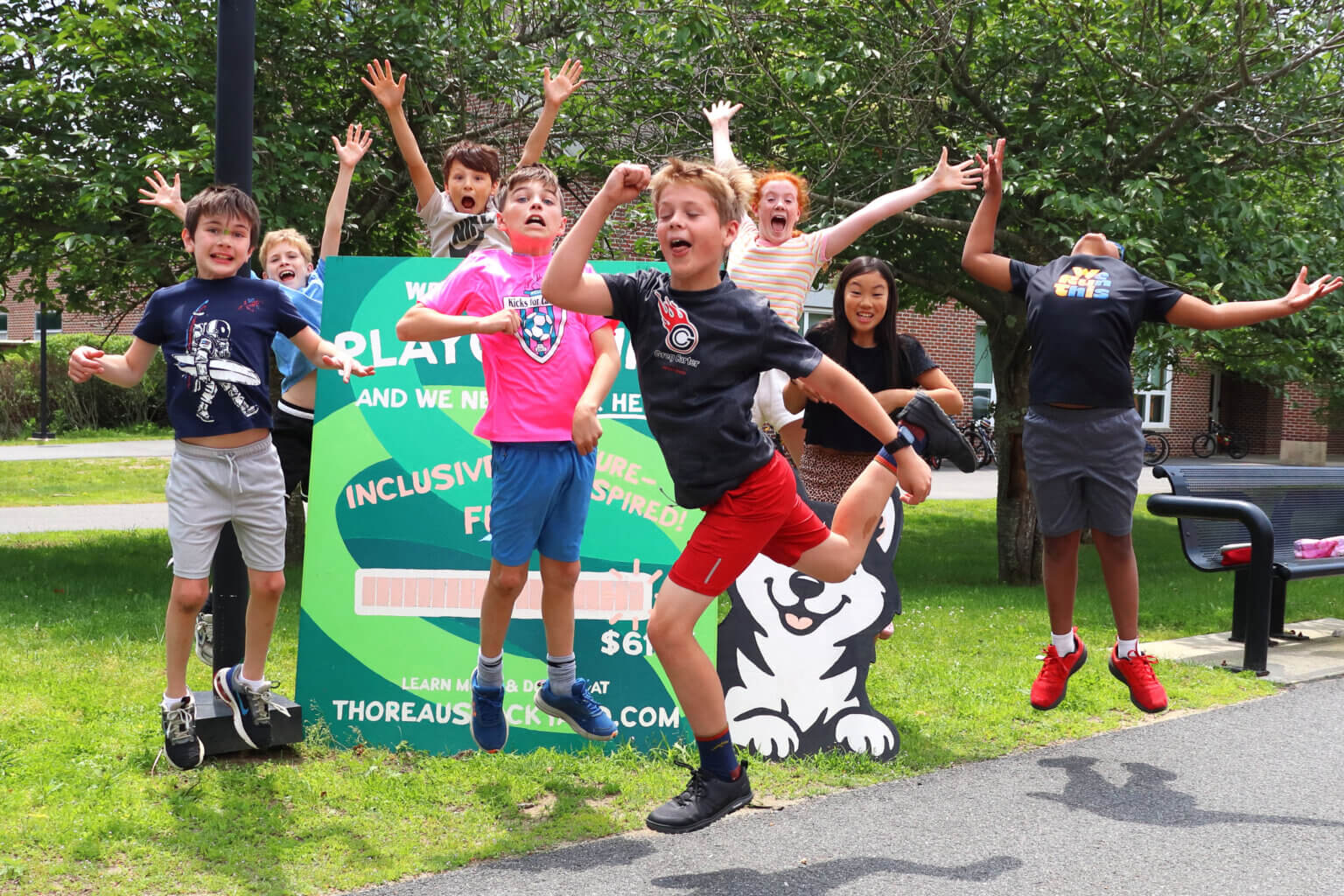
Designing a playground isn’t only about choosing fun features. That’s what eight Thoreau Elementary School students learned while helping to design a playground slated to open this fall.
“We were going to have a pool,” said Madison Taranto, a fourth-grader on the Student Playground Leadership Team. “Well, some of us wanted a pool.”
She was sitting at Principal Justin Sparks’ conference table with other kids on the committee, lunch trays in front of them, reflecting on months of playground planning.
“We learned that would be hard to maintain,” Robbie Morgan, another student on the committee, said of the pool idea. “We would need a lifeguard and other stuff.”
Madison and Robbie were there with their fellow Student Playground Leadership Team members — Archie Kinch, Eli Ajemian, Gautam Siva, Leo Routhier, Simon Goodrich, and Stella Wang — to talk to a Acton Bridge reporter about the project.
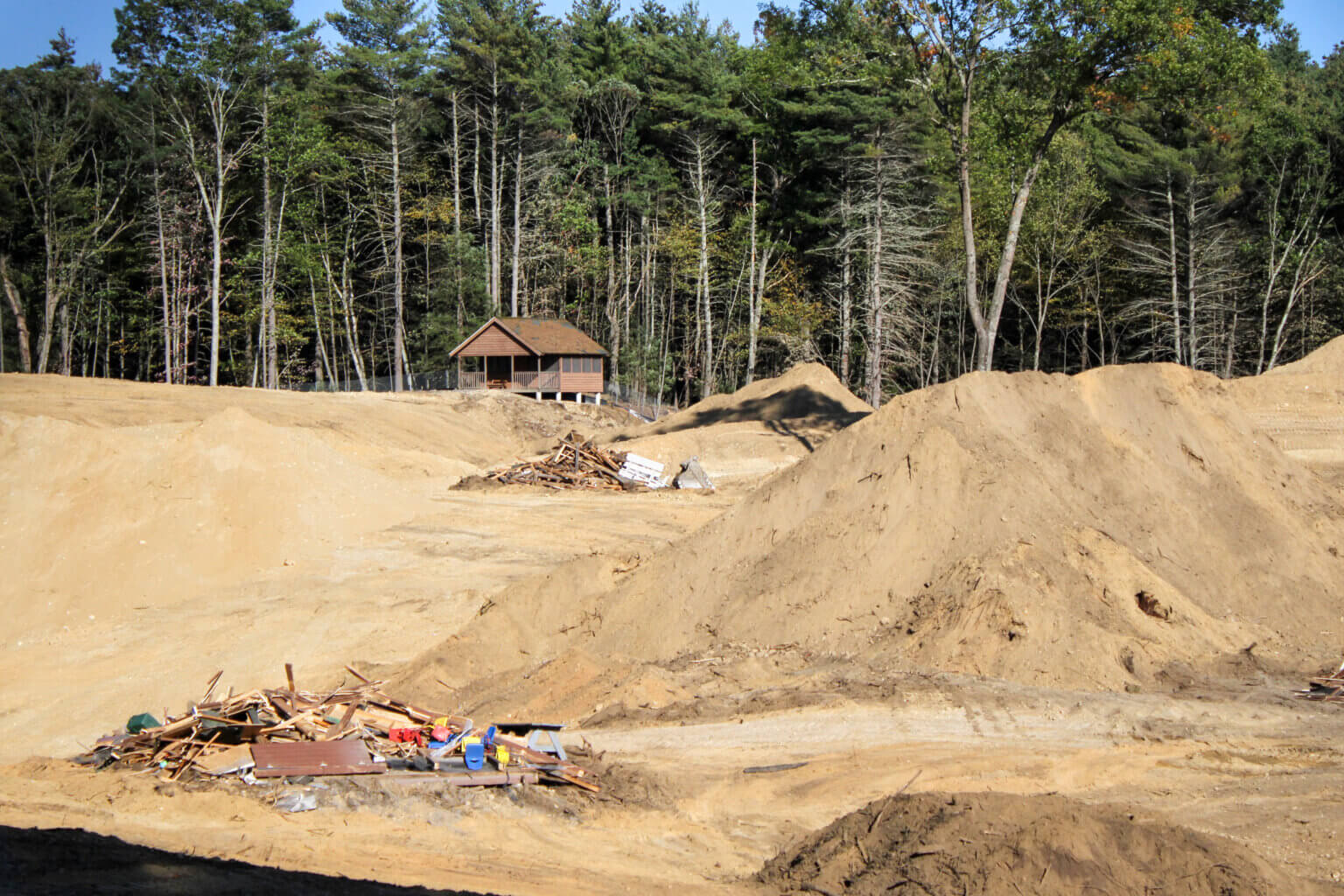
The new playground, dubbed “Thoreau’s Backyard,” is being funded primarily through community donations. Organizers set a goal of $610,000 — and they met it, with a final design approved in April.
The students weighed many ideas, cutting some and embracing others. Thoreau Elementary School’s new playground won’t have a tire swing. It won’t have a new gaga ball pit. And it definitely won’t have a pool. But it will have a zipline, a rock garden, and a big tree-house-like playspace in its center.
Sparks says the new playground will be better because, even if some ideas didn’t make it, all of the ideas — and those who contributed them — helped shape the final design.
“It was the conversation,” Sparks said. “It’s important life skills they need for the future. They learned to sift through ideas and make goals, like, ‘This one is too dangerous; this one is too expensive.’”
Selecting a committee
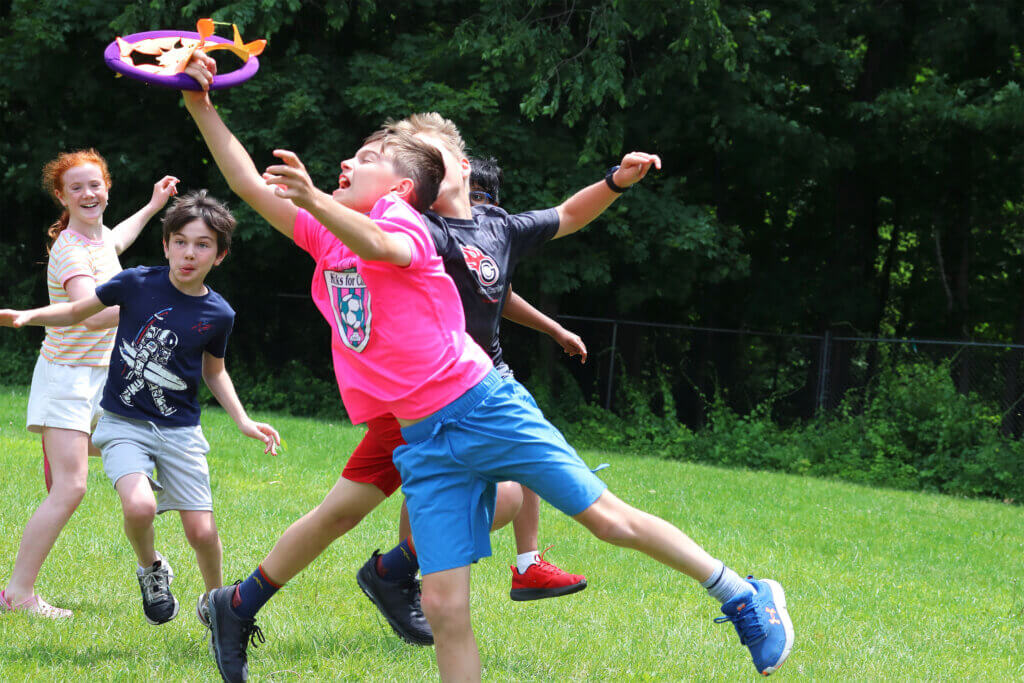
While students were initially chosen at random, each got to decide if they wanted to be on the team.
“I wanted to help create something,” Robbie said on why he decided to join the committee.
Simon said it was natural for him to want to be on the committee because of his career plans: “I wanted to say yes, because I would like to be an architect.”
When asked what they were most excited to use on the playground, popular choices were the swings, the musical pipes and drums, and the rock garden with its connecting rope nets.
“I think a lot of people will hang out at the rocks,” Leo said.
Risk versus reward
One idea, a tire swing, was replaced after a risk-reward analysis. “We learned a lot about risk,” Madison said.
Risk, Sparks explained, is a part of playtime, and it’s just one of the lessons he and his young collaborators learned.
“When we surveyed students, we kept getting responses like, ‘I like to go fast, I like to spin really quickly, I like to get up high,” he said. “And I think all of us can agree that things are more fun when they’re exciting like that.”
But the tire swing was just a little too risky — and that’s where balancing fun with safety came in. “You don’t want anyone to get hurt,” Gautam said.
Thoughts on safety connected to accessibility, a focus in the design process not just for the adults in the room but for the students contributing ideas as well.
That’s because not everyone moves or uses a playground the same way, the students explained. Playing, they said, could mean riding on the zipline, sitting in the rock garden, or imagining a different world in the tree house.
“We learned that playing looks different for different people,” Archie said. “Not everyone is going to like the swings.”
Through the process, students also got a survey course in fundraising, building design, and teamwork, Sparks said.
And they’re proud of their work.
“When [the playground] is built, I want to climb to the top of the tree house — being safe, of course,” Simon said, with a glance at Sparks, “and look at all of it.”