Aging Well: A declaration of interdependence
What so many aging people don’t get is that trying to do it all by themselves is dangerous and risky behavior.
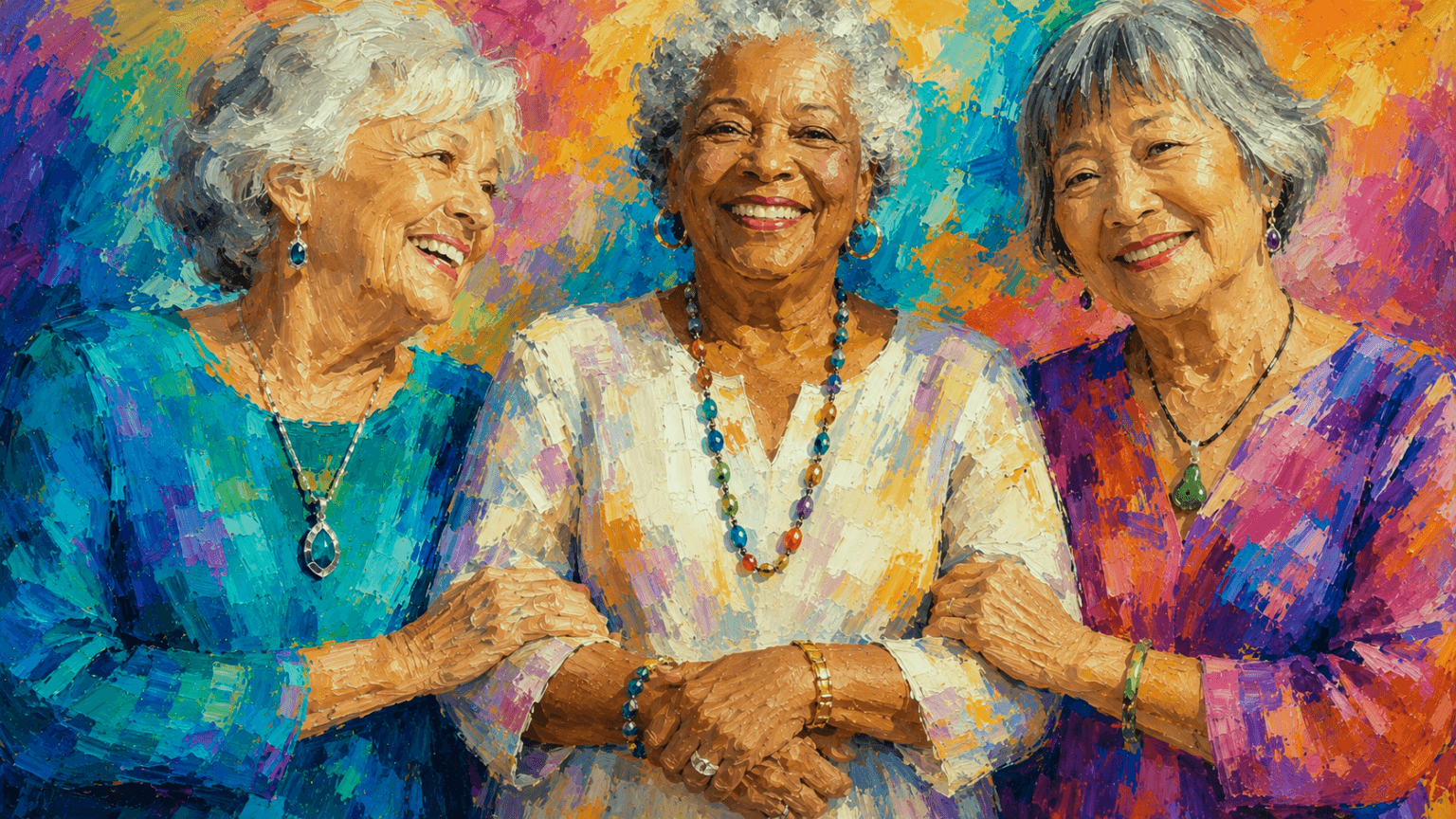
“No man is an island,” metaphysical poet John Donne wrote in the 17th century. I grew up knowing this quote, and maybe you did, too. I took it to mean that none of us is truly self-sufficient. However, our culture encourages the opposite notion.
Growing up, most of us were encouraged to be as self-reliant and independent as possible. Being clingy and dependent was seen as weakness and failure. We were praised when we could walk without help from others, read by ourselves, and learn to drive. I never even heard of interdependence until I was over 40.
We saw the Lone Ranger as heroic and we admired self-made people. We looked forward to the time we would be adults and on our own.
Women in my generation were given a bit more permission to be dependent. I married at 21, so I never lived on my own until I was 81. But we believe in the myth of independence, too.
I have come to see a life continuum that goes from being totally dependent to interdependent and then back to dependent.
We start as totally dependent babies. At the end of life, we may or may not be totally dependent again. All the rest of our lives, even at our prime, we are interdependent. Our daily lives depend on a vast interconnected web of people and institutions to provide us with education, jobs, food, shelter, amusements, care, and safety. Others depend on us and our efforts. We are interdependent no matter how independent we might feel or what we proclaim about independence.
Coming full circle
As we age, our ability to be independent declines — but at astonishingly different ages and rates. As we age into our 70s, 80s, and 90s, we still get praise for signs of independence, for essentially being on our own. We almost never hear someone say, “She accepts help so well,” or, “He knows when to lean on others,” or, “She is so beautifully interdependent.” Most of us still try to minimize our degree of dependency as if it were some disease or terrible flaw.
How many of you have heard someone who is 75 or 85 say something like, “I am 65,” or, “I am not old.” Denial about our aging is a big problem in this country. Many of us keep trying to go it alone without help. We need to accept increasing amounts of assistance from others as part of our natural evolution.
The pride factor
Many older people don’t get the help they need. Adults with serious knee and hip problems, for example, may refuse to get walkers and postpone surgery. Many with hearing loss do not get hearing aids. People often still drive when their eyesight is compromised or even when they have advanced dementia. Getting help is still not acceptable to them, and media messages heralding going it alone perpetuate the myth of independence.
Waiting far too long to move where there is some help is another common mistake of aging people. Many older people delay making a move even when they are having great difficulties managing on their own. They don’t want to burden their children. They tell their family they’re doing fine when actually they’re struggling.
The dangers of despair
Suicide among older men over 65 is another problem in our society, according to the National Council on Aging. Men over 65 have higher rates of suicide than any other group. Some say this is men’s response to the adversities of aging. My own research found that older men have few friends and few friendship groups compared with almost all women. I believe older men’s high suicide rate comes from this lack of meaningful relationships, as well as their belief that independence, rather than being in a community, is a good life.
What so many aging people don’t get is that trying to do it all by themselves is dangerous and risky behavior. I want to tell them: “You have worked hard your whole life. Now is the time to acknowledge your needs and, dammit, get some help.”
It will be a long time, I fear, before our cities and towns become age-friendly communities that offer the accommodations and services that older people really need. It will be a long time before most people understand that none of us is truly independent — ever.
Meeting the needs of the aging population will benefit people of all ages. It will bring more peace of mind and a better quality of life to older people and their families.
Opinions expressed are the author’s.