Letter from Nanae: Homestay programs emphasize local authenticity
Twelve international guests enjoyed Nanae’s quiet traditions through a program launched in 1979.
“Dokkoisho! Dokkoisho!”
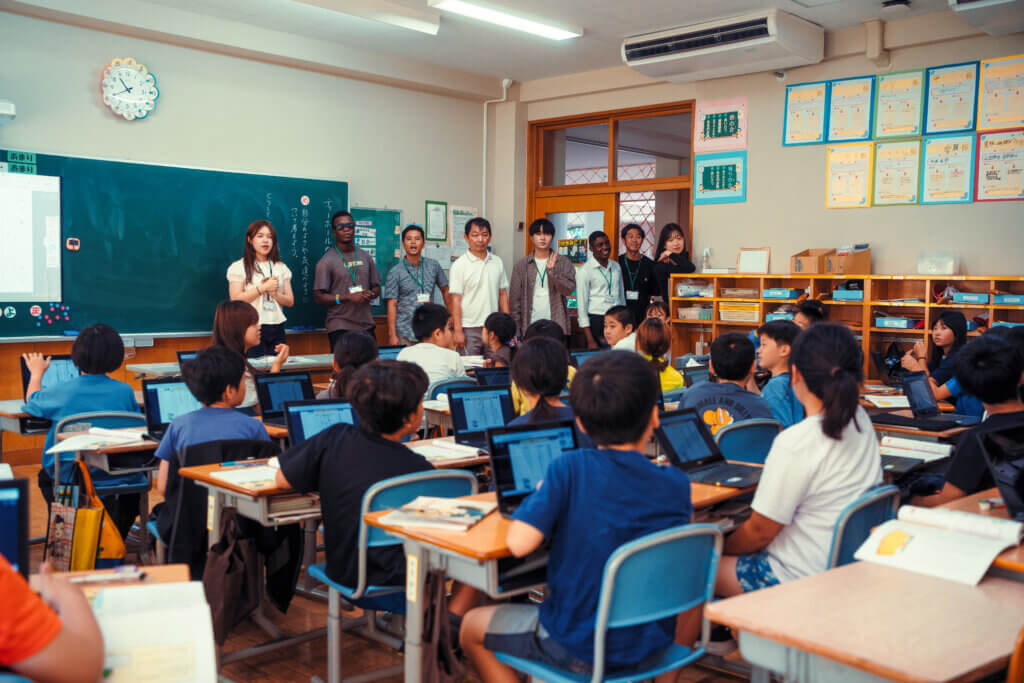
The students lined the perimeter of the Onakayama Elementary School gymnasium and stood breathless as the last note of the song echoed. The 12 international guests rapturously applauded. Bewildered, I turned to my boss and asked her the name of this dance. “It’s the Yosakoi Soran dance to celebrate Hokkaido’s fishing traditions.”
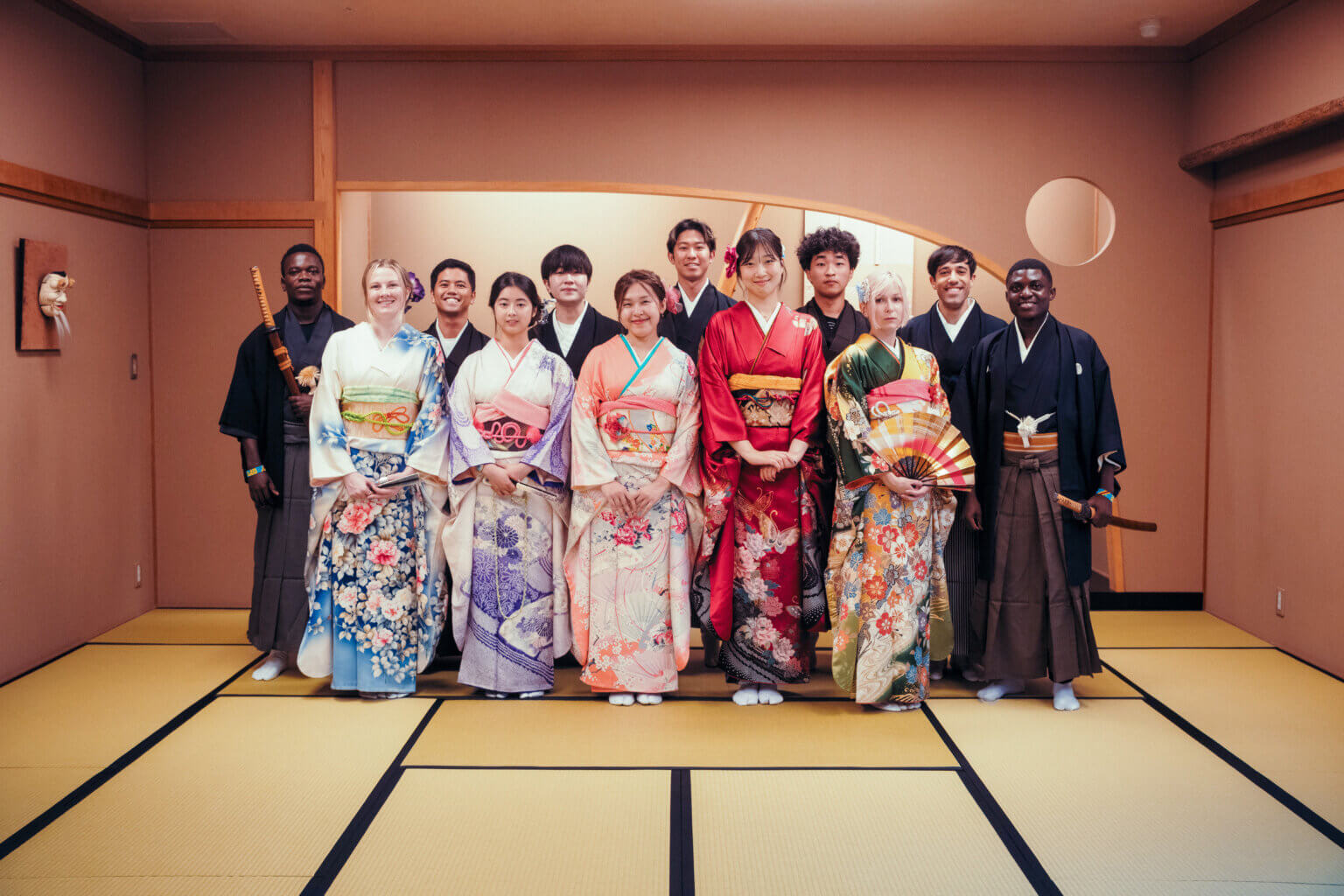
The children sat down, and the gym grew quiet. One by one, the international guests stood to introduce themselves. Representatives from Korea. Russia. Vietnam. The Democratic Republic of Congo. Singapore. Israel. China.
The 12 guests were in Nanae from August 28 to September 5 through an international homestay program launched in 1979 to show a different Japan from the one defined by Shibuya Crossing in Tokyo or the Arashiyama Bamboo Grove in Kyoto. It immerses participants in the countryside’s quieter, slower life.
During their visit, we blended tourist stops with local experiences. In the mornings, we would visit nearby schools to play games and chat with students. Afternoons, we packed into vans to explore the area.
The Onakayama Elementary visit came on the second day. After the dance, the guests and I played dodgeball with the students. I quickly learned that the rules are different in Japan when someone I’d thought was on my team hit me from behind.
At lunchtime, I ate my soup as girls asked me about everything from my favorite song to whether my hair color was real. As the school day ended, the children swarmed the international guests with notebooks outstretched, asking for autographs. Seeing the various alphabets decorating those notebooks, I wished I had my own.
Shamisen and kendama
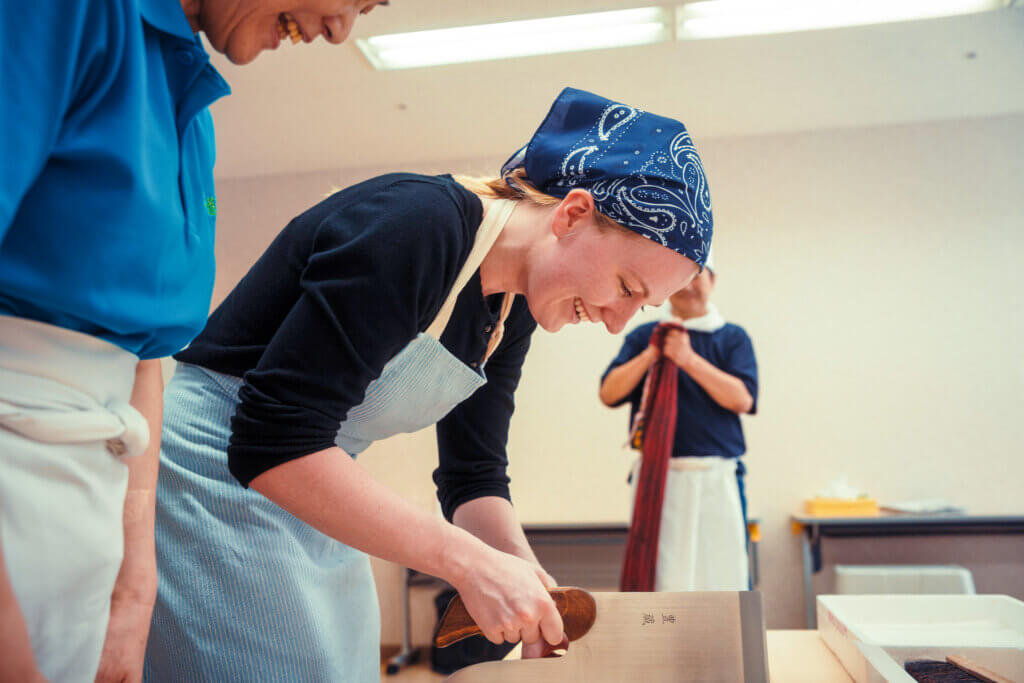
Once we pulled the guests away from their fans, we headed to a tea ceremony. Over the next hour, students sat with clenched teeth and numb legs as they struggled to maintain the seiza position, kneeling with legs folded underneath them.
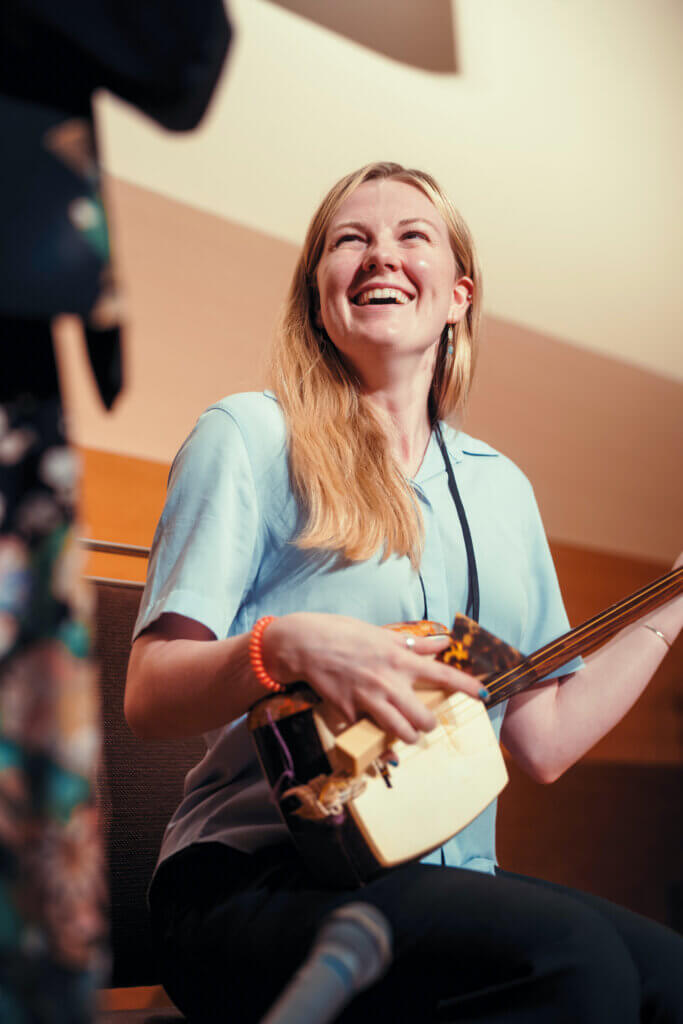
Everyone learned to fold the fukusa, a silk cloth used to symbolically purify the tea utensils, and to whisk their own matcha. We concluded the night with a five-course meal at the Onuma Prince Hotel, complete with a shamisen performance and a kendama lesson. One international guest completed all the kendama skills and received a certificate.
As we dropped the students off close to midnight, I worried about the daily school visits we’d built into the schedule. Were they seen as filler? Would the students prefer to explore Nanae?
A few days later, my boss and I were talking about the upcoming trip to Acton. Because it would be many students’ first visit to America, we debated adding more tourist attractions. From behind us, one international student chimed in with his own experience: He could come back and play tourist anytime, but this was his only chance to see schools and meet Nanae citizens.
On October 24, I will fly to Acton with nine Nanae students, one English teacher, and one town official. Each student is coming to America with different hopes and expectations. One student wants to eat a huge burger. Another dreams of exploring a haunted house. One hoped to visit the Titanic Museum — until I explained that it’s in Tennessee.
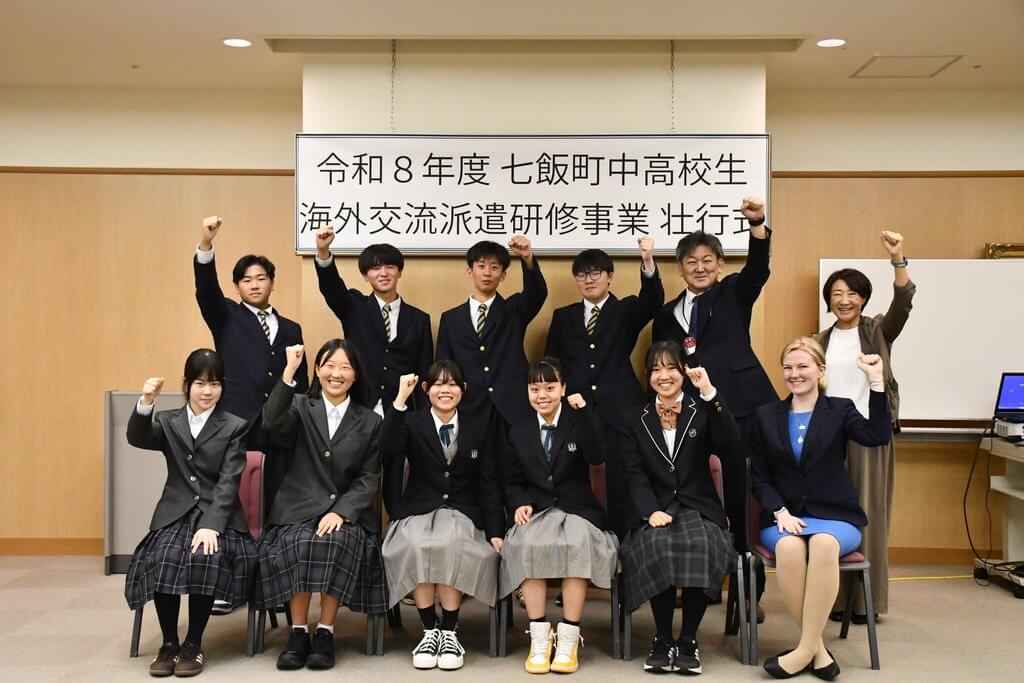
I can’t promise that each student will get to do everything on their bucket list or that Acton will match what they’ve seen in “Little Women.” Given how Nanae has exceeded my expectations, I almost hope that Acton defies students’ preconceptions. But the trip will be an unqualified success in my eyes if each student simply finds one Acton resident — a host parent, fellow student, or business owner — with whom they click.
In the months since the students found out they’d been selected for this delegation, they have dedicated almost every Saturday to four-hour preparation meetings to learn about topics in English ranging from navigating U.S. airports to ordering food at restaurants and calculating a tip.
The students have drilled self-introductions so that the moment they first meet a Acton resident, they will feel confident in their ability to connect. And they have folded hundreds of origami frogs and rabbits, one for every person they hope to meet.
Sharing Acton culture
Soon it will be the Nanae students’ turn to be the international guests. They will mix a visit to the Acton Museum with making onigiri alongside fourth graders at Thoreau Elementary School. At Acton-Carlisle High School, they will take an American breakfast cooking class before heading to Salem. And at the middle school, they will perform the Yosakoi Soran dance.
Travel today can feel disconnected: going to a restaurant with the highest reviews on Google Maps or doing an activity that went viral. A homestay takes you out of the mindset of cultural consumption and invites you to engage with strangers who might become friends.
It’s not Acton’s famous landmarks that I want to show the students; I want to share with them life in Acton authentic to the way I experienced it: a normal day of classes at CCHS, trick-or-treating on Halloween, and eating home-cooked family meals.
If you see a group of nine Nanae students in town or at your school this Halloween, stop and say hello. You might be rewarded with an origami frog — and a friend across the Pacific.
Views are the author’s.