Aging Well: The whys and hows of saying ‘I’m sorry’
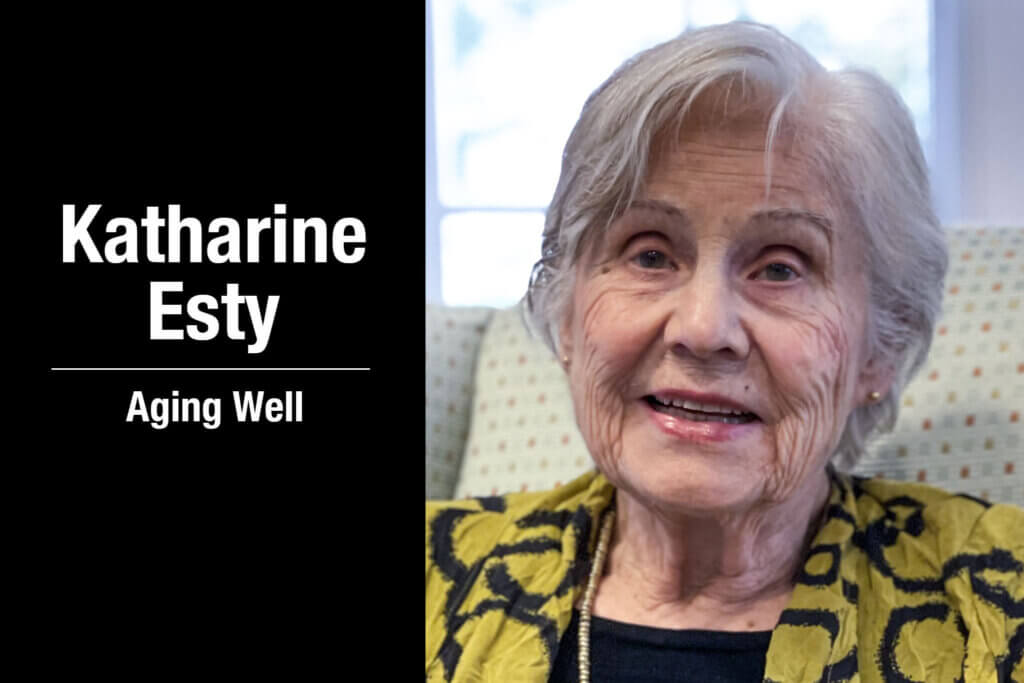
An essential life lesson I’ve learned over my 90-plus years is the power of apologizing.

An essential life lesson I’ve learned over my 90-plus years is the power of apologizing.
We all make mistakes, say things we regret, and find ourselves in personal conflicts that seem impossible to resolve. The real question is how we get past these roadblocks. Apologizing for our part is a great start and often provides the answer we’re searching for.
An apology is a statement of regret for something we have done. We are human beings. It is our nature to mess up our relationships despite our good intentions. We are also social animals, and by the time we reach 70, most of us have learned that our relationships are a top priority.
Degrees of difficulty
Sometimes, apologies come easily. For example, on one occasion, I missed a project meeting. I’d thought the meeting was on Tuesday when it was actually on Monday. I was genuinely sorry I missed it and felt stupid for mixing up the days. I contacted the project leader and apologized. She reassured me it was OK and that the upcoming meeting would be the one that mattered. After apologizing, I felt relieved. It was a simple step that made the situation better.
But usually, apologizing is more complicated.
My dear friend Heather once called me to express how upset she was about our previous conversation. I had suggested several times that she should visit a doctor for her recurring migraines. She angrily told me I had been pushy, especially because she hadn’t asked for my advice. I felt I was being attacked, so I became defensive and upset. I tried to explain that my intentions were solely out of concern for her well-being — and then I got angry, too. When we stopped talking, our anger hung in the air.
The following day, I started to see things from Heather’s point of view. I felt uncomfortable with how I had behaved and was unhappy that we were angry at each other. I called her to apologize. I told her I understood her feelings and promised not to offer unsolicited advice in the future. The negative feelings between us — magically, it seemed — dissipated.
Apologies are crucial for repairing our relationships; they create space for healing.
Disparate personality types
Blamers and over-apologizers are especially challenging for effective communication.
Blamers always make excuses and never take responsibility for anything. For example, when they’re late, it’s because of traffic. No matter what has happened, it’s someone else’s fault. This trait makes it challenging for you to apologize, because you know they’ll never reciprocate.
It can be difficult to live with a blamer, whether as a family member or a friend. Two friends told me they’d been married to blamers. They told me how painful those relationships had been, and both are now divorced.
On the other end of the spectrum are over-apologizers. They repeatedly apologize for things we hadn’t noticed or weren’t bothered by. They’ll often ask you something by saying, “Sorry, this is probably a stupid question, but … ”
Over-apologizers continually worry they’ve offended us. They need reassurance that all is well and there is no need to apologize. This deeply entrenched behavior pattern is tough to change.
Making a mea culpa matter
- We acknowledge we’ve done something wrong or that we’ve hurt someone. We say, “I am sorry.” We do this as soon as possible, but it is never too late to apologize.
- We take responsibility for our behavior. Apologies go best when both people accept some part of the responsibility. Saying “I am sorry you had to go through that” or “I am sorry that you feel bad” is not taking responsibility. Saying “I am sorry I did this” is taking responsibility. Genuine apologies are an I statement, not a you statement.
- We are sincere. We try to understand the perspective of the other person. Our regret is real. At some point, we have all received an apology that felt insincere. When the person said, “I’m sorry,” their voice conveyed they were just going through the motions. The situation remained unresolved.
- We detail how we will behave differently in the future to prevent the hurt or harm from happening again.
Our cherished bonds with friends and family are precious. When we confront serious challenges and conflicts, it’s essential to address them. It’s important always to remember that apologies are a potent tool for repairing significant rifts. Moreover, acknowledging minor mistakes with a simple “I am sorry” enhances the quality of our shared experiences.
Views are the author’s.