Aging Well: Fun is serious business
In writing about aging well, I’ve been considering how feelings of fun change throughout our lives.
The laughter began as we struggled to open the new box of cards.
The four of us had gathered to play whist, a game similar to hearts. My family had played whist for decades, but it was only the second time for the other three players. We found it hilarious that they had all forgotten the rules.
More laughter came as we tried to deal the slippery new cards. Still more erupted when we played our first hand and realized we were missing a card. After a mad search and several recounts, it was finally discovered on the floor.
That mirthful afternoon got me thinking: What actually is fun? Clearly, laughter is one important ingredient, along with enjoyment and amusement. However, it’s more complex than that. I have endured card games that were no fun at all.
Fun is a subjective experience that cannot be created on demand. Though it can be compared to happiness, the two are distinctly different. When you feel happy, you may experience calm and contentment, as well as active engagement. When you’re having fun, you’re typically active and energized, and almost always with others. During moments of fun, you often lose track of time.
Why does fun matter? Because it provides us pleasure and adds spice to our lives. In writing about aging well, I’ve been considering how feelings of fun change throughout our lives. What is fun shifts dramatically as we leave middle age and gradually proceed through our 70s and 80s and into the fourth act — our 90s.
Fun in our 70s
In this decade, though some of us still engage in high-impact sports like tennis and volleyball, many are now opting for less strenuous activities, such as yoga. Most of us continue to travel, although for those with bucket lists, there’s a growing sense of urgency. Additionally, many of us are dedicating more time to gardening and birdwatching. We also take up puzzles and online games like Wordle. These activities are enjoyable, but now we hope they will keep our minds sharp as well.
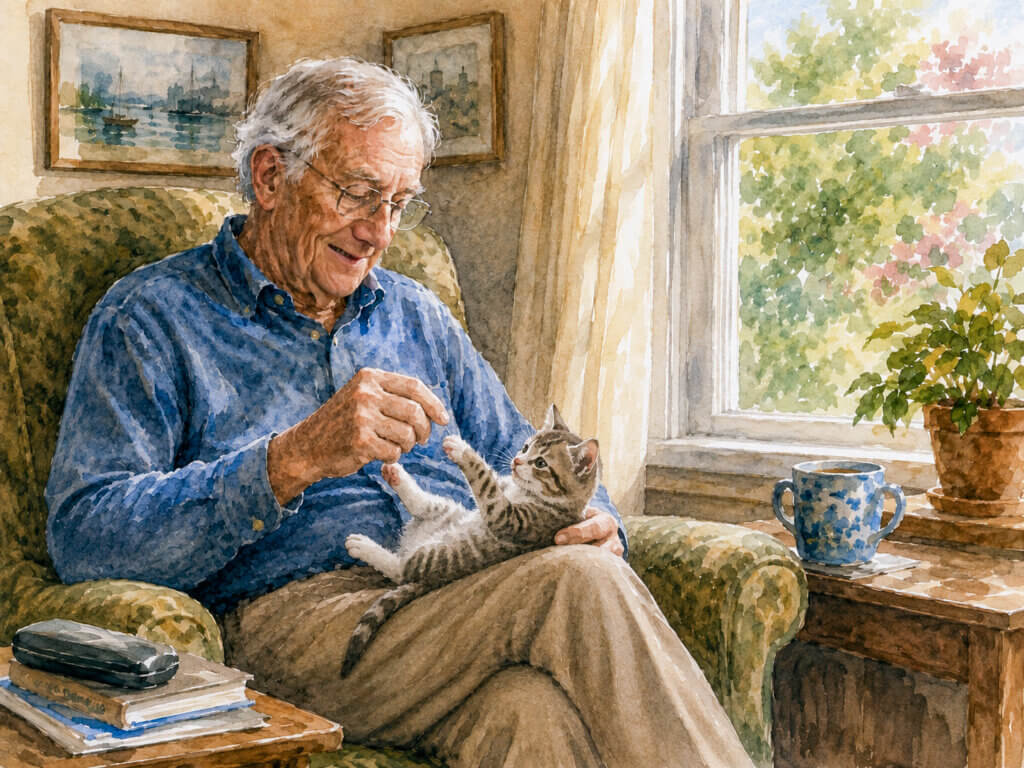
Most grandparents tell us that spending time with their grandchildren is the most fun thing they do. Those of us who don’t have kids or grandkids fill the kid niche with a grand-puppy or cat, or by spending time with a niece or nephew. Our own parenting was never this much fun, as many of us were too occupied and stressed by our responsibilities at the time.
However, few of us truly prioritize having fun. We’re often caught up in busy lives, focusing on our endless to-do lists, which now contain more items of exercise for our health, increasing numbers of medical appointments, and household repairs.
It doesn’t have to be that way.
Fun in our 80s and 90s
In our 80s, we travel less. It’s around this age that our backs or our knees start complaining. Many of us have given up more strenuous activities like biking and pickleball, opting instead for gentler exercises such as tai chi and water aerobics. Walking remains a favorite, but our walks are shorter, and our treks are mostly imaginary. Many of us become avid photographers; our smartphones enable us to capture some great images. Some of us install raised garden beds or shift to indoor plants altogether.
As we enter our 80s, many of us spend even more time online. Some are learning new languages through online platforms like Duolingo and Babbel, while others start their days playing a variety of games.
My favorite game is Upwords, a three-dimensional version of Scrabble that I played every day during the pandemic. I still love it and play at least once a week with a friend, and even more often with a bot. My matches against the bot are hard-fought and always competitive.
Several octogenarians have shared with me that drumming brings them the most joy, making them feel incredibly alive. Others rave about dancing, swimming, taking cooking classes, painting, participating in book groups, writing their memoirs, creating scrapbooks, singing in a chorus, or volunteering.
My friend Gale and I decided to host a dinner for everyone born in 1934 living at our retirement community — a delightful experience. It turned out that some of us were strangers to one another, though two of us had been friends since high school.
We invited everyone to bring a memory or story to share, and it was heartwarming to see everyone fully engage in the spirit of the event. We reminisced about being Depression babies and our memories of World War II. Laughter filled the room as we recalled eating Spam, collecting tin foil to “support the armed services,” and hours spent catching Japanese beetles. It was an amazing evening.
The merits of mirth
- We often overlook the importance of having fun. Though we can’t schedule fun, we can set aside time for activities that we love and cross our fingers.
- Intriguing research explores the connection between laughter and healing. Laughter always feels good. Importantly, it’s beneficial for our well-being.
- Faked laughter doesn’t sound genuine, while true laughter is contagious. This is why when we find ourselves in a group engulfed by laughter, we all know we’re having fun — the real thing.
- When we engage in enjoyable activities, we are in the present moment, the here and now. We’re not focused on our problems or the larger challenges of the world today. When we’re having fun, we get a real break, a rest, and a mini-vacation.
Views expressed are the author’s.